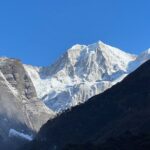
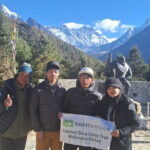
Manaslu pulls no punches on altitude. This 14-day Manaslu Circuit Trek turns Kathmandu-to-tea-house travel into a real mountain loop, with Larkya La Pass (5,160m) as the big moment. You’ll be walking through the Manaslu Conservation Area, plus the restricted zones that require permits—so you’re not just hiking, you’re entering a protected world.
I like two things a lot. First, the route is paced with practical altitude thinking, including a dedicated acclimatization day in Samagaon. Second, you get a full support setup: a licensed trekking guide, local porters, and tea house lodging so you’re spending energy on walking—not on camp logistics.
One drawback to plan for up front: this trek is physically demanding and weather-sensitive. Even with careful scheduling, you should expect long days, big elevation, and the real possibility of itinerary changes if conditions aren’t good.
In This Review
- Key things that make this trek special
- Manaslu Circuit Trek: what you’re signing up for
- Price and what you get for $1,300 per person
- From Kathmandu to Soti Khola: the long start that shapes your legs
- Days 2–4: entry into the Manaslu zones (and the first village rhythm)
- Days 5–6: Namrung to Samagaon—cultivated fields to glacier vibes
- Samagaon acclimatization day: why the rest day is the smartest move
- Days 8–10: Samdo, Larkya Base Camp, and crossing Larkya La
- Days 11–12: Bimthang to Gho to Tal—when the circuit starts feeling personal
- Day 13–14: the ride back to Kathmandu (and the honest letdown)
- Tea houses, gear rhythm, and daily comfort you can count on
- Who should book Manaslu, and who should think twice
- Should you book this Manaslu Circuit Trek with Everest Trekking Routes?
- FAQ
- How long is the Manaslu Circuit Trek?
- Where does the trek start?
- What’s the highest point on the route?
- Is pick-up and drop-off included?
- Are trekking permits included?
- What meals are included during the trek?
- What kind of lodging do you use on the trek?
- Do you need your own guide or porters?
- Is private jeep service included?
- What if weather is poor?
Key things that make this trek special
- Tea house circuit comfort: You sleep in lodges each night instead of carrying a full camp setup.
- Restricted-area trekking handled: Permits are included, which matters for Manaslu’s protected zones.
- Samagaon acclimatization day: A built-in pause to help your body handle higher passes.
- Larkya La and glacier scenery: The highest section is dramatic and visually unforgettable.
- Budhi Gandaki follow-the-river route: Forests, terraced fields, and remote villages connect naturally.
- Licensed guide + local porters: You get safety support and help with loads.
Manaslu Circuit Trek: what you’re signing up for
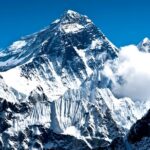
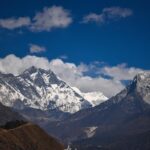
The Manaslu Circuit Trek is a real high-country circuit around Mount Manaslu, the eighth-highest peak in the world. You’ll cover roughly 177 km (110 miles) over about 10 to 14 days, depending on your pace and conditions. Most people don’t struggle with the distance on paper—they struggle with the altitude and the way your legs feel after each long uphill.
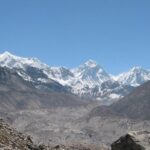
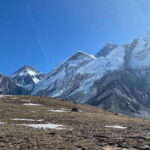
What makes this trek feel different from the more famous routes is the mix of terrain and isolation. You start in lower river valleys, where the trail follows the Budhi Gandaki River through forests and terraced fields. As you climb, the vegetation thins out and the air changes. By the time you reach the higher sections, you’re walking into harsher, more barren high-altitude terrain with glacier views around the Larkya area.
It’s also a culture-and-living route, not just a scenery hike. The trail passes through villages strongly associated with the Gurung community, and you’ll spend time in settlements like Jagat, Deng, Namrung, and Samagaon where tea houses are part of everyday mountain life.
You can also read our reviews of more tours and experiences in Kathmandu.
Price and what you get for $1,300 per person
At $1,300 per person, this trek can feel like a bargain—or like a lot—depending on how you compare what’s included. Here’s the practical way to look at it:
What’s included in the base price:
- Airport/hotel pick up and drop, plus 2 nights in a 3-star hotel in Kathmandu with breakfast
- Tea house accommodations during the trek
- Breakfast, lunch, and dinner during trekking days (with cup of tea)
- All trekking permits
- A license holder trekking guide and local porters
- Sleeping and duffle bag provided after your return to the company
- Transport back and forth by public express bus Kathmandu ↔ Sotikhola
What can add cost later:
- Extra Kathmandu meals or extra hotel nights outside the included 2 nights
- Jeep upgrades if you choose them (private jeep Kathmandu→Sotikhola and Dharapani→Kathmandu are listed as extra)
- Personal expenses like wifi, mineral water, hot shower, snacks, and other drinks
- Travel insurance and evacuation insurance (not included)
- Tipping for guide and porter (not included)
Value check: you’re paying for the permits, the guide team, the porter support, and the basic food and beds. That’s exactly what you want to outsource on a demanding trek. Your main financial surprises should only be personal comforts, optional private jeeps, and tips.
From Kathmandu to Soti Khola: the long start that shapes your legs
Day 1 is straightforward: you arrive at TIA, get welcomed by the Everest Trekking Routes team, and sleep in Kathmandu. Day 2 is where the trek begins in spirit.
You’ll leave Kathmandu around 7:30 am, traveling on paved roads first, then switching to rougher off-road sections as you get closer to the trailhead. The route passes places like Thankot and uses the Prithvi Highway, with scenic stops for tea/snacks such as Dhading or Malekhu. The drive is part travel, part warm-up. It’s not “fun vacation driving,” but it helps you earn your first walking day.
If you’re prone to motion sickness, pack smart. Bumpy road stretches after Arughat are part of the story here. You’re also eating “tethered energy food” early—dal bhat is typically the staple lunch choice on the way—because the next day brings real hiking.
Days 2–4: entry into the Manaslu zones (and the first village rhythm)
After the drive day, you settle into the first lodge stop around Machhakhola/Soti Khola area. Then you’re really in it.
On Day 3, you start moving through the Manaslu Restricted Area and Manaslu Conservation Area, and you trek toward Philim. The day’s character is village-to-village, with a strong Gurung presence. Jagat gets special mention as one of the biggest Gurung trails in the Manaslu region—so even if you’re there for the mountains, your eyes will still be drawn to how people live along the route.
Day 4 continues the village rhythm and introduces a more “tough legs” feel. You trek toward Deng, passing small villages and crossing small rivers. You’ll go through a bamboo forest and climb a rocky section—described as climbing for about an hour—before reaching Deng for the overnight lodge. This is one of those days where pace matters more than speed. Save your power; you’ll use it later for the higher passes.
Practical note: tea house food and lodges mean you can keep moving consistently. But you’ll still be adjusting to walking altitude and the fact that you can’t just “power through” forever.
Days 5–6: Namrung to Samagaon—cultivated fields to glacier vibes
Day 5 takes you toward Namrung, passing through settlements such as Ghap. The trail follows the Budhi Gandaki, and you’ll notice cultivated fields—millets, wheat, and barley mentioned along the route. That agricultural detail matters. It’s a reminder that this circuit is not empty country; it’s lived-in.
The overnight in Namrung is your hinge point. You’re still in village territory, but you’re gaining elevation day by day. You’ll likely feel it when you stop. When you breathe, it’s a little tighter. That’s normal.
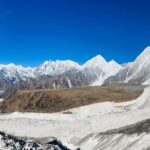
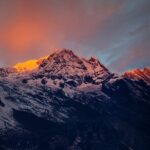
Day 6 continues to Samagaon, and this is where the scenery starts getting serious. The trail leads you toward the Phungen Glacier area for a couple of hours before reaching Samagaon. You’re not just seeing mountains—you’re getting that glacier-near feeling, with colder air and sharper visual contrast.
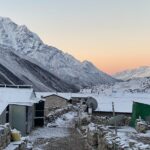
Samagaon itself is a high-altitude village, and arriving there means your body is about to meet the logic of acclimatization.
Samagaon acclimatization day: why the rest day is the smartest move
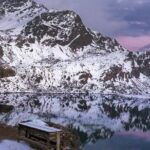
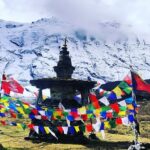
Day 7 is your acclimatization day in Samagaon. Instead of marching higher, you visit the local village and take time around the area, including a lake. The point is simple: give your body a chance to adjust before you head toward the even higher, more exposed parts of the circuit.
This is where I’d recommend you change your mindset. Think of Day 7 as training your body to recover. If you spend the day pushing for extra viewpoints, you’ll pay for it later. Let the rest day do its job.
Samagaon is also where the mountain presence becomes personal. With Manaslu looming as the eighth-highest peak, the landscape gets more dramatic and the walks feel longer even when the distances aren’t huge.
Some guides on this route are known for keeping the group calm and organized, and the support style matters on acclimatization days. In past trips with Everest Trekking Routes, guides such as Sandesh and Aita have been praised for being caring, professional, and safety-minded—exactly the vibe you want when you’re trying not to overdo it.
Days 8–10: Samdo, Larkya Base Camp, and crossing Larkya La
Day 8 shifts you toward Samdo. This is one of the more culturally interesting sections because you pass areas linked to cross-border trade routes. On the way, you may spot traders and yak-carried Chinese and Tibetan goods moving along the route. It’s a reminder that high-altitude paths aren’t just for hikers—they’re arteries for local life and exchange.
Samdo is also an overnight stop, and it’s a good staging point for the next big push.
Day 9 heads toward Dharamsala and Larkya Base Camp territory. You walk following glacier terrain for a stretch, then cross streams coming from Gya la, reaching Larkya Bazaar before continuing a few hours to Dharamsala. This day can feel long because the terrain is more demanding and your mind is already thinking about Larkya La.
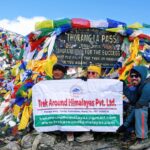
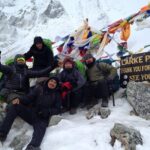
Day 10 is the headline: trekking to Larkya La for the pass views, then continuing on to Bimthang. The pass is described as spectacular, and it truly is the kind of place where the effort is worth it—because everything feels exposed, open, and high-stakes. You’re at the top of this circuit, with strong mountain views and the kind of air clarity that makes every step feel louder.
Then you descend toward Bimthang. Don’t treat the pass day like a victory lap. Your knees and quads will still need care on the descent. Slow steps win here.
Days 11–12: Bimthang to Gho to Tal—when the circuit starts feeling personal
Day 11 takes you from Bimthang to Gho. The route continues to offer strong regional views, and it’s another day where you get that “Nepal is giving you everything it has” feeling—without needing to hunt for it. You’ll just keep walking and notice how the air, light, and mountain shapes change as you go.
Overnight in Gho is a calmer, quieter feel compared to the Larkya area. That matters. After a pass day, your body needs time to settle.
Day 12 continues toward Tal, with an overnight stop described as Dharani before reaching Tal. The naming can feel confusing, but the function is clear: you’re finishing the loop’s high-country section and moving into the final trekking days. This is where your energy management becomes very real. By now, you know your routine: breakfast, careful pacing, water, and steady tea house stops.
Day 13–14: the ride back to Kathmandu (and the honest letdown)
You finish the trek and then take breakfast before driving back to Kathmandu by express bus on Day 13. Day 14 is just drop-off at TIA and your departure.
The “honest letdown” is real. The mountains are why you signed up, but the end arrives quickly—especially if the trek went smoothly. I treat the return day as recovery time: stretch gently, hydrate, and accept that you might feel stiff even if you’re excited.
If you’re thinking about onward travel, keep plans flexible for at least a day after your return. Your legs will likely remind you that you crossed a high pass and kept moving for almost two weeks.
Tea houses, gear rhythm, and daily comfort you can count on
This is a tea house trek. That sounds basic, but it changes your whole experience. You’re not carrying a full kitchen. You’re not rebuilding camp in rain. You’re walking from lodge to lodge, which is exactly how you make a high circuit feel manageable.
The included support includes porter help and a sleeping/duffle bag arrangement (handled by the company). That means you can pack for walking rather than for logistics.
Food is also handled in a straightforward way: breakfast, lunch, and dinner with cup of tea during trek days, plus Kathmandu breakfast on the included hotel nights. Personal comforts are listed as extra costs—wifi, mineral water, and hot shower among them—so plan to keep spending controlled by sticking to essentials unless you truly want a comfort upgrade.
One small detail that I really appreciate from guide-led mountain travel: warm breakfast drinks and simple, energizing meals. In prior trips on this route, hikers have described starting with things like apple porridge and honey-ginger tea. Even if your menu varies, that style is common—comfort food for cold mornings.
Also, expect multi-lingual guides may be available, and you’ll be paired with a licensed trekking guide. Past trips highlight guide styles that focus on safety and smooth hiking—people have credited guides like Veer, Rabin (as part of the operation), Dhansingh, Sukra Gurung, and Sushil Gurung with keeping the trek organized and easy to manage day by day.
Who should book Manaslu, and who should think twice
This trek is for you if:
- You have strong physical fitness
- You want a less “tour bus” feel and more village-and-mountain immersion
- You’re comfortable with long days and high-altitude passes
- You want the logistics handled: permits, guide, porters, tea house beds, and most meals
This trek may be a bad fit if:
- You’re hoping for a low-effort hike
- You’re not prepared for altitude challenges
- You can’t tolerate the idea that good weather is required and conditions can affect the plan
The minimum age is 18, and it’s a private tour/activity, meaning it’s only your group. That’s a big deal if you want flexibility in pacing and a more focused guide experience.
Should you book this Manaslu Circuit Trek with Everest Trekking Routes?
I think it’s a smart booking if you want a classic Himalayan circuit with real mountain effort, but you don’t want to manage permits, guide logistics, and daily meals yourself. The value is strongest when you look at the package: permits included, tea house lodging covered, food covered, and a licensed guide plus porters.
Book it if:
- You’re serious about completing Larkya La and you respect the difficulty
- You want a supported trek with strong structure (including the Samagaon acclimatization day)
- You like the idea of walking through villages in the Manaslu Conservation Area, not just checking mountains off a list
Don’t book it if:
- You’re not ready for a high pass trek
- You can’t handle weather uncertainty (the experience requires good weather)
- You’d rather self-plan and self-support everything
If you do book: train your legs, keep your pace honest, and treat the acclimatization day like your secret weapon.
FAQ
How long is the Manaslu Circuit Trek?
It’s approximately 14 days, with trekking commonly completed in about 10 to 14 days depending on pace and conditions.
Where does the trek start?
The journey begins in Soti Khola, with travel from Kathmandu on the first trekking approach day.
What’s the highest point on the route?
The highest point mentioned is Larkya La Pass at 5,160 meters (16,930 feet).
Is pick-up and drop-off included?
Yes. You get airport/hotel pick up and drop by private car/van/bus.
Are trekking permits included?
Yes. All trekking permits are included.
What meals are included during the trek?
During the trek you get breakfast, lunch, and dinner with a cup of tea, plus breakfast during the included Kathmandu hotel stay.
What kind of lodging do you use on the trek?
Accommodation during the trek is in tea houses. Kathmandu includes 2 nights in a 3-star hotel with breakfast.
Do you need your own guide or porters?
No. A licensed trekking guide and local porters are included.
Is private jeep service included?
No. Private jeeps (Kathmandu to Sotikhola, and Dharapani to Kathmandu) are listed as extra costs.
What if weather is poor?
The experience requires good weather. If it’s canceled due to poor weather, you’ll be offered a different date or a full refund.