REVIEW · KATHMANDU
Everest Base camp Trekking
Book on Viator →Operated by Nepal Horizon Treks and Expedition Pvt. Ltd. · Bookable on Viator
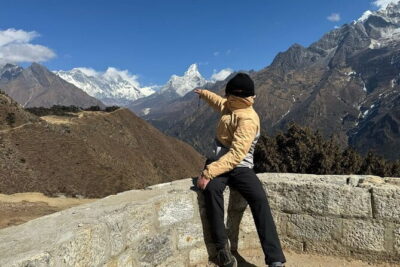
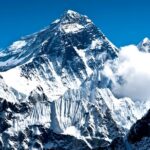
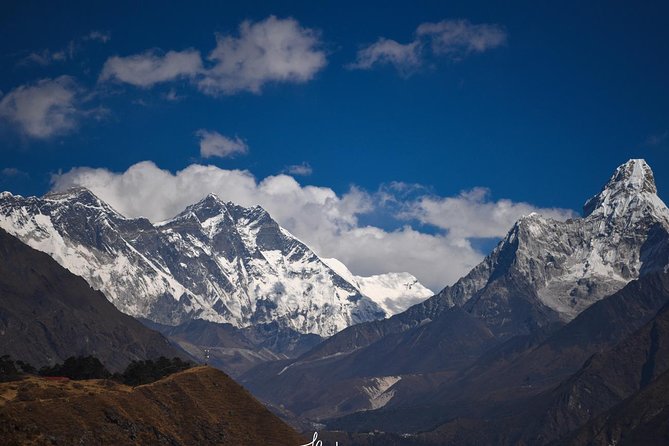
Everest looks close from Namche. This 14-day trek in the Khumbu region is interesting because it combines serious altitude planning with everyday Sherpa life, monastery stops, and nature inside Sagarmatha National Park.
I like that the schedule builds in real acclimatization time—specifically at Namche Bazaar and Dingboche—so you’re not just rushing upward. I also like the practical support from Nepal Horizon Treks and Expedition: hotel pickup/drop-off, a government license holder professional guide, and 10 nights in tea houses with a basic bed-and-breakfast setup.
One consideration: meals and drinks are not included, and you also must bring travel insurance that covers medical care and emergency evacuation, with proof shown to the leader on day one. In a trek budget, that can matter as much as the trek fee.
In This Review
- Key highlights worth knowing
- Khumbu Trek Reality: what you’re really signing up for
- Kathmandu warm-up: arrival, pickup, and a proper welcome
- Day 2: Lukla flight and your first trail into Phakding
- Day 3: Phakding to Namche Bazaar, where altitude starts to feel personal
- Day 4: Acclimatization at Namche Bazaar (the day you’re glad you didn’t skip)
- Day 5: Namche to Tengboche, monasteries and big views (with slower steps)
- Day 6: Tengboche to Dingboche, higher and more sparse
- Day 7: Acclimatization at Dingboche, your second safety net
- Day 8: Dingboche to Lobuche, getting closer to the high country
- Day 9: Lobuche to Gorak Shep, then the Everest Base Camp visit
- Tea house stays and the comfort math (what’s included and what isn’t)
- National park setting: nature, birds, and a protected trail system
- Guide and crew support: why Nepal Horizon often gets top marks
- Fitness and altitude: the pace rule that keeps you moving
- Price and logistics: does $1,340 feel fair for what you get?
- Who this Everest Base Camp trek suits best
- Should you book this Everest Base Camp trek?
- FAQ
- What does the trek cost?
- How long is the Everest Base Camp trek?
- Where does the trek start and is pickup included?
- Are national park fees included?
- What kind of lodging do I get on the trek?
- Is travel insurance required?
- What’s included for cold-weather gear?
- What is the minimum age and group size limit?
Key highlights worth knowing
- Acclimatization days at Namche and Dingboche to help your body adjust before higher sections.
- Tea house nights (10 nights, BB plan), which keeps nights simple and predictable.
- Rental sleeping bag and down jacket included for the trek period, reducing what you must pack.
- Sagarmatha National Park fees included, so you don’t have to track those costs separately.
- Small group size (max 10), which usually means less waiting on the trail and more responsive support.
Khumbu Trek Reality: what you’re really signing up for
Everest Base Camp is famous for a reason, but the trek experience is about more than a final destination point. You’ll be moving through Sherpa villages, Buddhist monasteries, and prayer-flag-lined trails where the views are huge and the day-to-day rhythm is surprisingly normal.
This specific plan is paced like a trek that expects you to care about altitude, not just distance. You go up step-by-step, stop to adjust, then push higher again. That structure is part of the value: it gives you a better shot at feeling steady rather than wrecked.
And because the route runs through Sagarmatha National Park, you’ll spend time in a protected ecosystem, not just hiking through a tourist corridor. The nature angle matters here—rare plants, animals, and birds are part of what the national park experience is meant to include.
You can also read our reviews of more tours and experiences in Kathmandu.
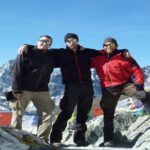
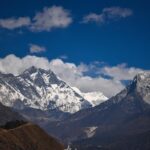
Kathmandu warm-up: arrival, pickup, and a proper welcome
Day 1 starts in Kathmandu (around 1,300m / 4,264ft) with pickup from Tribhuvan International Airport and transfer to your hotel. That’s not glamorous, but it’s a relief. When you land after a flight day, you want fewer decisions and fewer taxi negotiations.
You’ll also get time for a trip discussion in the afternoon with trek management and the trek leaders. I like this because it means you can ask the practical questions early—what to pack, how the guide expects your pace to feel, and how adjustments get handled if conditions change.
Then you finish with a welcome dinner hosted by Nepal Horizon Treks and Expedition at a typical Nepali restaurant, often with cultural shows. Even if you’re tired, it’s a nice way to start meeting the team and getting your bearings for the early mountain run ahead.
Day 2: Lukla flight and your first trail into Phakding
On Day 2, you’ll fly from Kathmandu to Lukla and then trek to Phakding (2,651m / 8,70ft). The distance is listed at 8km and about 3–4 hours of walking.
Why this day matters: it’s your first taste of the Khumbu trail system. You’ll go from the flight into a real hiking rhythm, and you’ll also start seeing the mix of farmland, river valleys, and village life that defines this region. It’s a gentle on-ramp, not a hardcore day.
Also, emotionally, Day 2 helps you settle. For most people, the Lukla-to-trail transition is the moment the trek becomes real. If you’re the type who needs a “first win” to build confidence, this is it.
Day 3: Phakding to Namche Bazaar, where altitude starts to feel personal
Day 3 goes from Phakding to Namche Bazaar (3,438m / 11,280ft): 11km, about 5–6 hours.
Namche is a big step up because it’s higher and more concentrated—shops, guesthouses, and the Sherpa bazaars that bring a commercial pulse to a place that’s also deeply cultural. This is where you stop seeing just farms and start seeing a town shaped by trekkers and mountain traders.
Practical note: even if the distance is manageable, the altitude makes everything feel slower. Your legs might be fine, but your breathing won’t be doing you any favors. That’s normal. Go steady.
Day 4: Acclimatization at Namche Bazaar (the day you’re glad you didn’t skip)
Day 4 is an acclimatization day at Namche Bazaar (around 3,440m / 11,284ft). Instead of climbing all day, you pause and let your body catch up.
This is one of the strongest parts of the plan. A lot of trek problems come from people doing too much too soon—too fast, too high, too tired. By building in an acclimatization day here, you give yourself time to adjust before you move on to Tengboche.
In this kind of terrain, the win is not just reaching higher altitude. The win is arriving there less stressed.
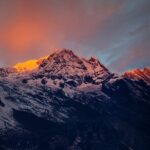
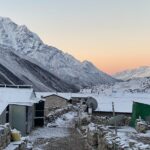
Day 5: Namche to Tengboche, monasteries and big views (with slower steps)
Day 5 treks from Namche to Tengboche (3,870m / 12,694ft): 10km, about 5–6 hours.
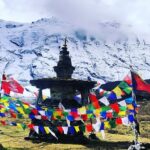
Tengboche is known for its monastery culture, and the route description includes Buddhist monasteries as a regular feature, not a random photo stop. This day tends to feel meaningful because you’re mixing breath-work pace with cultural rhythm—prayer flags, village life, and mountain scenery that’s hard to ignore.
One drawback to keep in mind: this is still an altitude day. Even if you’re moving on trails you can manage, you’ll likely feel the height in your stamina. If you’re prone to rushing when you feel good, this is where the guide’s pace-setting matters.
Day 6: Tengboche to Dingboche, higher and more sparse
Day 6 heads to Dingboche (4,360m / 14,300ft): 9km, about 5–6 hours.
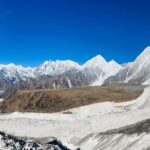
As you move higher, the setting becomes more rugged and less farm-heavy. Dingboche is also a hub for people adjusting their pace and planning the next steps. The route description highlights Sherpa villages and white rivers along the trek corridor, and this stretch typically gives you more of that dramatic river-valley feel.
This is also the kind of day where your best strategy is simple: short steps, consistent breathing, and fewer stops for long chats. You can still enjoy it. You just don’t want to turn every rest into a full reset.
Day 7: Acclimatization at Dingboche, your second safety net
Day 7 is another acclimatization day at Dingboche (around 4,360m / 14,300ft).
Two acclimatization days on an Everest Base Camp trek plan is a big deal for comfort and confidence. It’s not about making the trek easier. It’s about making it smarter.
If you’re doing this trek as your first big altitude trip, that second acclimatization stop is where you can start feeling like you understand how your body responds at altitude. That knowledge becomes useful later, when fatigue and cold tend to show up without asking permission.
Day 8: Dingboche to Lobuche, getting closer to the high country
Day 8 goes Dingboche to Lobuche (4,940m / 16,207ft): 7km, about 5–6 hours.
The distance is shorter than earlier days, but shorter doesn’t mean easier. Higher altitude slows you down. You might walk fewer kilometers and still feel worked.
This section is also a turning point psychologically. You’re moving into the high-country feel where the mountain drama increases and the villages feel farther apart. If you pack your energy well, it’s a powerful day.
Day 9: Lobuche to Gorak Shep, then the Everest Base Camp visit
Day 9 treks from Lobuche to Gorak Shep (5,170m / 16,961ft), then includes the visit to Everest Base Camp. The supplied details confirm a stop at Gorak Shep and a visit to Everest Base Camp, even though the exact altitude text after that is cut off.
This day is the heart of the experience, and it tends to include a cold, thin-air reality check. If you’ve ever wondered why people talk about Everest as much for the altitude experience as for the view—this is the part where you’ll understand.
Even with good pacing, you’ll want to protect your energy. Don’t spend the first hour sprinting for photos. Save yourself for the parts that matter: reaching the base camp area and taking in what the route looks like when you’re finally there.
Tea house stays and the comfort math (what’s included and what isn’t)
During the trekking period, you get 10 nights accommodation with a BB plan in tea houses. Tea houses are simple lodging—usually a basic room, blankets, and shared dining areas. BB here means you can expect breakfast included, but the rest of your food costs are on you.
Gear-wise, you get one sleeping bag and one down jacket on rent. That’s a practical inclusion because cold at altitude can be the thing that surprises you, especially if you packed light.
What’s not included is meals and drinks. That’s where budgets get real. Tea house meals add up fast, and hot drinks are not cheap at altitude. If you want to enjoy yourself, plan for extra spending beyond the trek fee.
National park setting: nature, birds, and a protected trail system
This trek includes national park fees and local taxes, and it runs within Sagarmatha National Park.
That matters because it ties your hike to a protected environment rather than only a travel corridor. The tour description calls out time to admire rare plants, animals, and birds. You’ll still be moving at trek pace, but it’s a nice reminder to pause, look around, and let the area feel bigger than the next step.
Guide and crew support: why Nepal Horizon often gets top marks
Nepal Horizon Treks and Expedition is the operator here, and the trek includes a government license holder professional guide. His food, accommodation, salary, and insurance are paid during the trekking period, which is a solid sign of how the company runs the operation.
From the way people describe their experience, the team tends to be the key differentiator. Names that come up include Dip (Dipendra), who’s repeatedly described as friendly, supportive, and professional. Guides mentioned include Raju, DB, and Kumar, plus porter support like Yambo.
Two small but telling details show up in the feedback patterns:
- People often describe long, helpful pre-trek chats before committing, including conversations with Deep (who explained what needed to be known before starting).
- People highlight that the company handles a lot for you—arrival support, trek coordination, and ongoing help during the route, not just a handoff at the trailhead.
Since this is a maximum of 10 travelers, your guide’s guidance is also less likely to turn into generic group management.
Fitness and altitude: the pace rule that keeps you moving
The tour asks for moderate physical fitness, with an understanding you’re trekking through altitude (Kathmandu to Lukla, then steady climbs and acclimatization).
What I think you should do is treat this as a breathing-and-pacing project, not a distance challenge. The itinerary includes 5–6 hour days repeatedly, with distances between about 7km and 11km in the provided segments. That’s a good sign: it’s structured for stamina, but it’s still real walking.
Also, remember: acclimatization days are part of the plan, not free time to overdo it. Use those days to rest well and move gently so you’re ready for the next elevation step.
Price and logistics: does $1,340 feel fair for what you get?
At $1,340 per person for 14 days (approx.), this price isn’t just buying a view. You’re paying for:
- 10 tea house nights with BB
- national park fees and local taxes
- hotel pickup and drop-off in Kathmandu
- a professional, licensed guide (with food, accommodation, salary, and insurance handled)
- sleeping bag and down jacket rental
That’s meaningful value if you’d otherwise have to source gear, sort park fees, and organize a guide yourself. It also reduces stress, which in trekking is a real cost—stress burns energy you need later.
The main thing that makes the price feel “not fully all-inclusive” is that meals and drinks aren’t included, and travel insurance is required but not included. You should also plan for tips to guide/staff (not included).
One extra cost detail to keep in mind: there’s an added $250 per group if you need a different than English speaking guide. If you care about language, ask early and confirm.
Who this Everest Base Camp trek suits best
This trek is a strong fit if you want:
- a classic Everest Base Camp route through Sherpa towns and monastery areas
- an acclimatization-focused schedule (not just a straight climb)
- a small-group feel (max 10 travelers)
- a guided experience that handles a lot behind the scenes
It may be less ideal if you’re looking for maximum flexibility or if you dislike structured pacing. At this altitude, the plan matters.
The minimum age listed is 10, but the bigger factor is whether you and your body can handle day-after-day altitude effort.
Should you book this Everest Base Camp trek?
If you want Everest Base Camp with a plan that respects acclimatization and keeps logistics simple, this is a good option to consider. The value looks solid for what’s included: tea house nights, national park fees, gear rental, and a licensed guide with real support.
I’d book if you:
- can commit to a steady trekking pace
- budget extra for meals and drinks
- bring the required medical/evacuation insurance
- want a small-group trek with attentive guide support (and you like the idea of having names like Dipendra and guides such as Raju/DB/Kumar associated with the operation)
I’d hesitate if you’re hoping for a truly all-inclusive deal with food covered, or if you’re unsure about meeting insurance requirements and the altitude pacing demands.
FAQ
What does the trek cost?
The tour price is $1,340.00 per person.
How long is the Everest Base Camp trek?
It runs about 14 days (approx.).
Where does the trek start and is pickup included?
You start in Kathmandu, and hotel pickup and drop-off are included.
Are national park fees included?
Yes. National Park fees and local taxes are included.
What kind of lodging do I get on the trek?
You get 10 nights of accommodation during the trekking period in tea houses with a BB plan.
Is travel insurance required?
Yes. Travel insurance that covers medical expenses and emergency evacuation is required, and you must show proof to the tour leader on the first day.
What’s included for cold-weather gear?
A sleeping bag and a down jacket are included on rent for the trek period.
What is the minimum age and group size limit?
The minimum age is 10 years, and the maximum group size is 10 travelers.