REVIEW · KATHMANDU
Everest Base Camp Trek
Book on Viator →Operated by Top of The World Treks Pvt.Ltd · Bookable on Viator
Everest Base Camp feels close on day one. You get a rare combo of big-peak drama and real mountain routine, starting with a flight to Lukla and ending with Kathmandu culture days. I especially like how the trek is paced with acclimatization stops (so you’re not just “climb and hope”), and how you have a strong support setup with guides and porters doing the heavy logistics. One thing to consider: the route still hits serious altitude fast, so a moderate fitness level and a calm pace are key.
The trip is private, so your group only shares the experience with you. You’ll also spend time in Kathmandu beyond the usual quick stop, with visits to Swayambhunath, Boudhanath, and time for Thamel gear shopping.
In This Review
- Key Highlights I’d Target First
- Kathmandu First: Getting Ready Without Wasting Days
- The Lukla Flight: Quick Time, Big Feeling
- Phakding to Namche: When Everest Starts Showing Up
- Namche Acclimatization: Walking Higher So You Can Go Higher
- Tengboche to Pangboche: Forests, Mani Stones, and Higher Towns
- Pheriche Rest Days: The Smart Part of the Hard Part
- Gorak Shep to Everest Base Camp: The Moment You Came For
- Kala Pattar at 5,545m: Your Best Everest View Time
- Down Valley to Lukla: When Altitude Becomes a Relief
- Back to Kathmandu: Boudhanath and a Real Reset
- Price and Value: What $2,051.48 Covers (and Why It Matters)
- Who This Trek Fits Best
- Should You Book This Everest Base Camp Trek?
- FAQ
- What is the total duration of the Everest Base Camp trek?
- Where does the experience start?
- What time does the experience start?
- Is pickup offered?
- How do you travel between Kathmandu and Lukla?
- What is the highest point on the trek?
- Are park permits and the TIMS card included?
- What meals are included?
- Are guide and porter services included?
- What if I need to cancel?
Key Highlights I’d Target First
- Lukla flight in a short, unforgettable hop that drops you right into the Himalaya rhythm
- Acclimatization built in with rest days at Namche and Pheriche before higher effort
- Guides with real people skills, including Biru and Vision Tamang, who stay supportive and patient
- Kala Pattar payoff at 5,545m for wide Everest views and photo time
- Support that reduces stress: porters carry luggage and a first-aid kit is included
Kathmandu First: Getting Ready Without Wasting Days
Your trek starts in Kathmandu, and that matters more than people think. You land, get transferred, check into the hotel, eat dinner, and take an early night. That first reset helps because the next steps—packing, shopping, and then flying to Lukla—hit quickly.
Daytime Kathmandu is not treated like a chore either. You’ll go to Swayambhunath, a very old Buddhist stupa and monastery with hill-top views over the valleys. This is also where you’ll spot monkeys and get your first real feel for Nepal’s spiritual mix. In the afternoon, you get time to sort trekking gear and do a Thamel shopping run. Thamel is chaos in the best way: it’s where you can handle small last-minute needs like warm layers or odds and ends.
Possible drawback? If you hate being on your feet, Kathmandu can still feel busy. You’re walking around temples, hills, and markets before you ever reach the mountains.
You can also read our reviews of more tours and experiences in Kathmandu.
The Lukla Flight: Quick Time, Big Feeling
On trekking day, you fly from Kathmandu to Lukla. The flight is about 40 minutes, but it’s described as one you’ll remember because you fly over the Himalayan foothills. Lukla sits around 2,800m, so you’re already higher than many travelers expect when they start.
Once you land, porters are used to carry your luggage. That’s a big deal for enjoyment: it means you can focus on walking, not hauling. After a tea stop, you start your trek toward Phakding (about 2,653m). This first day is short and village-based, alongside a river—ideal for getting used to thin air and trail pace without burning your legs.
Phakding to Namche: When Everest Starts Showing Up
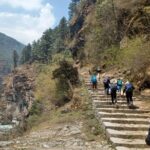
The early trekking stretch follows the Dudh Kosi river valley, with local villages along the way. You’ll reach Monjo for lunch and then continue as the day turns uphill. This is where the trek begins to feel more Himalayan: the climbs get steeper, and the views start to show up at moments that feel like rewards rather than expectations.
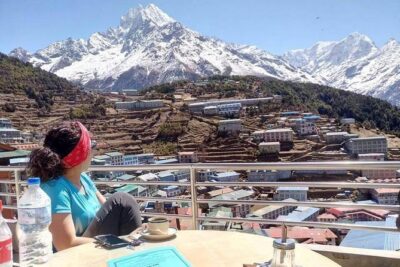
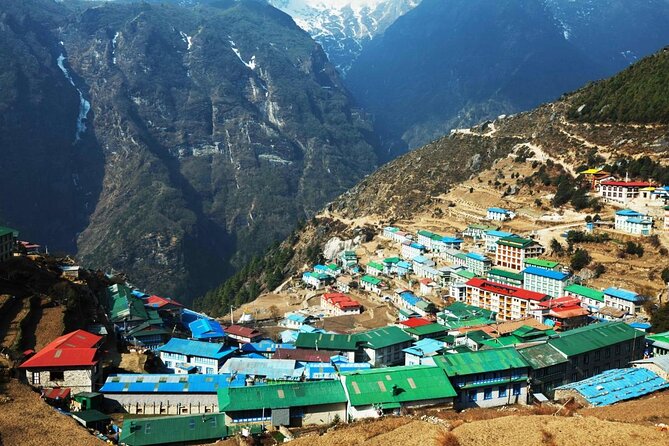
You’ll enter Sagarmatha National Park during this segment and cross the Dudh Kosi river. Then you push toward Namche Bazaar, arriving around 3,440m, where the altitude can start to hit some people. Namche is also where the trek becomes a real town experience: shops, supplies, and a place to slow down.
A big value here is pacing. You don’t just march upward all the way. You reach Namche and get time to absorb altitude instead of instantly stacking another hard day.
Namche Acclimatization: Walking Higher So You Can Go Higher
One of my favorite parts of this trip is that it gives you a proper acclimatization day in Namche, not a token “stretch your legs” stop. You’ll walk up to Khumjung (around 3,780m) and see village life with great mountain views. This kind of day helps your body adjust and also helps your brain calibrate to the thin-air feeling.
You then get a second layer of acclimatization as you gain more height. After Namche, the next day takes you toward Devuche (around 3,750m) via Tengboche.
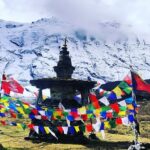
Tengboche is a centerpiece: it’s described as the religious heart of the Sherpa region, with a monastery that’s noted as the largest in Nepal. Visiting Tengboche Gompa is not just scenic. It’s a chance to understand why the mountains aren’t only a climbing destination here—they’re tied to daily life and spiritual practice.
Tengboche to Pangboche: Forests, Mani Stones, and Higher Towns
As you trek onward, you keep climbing in a way that builds confidence. The route goes through villages and gives repeated photo opportunities of Everest and nearby peaks. You’ll move toward Pangboche, which sits at roughly 3,800m and is described as the highest all-year settlement in the region.
You’ll also cross one of Nepal’s infamous bridges, then stop for tea at Pangboche. After that, the scenery changes as you pass the tree line, moving into more open alpine meadows. That transition is where the trail starts to look more like “high altitude world” than “mountain village world.”
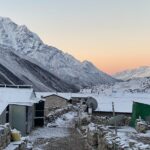
You then push to Pheriche (about 4,240m), a windy place that needs warm clothing. This is also where altitude starts to feel like work for your breathing, even on a good day.
Pheriche Rest Days: The Smart Part of the Hard Part
This trek includes another acclimatization day in Pheriche. You’ll do a walk higher during the day and then return down, which is exactly what your body needs before the next altitude push. Then the next day moves you up toward Lobuche (around 4,930m), gaining close to 700m from Pheriche’s baseline.
Along the way, you’ll pass Chukpilhara, known for stone monuments to climbers and especially Sherpas. It’s described as a place that sticks in your memory because it signals the mountain’s danger. This isn’t fear-mongering; it’s perspective. It helps you treat altitude and weather seriously, not casually.
Gorak Shep to Everest Base Camp: The Moment You Came For
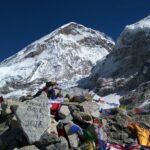
After reaching Lobuche, you head onward to Gorak Shep (about 5,160m), which used to be the first base camp area for Everest climbing in the 1950s. You rest and eat, then continue to Everest Base Camp—currently used base camp in this region.
This is the day that usually fixes everything for people. Even if you don’t catch Everest in perfect light, the scale still lands. Base Camp is described as busy during peak climbing season (the trek is noted as being in May), which can mean you see more activity and more structure of the climbing season around you.
You’ll then descend back to Gorak Shep for an early night. That matters because the next day is a big one.
Kala Pattar at 5,545m: Your Best Everest View Time
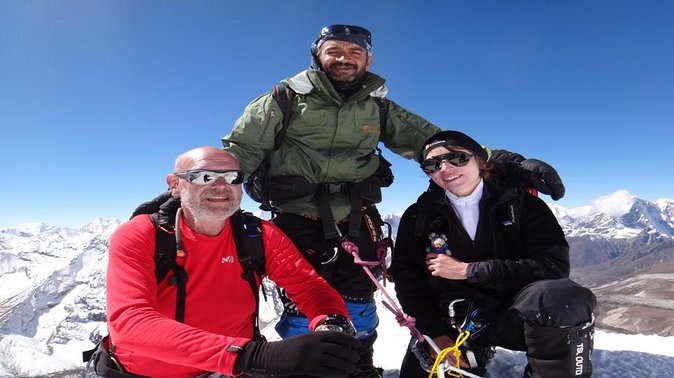
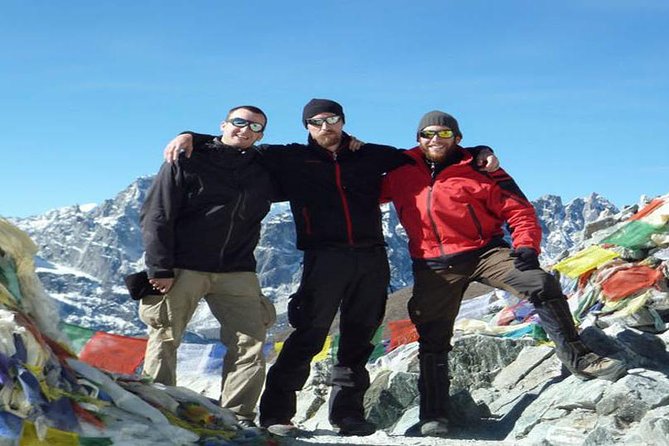
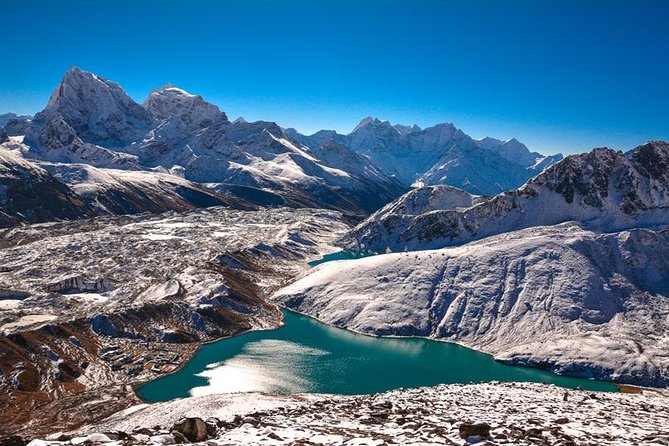
Your trek’s high point is Kala Pattar, around 5,545m. You’ll go early, around 5am, and the plan is to climb for the best visibility and that classic early-morning feel. This is where the Everest skyline becomes a real, physical thing. It’s also where you’ll have time at the top for photos and to simply take it in.
After that, you descend back to Gorak Shep for lunch and then continue down to Pheriche. This “go high, then recover” pattern is what keeps the trip from becoming one long suffering streak. It also helps you make it down with less damage to your energy.
Down Valley to Lukla: When Altitude Becomes a Relief
After Kala Pattar, the trek starts to feel more manageable. Not easy—just more manageable. You go back down through Tengboche and Namche, and the itinerary specifically notes that descending can make people feel better as they refill their lungs with oxygen.
This phase still includes long walking days, but the body shift is real: downhill helps your breathing and reduces the mental strain of constant uphill effort. You’ll get time to pass through Namche again, and there’s even a mention of shopping stops you may wish you made earlier.
On the last trekking day, you head back to Phakding via Monjo and then on to Lukla, aiming to arrive around 4pm. The tone here is practical: you’ll have time to wander, and it’s even noted there’s a Starbucks in Lukla. That small detail is funny, but it also gives you a sense of modern comfort showing up in a place people still associate with backcountry hardship.
Back to Kathmandu: Boudhanath and a Real Reset
From Lukla, you fly back to Kathmandu (weather permitting on the route plan). Then you get clean clothes and a real shower—something worth mentally scheduling because it’s not just comfort. It’s recovery.
You’ll also visit Boudhanath, noted as the largest Buddhist stupa in the world and a World Heritage site. This is a great capstone after the mountain trek because it returns you to Nepali culture in a calm, visual way. You’ll end with a group dinner to celebrate the trek’s finish, then fly out from Tribhuvan International Airport with time for any extra days you want to add.
Price and Value: What $2,051.48 Covers (and Why It Matters)
At $2,051.48 per person, the price can feel steep until you list what’s actually included. For this trek, you’re not just paying for a route. You’re paying for support and risk management.
What’s covered includes:
- All trek accommodation
- Flights to Lukla and return to Manthali (and guide travel too)
- National park permits, TIMS card, and municipal fees
- A trekking guide and porters, with their accommodation, food, wages, and insurance
- Medical supplies (first aid kit)
- Meals on the trek: you can choose food and tea for breakfast, lunch, and dinner while on the mountain portion
That means your money isn’t going only into walking days. It’s going into the parts that often cost extra and create stress: permits, flight logistics, staffing, and basic safety support.
What’s not included: Kathmandu meals and personal expenses, tips for guides and porters, and your insurance. That last one is important. Mountain trekking should always be covered by your own plan, because you’re making a big effort in a remote region.
Who This Trek Fits Best
This trip calls for moderate physical fitness and it’s built around realistic acclimatization. It’s also a private tour, so only your group participates. That’s a plus if you want a more controlled experience and less waiting around.
It’s well-suited for people who:
- want to reach Everest Base Camp and also see the Kala Pattar viewpoint
- appreciate a guide who can keep you moving safely through altitude and trail changes
- prefer not to manage all logistics alone (porters, permits, flights, and key transport are handled)
From the guide performance mentioned in participant feedback, I’d also say it suits mixed experience groups. Named guides like Vision Tamang and Biru are described as supportive, patient, and professional, including when the group includes different ages or mountain comfort levels.
Should You Book This Everest Base Camp Trek?
Book it if you want a guided Everest trek with a clear plan for altitude, not a casual trek where you guess your way through the hardest parts. The structure—Namche and Pheriche acclimatization, steady altitude gains, Gorak Shep timing, and Kala Pattar at the top—makes the day-to-day feel intentional.
Skip or rethink it if you’re not prepared for thin air and long walking days, even when the schedule includes rest days. This is still a mountain effort, and you’ll feel it around 3,440m onward, and more strongly as you approach 4,900m and above.
If your goal is a classic Everest Base Camp experience with good support, this is the kind of trip you’ll remember for the views and for arriving safely back down with your energy intact.
FAQ
What is the total duration of the Everest Base Camp trek?
It runs for about 17 days.
Where does the experience start?
It starts in Kathmandu, Nepal.
What time does the experience start?
The start time is 10:15 am.
Is pickup offered?
Yes, pickup is offered.
How do you travel between Kathmandu and Lukla?
You take a flight from Kathmandu to Lukla (about 40 minutes), and then a return flight later on (weather permitting on the return plan). Flights also include the guide travel.
What is the highest point on the trek?
Kala Pattar is the highest point on the route, at about 5,545m.
Are park permits and the TIMS card included?
Yes. National park permits, TIMS card, and other required fees are included.
What meals are included?
On the trek, breakfast, lunch, and dinner are included, and you can choose your food and tea options. Meals in Kathmandu are not included.
Are guide and porter services included?
Yes. A trekking guide and trekking porters are included, including accommodation, food, wages, and insurance.
What if I need to cancel?
You can cancel up to 24 hours in advance for a full refund. Changes within 24 hours aren’t accepted, and the experience may be canceled if a minimum number of travelers isn’t met (with an alternate date or full refund offered).