REVIEW · KATHMANDU
Langtang Trek from Kathmandu 7 Days
Book on Viator →Operated by My Dream Adventure (MDA) · Bookable on Viator
Seven days to Langtang’s high country. This trek is interesting because you move from Kathmandu to Tamang and Sherpa villages and then up into serious mountain country, with stops like Kyanjin Gompa that feel both spiritual and scenic. I like that the trail mixes culture with nature: mossy forest sections, rhododendron color in season, clear river views, and dramatic peak backdrops. One consideration: you still reach about 4,700 m on Kyajin Ri, so this isn’t for total beginners or anyone who hates going uphill.
What makes it easier to plan is that you get a prepared framework: pickup, permits, an English-speaking guide, and lodge stays along the way. I also like that the route is described as accessible for moderate fitness, which usually means fewer brutal surprises than the longest, hardest Himalayan routes. The main trade-off is that you’re on a schedule (including road travel each way), so you won’t be able to slow everything down on your own.
In This Review
- Key highlights worth planning for
- Langtang Valley’s sweet spot: culture, views, and a manageable trek length
- Price and logistics: what $410 covers (and what you still pay for)
- Your Kathmandu start: pickup, documents, and setting the pace
- Day-by-day: from Kathmandu to Syabrubesi and back with the Langtang story
- Day 1: Kathmandu to Syabrubesi (your first logistics win)
- Day 2: Syabrubesi to Lama Hotel (river and forest walking)
- Day 3: Lama Hotel to Langtang Village (moss, rhododendron, and village life)
- Day 4: Langtang Village to Kyanjin Ri (air gets crisper near the monastery)
- Day 5: Kyajin Ri summit day and the return toward Lama Hotel
- Day 6: Lama Hotel to Syabrubesi (the valley floor comes back)
- Day 7: Syabrubesi to Kathmandu (ending in Thamel)
- Lodges and the rhythm of high-country days
- Permits and TIMS: why the paperwork is part of the trek
- Guide and group setup: private trip, shared road travel
- Who this trek is best for (and who should think twice)
- Should you book this Langtang trek from Kathmandu?
- FAQ
- How long is the Langtang Trek from Kathmandu?
- What does the $410 per person price include?
- Are transfers included from Kathmandu?
- What kind of accommodation do I stay in?
- Do I need permits, and are they covered?
- What fitness level do I need?
- What documents do I need to provide?
- Is cancellation free?
Key highlights worth planning for
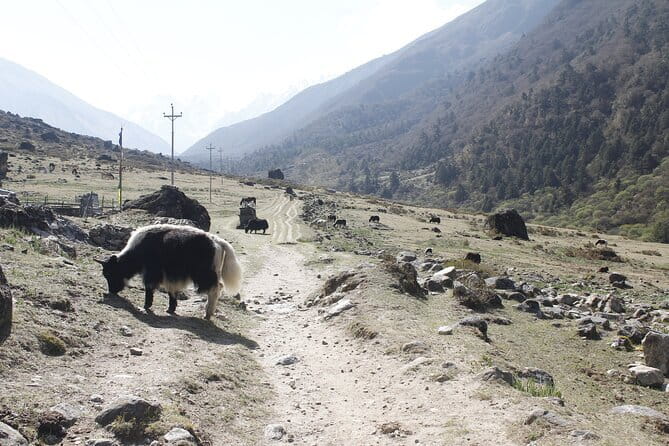
- Tamang and Sherpa villages along Langtang Valley give you daily life, not just scenery
- Dense forest and rhododendron sections make the lower elevations feel alive and shaded
- Kyanjin Gompa around 3,800 m combines monastery atmosphere with mountain views
- Kyajin Ri summit near 4,700 m is the big altitude moment for the week
- English-speaking guide plus permits keeps the paperwork from becoming your side quest
- Hotel pickup and road transfers make the trek easier to start and finish smoothly
Langtang Valley’s sweet spot: culture, views, and a manageable trek length
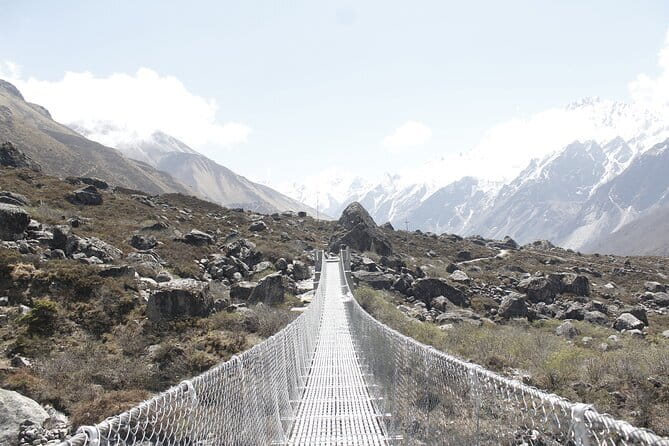
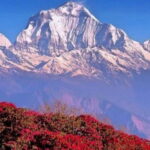
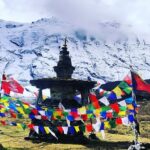
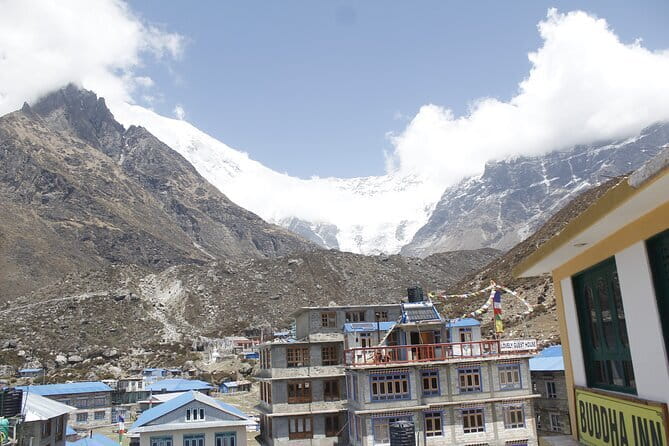
Langtang is one of those Himalayan regions that rewards you for paying attention. The valley walk doesn’t just point at mountains; it carries you through everyday Nepal. In the villages around Langtang Valley, you’re in Tamang and Sherpa country, where monasteries, prayer flags, and local hospitality feel woven into the trek rather than tacked on.
That matters because a 7-day itinerary can go two ways: either you feel rushed and tired, or the week has time to feel human. This one leans toward the second. You get a gradual sense of ascent through forest, then higher terrain with sharper air and bigger panoramas. You’re not trying to win a “most extreme trek” contest. You’re here for a clear trek story you can actually follow.
You can also read our reviews of more tours and experiences in Kathmandu.
Price and logistics: what $410 covers (and what you still pay for)
The listed price is $410 per person for about 7 days. For that, you’re not just buying a route; you’re buying organization. You get:
- hotel pickup and drop-off
- round-trip transfer by sharing local bus
- trekking permit and TIMS card
- an English-speaking trekking guide
- lodge accommodation
- a private trip (your group only)
What’s not included is your personal expenses. That’s the one line that usually hides the real-world costs: snacks, drinks, extra hot drinks, laundry, and anything you feel like buying along the way. The trek itself is run with permits and guiding handled, which is exactly what you want when you’re also trying to enjoy the mountains.
As a value check, this itinerary is fairly “complete.” You’re covered on permits and the guide, and your lodging is handled in advance. The two things you’re still responsible for are your own spending habits and getting your documents to the organizer quickly.
Your Kathmandu start: pickup, documents, and setting the pace
This trek begins in Kathmandu with pickup. That’s useful because you avoid the awkward first-day scramble of figuring out transport while also trying to stay calm and well-fed.
Before you go, you’ll need your passport details and a photo (a selfie works) to issue the trekking permit. That part is not glamorous, but it’s important. Nepal permits can’t be improvised last minute. If you’ve got your paperwork ready early, the whole experience feels less stressful.
The other practical piece is your fitness target. This trek is designed for moderate physical fitness. That doesn’t mean it’s easy, especially when you’re moving at higher altitude. It means the route is paced so you can keep going without feeling like you’re constantly fighting the terrain.
Day-by-day: from Kathmandu to Syabrubesi and back with the Langtang story
Below is how the week tends to feel, stop by stop, and what to watch for.
Day 1: Kathmandu to Syabrubesi (your first logistics win)
Day 1 is mostly travel: a road journey out of Kathmandu and a night in Syabrubesi at Hotel Garden inn Shyfru Bensi. The timing is about 7 hours.
I like day one because it lets you get your bearings without pretending you’ll hike big on arrival. You’ll be thinking about what to wear, how your legs feel, and how quickly you need to rest before the trail work begins.
Possible drawback: you’re spending a full day on the bus. If you’re the type who gets stiff easily in vehicles, bring layers you can adjust and plan short stops for getting your body moving.
Day 2: Syabrubesi to Lama Hotel (river and forest walking)
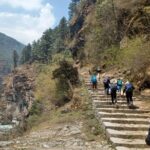
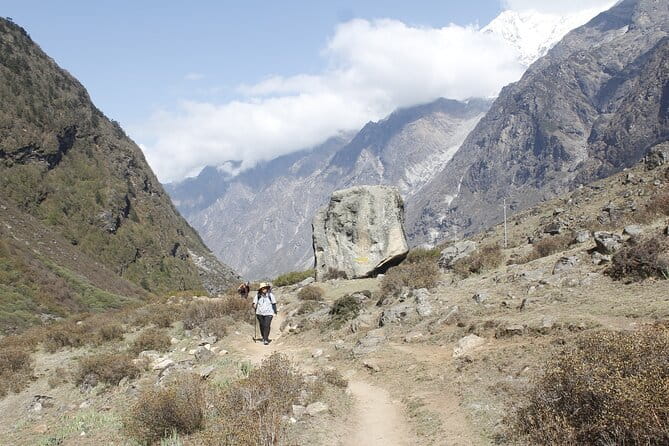
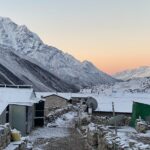
On day 2 you head toward Lama Hotel, walking for around 6 hours. The trail runs alongside the Langtang Khola, so you get frequent glimpses of the river and rushing water, plus lush greenery.
This is the day where the valley starts to feel like a place, not a postcard. Expect dense forets and the kind of shade that keeps your pace steady. It’s also a good time to settle into your hiking rhythm: small breaks, steady steps, and not going too hard just because the scenery looks easy.
Day 3: Lama Hotel to Langtang Village (moss, rhododendron, and village life)
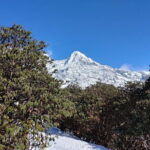
Day 3 is about 6 hours and takes you to Langtang Village. You’ll hike through forests with moss-covered trees and, when in season, bursts of rhododendron blooms.
This is also where the trek becomes more social. In villages, the trek is less about “moving through” and more about encountering. You pass monasteries and get a closer look at local life. The result is that the day feels grounded, even while you’re moving upward.
One consideration: village trekking can involve slower walking sections, depending on the trail and foot traffic. It’s rarely a problem, but it does change how fast you feel like you’re progressing.
Day 4: Langtang Village to Kyanjin Ri (air gets crisper near the monastery)
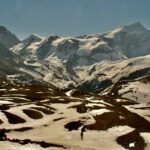
Day 4 is again around 6 hours, and you go higher toward Kyanjin Ri. You’ll feel the air grow crisper with each step, and you’ll spot Kyanjin Gompa, a Buddhist monastery, around 3,800 meters.
This stop is a highlight because it combines two things at once: a spiritual setting and big views of the rugged terrain. When you reach places like monasteries at high altitude, the air and stillness can make the whole area feel more serious. You tend to slow down without being told to.
Practical note: if you’re sensitive to altitude, this is where you pay attention to breathing and pace. Don’t chase speed; chase comfort.
Day 5: Kyajin Ri summit day and the return toward Lama Hotel
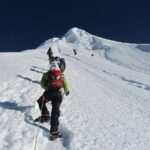
Day 5 includes the push toward the summit of Kyajin Ri, with the top listed around 4,700 meters. After that, you continue the day to Lama Hotel for your overnight, with about 6 hours of hiking time.
This is the altitude day. Even if you feel fine, treat it like a big day: take it slow, drink water regularly, and accept that your body may feel a little different. The payoff is the kind of panoramic view that makes the week feel real.
Possible drawback: if you’re expecting a relaxed stroll to a viewpoint, this is not that. It’s a summit moment, and your legs will know about it afterward.
Day 6: Lama Hotel to Syabrubesi (the valley floor comes back)
Day 6 is a descent back toward Syabrubesi, typically taking about 5 to 6 hours. You’ll move through lush forests, streams, and local areas on the way down.
I like the return trail because it changes the way you see the valley. What looked steep going up can feel like open space on the way down. You also get a bit of emotional relief: you’ve made it through the hardest altitude portion, and now you’re just finishing the story.
Care tip: downhill can be harder on knees and shins than uphill for some people. Plan short breaks and don’t let speed tempt you into awkward steps.
Day 7: Syabrubesi to Kathmandu (ending in Thamel)
The final day is a drive back to Kathmandu, around 7 to 8 hours, with breaks for stretching. You finish in Thamel.
Thamel is helpful as a landing zone. After days in the mountains, you want a place where you can eat easily, buy basic gear if you forgot something, and share your trek memories without needing a second itinerary.
If you’re sensitive to fatigue, schedule a low-effort evening in Kathmandu. You’ll likely be tired in that deep, satisfied way.
Lodges and the rhythm of high-country days
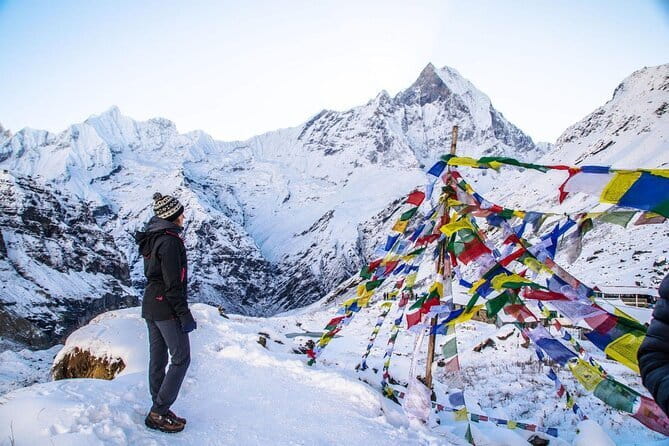
Lodge accommodation is included, which matters a lot. Trekking gets easier when you’re not constantly negotiating where to sleep and whether there’s heat, hot water, and enough food nearby.
What you can’t assume is that every lodge will feel identical day to day. What you can assume from this kind of trek format is that you’ll follow a predictable pattern: walk in the day, rest and recover at night, then repeat.
A good strategy is to keep your expectations simple. Think warm layers, a dry-ish sleeping plan when possible, and good sleep when you can get it. Sleep quality affects everything, including how you handle altitude and how strong you feel on the summit push.
Permits and TIMS: why the paperwork is part of the trek
Trekking permit and TIMS card are included, which saves you from figuring out Nepal’s permit process while you’re excited and distracted.
You still need to send passport details and a photo to issue the permit. That’s normal for Nepal trekking. If you’re traveling from outside Nepal, do it early so there’s no last-minute rush. Once that’s done, the trek feels more like a trip and less like admin work.
Guide and group setup: private trip, shared road travel
This is described as a private trip, meaning only your group participates. That’s a big deal if you want control over pace and fewer social distractions.
At the same time, you’ll use sharing local bus for transfers. That’s a common trade-off in Nepal: you get an organized trek experience, but you’re still part of the regional travel system on the road. It’s fine, just don’t expect a private vehicle for the transfer portion unless that’s stated elsewhere.
An English-speaking trekking guide is included. That helps with more than comfort. It also helps you understand what’s coming next, why the route is structured the way it is, and how to handle timing at higher elevations.
Who this trek is best for (and who should think twice)
This Langtang Trek from Kathmandu fits best if you want:
- a classic Langtang Valley route with village and monastery moments
- big viewpoints without committing to the longest, most punishing Himalayan itineraries
- a moderate-fitness trek that still includes an altitude summit day
You should think twice if:
- you’re not comfortable with altitude around 4,700 m
- you dislike being on a set schedule for multiple days
- you hate road travel days as much as hiking days
If you’re a first-time Himalayan trekker, this can work well because the itinerary is set up to guide you through stages: lower forest walking, higher monastery territory, then a summit push, and a clear descent back down.
Should you book this Langtang trek from Kathmandu?
I’d book it if you want a guided, organized Langtang week where the culture is part of the route and the logistics are handled: permits, guide, lodge stays, pickup, and transfers are all included. The $410 price feels reasonable for what’s covered, especially since the trek is designed for moderate fitness and hits major highlights like Langtang Village, Kyanjin Gompa, and the Kyajin Ri summit.
I wouldn’t book it if your priority is a super low-altitude trek or if you’re hoping for no uphill effort at all. This is still real trekking, and the summit day at around 4,700 m is the moment that defines the whole trip.
FAQ
How long is the Langtang Trek from Kathmandu?
The trek is about 7 days (approx.).
What does the $410 per person price include?
It includes hotel pickup and drop-off, round-trip transfer by sharing local bus, trekking permit and TIMS card, an English-speaking trekking guide, lodge accommodation, and a private trip.
Are transfers included from Kathmandu?
Yes. You get hotel pickup and drop-off, plus round-trip transfer by sharing local bus.
What kind of accommodation do I stay in?
You stay in lodges during the trek.
Do I need permits, and are they covered?
Yes, you need a trekking permit and a TIMS card, and both are included.
What fitness level do I need?
You should have moderate physical fitness level.
What documents do I need to provide?
You need passport details and a photo to issue the trekking permit (a selfie also works).
Is cancellation free?
Yes. You can cancel up to 24 hours in advance for a full refund. If you cancel less than 24 hours before, the amount paid is not refunded.