REVIEW · KATHMANDU
Manaslu Circuit Trek
Book on Viator →Operated by Nepal Guide Treks and Expedition P. Ltd. · Bookable on Viator
Manaslu feels like Nepal without the crowds. This 19-day circuit focuses on big mountain moments and calm hiking, with Larkya La Pass (5,135m) as the high point and Tibetan-influenced villages along the way. The trade-off is winter-style snow can make the pass day tougher, and heavy snowfall can change the plan.
I like how the trekking support stays human-sized, with a team that includes a guide such as Pradip or Sonam Sherpa and porters like Karma or Rabin handling the heavy load. You also get 4 nights of Kathmandu comfort before and after, plus a welcome and farewell dinner that helps your trip feel properly set up.
One more practical note: this is a permit-heavy, high-altitude trek that needs planning and pacing. If you’re not comfortable walking 5–6 hours a day and managing altitude slowly, you’ll feel it more than you need to.
In This Review
- Key highlights I’d circle on your shortlist
- Why Manaslu Feels Quieter Than the Usual Nepal Picks
- Kathmandu: Those 4 Nights Before and After Are Not Just Padding
- Permits and Conservation Areas: The Paperwork Is Actually Part of the Trek
- The Trek Pace: 5–6 Hours a Day, Light Private Backpack
- From Low Altitude Forest to High Alpine: What Changes as You Climb
- Culture on the Trail: Tibetan-Style Villages and Real Local Life
- Larkya La Pass (5,135m): The Day That Makes or Breaks the Schedule
- Tea Houses and Food: Basic, Practical, and Usually Familiar
- Guides, Porters, and a Group Size That Matters
- Price and Value: What You Pay $1,955 For (and What You Don’t)
- When to Go: Clear Views in Autumn and Spring, Fewer Crowds in Winter
- Who This Trek Suits Best (and Who Should Rethink It)
- Should You Book This Manaslu Circuit Trek?
- FAQ
- Where do I meet the group in Kathmandu?
- How long is the Manaslu Circuit Trek?
- What’s the highest point on the trek?
- Is this trek technical mountaineering?
- What permits are included?
- What’s included for food and lodging?
- What time of year is best for good weather?
- What’s not included in the price?
- What’s the cancellation window for a full refund?
Key highlights I’d circle on your shortlist
- Larkya La Pass at 5,135m: the defining day, with real snow-and-weather variability
- Manaslu + Annapurna conservation permits: MCAP plus ACAP permits are built into the cost
- Quieter trails: the circuit is less crowded than the big-name treks, so the hiking feels more remote
- Tea houses that are repaired post-earthquake: the route uses restored, re-equipped overnight options
- Side treks in a few hours: you get room to add short excursions without wrecking your schedule
- Small groups (max 15 people): easier coordination for guides and better control on acclimatization
Why Manaslu Feels Quieter Than the Usual Nepal Picks
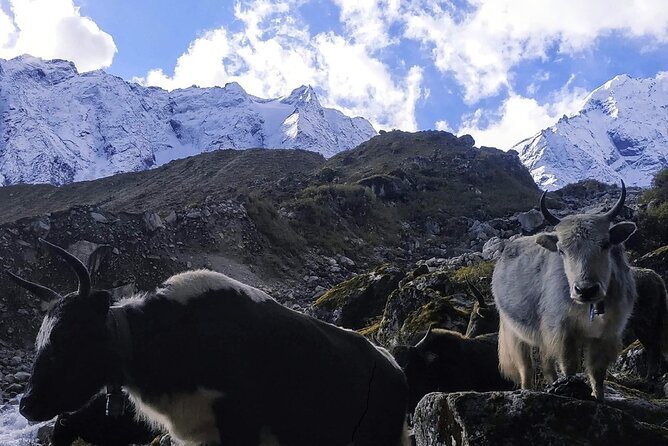
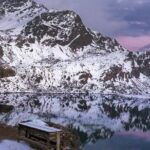
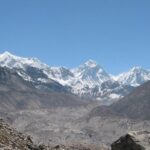
Manaslu Circuit Trek is one of those routes that doesn’t chase attention. It sits in a midwest Himalayan region where the trails are described as tranquil compared to more famous treks like Everest Base Camp or Annapurna Base Camp.
That matters because the days don’t feel like checklists. You’re walking long enough to notice details—how the villages change, how the air tightens as altitude rises, and how quickly the scenery shifts once you leave the lower belt.
You can also read our reviews of more tours and experiences in Kathmandu.
Kathmandu: Those 4 Nights Before and After Are Not Just Padding
You’re not just flying in and immediately hiking. The trek includes 4 nights in Kathmandu before and after, plus a welcome and farewell dinner, which helps you acclimate in a gentle way before you head for the trail.
In Kathmandu, the plan uses three-star categorized hotels/resorts in major cities, and they can adjust based on preferences. If you’re coming in from far away, that comfort base is a real value. It gives you a place to eat normally, sort gear, and sleep like a human.
Also, pickup is offered with a start listed at Tribhuvan Airport, 9:45am. If you’re the type who hates last-minute chaos, that kind of defined start time reduces stress.
Permits and Conservation Areas: The Paperwork Is Actually Part of the Trek
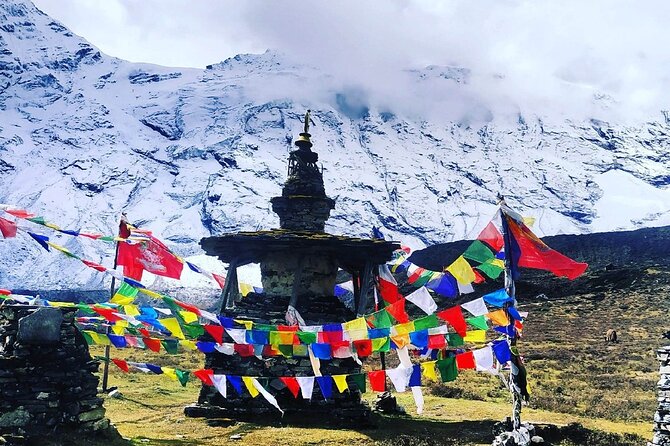
This trek covers the Manaslu Conservation Area Project (MCAP) and the Annapurna Conservation Area Project (ACAP). The important bit for you: the permits are listed as included, along with the necessary taxes/vats and “paper works.”
On a trek like this, permits aren’t a minor footnote. They help determine what areas you can access and how the route is managed. Getting them handled for you means you can focus on pacing, food, and acclimatization instead of paperwork errands.
The Trek Pace: 5–6 Hours a Day, Light Private Backpack
Manaslu Circuit Trek is described as moderately strenuous, and the daily walking is generally 5/6 hours. The plan expects you to carry a light private backpack while the porters handle the required load.
I like this style because it’s demanding without being exhausting. You still earn your altitude, but you’re not fighting a heavy pack all day. If you’re preparing, aim for daily hiking-style exercise before you go, since the route climbs steadily up to the high pass.
No mountaineering technical skills are required. Still, previous short trekking experience helps, mainly because you’ll understand how to keep a slow, consistent rhythm.
From Low Altitude Forest to High Alpine: What Changes as You Climb
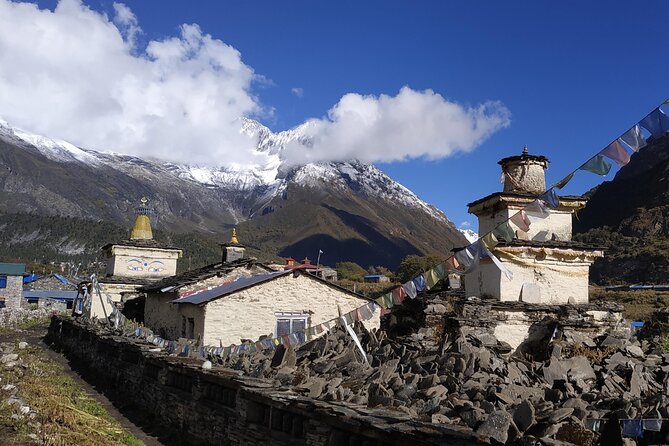
One of the most useful things to know is how the trail profile is described. It starts from very low altitudes and gradually gains altitude until Larkya La Pass (5135m).
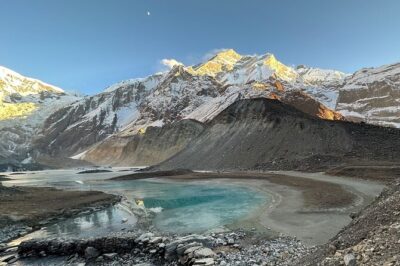
You’ll move through different environments—subtropical dense forest early on, then more alpine conditions as you rise. If you’re coming from a flat climate, this shift can be a bigger mental adjustment than your legs at first.
There’s also a built-in variability: sometimes the pass area can have massive snow walls, and sometimes it can be easier with less snow. That’s why slow movement is emphasized, and why altitude sickness prevention matters more than speed.
Culture on the Trail: Tibetan-Style Villages and Real Local Life
Manaslu isn’t only about high points. It’s also pitched as a chance to explore an isolated region with a cultural experience shaped by local inhabitants and traditional villages with Tibetan culture.
This is where the trek becomes more than scenic walking. You get the daily rhythm of rural life—where villages are spaced out, where food choices reflect what the tea houses cook well, and where the trek feels rooted in place rather than built for cameras.
The trek also allows side trips “within a few hours,” which is a great option if you want a short break from the main circuit route. It’s also helpful for photos, curiosity stops, or just stretching your legs without committing to a major detour.
Larkya La Pass (5,135m): The Day That Makes or Breaks the Schedule
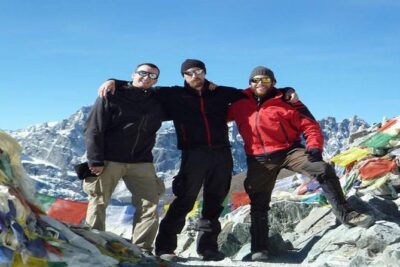
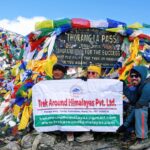
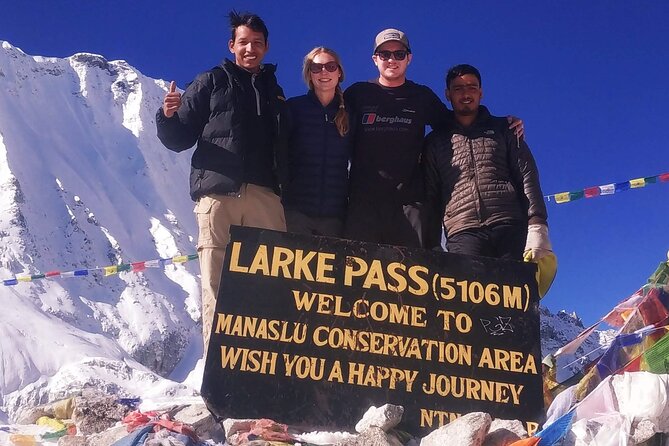
Let’s talk honestly about the pass day. Larkya La Pass is at 5,135 meters, and that height alone is enough to make pacing a non-negotiable. Even with good guidance, weather and snowfall can make the crossing harder—or sometimes impossible.
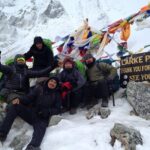
That variability isn’t theoretical. One departure outcome shared was that the group didn’t cross Larkya La pass due to heavy snowfall, even though the trek continued and still delivered amazing scenery from roughly 1400m to 4500m. So plan for a reality where “the pass” is a goal, not a guarantee.
What you can control is your approach: slow and steady walking, smart rest, and treating altitude sickness prevention as part of the plan. The trek instructions specifically stress that prevention is better than cure.
Tea Houses and Food: Basic, Practical, and Usually Familiar
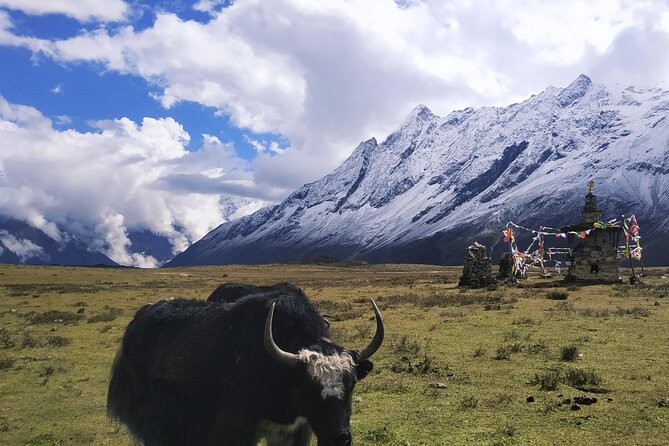
Tea house trekking is a style of comfort you’ll want to understand before you go. Lodging is described as tea houses along the route, and the plan states these tea houses were well restored and repaired after earthquake aftermaths and are re-equipped.
Expect meals to be included during trekking: breakfast, lunch, and dinner. Food options in tea houses can vary by menu and altitude, and the plan says you can choose things like Nepali, Tibetan, Indian, Continental, and Italian dishes.
The “basic” part shows up in how simple the rooms and dining setup can be. One practical note from experience shared is that tea houses often end up with similar menus because training and staffing are consistent across the region. In plain terms: don’t expect a fine-dining surprise—do expect hot food, a warm-ish place to eat, and a bed you can sleep in.
Guides, Porters, and a Group Size That Matters
This trek runs with a highly experienced guide and the required number of porters. The staff food, clothing salary, and insurance are included, and you’re encouraged to tip/gratitude staff separately (not included).
The quality of this kind of trek is often invisible until you need it. Having a guide who knows the route and the altitude rhythm helps you adjust when the weather turns. Support also matters on the pass day, when conditions might shift quickly.
Across multiple shared experiences, guides were named such as Pradip, Dorji, Dendi, Sonam, and Ang Dawa, with porters mentioned like Min (guide’s brother in one account), Karma, and Rabin. That range tells me the company uses a team approach rather than a single-person show.
Group size is capped at 15 people, which usually keeps schedules realistic and acclimatization manageable. If you hate being delayed by too many walkers, that cap helps.
Price and Value: What You Pay $1,955 For (and What You Don’t)
At $1,955 per person, you’re paying for a lot of the high-cost parts people forget to budget: permits (Manaslu region and ACA), taxes/vats, meals during trekking, and tea house lodging.
You also get 4 nights before and after in Kathmandu, including a welcome and farewell dinner. Add in an experienced guide, porters, and staff insurance, and the price starts to make sense as a “full service” package rather than just a route with a map.
What’s not included is just as important for your budget planning:
- personal nature expenses
- bar bills and drinks
- rescue and evacuation
- tipping/gratitude for staff
If you’re the type who drinks a lot of bottled beverages, buys many snacks, or expects to rely on rescue insurance beyond what’s arranged, your real out-of-pocket can rise. If you keep spending under control, the package feels more straightforward.
When to Go: Clear Views in Autumn and Spring, Fewer Crowds in Winter
The trek has a seasonal rhythm. The best time for clear weather and mountain views is listed as:
- Autumn: September, October, November
- Spring: March, April, May
If you’re chasing fewer people on the trail, December, January, and February are suggested as options. You’ll trade crowd reduction for colder conditions and the potential for light snowfall—one shared account mentions off-season trekking with light snowfall and very low tourist presence.
Monsoon season (June, July, August) is described as ruined by rains, which is a strong signal that footing and visibility may suffer.
Who This Trek Suits Best (and Who Should Rethink It)
You’ll likely enjoy Manaslu Circuit Trek if you:
- can walk about 5–6 hours per day
- want a remote, less crowded Himalayan circuit
- like cultural village days alongside altitude days
- are comfortable with tea house basics and simple lodging
You might want to rethink or plan extra carefully if you:
- struggle with altitude in general
- can’t commit to slow pacing and regular daily movement
- aren’t willing to accept that snow could affect the pass crossing
Even though technical climbing isn’t required, this is still an adventure trek. You’re going high enough that altitude management is a core part of success.
Should You Book This Manaslu Circuit Trek?
If your dream is a quieter trek, real cultural villages, and a high pass that delivers a real sense of accomplishment, this one fits. The package value is strong because it includes meals, tea house lodging, permits (MCAP + ACAP), and the guide/porter team—plus Kathmandu stays before and after.
My caution is simple: take the pass day seriously. Snow conditions can change outcomes, and the plan may adjust. If you go in expecting flexibility and pacing, you’ll get the best of Manaslu: big views, calm trails, and villages that feel far from the typical tourist trail.
FAQ
Where do I meet the group in Kathmandu?
You start at Tribhuvan Airport in Kathmandu, Nepal. The listed start time is 9:45 am.
How long is the Manaslu Circuit Trek?
The duration is listed as approximately 19 days (19 days 6 hours 2 minutes, approximate).
What’s the highest point on the trek?
The trek includes a crossing of Larkya La Pass at 5,135 meters.
Is this trek technical mountaineering?
No technical mountaineering skills are required for this trek. Previous short trekking experience is suggested, but it is mainly a walking trek.
What permits are included?
The package includes special permit for the Manaslu region and ACA permits (Annapurna Conservation Area permits), plus necessary taxes/vats and paperwork.
What’s included for food and lodging?
You get 4 nights in Kathmandu before and after the trek with welcome and farewell dinner. During the trekking period, all meals (breakfast, lunch, dinner) and tea house lodge accommodation are included.
What time of year is best for good weather?
Autumn (September to November) and spring (March to May) are listed as best for clear, sunny conditions. December to February is also possible if you want fewer crowds, while monsoon (June to August) is described as rainy.
What’s not included in the price?
Not included are personal nature expenses, bar bills and drinks, rescue and evacuation, and gratitude/tipping for staff.
What’s the cancellation window for a full refund?
You can cancel up to 24 hours in advance for a full refund. If you cancel less than 24 hours before the start time, the amount paid is not refunded.