REVIEW · CUSCO
5 Day – Salkantay trek to Machu Picchu – Group Service
Book on Viator →Operated by Valencia Travel Agency S.a.c. · Bookable on Viator
High passes, cold mornings, and sunrise at Machu Picchu. This Salkantay trek blends snowy peaks with cloud forest and ends with a guided first look at the Inca citadel. I love that you get real lift-and-shift support, including hotel pickup and camping gear already covered. One heads-up: the camping areas on days 2 and 3 can feel simpler than you might picture.
The best part is how much your guide shapes the trip. People have specifically praised guides like Aldo and Victor for clear, friendly English plus Inca culture stories that make the long walk feel less repetitive. And when the chef and crew show up ready, meals become part of the adventure, not just fuel.
You’ll be hiking at altitude. The high pass, Huayracpunco, hits 15,200 ft / 4,650 m, with a chance of snow, so you need stamina and a calm head. The good news is extra oxygen and a first-aid kit are included, but you should still plan to take acclimatization seriously.
In This Review
- Key things to know before you go
- Cusco to Mollepata: why that early bus day matters
- Day 1: Cruzpata lunch views over Humantay and Salkantay
- Day 2: Huayracpunco 15,200 ft pass and the cloud forest drop
- Day 3: La Playa at 2,500 m, Lluskamayo crossings, and optional hot springs
- Day 4: Llactapata viewpoint for Machu Picchu, then the drop to Aguas Calientes
- Day 5: Sunrise gates, a guided citadel walk, and real free time
- Guides, crew, and why meals + gear change the whole trek
- Price and value: what $650 buys beyond the hike
- Gear, fitness, and how to plan for 5 days of altitude reality
- Who this Salkantay group trek fits best
- Should you book this trek to Machu Picchu via Salkantay?
- FAQ
- What time does the tour start on day 1?
- Do I get hotel pickup and transportation included?
- Is Machu Picchu entrance included?
- Are meals included during the trek?
- Is there a vegetarian option?
- What is the single supplement fee?
Key things to know before you go
- A 5:00 am start kicks off the trip early from Cusco, so you’re already moving while other people are still waking up.
- Huayracpunco at 15,200 ft is the physical centerpiece, with views right between Salkantay and Tucarhuay.
- Cloud forest to jungle shifts fast across the days, so you’ll feel temperatures and vegetation change in a hurry.
- Hot-spring time is built in at La Playa, with another optional soak in Aguas Calientes (10 soles).
- Gear handling is the point: horsemen/mules carry camp kit, and you only carry roughly 7 kg of personal weight.
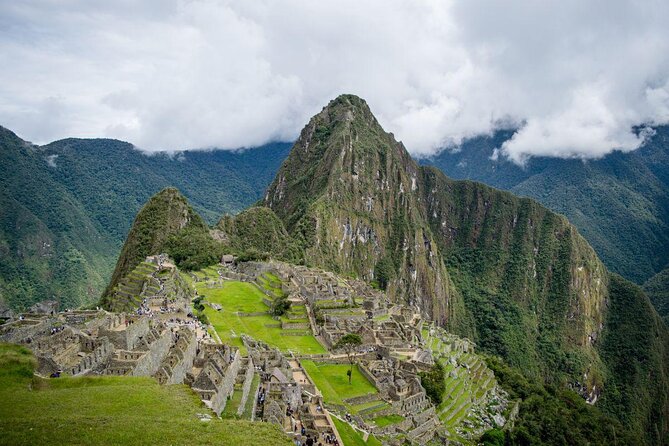
- You reach Machu Picchu for sunrise with early gate entry and a guided walk, then time to explore on your own.
Cusco to Mollepata: why that early bus day matters
This trek is designed around one key idea: start early, avoid wasting energy later. On day 1 you’re picked up at 5:00 am and ride by bus to Mollepata. That means you’re not burning your best daylight on logistics, and it sets you up for a first hike that starts while the air is still cool.
You’ll also see a “support” stop included before the trekking proper heads toward the first campsite (Soraypampa). It’s the kind of small, practical detail that reduces stress. At altitude, I’d rather have those check-in moments than improvise when you’re tired.
If you’re the type who needs a relaxed start, this day can feel like a sprint. But it’s also one of the smartest parts of the whole package. You’ll get to move, acclimatize, and build momentum before the pass day.
You can also read our reviews of more tours and experiences in Cusco.
Day 1: Cruzpata lunch views over Humantay and Salkantay
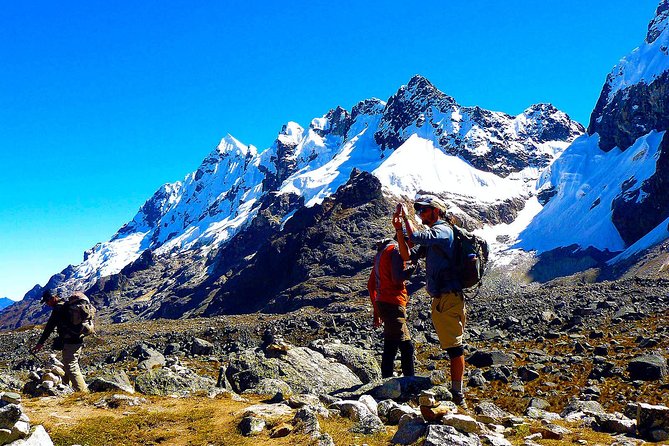
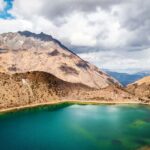
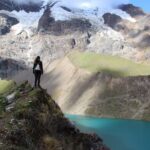
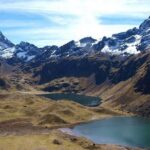
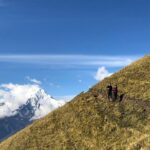
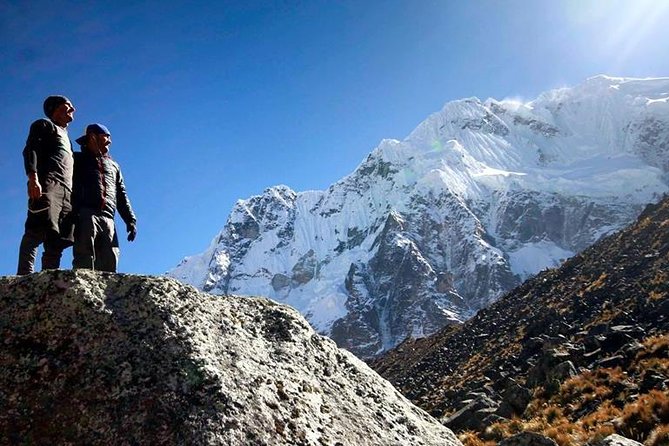
Day 1’s hiking highlight is a 3-hour trek to Cruzpata, timed so you can enjoy lunch with wide views of Humantay (4,120 m) and Salkantay (6,271 m). This is the “wow, Peru is huge” moment. Even if you’ve seen photos, standing there while the mountains loom is different. The air can be crisp, the light can be sharp, and you’ll get the sense of why people call this area sacred.
After lunch, you transition toward Soraypampa, your first campsite. This part is less about a big summit push and more about getting your body into rhythm. The walk itself is long enough to be meaningful, but the day isn’t trying to crush you before you’re ready.
Practical drawback: because you start so early, day 1 relies on you being organized with layers, water, and snacks. If you show up underpacked, you’ll feel it fast. If you come prepared, it feels like the calm opening act before the bigger altitude days.
Day 2: Huayracpunco 15,200 ft pass and the cloud forest drop
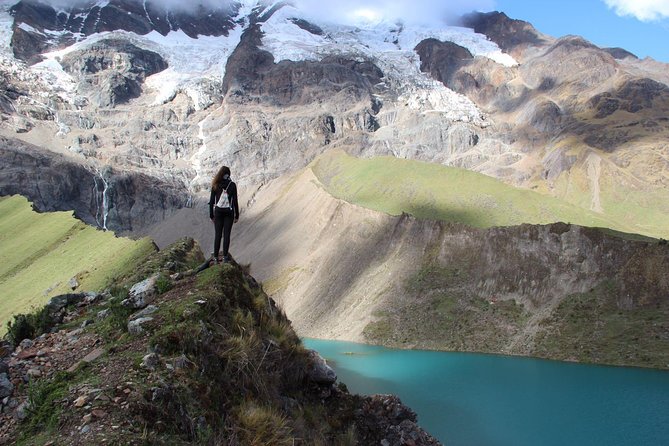
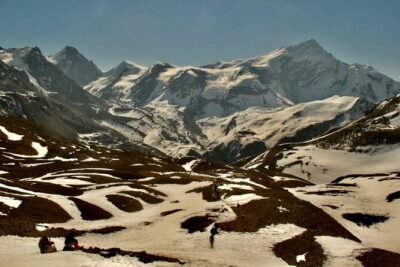
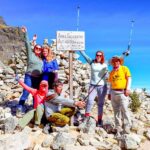
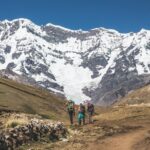
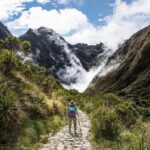
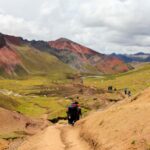
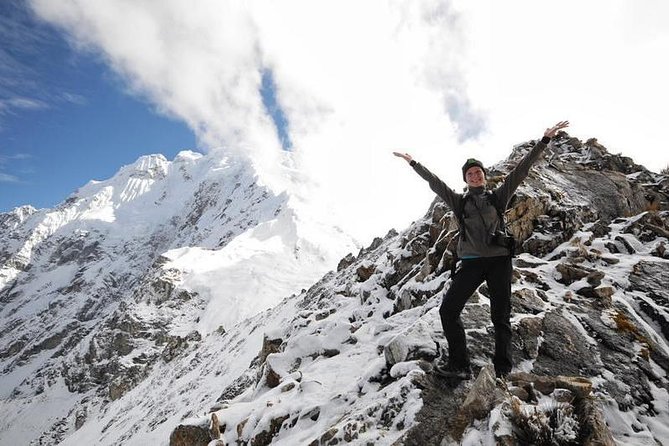
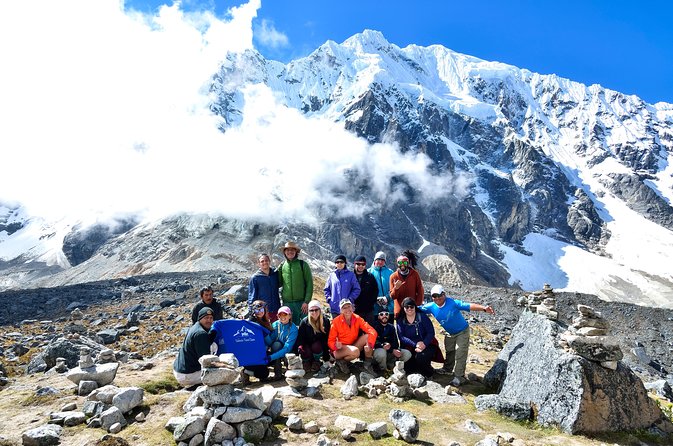
Day 2 is the big test day. After breakfast around 5:30 am, you hike up to Huayracpunco (4,650 m / 15,200 ft), the highest pass on this trek. It sits roughly halfway between Salkantay and Tucurhuay, and the views at that height are the reason you trained. The walk up can be steady but serious, and there’s a real chance of snow.
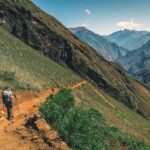
Then you shift gears fast. You head downhill toward Huayracpunku, also called Huayracmachay, moving through a dramatic cloud forest zone. This is where the trek starts to feel like a nature journey, not just a challenge. Mists can roll in, temperatures shift, and the air can smell different under the trees.
After lunch, you hike about 3 hours toward the jungle until you reach Colcapampa (3,000 m). Depending on pace, you might camp at other nearby sites, but the theme is the same: you’re dropping from the cool highlands into warmer vegetation.
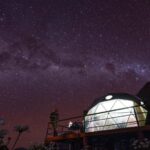
Camping note (important): camps on days 2 and 3 are part of the feedback loop. Some people expected something more comfortable. If you’re the kind of person who needs pristine conditions to sleep, manage expectations now. The trade-off is that you’re getting the full Salkantay experience, not a “glamping” version of it.
Day 3: La Playa at 2,500 m, Lluskamayo crossings, and optional hot springs
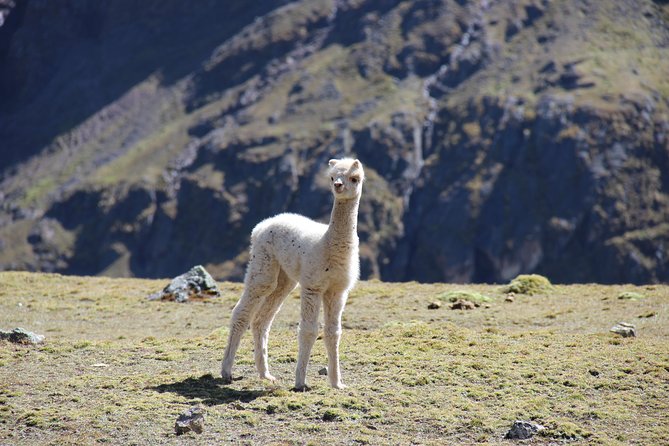
Day 3 starts around 6:30 am with trekking through the upper jungle and a crossing over the Lluskamayo River via small brooks and creeks. You’ll be moving between valleys, and the details change again: waterfalls, tropical fruits, and plants start showing up in a more obvious way.
This is one of my favorite parts of the whole route, because it breaks the “high pass” monotony. You still hike, but you’re also watching the world shift around you. In places, it can feel like the trek is teaching you how ecosystems stack vertically in Peru.
By camp time you’ll settle at La Playa (2,500 m), described as warmer climate. After a rest, there’s time to enjoy the hot springs here. It’s optional, but it’s also the kind of reward that makes tomorrow’s walking easier. After cold mornings and wet cloud days, warm water can feel like cheating.
If you’re prone to sore knees, this day’s mixed terrain can be a blessing because you’re not always grinding uphill. But you still need solid footwear and a steady pace, especially after river crossings.
Day 4: Llactapata viewpoint for Machu Picchu, then the drop to Aguas Calientes
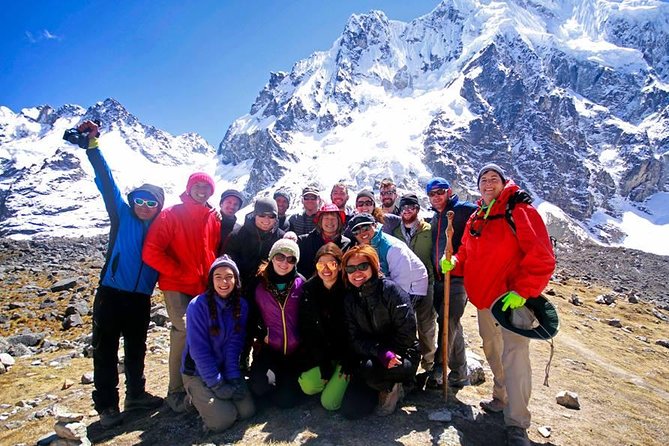
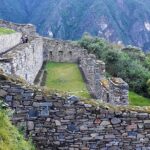
Day 4 is about earning your first view of Machu Picchu again, this time from an Incan viewpoint. After breakfast around 6:30 am, you hike to Llactapata with a steady 3-hour climb. Llactapata is an Incan fort area where you can see Machu Picchu. Even if you’ve mentally mapped the mountain, this angle adds a fresh layer of awe.
Once you’ve taken photos and caught your breath, you go downhill for about 2 hours. You pass plantations where coca and bananas are grown, then continue to the Hydroelectric dam for lunch. From there it’s a couple more hours to Aguas Calientes, where you sleep for the night.
What I like here: you’re not just moving; you’re traveling through working landscapes. The trek ends up connecting Machu Picchu to the lives around it. What can surprise people is that you’re not walking alone in a perfect blank wilderness bubble. You’ll see people and activity along the way. That can be a drawback if your expectation was total solitude, but it’s also part of how reality works here.
Optional upgrade on comfort: in Aguas Calientes, hot springs are available, with entrance listed at 10 soles.
Day 5: Sunrise gates, a guided citadel walk, and real free time
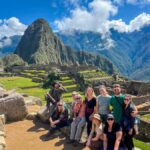
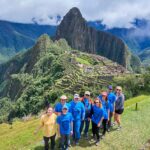
Day 5 is the payoff day. You wake early, then your guide picks you up from your hotel at 5:40 am for the short bus ride to Machu Picchu’s gates for sunrise viewing. Early mornings are not glamorous, but they’re how you get that first light on the ruins.
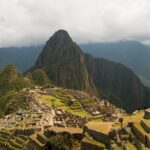
After entering, you’ll do a guided walking tour of about two hours through the citadel complex. This is where a good guide earns their pay: the routes make sense, key areas aren’t just random stones, and you can understand how people once moved through this space.
Then you get free time to explore. That matters because Machu Picchu is not a single highlight. It rewards wandering at your own pace, returning to angles you like, and taking breaks when you need them.
One practical tip: plan for crowds and temperature swings. Even with sunrise, mornings can cool down fast, and walking inside the site means you’ll want layers ready.
Guides, crew, and why meals + gear change the whole trek
This is a camping trek, but it isn’t a rough-it-by-default setup. You get a professional bilingual guide plus an assistant guide. A cook is included too, and the crew setup includes a dining tent with tables and chairs. That sounds small, but on day 2 or day 3, being able to sit down and eat properly can feel like a lifesaver.
Meals get a lot of praise in the feedback you shared, including mentions of cooks such as Cirilo, Gregorio, and Wilfredo. The common theme is that food isn’t minimal. It’s substantial enough to keep you moving, which is key on a trek where your pace depends on consistent energy.
Gear is handled with tents and sleeping mattresses, plus horsemen and mules for carrying camping equipment. You also have support for your personal load: a porter allowance is listed as around 7 kg, and the team also notes mules/horsemen carrying about 8 kg of tourist belongings. Either way, the point is clear. Your pack should not be the limiting factor.
Vegetarian food is available if you tell the operator when booking. If you have dietary needs beyond vegetarian, you’ll want to confirm details early.
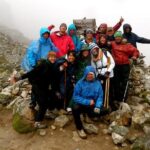
Balanced drawback to keep in mind: guides can vary by departure, and not every group will have the same vibe. But many participants praised guides for personality and motivation, including people who received guides like Aldo, Victor, Rubin, Lenin, Oscar, and Claudio.
Price and value: what $650 buys beyond the hike
At $650 per person, you’re not just paying for trail time. You’re paying for a whole chain of costs that normally stack up fast on an adventure like this:
- Hotel pickup plus transport to the start of the trek
- Round-trip train back to Ollantaytambo after Aguas Calientes
- Machu Picchu entrance fees
- Camping equipment (tents and sleeping mattresses), plus a dining setup
- Cook and meals for multiple days
- One night in Aguas Calientes (3-star superior category)
- Extra oxygen and first-aid kit, which matters at 4,650 m
When you compare that to piecing together a trek, lodging, train tickets, and guide services separately, the value starts to make sense. The package also reduces decision fatigue. You don’t have to manage camp logistics or figure out how to carry equipment to remote areas.
Not included is also clear. You’ll pay extra for single supplement (listed as $112) if you want a solo setup. International and domestic flights, travel insurance, alcoholic and non-alcoholic drinks, and extras like Huayna Picchu tickets are not part of this price. Day 1 breakfast and lunch/dinner in Aguas Calientes are also listed as not included.
If you want a full, low-stress “just show up and walk” plan, this price is built for that.
Gear, fitness, and how to plan for 5 days of altitude reality
This trek requires strong physical fitness. That line is not marketing fluff; it’s the core requirement. You’ll be at 4,650 m on the highest day, and even if you’re fit, altitude changes how breathing feels.
Here’s what helps you have a better time:
- Bring enough warmth for cold mornings and potential snow at Huayracpunco.
- Use good boots and socks you trust. Trail irritation is avoidable with the right footwear.
- Keep your pace steady, especially near the pass. The goal is to finish, not “win” the climb.
You’ll also benefit from the built-in support. Extra oxygen and a first-aid kit are included. And because you hand off much of the gear to the crew, your own load should be more manageable than you’d expect.
Finally, plan your expectations for sleep. Camps are camps. If your priority is a soft bed and hot shower every night, this won’t match that fantasy. If your priority is the route, the ecosystems, and the final sunrise at Machu Picchu, it will.
Who this Salkantay group trek fits best
This is a great match if you want:
- A small group (maximum 16 travelers)
- The full range of environments: high pass, cloud forest, then jungle warmth
- Sunrise access to Machu Picchu plus a guided citadel tour
- A trip where your guide and crew handle the hard logistics
It may not be for you if you:
- Want maximum comfort and don’t want basic camping conditions
- Expect perfect solitude with no local presence along the route
- Are not ready for altitude and a long hiking day around the highest pass
If you’re flexible, fit, and open to a real trek rhythm, you’ll likely love the way the route keeps changing. That variety is a feature, not a distraction.
Should you book this trek to Machu Picchu via Salkantay?
I’d book this if you want an honest, well-supported trek with camping gear taken care of, a guided Machu Picchu sunrise experience, and the kind of route that teaches you how fast Peru’s ecosystems shift with elevation. The value is strong when you count the included guide, entrance fees, transports, meals, and equipment.
I’d think twice if you picture immaculate campsites as part of the deal or if you need total quiet and emptiness on the trail. A Salkantay trek is alive with people and activity around the route, even when the scenery feels wild.
If you’re in good shape, you pack smart, and you accept that day 2 and 3 camping is part of the trade, this is a very solid way to reach Machu Picchu.
FAQ
What time does the tour start on day 1?
The start time is 5:00 am, with hotel pickup in Cusco and a bus ride toward Mollepata.
Do I get hotel pickup and transportation included?
Yes. Pickup from your hotel is included, along with transportation to the start of the trek and the tourist train return to Ollantaytambo.
Is Machu Picchu entrance included?
Yes. Entrance fees are included, and you’ll also get a guided walking tour inside the citadel.
Are meals included during the trek?
Meals are included for 4 days (breakfast, lunch, and dinner are listed for 4), plus meals/snacks overall. Breakfast on day 1 and lunch and dinner in Aguas Calientes are not included.
Is there a vegetarian option?
Yes. A vegetarian option is available if you request it when booking.
What is the single supplement fee?
The single supplement fee is listed as $112.00.