REVIEW · CUSCO
Cusco: 4-Day Lares Trek to Machu Picchu with Panoramic Train
Book on GetYourGuide →Operated by TreXperience · Bookable on GetYourGuide
In This Review
- Cusco to Machu Picchu, but with real trails
- Key highlights you’ll feel right away
- Why this Lares Trek fits the way most people want to travel
- Day 1: Cusco mornings, Inca ruins, rare Puyas, and Blue Lagoon stargazing
- Day 2: Condor Pass at 4,750 m and the Canchacancha village day
- Day 3: Sacred Valley downhill, Maras salt mines, Ollantaytambo, then the hotel night
- Day 4: Sunrise Machu Picchu, a real walking tour, and Vistadome panoramas
- Price and value: what $690 buys in the real world
- The real considerations: altitude, cold nights, and who should skip this trek
- What to pack so you’re comfortable without carrying a brick
- Who should book this Lares + Machu Picchu plan
- Should you book it or choose something easier?
- FAQ
- What is included in the trip price?
- Do I need to bring a sleeping bag and trekking poles?
- What language is the guide?
- How high does the trek go?
- Is lunch included on the final day at Aguas Calientes?
- Are optional Machu Picchu add-ons included?
- Is this tour suitable for everyone with mobility or health concerns?
- What documents do I need to provide?
Cusco to Machu Picchu, but with real trails
The Lares trek makes Machu Picchu feel earned, not scheduled. I love the combo of Lares hot springs plus village visits, and I also love the payoff: Machu Picchu at sunrise and a scenic Vistadome train back through the Sacred Valley. One consideration: this route goes high, including a 4,750 m pass, so cold nights and thinner air can be a real factor.
What you get is a well-paced mix of hiking, cultural stops, and comfort where it counts. You’ll camp for two nights with trekking chefs cooking real meals, then sleep in a 3-star hotel before your Machu Picchu morning.
Key highlights you’ll feel right away
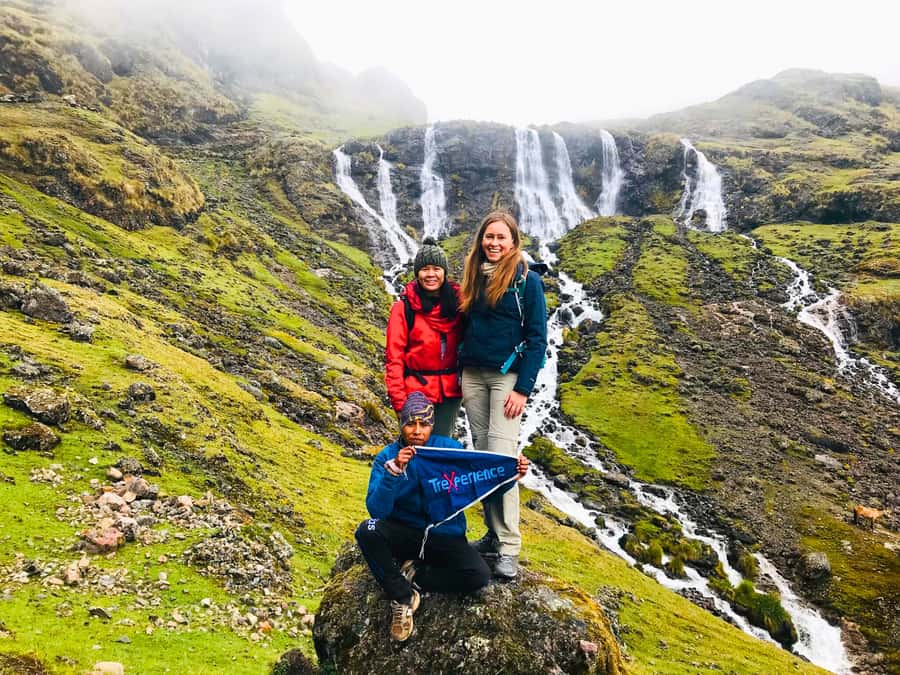
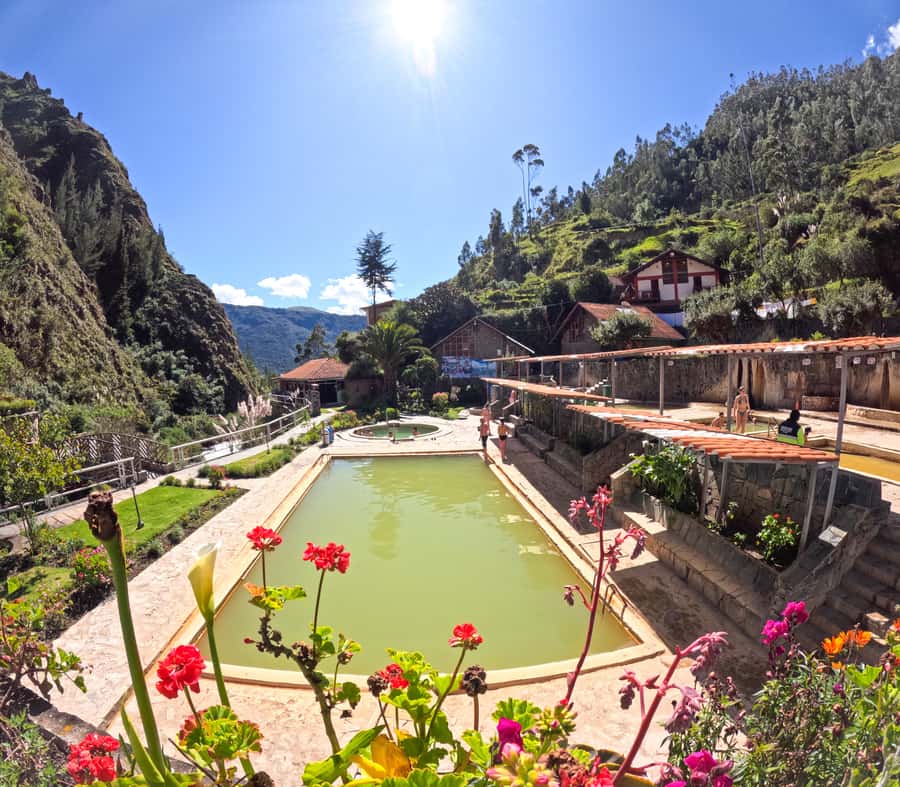
- Lares hot springs after your first hiking day, with mountain views and a chance to truly relax.
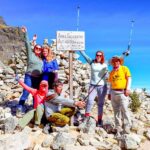
- Condor Pass (4,750 m) for big views and a traditional offering ceremony stop.
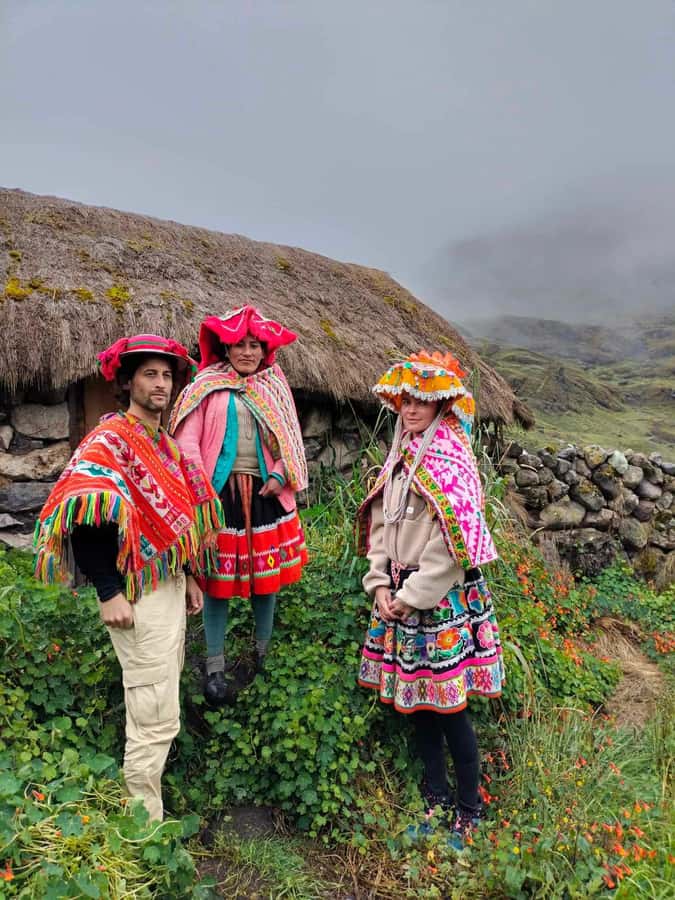
- Canchacancha village time with local families, plus a quick Quechua phrase moment.
- Maras salt mines (Salineras de Maras) and the last living Inca town of Ollantaytambo.
- Panoramic Vistadome train back toward Ollantaytambo for an easy, scenic finish.
You can also read our reviews of more tours and experiences in Cusco.
Why this Lares Trek fits the way most people want to travel
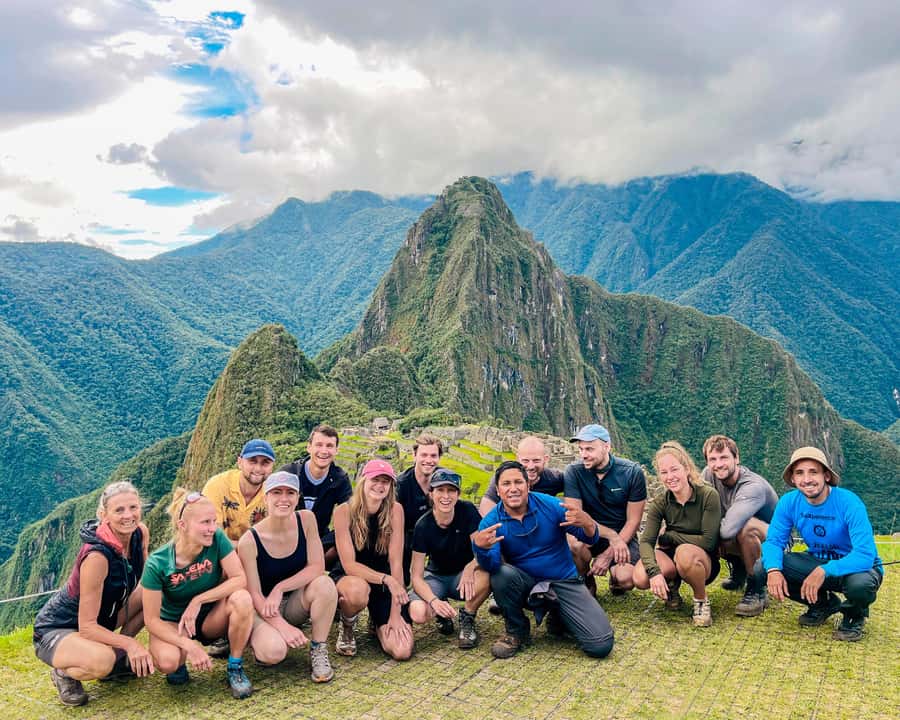
This trip doesn’t treat Machu Picchu as a single event. It layers it with days of lived-in Andean culture, hot springs, and trekking that makes the finale land harder.
I also like how the pacing isn’t just about miles. You get steady climbing days, a big “gateway” pass day, then a downhill transition into the Sacred Valley. That structure helps if you want the magic of Machu Picchu without feeling like you’re sprinting through altitude.
The value is also clearer than a lot of tours. For $690 per person, you’re not only buying a guide—you’re getting park/site entrance fees, a hotel night, multiple meals, transport between key points, and the entrance to the Machu Picchu experience itself.
Day 1: Cusco mornings, Inca ruins, rare Puyas, and Blue Lagoon stargazing
Day one starts with an early pickup from Cusco (or the Sacred Valley). If you’re in Cusco district, you wait in your hotel lobby about 10 minutes before the driver arrives; if not, you’ll meet near the main square. Then the day warms up fast with variety.
You’ll visit Calca’s market and the ancient Inca site of Ancashmarca. From there, you go to a high plateau where you can see the rare Puyas de Raimondi—one of those Andean plants that makes you stop and look twice, because it feels so specific to this elevation.
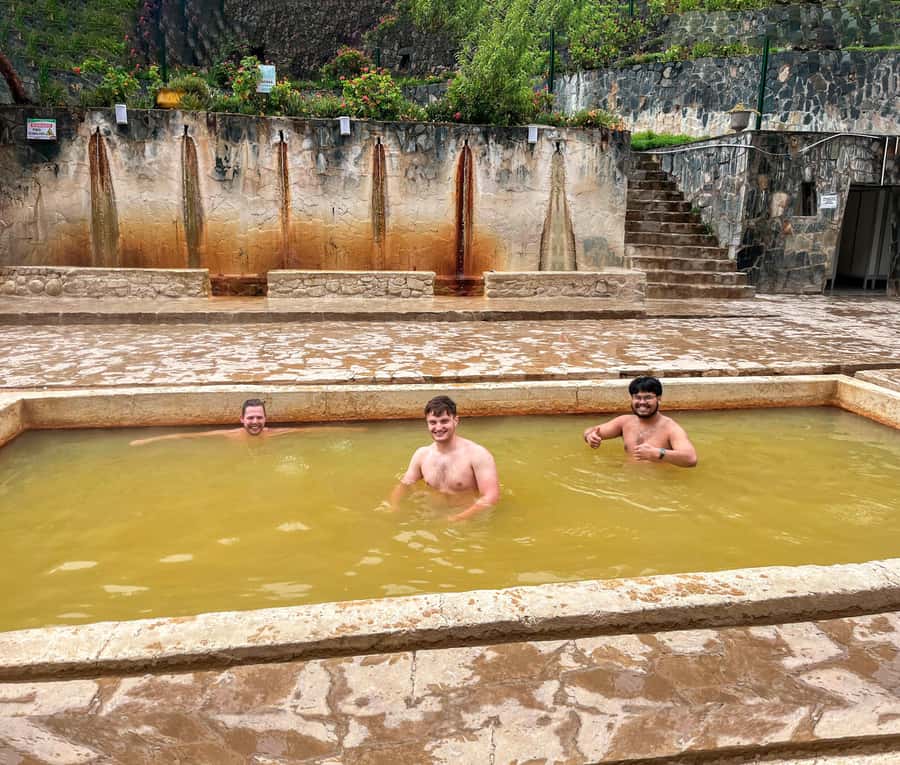
After that, the day shifts into recovery mode. You’ll hit the Lares Hot Springs for a soak with mountain views, and you’ll have breakfast along the way. This is also when the tour adds a cultural layer: you’ll visit a weaving cooperative and learn Andean textile traditions, with support for women-run cooperatives.
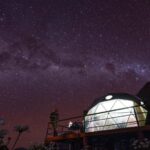
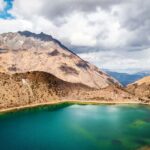
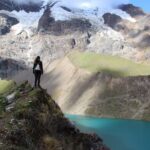
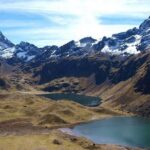
The hike begins in alpaca-dotted valleys and potato fields, with a lunch stop in Kiswarani. Then you follow a waterfall to the Blue Lagoon campsite at about 3,900 m, where dinner, coca tea, and stargazing are part of the rhythm. This is the kind of night where the temperature drops quickly, so plan on bundling up.
One practical note: sleeping bag and air mattress are not included. You can rent them on request, but don’t assume you can handle cold nights in a light layer and hope for the best.
Day 2: Condor Pass at 4,750 m and the Canchacancha village day
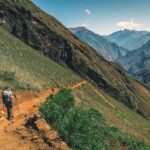
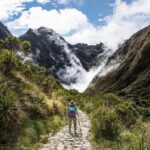
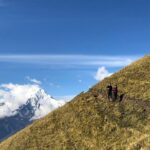
Day two begins with a coca tea or coffee moment at your tent, then breakfast. You start a steady climb through valleys with lakes and Andean wildlife, and you’re not just chasing elevation—you’re getting the long-view feel that Lares is known for.
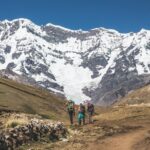
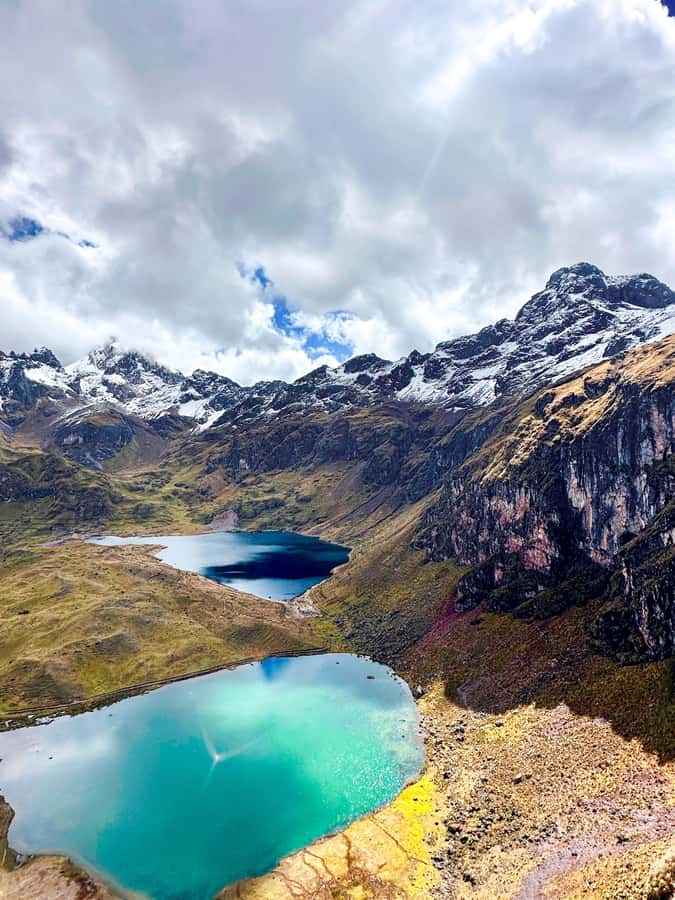
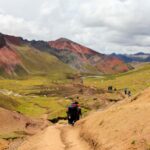
Then comes the headline: Condor Pass at 4,750 m. The views are described as sweeping with snowy peaks and turquoise lagoons, and you’ll also join a traditional offering ceremony there. It’s a moment that can be surprisingly meaningful because it doesn’t feel like a staged photo stop—it’s part of how people relate to this terrain.
After the pass, you descend. There’s a hot lunch in Acopata, then you hike through valleys with llamas and alpacas. When you arrive in Canchacancha village (about 3,750 m), you’ll meet local families and learn a few Quechua phrases—small, simple steps, but they’re the kind that make your time feel human.
You’ll end the day with dinner and mountain views. If you’re reading this and thinking, sure, it’s camping and cold—yes, it is. One real-world caution from past participants: reduced oxygen and night cold can limit your energy, so if you’re the type who struggles with steep days, you’ll want to take the pace seriously and ask for pauses when you need them.
Day 3: Sacred Valley downhill, Maras salt mines, Ollantaytambo, then the hotel night
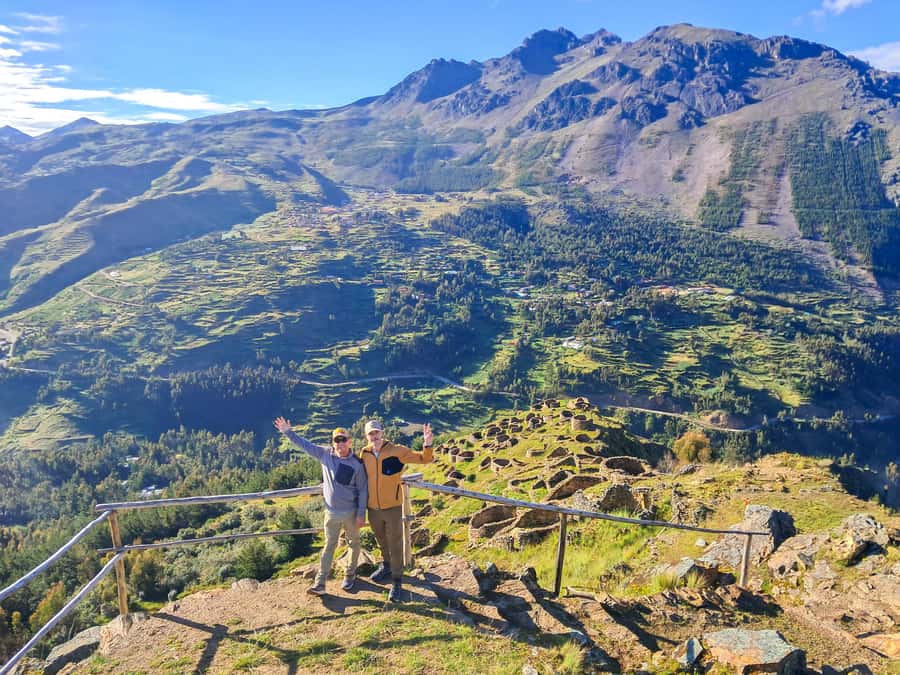
Day three starts with breakfast and mountain views, then more time in Canchacancha village. You’ll explore homes and a school, with the chance to donate supplies if you bring them (or follow your guide’s direction on what’s appropriate). This is one of those parts where you stop thinking of the village as a postcard and start seeing it as a real community with routines.
Then you shift gears with a scenic downhill hike into the Sacred Valley. The tour description frames it as roughly a four-hour descent, moving from potato fields to corn and avocado crops. This downhill day is often easier on your lungs than the climbing, but don’t treat it like a stroll—your knees still feel elevation.
Lunch is a picnic in Huaran (2,700 m). After that, you say goodbye to the muleteers and chef, which is a bigger deal than it sounds. They’re the reason you’re able to hike light while they move food and equipment.
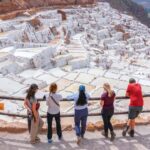
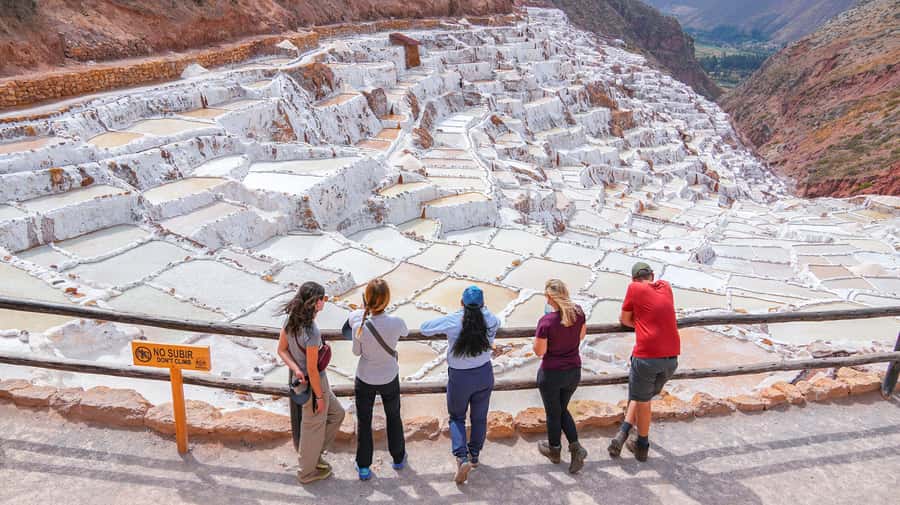
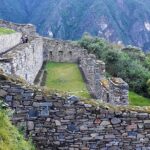
Next you take a private van to Salineras de Maras—the salt mines where salt is harvested using traditional methods. After Maras, you visit Ollantaytambo, described as the last living Inca town. Even if you’ve seen Inca sites before, Ollantaytambo has that lived-in feel because the town isn’t just ruins. Then you head onward to Aguas Calientes for dinner and overnight in a comfortable 3-star hotel.
That hotel night matters. After two cold camping nights, having a real bed and a warm room before Machu Picchu is not luxury—it’s fuel.
Day 4: Sunrise Machu Picchu, a real walking tour, and Vistadome panoramas
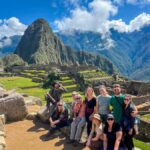
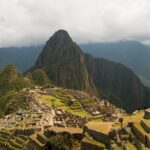
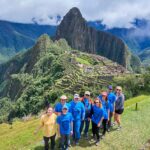
Your final day begins early with breakfast at the hotel. Then you catch the bus to Machu Picchu, arriving as the sun rises over the citadel. Getting there this way changes the mood. The place doesn’t feel like a theme park at 9:30—it feels awake and sharp, with sunrise light catching stonework.
From there, you’ll pause at iconic viewpoints for panoramic photos. Then you join your guide for a 2–3 hour walking tour focused on the site’s key landmarks. The emphasis is on Inca engineering, history, and how daily life would have worked here.
After the walking tour, you return to Aguas Calientes for lunch and some leisure time. Then comes the fun transport piece: you board the Vistadome train, a scenic ride back to Ollantaytambo, followed by a private transfer back to Cusco by evening.
The Vistadome is a smart choice for this itinerary because it lets you finish the trip moving gently instead of adding more hiking when you’re already tired.
Price and value: what $690 buys in the real world
For many Machu Picchu treks, the price feels confusing because it’s easy to miss what’s included. Here, the value is more tangible.
You’re covered for:
- Guided experience with a certified professional tour guide (Spanish/English)
- Entrance fees to Machu Picchu, Maras Salt Mines, and Lares Hot Springs
- Hotel pickup and drop-off in Cusco
- Round-trip bus to Machu Picchu
- Vistadome return train
- Two nights of scenic camping plus one night in a 3-star hotel
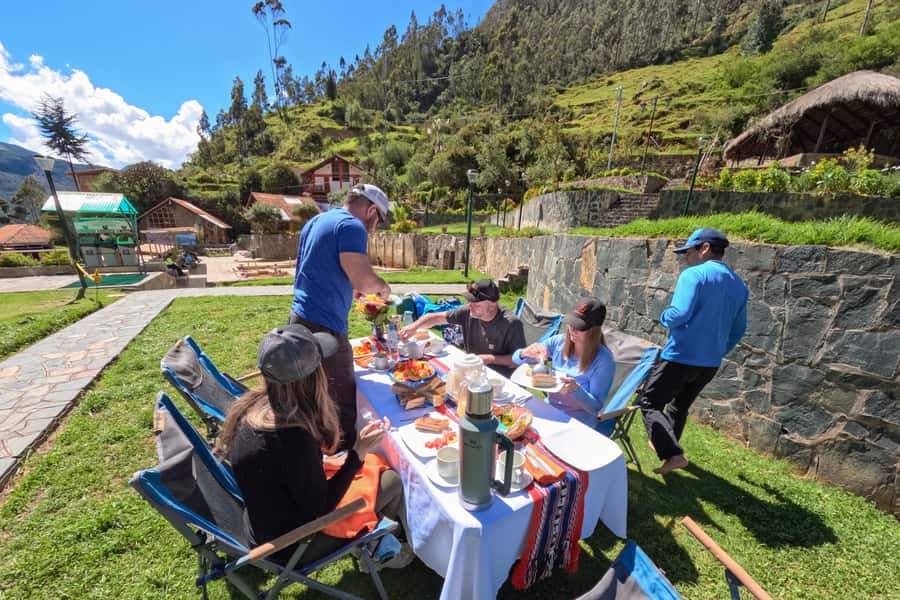
- Trekking chefs providing 4 breakfasts, 3 lunches, and 3 dinners
- Horses and muleteers for transporting food and equipment
- A personal duffle bag (up to 7 kg / 11 lb) carried by muleteers for your camping gear
In other words, you’re paying for logistics. That matters when you’re dealing with high passes, limited luggage weight, and the strict timing Machu Picchu demands.
You can also see the human value in the guide and food details. People have specifically praised guides like Manolo and Filio, and the cooking team for handling special diets—one booking noted vegan needs were accommodated. That tells you the meals aren’t just survival food.
The real considerations: altitude, cold nights, and who should skip this trek
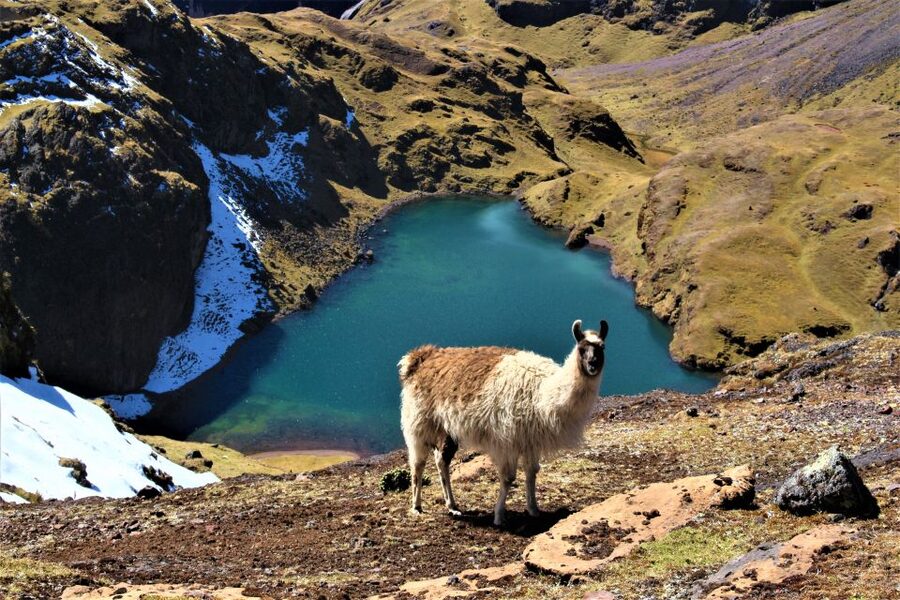
This isn’t a gentle walk. The itinerary climbs to Condor Pass at 4,750 m, with nights around 3,900 m at Blue Lagoon and 3,750 m at Canchacancha. Even if you’re physically fit, thinner air plus cold can slow you down.
Cold nights are part of the deal, and the tour doesn’t include a sleeping bag or air mattress. You can rent gear, but you’ll want it. One review specifically pointed out that oxygen lack and cold at night can reduce physical capacities, so being sporty (or at least in good condition) helps a lot.
Also, the activity is not suitable for:
- Pregnant women
- People with back problems
- People with mobility impairments
- People with heart problems
- Wheelchair users
If any of those apply, you’ll want a different style of Machu Picchu day trip or a less demanding route.
What to pack so you’re comfortable without carrying a brick
Bring what’s listed, but focus on the “cold + wet + dusty” reality of high elevation trekking.
Must-haves from the tour info:
- Passport (required)
- Comfortable shoes and hiking shoes
- Sun hat, sunglasses, sunscreen
- Rain gear
- Insect repellent
- Weather-appropriate clothing and hiking pants
- Camera
- Toiletries, hand sanitizer or tissues
- Cash
Plan for camp conditions. Because sleeping bag and air mattress aren’t included, you should either travel with your own or request rentals. If you don’t, you’ll feel it fast at 3,900 m.
Also note what you can’t bring: weapons or sharp objects, smoking, alcohol, or drugs, and of course no littering. The rules are simple, but they matter on guided, shared trekking days.
Finally, keep luggage realistic. Your camping gear goes into a duffle bag carried by muleteers up to 7 kg. That weight limit shapes everything, from how many layers you pack to how you organize your toiletries.
Who should book this Lares + Machu Picchu plan
I’d point you to this trek if you want:
- A 4-day route that blends trekking, hot springs, and cultural stops
- Machu Picchu at sunrise, not later in the day
- A finish with the Vistadome train, which makes the ending feel like a treat instead of a chore
- Professional guidance in English or Spanish and cooks who prepare your meals
It’s also a good fit if you like structured days. The itinerary is designed with pickup timing, lunch stops, and transport transitions. You’re not figuring out buses or hunting down sites—you’re moving through a plan built for altitude and Machu Picchu’s clock.
If you hate camping, consider that carefully. Two nights are camping, and nights can be cold. If you can handle that part, the rest tends to feel smoothly managed.
Should you book it or choose something easier?
Book this trek if you’re excited by a real hiking route plus the big finale of Machu Picchu sunrise, and you’re comfortable planning for high altitude and cold camping nights. The price feels fair because entrance fees, transport, meals, and guide service are all built in.
Skip or rethink it if altitude and cold would likely stress your health, especially since it’s not suitable for several medical or mobility situations. Also rethink if you don’t want to deal with bringing/renting a proper cold-weather setup.
If you want Machu Picchu but prefer less altitude risk, a different route may suit you better.
FAQ
What is included in the trip price?
The trip includes a certified guide, entrance fees to Machu Picchu, Lares Hot Springs, and Maras Salt Mines, hotel pickup and drop-off in Cusco, round-trip bus to Machu Picchu, and the Vistadome return train. It also includes two nights of camping, one night in a 3-star hotel, trekking meals (4 breakfasts, 3 lunches, 3 dinners), and transport help from horses and muleteers.
Do I need to bring a sleeping bag and trekking poles?
A sleeping bag, air mattress, and trekking poles are not included. You can rent them upon request.
What language is the guide?
The tour guide works in Spanish and English.
How high does the trek go?
The highest point mentioned is Condor Pass at about 4,750 m. You’ll also spend nights around 3,900 m (Blue Lagoon campsite) and 3,750 m (Canchacancha village), with lunch around 2,700 m in Huaran.
Is lunch included on the final day at Aguas Calientes?
Lunch on the final day in Aguas Calientes is not included.
Are optional Machu Picchu add-ons included?
Entrance tickets to Huayna Picchu or Machu Picchu Mountain are optional add-ons and are not included.
Is this tour suitable for everyone with mobility or health concerns?
No. It is not suitable for pregnant women, people with back problems, mobility impairments, wheelchair users, or people with heart problems.
What documents do I need to provide?
You’ll need a passport, and passport details must be provided at the time of booking.