REVIEW · SAPA
One day Trekking in Sapa and Muong Hoa Valley with local guide
Book on Viator →Operated by Color Vietnam Travel · Bookable on Viator
Rice terraces and village paths start at 9 a.m. This one-day hike around Sapa and Muong Hoa Valley is built for real village-to-village walking, with English-speaking local guides and time to take in the everyday rhythm of ethnic communities. I also like that the day includes a proper lunch in Lao Chai, not just a quick stop with snacks.
One note before you book: this is about a 15km trek and you’ll need moderate stamina, and the operator says the experience depends on good weather.
In This Review
- Quick hits: what’s most worth your time
- From 9:00 a.m. to 3:30 p.m.: how the Sapa walk is paced
- Sapa Market and Muong Hoa Valley: a morning for smells, crafts, and views
- Y Linh Ho to Lao Chai: terraced rice fields and lunch with real farm flavors
- Ta Van village: waterfalls, weaving, and the slower rhythm of Hmong and Giay life
- Guides from Hmong, Red Dzao, and Tay communities (Anh is a standout)
- Price and value: is $40 fair for this Sapa day?
- Should you book this Sapa trekking day?
- FAQ
- FAQ
- How long is the trek day in Sapa and Muong Hoa Valley?
- What time does the tour start?
- Is lunch included?
- How much walking is involved?
- Will I be picked up and taken back to my accommodation?
- Do I need to speak Vietnamese?
- What’s included in the $40 price, and what’s not?
- Is cancellation allowed if weather is bad?
Quick hits: what’s most worth your time
- Local ethnic guides with strong English, including guides like Anh (from the feedback I saw, this is a big deal)
- A 15km route through rice fields and village paths, with a calm pace that still gets you moving
- Lunch in Lao Chai with food choices like pork, chicken, or beef after you walk in
- Stops for Sapa Market and Muong Hoa Valley, so you see more than just trails
- Ta Van village wind-down with a look at weaving and local daily life
- Pick-up from Ta Van at 3:30 p.m. by car back to your accommodation, so you’re not stuck hiking to the end
From 9:00 a.m. to 3:30 p.m.: how the Sapa walk is paced
This is a full day outdoors that runs about 7 hours, starting around 9:00 a.m. You’ll be leaving your homestay or hotel and doing a 15km trek on paths that connect villages and rice country. The best part is that it doesn’t feel like a sprint or a bus tour with a few photo stops. It’s a day that lets you actually walk through the area, then rest at the right time.
The walking segment is split into clear legs. First, you head toward Y Linh Ho, then continue on to Lao Chai for lunch. After that meal, you move toward Ta Van village for the afternoon portion, with your return car picking you up at 3:30 p.m. That structure matters because it helps you plan your energy. You’re not guessing when you’ll eat or when you’ll need a break.
Pace-wise, it’s described as suitable for people with moderate physical fitness. I’d treat that as honest advice. If you don’t enjoy uphill sections, wet steps, or uneven trail edges, choose a gentler option in Sapa. On the other hand, if you’re the type who likes walking between viewpoints and villages, this is a satisfying distance without being a full-day endurance event.
Weather is another big factor. The experience requires good weather, and if conditions are poor, you’ll be offered another date or a full refund. So if you’re visiting in a rainy stretch, keep some flexibility in your schedule.
Sapa Market and Muong Hoa Valley: a morning for smells, crafts, and views
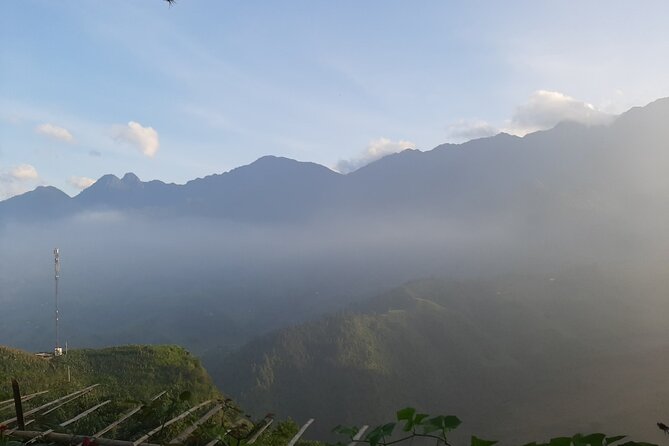
Even before the main trek, your day includes a Sapa Market stop and time in Muong Hoa Valley. This matters because Sapa can feel confusing when you first arrive—streets, stairs, different village cultures, and daily life all mix together fast. A market stop gives you a quick sense of what people buy and wear, and it’s also a good place to pick up small handicraft souvenirs if you want something locally made.
Muong Hoa Valley is the setting that makes Sapa feel dramatic. Expect big, sweeping views over valley paths and farming areas, and keep your camera ready. Valley scenery tends to change as you walk and as clouds shift, so don’t wait until the end of the day to take photos.
If your goal is authentic village culture, the market and valley time are more than just a warm-up. They help you understand what you’re seeing later on the trail. When you later meet people from groups like the Hmong or Giay, you’ll have a better sense of why their clothing and weaving patterns are so distinct and why these traditions matter day-to-day.
One practical tip: markets and valley viewpoints can be busy with other tour groups. Go at your own pace, and focus on small details—textures, colors, and how people trade—rather than trying to see everything at once.
Y Linh Ho to Lao Chai: terraced rice fields and lunch with real farm flavors
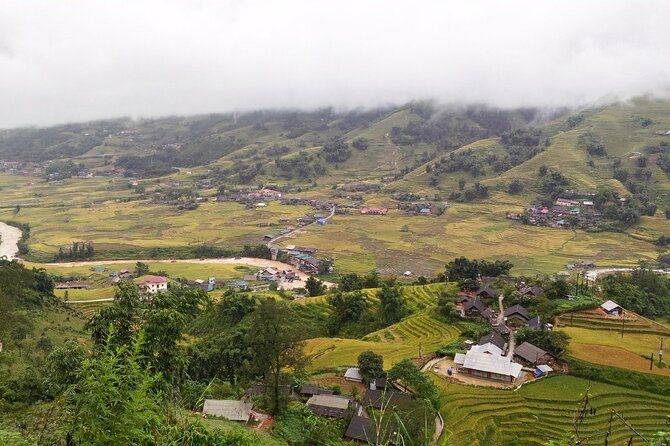
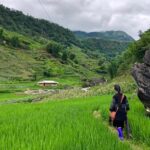
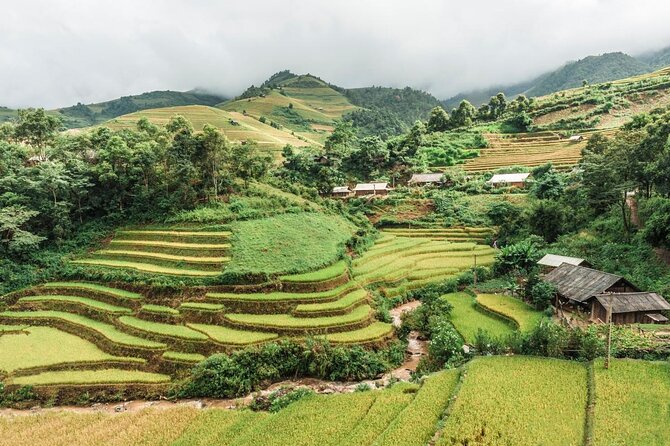
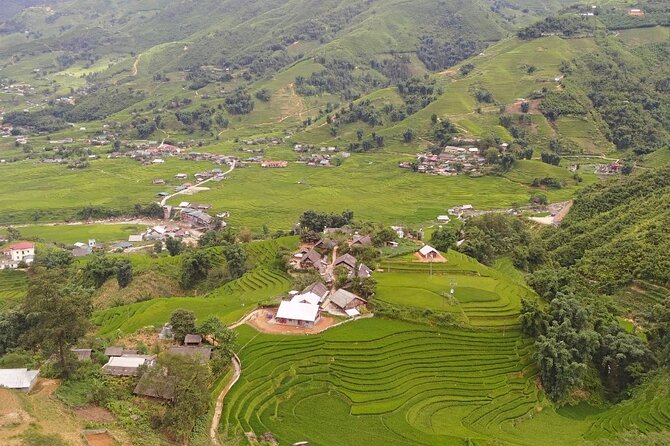
The walking starts with a path through rice fields toward the tranquil village of Y Linh Ho. This is the part of the day that sets the tone: wide open farming views, quiet edges of the trail, and a sense that you’re moving through lived-in countryside, not just sightseeing.
As you continue, you’ll reach Lao Chai, where the tour schedules lunch in a local restaurant. This is a smart place to stop. Lao Chai is close enough to the early walking that you’re hungry, but far enough in that lunch feels earned. And the lunch is described as traditional dishes that come from gardens and farms, which is exactly what you want after hours outside.
From the experiences shared, lunch can include fried rice, with options to choose pork, chicken, or beef. That’s convenient because you get choice without needing to hunt around in a place where language might be tricky.
Drawback to consider: lunch choices are good, but this is still a trail day. If you’re sensitive to spicy food or you need very specific dietary needs, I’d ask your guide in advance what the options are like that day. The tour data doesn’t promise a fully customizable menu.
After lunch, you’ll keep walking, so plan to eat enough to keep energy stable through the afternoon. The trail after Lao Chai can feel longer because your legs are already working. That’s why lunch quality matters here.
Ta Van village: waterfalls, weaving, and the slower rhythm of Hmong and Giay life
After lunch, your route heads to Ta Van village. This is where the scenery tends to feel extra alive: terraced rice fields, a meandering river, and the type of wide mountain views that make you stop more often than you planned. Some shared trek descriptions also mention bamboo forest sections and even water buffalo along the paths, which fits the region’s farming patterns.
You’ll likely notice kids and families along the way—this village walk isn’t a sterile corridor of viewpoints. It’s closer to watching daily life continue while you pass through. That’s also where your guide’s role gets more important. A local can point out what you’re looking at and explain which details to notice.
In Ta Van, you also get time to see traditional weaving and lifestyle, including the Hmong and Giay minority communities. This is a valuable part of the day because it connects the visual world of Sapa to something practical: how people make cloth, what weaving signals, and how these crafts fit into daily work. Even if you don’t buy anything, this portion gives meaning to the colors and patterns you might see earlier.
The final move is simple and helpful: you’re picked up from Ta Van village at 3:30 p.m. by car and returned to your accommodation. That means the trek ends on a clear note instead of turning into a scramble for transportation.
Consideration: Ta Van can involve uneven walking along paths near farms and water features. If your shoes aren’t good for traction, you’ll feel it. The tour description calls for moderate fitness, but sturdy footwear matters almost as much as fitness.
Guides from Hmong, Red Dzao, and Tay communities (Anh is a standout)
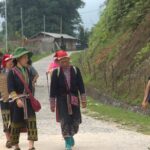
This tour’s real edge is the guide setup. The operator uses local English-speaking guides from ethnic minority communities, including groups like Black Hmong, Red Dzao, and Tay. That’s not just a feel-good detail. It affects how smoothly the day runs, and how much you actually understand while walking.
One name comes up strongly: Anh. The feedback I saw praised Anh for being attentive and friendly, and for speaking very strong English compared with other spots in Vietnam. That matters on this kind of trek because you’re walking through living culture. If the guide can explain what you’re seeing clearly, the day becomes more than photos.
You’ll also benefit from a guide who can navigate the subtle difference between what’s tourist-friendly and what’s actually meaningful to the community. For instance, weaving and daily lifestyle are easier to appreciate when someone can explain what you’re seeing without rushing you. A good guide also helps you pace the group so you don’t end up tired too early.
There’s also a social value here. The tour notes that the guides come from ethnic communities with limited income and that the business is ethnic minority owned, specializing in one-day tours. So your money isn’t only paying for transport and lunch—it’s also supporting local livelihoods tied to the trekking experience.
Small tip: private tours can be great because you can ask more questions and adjust pace. But it also means the guide’s communication style matters even more. If you’re booking for better English or more explanation, look at the guide feedback and choose accordingly when you have options.
Price and value: is $40 fair for this Sapa day?
At $40 per person, this is positioned as an affordable way to get a full day of Sapa trekking with built-in structure. The itinerary isn’t just a short walk. It includes a 15km trek, a lunch, private transportation, and bottled water, plus all fees and taxes. Those inclusions add up when you compare to doing the same day on your own.
The value is especially strong if you don’t want to coordinate everything yourself—finding trail entry points, figuring out lunch spots, and matching transport back from Ta Van at the right time. Here, you’re not left guessing. You’re moving with a plan: market and valley time in the morning, trekking legs, Lao Chai lunch, then Ta Van and pickup back at 3:30 p.m.
What’s not included is simple: tips and drinks. That’s pretty standard. So factor in a little extra spending for water beyond what’s included or for drinks during breaks. Lunch is included, and that’s the main cost you’re likely to pay anyway, whether you organize it yourself or not.
One more reason this may feel worth it: you’re booking a private tour, meaning it’s just your group. In Sapa trekking, fewer people often means less waiting and a calmer experience on narrow trails and at village stops.
If you’re the kind of traveler who loves seeing Sapa’s day-to-day life, this feels like a smart spend. If you only want short scenic walks and don’t care about village culture, you might find a cheaper, shorter option more your style.
Should you book this Sapa trekking day?
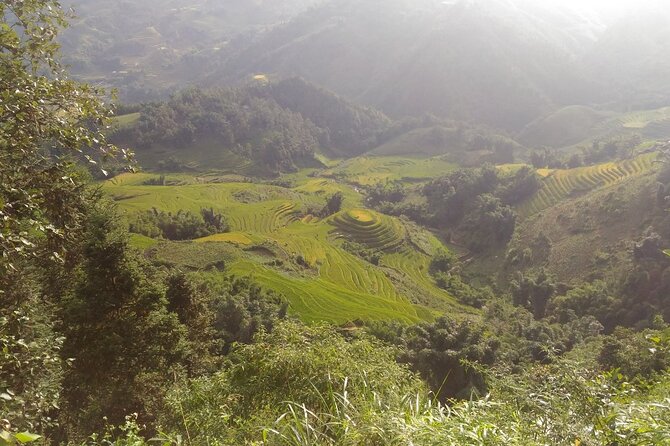
I think you should book if you want a day that mixes rice fields, village walking, and cultural stops without the hassle of planning. The combination of English-speaking local guides, a real Lao Chai lunch, and a clear end in Ta Van (with pickup at 3:30 p.m.) makes this a practical choice.
Skip it or choose something easier if you know you struggle with 15km and uneven trail paths. And if you’re traveling during a period when weather can be unreliable, build in flexibility, since good weather is required.
FAQ
FAQ
How long is the trek day in Sapa and Muong Hoa Valley?
The tour runs about 7 hours (approximately).
What time does the tour start?
The start time is listed as 9:00 a.m.
Is lunch included?
Yes. Lunch is included in the price.
How much walking is involved?
You’ll trek about 15km, with stops along the way including Y Linh Ho, Lao Chai, and Ta Van.
Will I be picked up and taken back to my accommodation?
Yes. Private transportation is included, and you’re picked up from Ta Van village at 3:30 p.m. to return to your accommodation.
Do I need to speak Vietnamese?
The tour description says you’ll have 100% local English-speaking guides.
What’s included in the $40 price, and what’s not?
Included are lunch, private transportation, all fees and taxes, and bottled water. Tips and drinks are not included.
Is cancellation allowed if weather is bad?
Yes. The experience requires good weather, and if it’s canceled due to poor weather, you’ll be offered a different date or a full refund. You can cancel up to 24 hours in advance for a full refund.