REVIEW · MARRAKECH
2 DAY BERBER VILLAGES TREK FROM MARRAKECH ( azzaden valley )
Book on Viator →Operated by Toubkal Experience · Bookable on Viator
Two passes. One river lunch. That’s the rhythm of this trek. I love the way you move through Berber villages that still feel lived-in, and I love the big sense of achievement from crossing high mountain routes. One thing to plan for: this is a real hike, with several hours walking each day and passes that sit well above sea level.
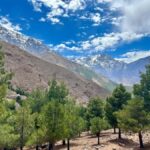
You start the adventure in Marrakech and quickly trade city noise for mule trails, terrace walls, and juniper forest shade. The route is designed around village life first, dramatic mountain scenery second, so you’re not stuck staring at rocks all day.
Food and support matter here, and it shows in the way the trip runs. Expect well-fed days, an overnight stay in a village guesthouse (or similar), and a team that helps with the practical side of the trek. A possible drawback: you’ll need good weather—clouds and rain can force changes.
In This Review
- Key things I’d focus on before you go
- Getting from Marrakech to Imlil and the High Atlas start
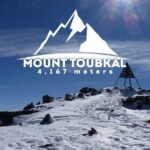
- Tizi M’zzik (Tizi Mzik) pass and Toubkal-area views from the climb
- Tamsoulte waterfalls and the route through Arghen and M’zzik
- Juniper-forest descent to Tizi Oussem and your mountain night
- Day 2: Id Issa, Tizi Oudid pass, and the walnut-grove lunch by the river
- Aguersioual and back to Marrakech: what the end of the trek really looks like
- Food, guesthouses, and mule support: the “small” stuff that makes it good
- Price and value for a $139.59 two-day private trek
- Who should do the Azzaden Valley trek, and who should think twice
- Should you book this 2-day Berber villages trek from Marrakech?
- FAQ
- How long is the 2-day Berber villages trek from Marrakech?
- Where does the trek start and how do you get there?
- What are the main mountain passes on this route?
- Do you visit waterfalls during the trek?
- Where do you sleep overnight?
- Is lunch included?
- Is this a private tour?
- What time do you return to Marrakech?
- What happens if the weather is bad?
Key things I’d focus on before you go
- Two altitude crossings, with real views: Tizi M’zzik / Tizi Mzik and Tizi Oudid sit at high elevation and shape the day.
- Village stops that aren’t just photo breaks: you pass places like Imlil and along the way you also touch Arghen and M’zzik.
- Waterfalls on Day 1: Tamsoulte sits around 2300m and adds a welcome change of scenery.
- Juniper forests and river time: the route leans into shade and valleys, then gives you lunch by the water.
- Overnight in the mountains: sleep in Tizi Oussem village at about 1850m, not back in a hotel.
- Support crew experience shows: names like Ibrahim, Hassan, Hussein, Aziz, and Lhoussain pop up in guides’ service stories, and muleteer support gets called out too.
Getting from Marrakech to Imlil and the High Atlas start
This trip starts with a drive out of Marrakech and into the High Atlas region. You’re picked up (pickup is offered), then transported toward Imlil, about 65km from the city. The ride passes through valley towns like Tahnnaout, Oued Ghighaya, and Asni, so you’ll get that gradual shift from urban streets to mountain roads.
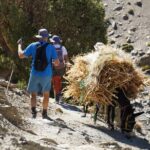
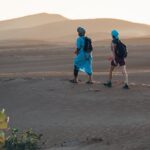
Once you reach Imlil, you meet your guide and the muleteer team. This matters more than it sounds. When you’re hiking in a place where trails crisscross and elevations change quickly, you want a guide who knows how to pace the route and keep the group moving. Most of the time, you’ll walk on village paths rather than wide marked trails.
A practical note: the trek begins at altitude, with Imlil already around 1740m. If you’re prone to getting winded, it helps to go slower than you think you need during the first hour or two.
You can also read our reviews of more tours and experiences in Marrakech.


Tizi M’zzik (Tizi Mzik) pass and Toubkal-area views from the climb
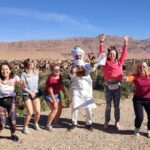
Day 1’s big statement is the climb to Tizi M’zzik / Tizi Mzik. Your route info gives two altitudes for this pass (2450m in the overview, and 2684m in the Day 1 outline), so treat it as a high point in the rough 2,500m to nearly 2,700m range. Either way, you’ll feel it.
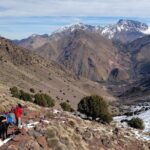
As you gain elevation, the payoff is the view over the Imlil valley and toward the Toubkal area. You don’t have to race uphill for the views. The best approach is steady steps, short pauses, and letting your guide set the pace for your group.
This is also where you’ll start thinking about clothing and hydration. Thin air doesn’t just make you tired; it can make you feel cool even when the sun is out. Bring a layer you can put on during stops near the pass.
From the top area, the route heads toward the Tamsoulte waterfalls area (around 2300m). That downhill rhythm soon adds variety after the climb.
Tamsoulte waterfalls and the route through Arghen and M’zzik
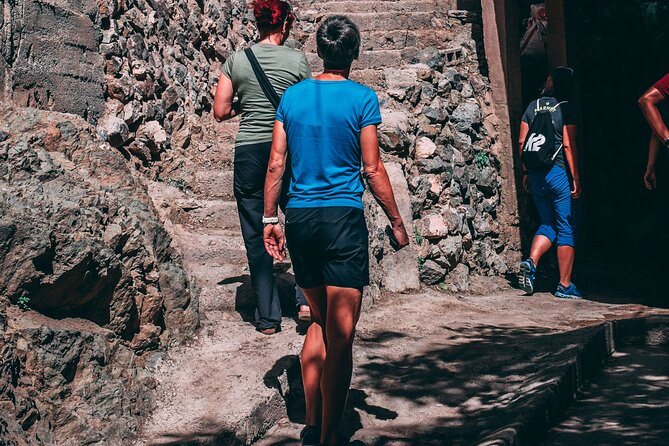
After you reach the pass, you continue toward Tamsoulte waterfalls (listed around 2300m). Waterfalls are one of those “pause and reset” moments on a trek because they change the soundscape. Even if you’ve seen waterfalls before, the Atlas setting gives it a different feel.
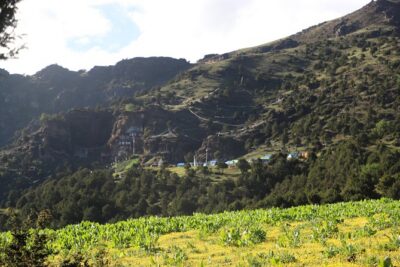
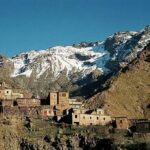
On the way, the broader route crosses through little communities in the High Atlas. The overview mentions passing through villages like Imlil, Arghen, and M’zzik, and that’s exactly the vibe you should expect: a chain of village edges, terrace walls, and narrow footpaths that connect houses and small farms.
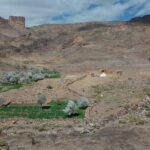
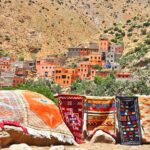
There’s also a highlighted cultural stop in the Assif Aït Mizane Valley, where you visit a village overlooking ancient irrigated terraces of fruit trees and vegetables. That’s a big part of why this trek is more than just hiking. You’re not only climbing mountains—you’re seeing how families work the slopes and water the land.
The drawback here is timing. If you stop too long for photos and ignore your energy level, you can feel it later during the long walk down. The good news is your schedule builds in enough structure that you’re not stuck sprinting.
Juniper-forest descent to Tizi Oussem and your mountain night
Day 1 finishes at Tizi Oussem village (about 1850m). You’ll walk for around 6 hours, with a descent that’s described as going through juniper forest. That part is great for your body and your mind: fewer harsh exposed climbs, more shade, and that gradual switch from high ridges back into valley air.
Along the descent, you’ll reach the Tizi Oussem guesthouse for the night. In the trip outline, the overnight is explicitly a guest house in the village—so you’re sleeping closer to the trail and village rhythms than in a standard hotel base.
What makes this night work well is the contrast. You spend the day climbing and crossing high points, then you slow down at village elevation. Dinner is typically part of the package on these trekking formats, and reviews tied to this experience repeatedly mention that the food is delicious—a simple but important detail, because trekking days can drain you.
One consideration: village guesthouses can be basic compared with city hotels. If your comfort standard is high, focus on choosing comfortable layers, good sleep socks, and expecting a simpler setup. The point is the setting, not luxury.
Day 2: Id Issa, Tizi Oudid pass, and the walnut-grove lunch by the river
After breakfast, you set out from Tizi Oussem and begin Day 2 through another slice of Berber valley life. The route heads to Id Issa (around 1800m), then climbs toward Tizi Oudid (listed as about 2000m).
Between the start and the pass, you cross Matat and move through a wild thurifer juniper forest. That’s one of those details that becomes real when you’re walking: the forest can feel thicker and more fragrant than you expect, and it gives your eyes a break from constant stone-and-terrace views.
The pass crossing is where you’ll want to stay relaxed. At roughly 2000m, it’s still altitude work, but it’s also much more manageable than the higher Day 1 pass. Your guide’s pacing matters here, especially if your group is mixed in fitness.
Then comes one of the best practical moments: lunch. You eat under walnut groves and get time near the river to relax. That’s not just for comfort. It’s how you reset before the final stretch of village walking.
This is also where you’ll notice how the route design keeps changing the terrain. You’re going from valley edges into forest shade, then back into open areas near water. That keeps the day from feeling repetitive.

Aguersioual and back to Marrakech: what the end of the trek really looks like
Day 2 continues past Agersioual / Aguersiouâl and then transitions into your transfer back to Marrakech. The schedule says the transfer arrives at around 17:00, and the walking time on Day 2 is listed as about 5 hours.
So you’re not out all day in hiking-only mode. You’ll likely feel like you have a long day overall because you factor in start time, breaks, and the drive back. But the trekking time itself is shorter than Day 1, which helps your legs if you paced well the day before.
Also, because this is a private tour/activity with only your group participating, the timing tends to be smoother for coordination. No constant regrouping every few minutes for strangers who move slower or faster than your group.
Food, guesthouses, and mule support: the “small” stuff that makes it good
The trip is set up like a working trek, not a sightseeing bus tour. One reason it gets top marks is the way the team handles daily needs: meals, lodging, and trekking support.
Food gets mentioned again and again as a standout. The itinerary includes lunch by the river, and the overall format usually means meals are taken care of during your trek and overnight. One review even credits a person named Mr Cook for making particularly delicious food, so this is clearly an area they take seriously.
Lodging is also part of the value. You sleep in a guest house in Tizi Oussem at about 1850m. Another review describes lodging in comfortable gite-style accommodation, which matches what you’d expect for these village overnights.
Then there’s the mule side. A review calls out a muleteer team as professional and helpful. Even if you don’t ride a mule (some people prefer walking), mule support is often the reason luggage and extra supplies move efficiently. If you want an extra option for easier trekking, this is where asking your guide in advance pays off.
Price and value for a $139.59 two-day private trek
At $139.59 per person for a roughly two-day experience, the key question isn’t just cost—it’s what you get for that price.
Here’s what’s included or strongly implied by the plan:
- Pickup is offered from Marrakech.
- You have a guide and team support while hiking.
- You get a village overnight in Tizi Oussem.
- You have meals built into the day, including lunch by the river.
- You’re walking major high Atlas sections with pass crossings and scenic stops like Tamsoulte waterfalls.
Compared with many short excursions, the value is strong because you’re paying for a full walking day, not just a transfer and a few photos. Also, being private means your group can move at a compatible pace, and your guide can spend time explaining village and valley details rather than managing a big mixed group.
The main trade-off is that you can’t treat it like an easy stroll. If you’re not ready for 6 hours walking on Day 1 and 5 hours on Day 2, you’ll feel it. But if you’re an active traveler who likes being outside and meeting village life up close, the price starts to make a lot more sense.
Who should do the Azzaden Valley trek, and who should think twice
This trek is described as something most travelers can participate in, which is encouraging. It’s also built around village paths where you’re not locked into one steep sustained climb the whole time.
It’s a great fit if you:
- Want a first real taste of Berber village life in the High Atlas.
- Like multi-day hikes but don’t want a full week away.
- Prefer a route with built-in stops like waterfalls, forests, and river lunch.
Think twice if you:
- Have limited mobility or low stamina.
- Get hit hard by altitude (Day 1 includes a high pass around the mid- to high-2,000s).
- Don’t have flexibility for changing conditions, since good weather is required.
If you’re traveling with kids, at least one account notes that children enjoyed the hike around Imlil and related valley routes. If your group includes kids, consider asking early about options like mule assistance if available, so everyone stays comfortable.
Should you book this 2-day Berber villages trek from Marrakech?
If you want an experience that’s part hiking, part village life, and part mountain views, this is a strong choice. The two-day structure is perfect for travelers who want altitude and culture without a long commitment, and the food + village overnight details keep it from feeling like a rough outdoor challenge.
I’d book it if you’re ready for steady walking and you care about seeing how people live on the valley edges. I’d hesitate if you expect easy, flat walking or if your group can’t handle altitude and weather shifts.
FAQ
How long is the 2-day Berber villages trek from Marrakech?
The tour runs for about 2 days. Day 1 includes about 6 hours of walking, and Day 2 includes about 5 hours.
Where does the trek start and how do you get there?
You start after breakfast with pickup from Marrakech and drive to the High Atlas area, arriving at Imlil. Imlil is about 65km from Marrakech.
What are the main mountain passes on this route?
Key passes include Tizi M’zzik / Tizi Mzik (listed as 2450m in the overview and 2684m in the Day 1 outline) and Tizi Oudid / Tizi Oudite (listed around 2000m).
Do you visit waterfalls during the trek?
Yes. Day 1 includes a stop near Tamsoulte waterfalls, listed around 2300m.
Where do you sleep overnight?
You overnight at a guest house in Tizi Oussem village (around 1850m).
Is lunch included?
The itinerary specifically calls out enjoying lunch by the river on Day 2, and meals are provided during the trekking experience.
Is this a private tour?
Yes. It is described as a private tour/activity, with only your group participating.
What time do you return to Marrakech?
Day 2 includes transfer back to Marrakech, with arrival around 17:00.
What happens if the weather is bad?
This experience requires good weather. If it’s canceled due to poor weather, you’ll be offered a different date or a full refund.