REVIEW · POKHARA
4 Days Poon Hill Trek from Pokhara
Book on Viator →Operated by Dream Noble Adventure (DNA) · Bookable on Viator
Sunrise on Poon Hill is worth the early alarm. This four-day trek from Pokhara strings together Annapurna Himalayan views and classic village routes, ending with the cultural feel of Ghandruk. I like that you get a big visual payoff in a short time, with day hikes that are long enough to feel like a trek but not so long you vanish into the mountains.
What I also like is the practical setup: hotel pickup and drop-off plus an English-speaking trekking guide. One thing to think about: meals and drinks are not included, so you’ll want to plan your daily food budget, especially on the days that run roughly 8 hours of walking.
In This Review
- Key things to know before you go
- Why a 4-day Poon Hill trek makes sense
- Getting started in Pokhara: pickup, Nayapul, and day one momentum
- Ulleri to Ghorepani: the walking rhythm that builds the views
- Poon Hill sunrise: the 3210m moment that justifies the climb
- Tadapani to Ghandruk: where the Gurung village atmosphere takes over
- Price and value: what $280 includes, and what costs extra
- The guide and organization factor (and why it matters on treks)
- Guesthouse nights: what to expect from the included stay
- Pace, altitude, and comfort: making the 4 days feel doable
- Meals and budgeting: the part most people forget
- Who this trek fits best (and who should reconsider)
- Should you book this Poon Hill trek with Dream Noble Adventure?
- FAQ
- How long is the Poon Hill trek?
- Where does the trek start and end?
- What is the highest point on the trek?
- Is pickup and drop-off included?
- Are permits included?
- Are meals included in the price?
- Is this a private trip?
- Is free cancellation available?
- Is the trek suitable for most travelers?
Key things to know before you go
- Poon Hill altitude and timing payoff: You’re going up to about 3210 meters, designed around sunrise viewing.
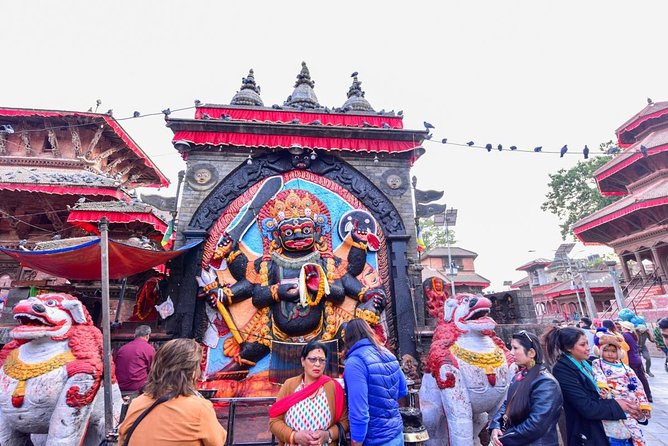
- Real village route, not just viewpoints: Ulleri, Ghorepani, Tadapani, and Ghandruk each bring a different slice of rural Nepal life.
- Permits handled: Trekking permit and TIMS card are included in the price.
- Guesthouse nights are included: You don’t have to hunt for accommodation while you’re hiking.
- Private trip, with group discounts: You’ll travel with your group only, but pricing can still benefit from any available group discounts.
- Communication and support are built in: English-speaking guide, plus pickup/drop-off from your hotel area.
Why a 4-day Poon Hill trek makes sense
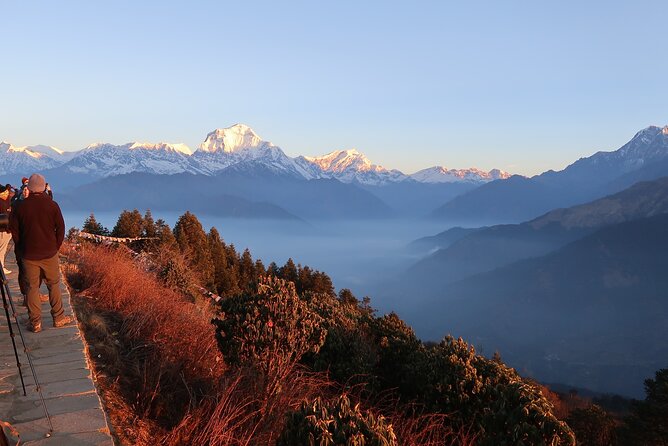
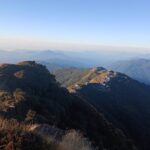
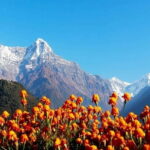
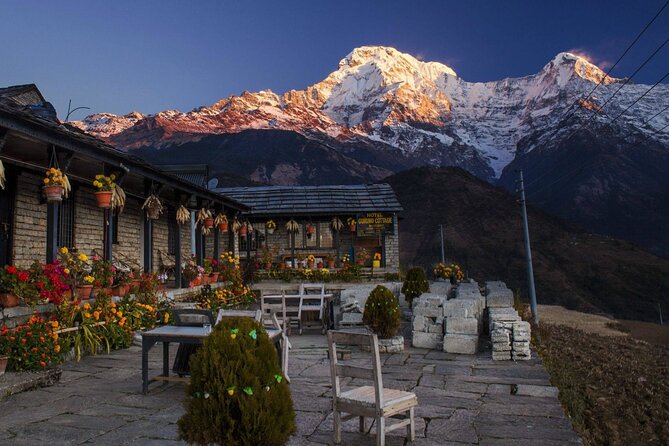
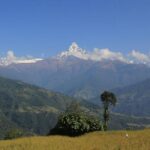
Poon Hill is famous for a reason: sunrise views here can feel like the Himalayas are putting on a show just for you. The route is also built for speed of experience. In four days, you get mountain panoramas, a sunrise moment at about 3210m, and village walking that feels grounded instead of tour-bus scenery.
The big win is that the trek is short enough for many people to manage with the right pace. You’re hiking daily, but you’re not spending a week climbing endlessly. That matters if you want your Nepal highlight to be memorable without turning your vacation into one long recovery session.
Still, don’t treat it like a casual stroll. Even with a “4 days” duration, you’ll be dealing with altitude increases and early starts. If you’re sensitive to elevation or you expect the hardest part to be only the sunrise climb, you may be surprised by how quickly your legs get involved.
You can also read our reviews of more tours and experiences in Pokhara.
Getting started in Pokhara: pickup, Nayapul, and day one momentum
This trek starts in Pokhara, and you’ll have hotel pickup and drop-off. That’s more than convenience. It reduces the messy middle where you’re trying to coordinate transport on your first day while you’re already thinking about getting to higher ground.
From Pokhara, you drive to Nayapul, then begin trekking toward Ulleri (1990 meters). That first transition helps you get underway without spending your whole day just figuring out how to leave the city. Also, Ulleri is a solid “warm-up” altitude—high enough to feel the mountain air shift, but not so high that you’re immediately in the hardest zone.
Plan your first morning with a practical mindset: you’ll likely want to keep your energy for walking, not for troubleshooting. With pickup included, you’re less likely to waste the first hours.
Ulleri to Ghorepani: the walking rhythm that builds the views
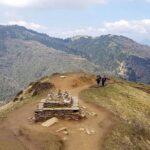
After Ulleri, the route continues up to Ghorepani (2880 meters). This segment is where the trek starts to feel more like a real hike than a sightseeing walk. You’ll notice it in the pace you naturally settle into. By the time you reach Ghorepani, you’ll be ready for the feeling of being “up there,” not just traveling toward it.
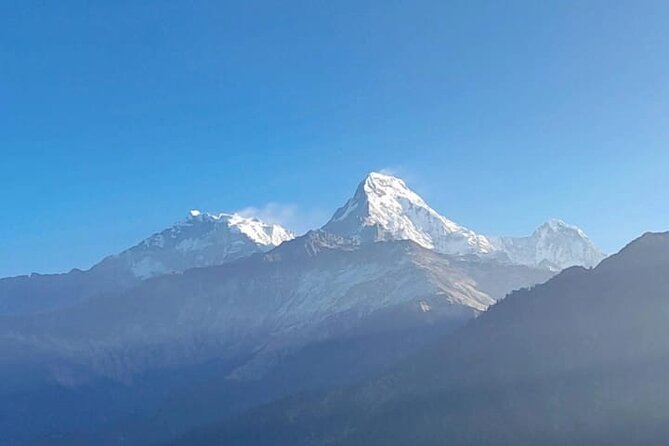
Why Ghorepani matters: it sits at a height that sets you up for what’s coming next—Poon Hill sunrise viewing and the bigger picture views of the Annapurnas. Even if you’re mostly focused on putting one foot in front of the other during the hike, reaching Ghorepani is usually the moment your brain clicks into trek mode.
One practical note: these days run about 8 hours of trekking time. That means you should start thinking like a hiker—steady pace, short breaks, and a clear plan for what you’ll do when you arrive (eat, rest, and get ready for an early morning).
Poon Hill sunrise: the 3210m moment that justifies the climb
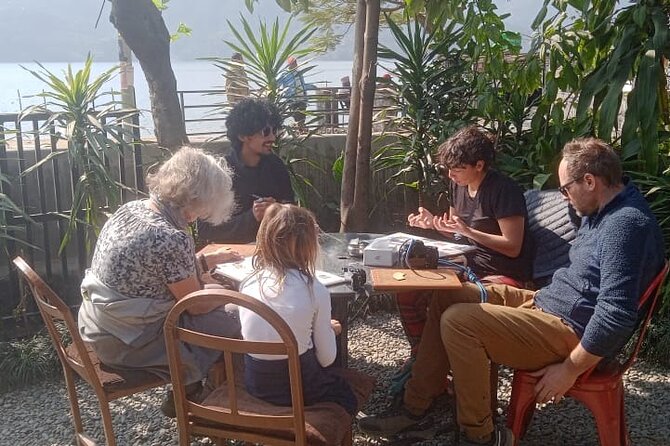
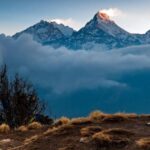
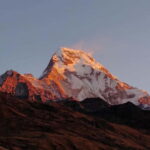
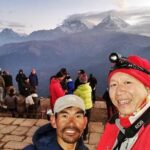
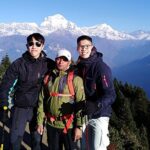
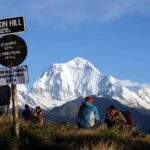
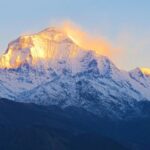
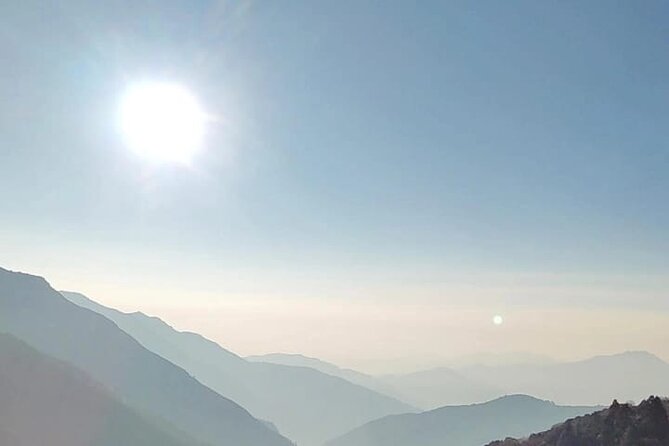
The core payoff is climbing to Poon Hill (3210 meters) for sunrise views. This is the “why” of the trip. You’re going high enough to get broad, dramatic sightlines, and the sunrise timing turns the mountains into something more than a distant backdrop.
The morning effort is part of the deal. You’re not just walking through scenery; you’re moving to a viewpoint at a specific time window. That’s why having a trekking guide matters. A guide helps keep the pace realistic and helps you avoid the classic mistake of starting too fast and crashing before the best viewing moment.
After Poon Hill, the route shifts toward Tadapani (2660 meters). This drop matters because it helps you come down from the hardest “upper peak” feeling and transition into the rest of the hike. It’s a good pattern: rise for the highlight, then use the next day’s movement to keep things manageable.
Tadapani to Ghandruk: where the Gurung village atmosphere takes over
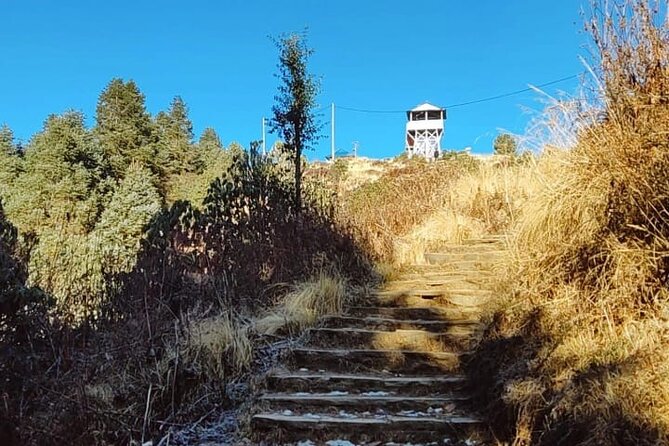
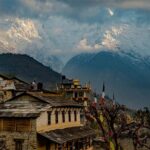
Once you’re moving toward Ghandruk, the trek becomes as much about people and place as it is about altitude and views. Ghandruk is known as a remote rural Gurung village, and the experience here feels more human-scale than the big viewpoint moments.
This is where you’ll likely notice the difference between being near mountains and actually being in the mountain communities. The walking feels slower. You may find yourself pausing for village life details—simple routines, local building styles, and the fact that people live here, not just pass through.
Then, after Ghandruk, the route finishes with a drive back to Pokhara. That final transfer is one of the quiet joys of a short trek: you don’t have to keep hiking until you’re totally exhausted. You get a clear ending, and you can enjoy a meal and shower in the comfort of the city.
Price and value: what $280 includes, and what costs extra
At $280 per person for about four days, the value depends on how you travel.
Here’s what’s included that usually costs real money on treks:
- Private trip
- Guesthouse accommodation during the trek
- English-speaking trekking guide
- Hotel pickup and drop-off
- Trekking permit and TIMS card
- Mobile ticket
And here’s what’s not included:
- All meals and personal expenses
- Alcoholic beverages
- Optional gratitude
- Rescue costs in an emergency
So what’s the real math? You’re paying for the backbone of the trek—guide, lodging, permits, and transport—while meals remain your responsibility. If you prefer flexibility in food choices (or you don’t mind eating simply), this is a fair setup. If you want everything packaged down to the last snack, you’ll need to budget extra.
Also, “private trip” is a big deal for value. You’re not sharing a guide with a crowd that forces you into group pacing. And there’s the small added note that group discounts may apply, which can make the cost feel even more reasonable.
The guide and organization factor (and why it matters on treks)
A trek is not only about the route. It’s about timing, pacing, and staying calm when weather and daylight do what they want.
The experience provider is Dream Noble Adventure (DNA). Even though the specific feedback you may read is mixed across different tours, the company’s reputation points to strong planning and English support. Names that show up in the broader feedback include Shubham Koirala and Sandesh, praised for helpful guidance and organizing the day so guests could see a lot without chaos.
For a mountain trek, that kind of planning attitude matters. You’re moving between elevations and villages with limited margin for confusion. When you know your pickup, your guide is there, and your permits are handled, you spend your energy on the one job that matters: walking and enjoying the views.
Guesthouse nights: what to expect from the included stay
Your accommodation is included as guesthouse lodging. That typically means simple rooms with practical comfort—good enough to sleep, recharge, and keep your routine stable day after day. You’re not buying a fancy hotel experience here. You’re buying a functioning base so you can focus on the trail.
The upside of guesthouses on this kind of trek: they’re integrated into village routes. That makes the trek feel like a real journey rather than a series of paid stops. The downside: standards can vary by location and season. If you’re expecting hotel-level consistency, you might be disappointed. If you’re okay with basic comfort, this becomes part of the charm.
If you like sleeping somewhere warm and waking up to mountain air, guesthouse stays fit the Poon Hill style perfectly.
Pace, altitude, and comfort: making the 4 days feel doable
The route climbs to 2880 meters at Ghorepani and peaks at 3210 meters at Poon Hill. After that, you drop to Tadapani at 2660 meters before reaching Ghandruk and heading back down to Pokhara.
That up-and-down pattern is helpful. It means you get a summit-style moment (sunrise at Poon Hill) without locking yourself into the highest altitude for days. Still, the biggest challenge on many trekkers’ days isn’t the total elevation. It’s the combination of altitude plus long walking hours.
A practical approach is to keep your effort steady rather than heroic. Aim for breathing that lets you speak in short sentences. If you feel overheated, slow down. If you feel chilled, add a layer. The mountains don’t care about your schedule, but you can manage your body so the trail feels better.
Meals and budgeting: the part most people forget
Because all meals are not included, your food costs depend on what you choose to eat along the way. Plan for breakfast, lunch stops, and dinners during the trekking days.
This is also where your trekking day becomes more personal. Some people want simple staples. Others like hot drinks and hearty meals after a long climb. Either way, budgeting for food prevents surprises at the end.
Also remember: personal expenses are not included. That usually means you’ll decide what you spend on the trail—snacks, drinks, or small extras.
Who this trek fits best (and who should reconsider)
This trek says most travelers can participate, and service animals are allowed. That’s helpful if you need a specific accommodation.
Best fit:
- You want the classic Poon Hill sunrise views in about four days
- You like a private guiding setup with English communication
- You’re comfortable with guesthouse-level lodging
- You want to experience a Gurung village feel rather than only high-altitude viewpoints
Consider rethinking if:
- You’re not comfortable with early, time-sensitive sunrise viewing
- You strongly prefer fully packaged meals and drinks
- You have medical limitations related to altitude and long hiking days (in that case, you should talk with your doctor before any mountain trek)
Should you book this Poon Hill trek with Dream Noble Adventure?
If you want a well-supported trek that covers the highlights without stretching to a longer expedition, this one makes sense. The included structure—pickup/drop-off, English-speaking guide, guesthouse accommodation, and permits/TIMS—removes the headaches that can turn a dream trip into stress.
Book if you like:
- Sunrise viewing and big Annapurna panoramas from a short route
- Village time in places like Ghandruk
- A clear, private plan with a guide handling the key logistics
Skip or rethink if:
- You need a fully meal-inclusive package
- You expect a hotel-style lodging experience every night
- You’re looking for a very low-effort walking day
If you’re reading this and thinking yes, focus on your meal budget and your readiness for early starts. Do that, and Poon Hill becomes more than a famous name—it becomes a moment you’ll remember when the mountain light turns on.
FAQ
How long is the Poon Hill trek?
It runs for about 4 days.
Where does the trek start and end?
It starts in Pokhara. It ends back in Pokhara after trekking through the final village area and then driving back.
What is the highest point on the trek?
The trek reaches about 3210 meters at Poon Hill.
Is pickup and drop-off included?
Yes. Hotel pickup and drop off are included.
Are permits included?
Yes. The trekking permit and TIMS card are included.
Are meals included in the price?
No. All meals are not included, so you’ll need to pay for food during the trek.
Is this a private trip?
Yes. It is described as a private tour/activity, meaning only your group participates.
Is free cancellation available?
Yes. You can cancel for a full refund up to 24 hours in advance of the experience start time.
Is the trek suitable for most travelers?
The information says most travelers can participate, and service animals are allowed.