REVIEW · SA PA
Authentic Sapa 2D1N Trek & Hmong Homestay with Dinh
Book on GetYourGuide →Operated by Dinh Sapa Trekking Adventures · Bookable on GetYourGuide
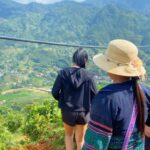
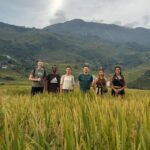
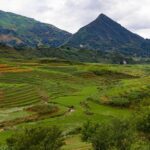
Rice terraces start this trek at 9:00. I like that Dinh is a Hmong guide who’ll meet you in Sapa and lead you into real village rhythm, not a rushed checklist. You’ll follow her route through Muong Hoa Valley and end Day 1 in Ta Van for an overnight with her family.
I also love the way this trip folds culture into normal life: you’ll learn about Hmong marriage traditions, and the evening includes a cooking moment, dinner together, and a traditional welcome dance. One possible drawback: this is active trekking over uneven ground, and it’s not a fit if you have mobility limits, back problems, vertigo, or a fear of heights.
In This Review
- Key things to know before you go
- Why this Sapa trek feels personal with Dinh
- Day 1: 9:00 AM start down through Muong Hoa Valley
- Village hopping, rice work, buffalo moments, and a family lunch
- Ta Van arrival: rest, hot shower, and an evening with real household rhythm
- Day 2: bamboo forests, terraced rice, and Giang Ta Chai waterfall
- Red Dao lunch and back to Sapa: how the tour wraps up
- Price and what $46 buys you in real terms
- Packing tips, safety notes, and the alcohol question
- Who this 2D1N trek and homestay suits best
- Should you book this Sapa 2-day trek with Dinh?
- FAQ
- Where does pickup happen?
- What time does the tour start?
- How long is the trek each day?
- Do I get meals during the tour?
- What homestay experience is included?
- Will there be time at a waterfall?
- What languages will the guide use?
- Is alcohol allowed?
- Who might not be a good fit for this tour?
Key things to know before you go
- Meet Dinh in Sapa Town and start the walk at 9:00 AM
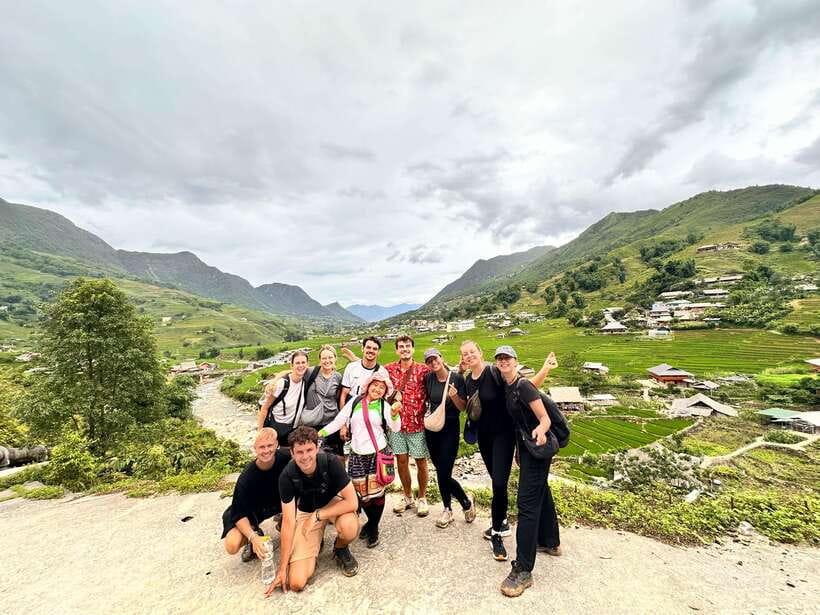
- Muong Hoa Valley rice terraces plus village visits across multiple ethnic groups
- Ta Van homestay night with hot shower time and a family-style dinner experience
- Day 2 bamboo forest walking to Giang Ta Chai waterfall
- A final Red Dao lunch before the taxi back to Sapa
Why this Sapa trek feels personal with Dinh
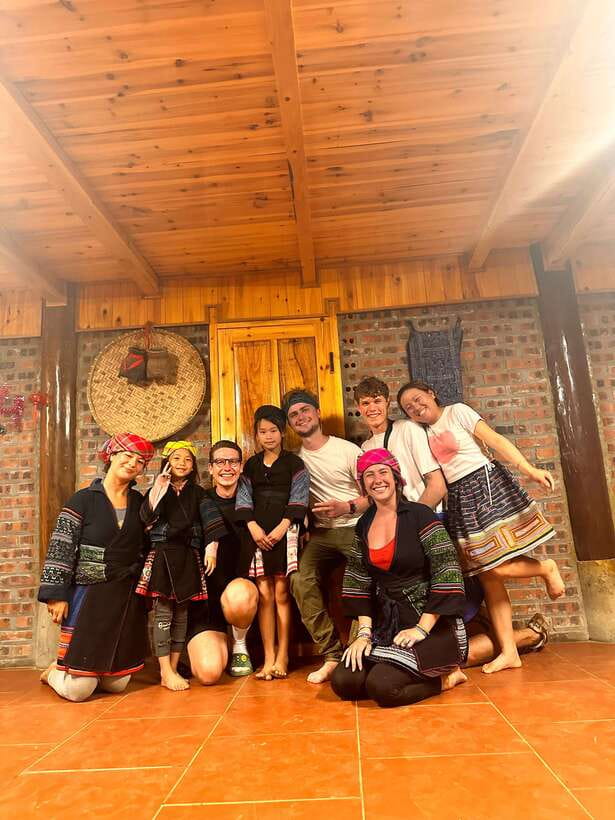
This tour’s value isn’t just the scenery. It’s the fact that you’re walking with a local guide who comes from the Hmong community and shares daily details in a practical way. You’ll get cultural context while you move—so the lessons don’t feel like a lecture in a classroom.
I also like the structure. Day 1 is about getting you into the big picture: terraces, villages, and farm life. Day 2 keeps the pace outdoors with bamboo forest and waterfall time, then finishes with a simple lunch and a ride back.
You can also read our reviews of more tours and experiences in Sa Pa.
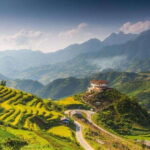
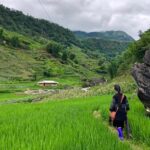
Day 1: 9:00 AM start down through Muong Hoa Valley
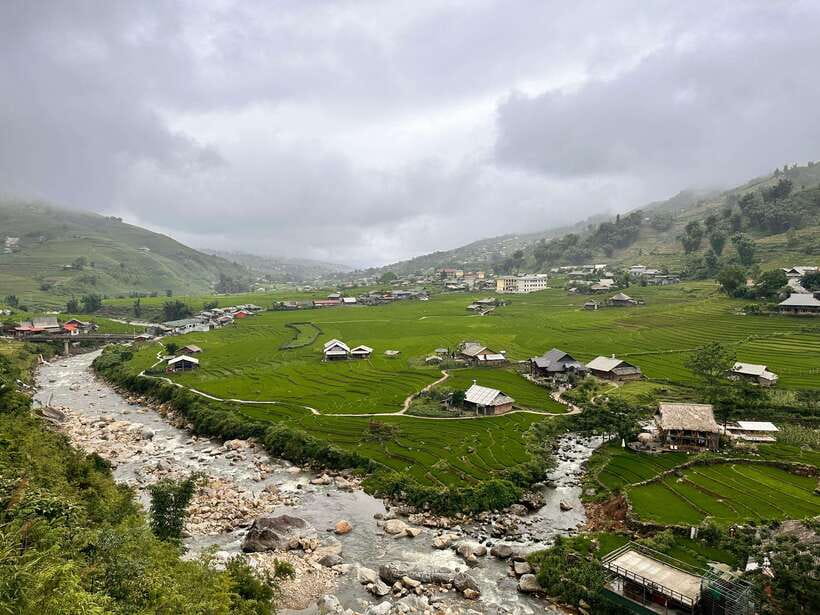
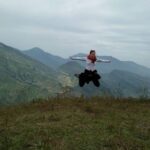
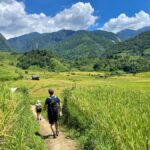
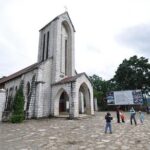
You start at 9:00 AM, with pickup at your hotel in Sapa Town or in front of the local main church. After a brief intro, you trek down into the Y Linh Ho area, passing working farmland as you go. The walking distance is about 9–12 km and roughly 5.5 hours, so wear shoes that can handle dirt paths and uneven steps.
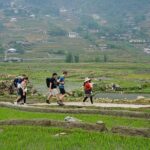
Here’s what makes this first day work for you: it gives you a full stretch of walking time before you sit down. You’re not just hopping between viewpoints. You’re moving through the same areas that villagers use during planting and harvesting seasons, so the terraces feel alive instead of staged.
Village hopping, rice work, buffalo moments, and a family lunch
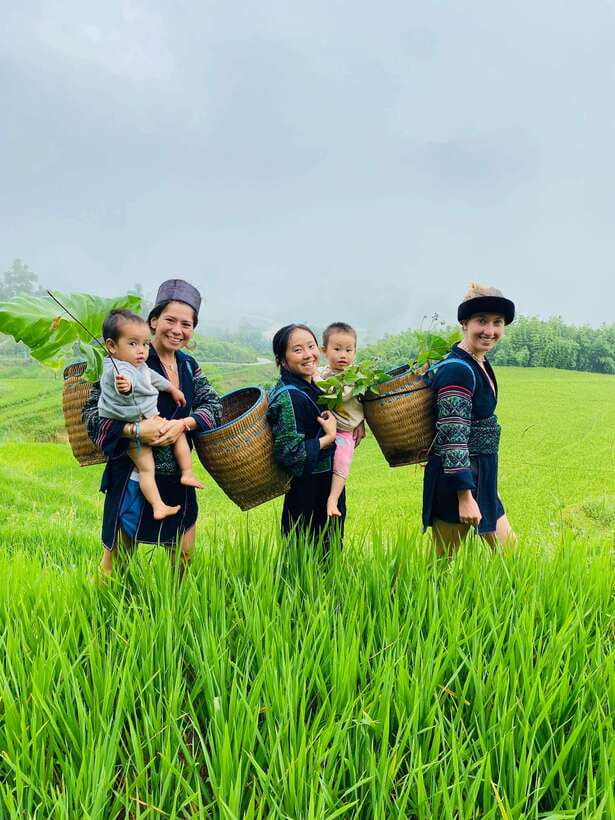
As you go, you’ll hit key stops tied to different villages. You move from Y Linh Ho toward Lao Chai, described as one of the oldest and largest Hmong villages in the area. Along the way, you can see locals planting or harvesting rice depending on the season.
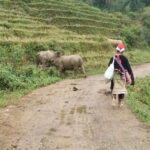
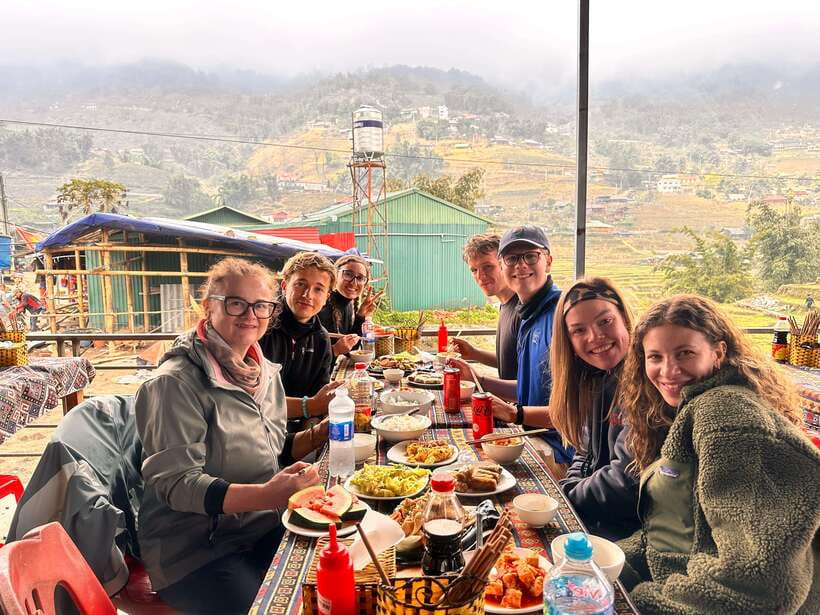
You’ll also stop for lunch at a small traditional restaurant run by a local Hmong family. This matters because it’s not a generic tourist set-up—you’re eating where the day-to-day rhythm stays the same. You’ll also likely spot buffalo along the agricultural paths, which is a very Sapa feeling and a reminder that this is farm country, not just postcard country.
A note on pacing: Day 1 ends with a homestay arrival and rest time, so you’re not forced to cram everything into one long slog. You still get a good trek, but you also get time to reset.
Ta Van arrival: rest, hot shower, and an evening with real household rhythm
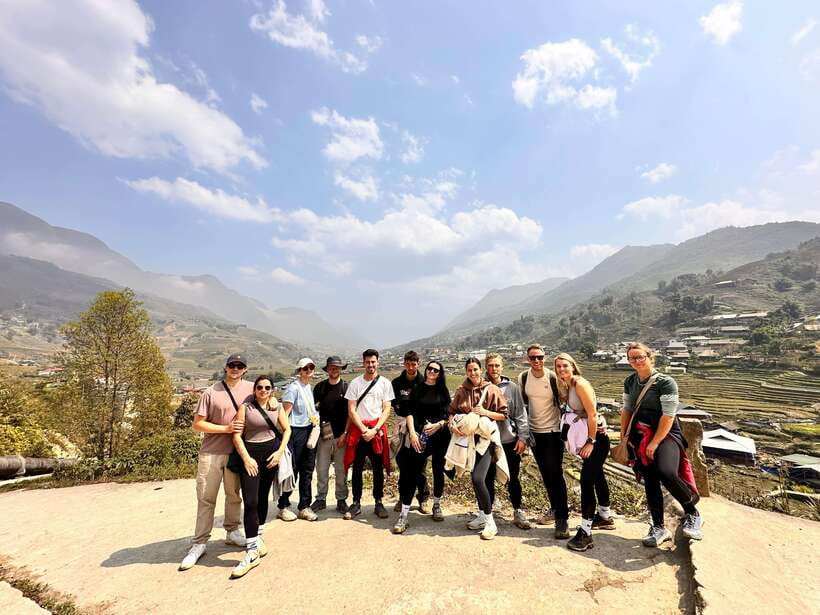
Once you reach Ta Van, you’ll arrive at Dinh’s family homestay. You’ll have time to rest, including hot shower time (a small detail, but a lifesaver after a day of walking). Then the evening turns social.
There’s an informal cooking class with the family, where you help prepare a traditional dinner. Even if you’re not a kitchen person, this is usually the kind of activity that helps you feel included without pressure. After dinner, you’ll hear Dinh’s story about supporting education for 10 local children, which adds a real reason the homestay community is investing in visitors in a thoughtful way.
You’ll also get a cultural welcome dance performed by Dinh’s students. After that, there’s time to play with the kids and join drinking games featuring Happy Water, a local rice wine. If you’re not into alcohol games, you should be able to simply participate in the social part, but do respect the family’s way of doing things.
Day 2: bamboo forests, terraced rice, and Giang Ta Chai waterfall
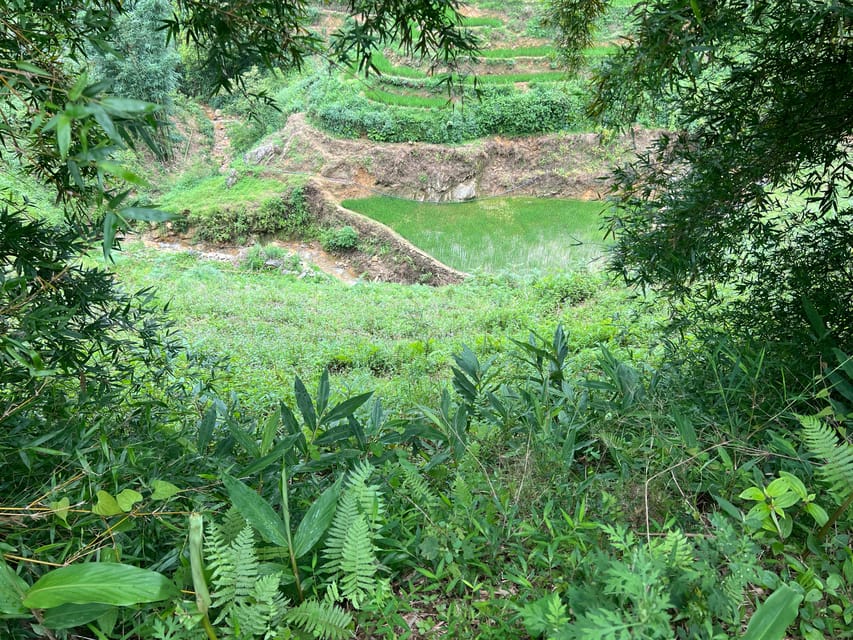
Day 2 starts slower. You begin the morning with hot coffee or tea while you’re in the homestay surroundings, then you eat breakfast before heading out again. The walking distance is about 7–8 km and roughly 4–5 hours.
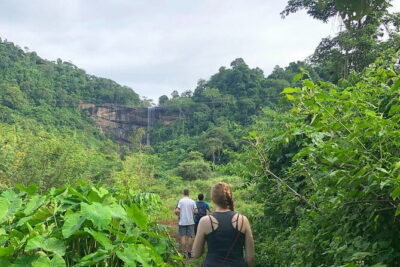
The trekking route includes bamboo forests and terraced rice areas, leading you to the waterfalls of Giang Ta Chai. If you’d like, you can swim in the cool waterfall. Even if you don’t swim, you’ll want to bring quick-dry clothing or at least a plan for getting wet—waterfalls add a surprise level of cooling.
One practical upside of Day 2: the scenery goal is simple and clear. You’re walking to a waterfall, then you move into the next community for lunch. It’s not endless zig-zagging through far-too-many stops.


Red Dao lunch and back to Sapa: how the tour wraps up
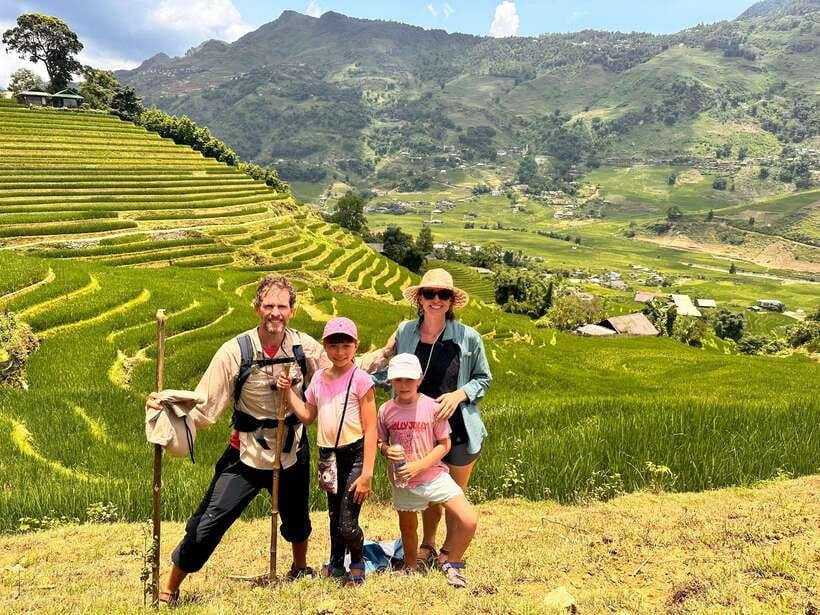
After the waterfall area, you enter the Red Dao ethnic area. Then you make your way to the main road and have lunch with a local family. After that, you enjoy the final lunch and take a taxi back to Sapa.
The tour ends between 2:00 and 3:30 PM, so you usually won’t lose your whole afternoon. That timing can be helpful if you’re still planning dinner or heading onward the same day.
Price and what $46 buys you in real terms
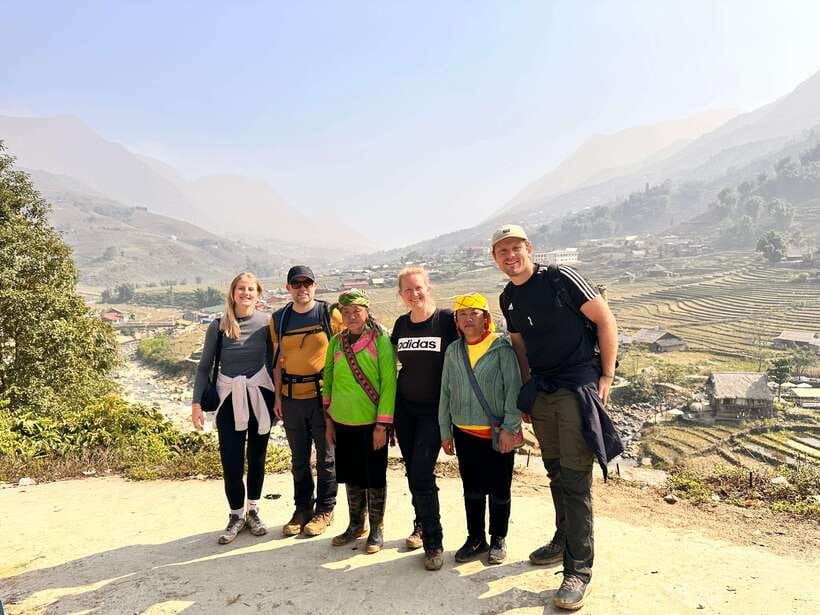
At $46 per person, this trip is priced in the budget-friendly zone for Sapa, but what you’re actually paying for is the mix of guided trekking, homestay, and meals. You also get village entry fees for four villages, and transportation back to Sapa after the tour ends.
Included meals are solid for a trek: 2 lunches, 1 dinner, and 1 breakfast. You also get drinking water—one big bottle per person per day. That’s one of those small cost-savers that matters in Vietnam, because buying water and snacks adds up fast when you’re walking.
So for value, I’d think of this as paying for:
- a guide (English and Vietnamese),
- multiple village visits,
- a homestay night,
- and the food that keeps you moving.
Packing tips, safety notes, and the alcohol question
Bring the essentials that match the terrain. You’ll want comfortable trekking shoes, plus a hat, sunscreen, and a camera if you love village details. Also pack snacks and extra water if you’re the type who gets hungry between meals.
Weather changes fast in Sapa, so wear clothing that can handle cool mornings and warmer afternoons. If you’re sensitive to cold, plan for it.
One thing I’d ask Dinh about before you go: the info you’ll receive includes Happy Water during the evening games, but it also states alcohol and drugs are not allowed. That doesn’t automatically mean there’s a problem, but it does mean you should clarify what’s offered and what rules you’ll follow.
Also watch the fit for your body. This is listed as not suitable for people with mobility impairments, and it’s also not suitable for pregnant women, anyone with back problems, anyone with vertigo, and anyone over 70. The wheelchair label may sound reassuring, but trekking is still trekking—uneven ground is the reality.
Who this 2D1N trek and homestay suits best
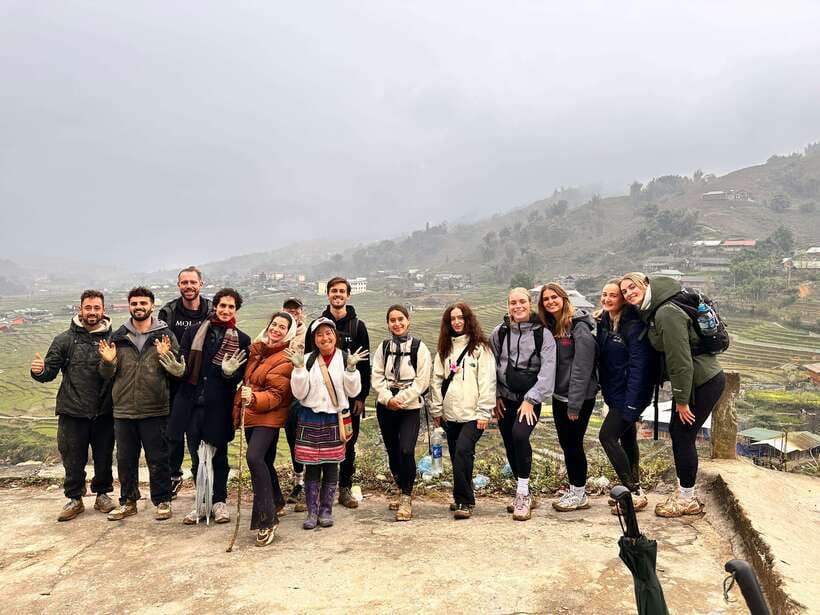
This is a great fit if you want to spend time with a Hmong family in Ta Van, and you like learning culture through day-to-day moments. It also suits you if you’re comfortable walking 9–12 km on Day 1 and 7–8 km on Day 2.
You’ll also enjoy it if you want variety: rice terraces, multiple village communities, cooking with the family, and a clear nature payoff on Day 2 at Giang Ta Chai waterfall.
If you hate stairs, steep uneven paths, or you’re worried about heights on narrow trails, this may not feel relaxing. In Sapa, “relaxing” often means choosing a shorter walk with less elevation exposure.
Should you book this Sapa 2-day trek with Dinh?
Book it if you want an honest Sapa trek + homestay that includes meals, village entry fees, and real cultural interactions with Dinh’s family. The schedule is long enough to feel like a journey, but it still ends mid-afternoon on Day 2 so you’re not stuck in travel limbo.
Skip it if you’re looking for a gentle, seated tour. This route is active, and the info says it’s not suitable for several groups including people with back problems, vertigo, or mobility limitations.
If you want, tell me your travel dates and fitness level, and I’ll help you decide whether the walking distances and the waterfall swim option are a good match for you.
FAQ
Where does pickup happen?
You’ll be picked up in Sapa Town at your hotel or in front of the local main church.
What time does the tour start?
Day 1 starts at 9:00 AM.
How long is the trek each day?
Day 1 is about 9–12 km (around 5.5 hours). Day 2 is about 7–8 km (around 4–5 hours).
Do I get meals during the tour?
Yes. You’ll have 2 lunches, 1 dinner, and 1 breakfast included.
What homestay experience is included?
You stay one night with Dinh’s family in Ta Van. You’ll also have time to rest and take a hot shower.
Will there be time at a waterfall?
Yes. On Day 2 you’ll go to the waterfalls of Giang Ta Chai, and swimming is optional if you want to.
What languages will the guide use?
The live guide provides English and Vietnamese.
Is alcohol allowed?
The information says alcohol and drugs are not allowed. It also mentions Happy Water in the evening games, so it’s smart to ask Dinh how it’s handled during the experience.
Who might not be a good fit for this tour?
It’s not suitable for pregnant women, people with back problems, people with mobility impairments, people afraid of heights, people with vertigo, and people over 70.