REVIEW · KATHMANDU
Dancing in the Manaslu Circuit Trek
Book on Viator →Operated by Master Himalaya Treks and Expedition · Bookable on Viator
Every step gets you off the usual trail.
This 12-day Manaslu Circuit trek takes you through a quieter corner of Nepal where restricted access helps keep the experience personal, not packed. I like how the journey combines big Himalayan terrain changes—subtropical valleys to high passes around Larkya La (5,100 m)—with cultural moments like Tibetan-influenced villages, monasteries, and times when local music and dance show up in everyday life. One possible drawback to plan for: this route is physically demanding at altitude, so you’ll want a moderate fitness level and patience for slow going.
You’ll also appreciate the practical setup: three full board meals each trekking day, private twin-sharing rooms, a government-permit package, and a certified English-speaking guide. In the recent experiences shared with the operator, guides like Bijaya, Lakpa, and Tenji stood out for taking good care of hikers, and porters like Nema helped make long days feel manageable. The biggest consideration is cost vs. comfort: while the package covers a lot, you still need to arrange travel insurance and plan for a porter (required), plus tips.
Key Points at a Glance
- Restricted-access trek means fewer people and a more human pace through the villages
- High pass focus at Larkya La gives you serious big-mountain scenery
- Full-board meals and private twin rooms reduce logistics stress on the trail
- Acclimatization day lets your body adjust before the tougher crossing days
- English-speaking guide + first-aid support keeps things safer and calmer in practice
- Real village culture shows up through monasteries, mani walls, and local music and dance
In This Review
- Why Manaslu Feels Different Than the Most Famous Routes
- Price and What You’re Actually Buying for $1,390
- Getting Started in Kathmandu: Pickup and a Clean Launch
- Day 1: Kathmandu to Phedi Khola via Maccha Khola (The Long Roll-Out Day)
- Day 2: Maccha Khola to Jagat, Past Tatopani’s Hot Springs
- Day 3: Jagat to Deng (A Quiet Day for Body and Rhythm)
- Day 4: Deng to Namrung, Prok Village and Mani Walls
- Day 5: Namrung to Shyala (More High-Country Village Time)
- Day 6: Shyala to Samagaun and Pungeyn Gumpa
- Day 7: Acclimatization Day at Manaslu (Optional Base Camp and Birendra Lake)
- Day 8: Samagaun to Larkya La Area via the Budhi Gandaki
- Day 9: Icy Streams, Larke Bazaar, and the Push Toward Dharmasala
- Day 10: The Larkya La Pass Day, Cho Danda, Larkya Peak, and Four Frozen Lakes
- Day 11: Dharapani—Forest Descent and Karche Village
- Day 12: Jeep to Besisahar, Then Back to Kathmandu
- What the Included Meals and Rooms Really Change
- Guides, Porters, and the Human Side of Manaslu
- The Real Cultural Moments: Monasteries, Mani Walls, and Village Music
- Who This Trek Fits Best (and Who Should Rethink)
- Should You Book Dancing in the Manaslu Circuit Trek?
- FAQ
- How long is the Manaslu Circuit trek?
- Where does the trek start and end?
- What’s included in the price?
- What is not included?
- Do you need to bring a porter?
- Is pickup provided in Kathmandu?
- What level of fitness do I need?
- Is this a private group?
- Do I need good weather?
- Is there free cancellation?
Why Manaslu Feels Different Than the Most Famous Routes
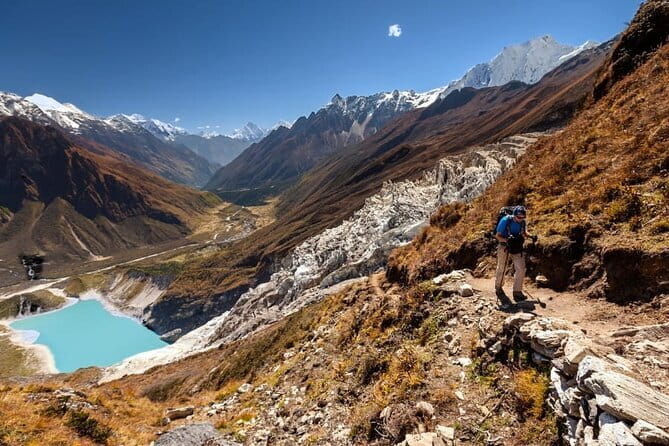
If you’ve trekked Nepal before, you know how quickly the big routes can feel like a train schedule: wake up, follow the line, repeat. Manaslu Circuit is built to feel more like your own trip. Restricted access helps keep the trail from turning into a constant crowd scene. You still meet people, but the vibe stays quieter and more grounded.
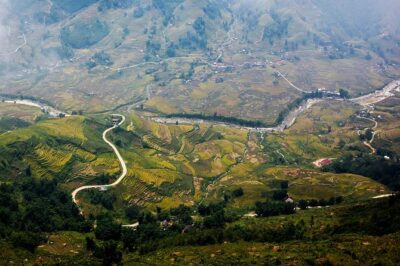
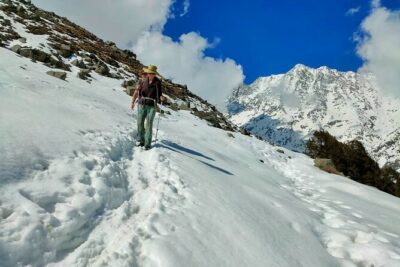
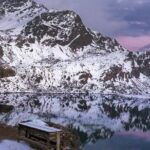
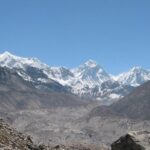
What I like most is the way the trek changes its “feel” as you go. You start in greener, lower country along river valleys. Then you climb into colder, higher terrain with stone villages and long views. By the time you’re near the Larkya region, you’re in a different world—ice, glacier scenery, and that thin-air feeling when your body works harder just to breathe.
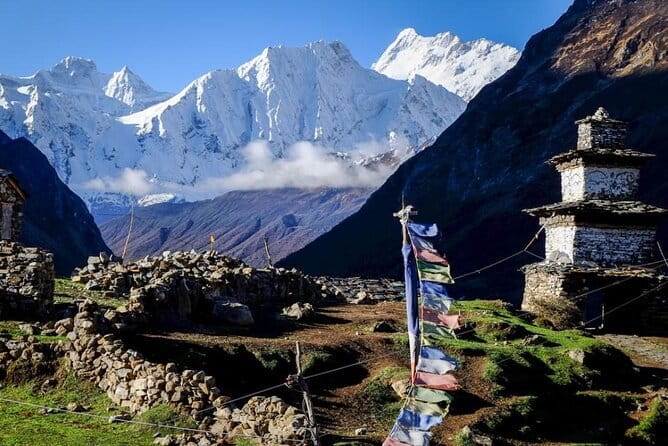
The route also has a cultural rhythm. Tibetan-influenced villages, monasteries, prayer flags, and mani walls aren’t just props here. They show up as part of daily life, and that’s the difference. You’re not rushing past culture to get to the next view.
Price and What You’re Actually Buying for $1,390
At $1,390 per person, the price isn’t “cheap,” but it also isn’t just paying for walking. This package includes the big cost drivers that often get added later on treks like this:
- Three full board meals (breakfast, lunch, dinner) during the trekking days
- Required permits and government taxes
- Deluxe bus transfer from Kathmandu to Sotikhola and from Besisahar back to Kathmandu
- Shared jeep transport from Dharapani to Besisahar
- A government-certified, fluently English-speaking guide
- Twin sharing private rooms throughout the trek
- A first aid kit
- A farewell dinner when you finish
For many hikers, that’s the real value: you spend less time negotiating gear, searching for paperwork, or stressing about meals. You’ll still need to budget for insurance, personal expenses, and porter services (the trip requires you to use one). Tips for the guide and other services are also on you.
So the math becomes: you’re paying for organization and support in a region where logistics matter. If you want a hands-on experience with fewer decisions for you to make, this price starts to make sense.
You can also read our reviews of more tours and experiences in Kathmandu.
Getting Started in Kathmandu: Pickup and a Clean Launch
The trek begins in Kathmandu, with a meeting point at P897+443, Kathmandu 44600, Nepal. Pickup is offered, and you’re near public transportation, which helps if you need to adjust plans.
Practically, this matters because Manaslu starts with a long travel day. You’ll be driving from Kathmandu to the trekking start area, and you don’t want to waste energy trying to coordinate your own transport and luggage.
Day 1: Kathmandu to Phedi Khola via Maccha Khola (The Long Roll-Out Day)
You’ll leave Kathmandu and drive toward Maccha Khola, passing through rural villages and green hillsides. The day is long—listed around 12 hours—and the note about possibly changing transportation from Soti Khola onward tells you this is a flexible road setup.
This is a good day for what I call “trek headspace.” You’re not yet working hard on the trail, but you are switching from city pace to mountain pace. Keep your layers ready, hydrate even when it’s not hot, and don’t plan any big sightseeing beyond the ride.
Day 2: Maccha Khola to Jagat, Past Tatopani’s Hot Springs
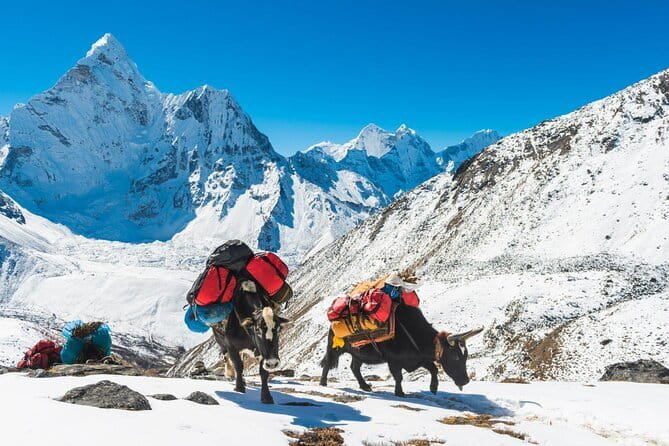
From Maccha Khola, you trek along the Budhi Gandaki River. Along the way, you pass the natural hot spring at Tatopani. That’s a classic moment on this kind of trek: your legs are warming up, and then you get a reminder that Nepal’s mountain water runs deep.
You also enter the restricted region and reach Jagat, where stone houses show up in that more remote, village look. One thing to know: because this area has restrictions, you’ll feel more like you’re walking through a local place rather than a commercial trekking strip.
Day 3: Jagat to Deng (A Quiet Day for Body and Rhythm)
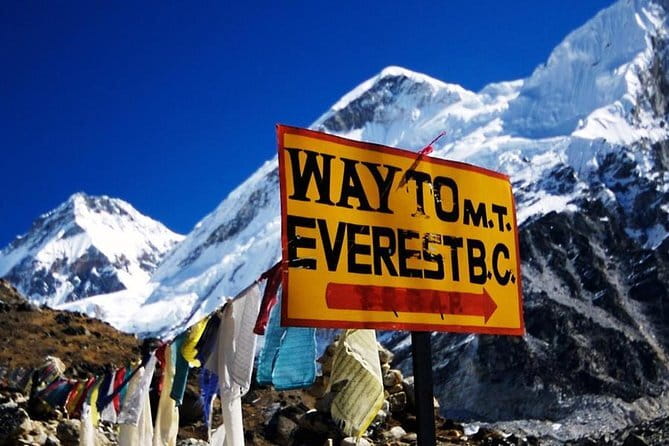
Day 3 heads from Jagat to Deng. This is one of the “settling in” days where you learn the rhythm: walk, small breaks, eat on schedule. The trek time is again listed around 12 hours, so you should expect a long day even if the elevation profile is not described in detail here.
If you want to do well on Manaslu, don’t race these earlier days. The pass days demand energy.
Day 4: Deng to Namrung, Prok Village and Mani Walls
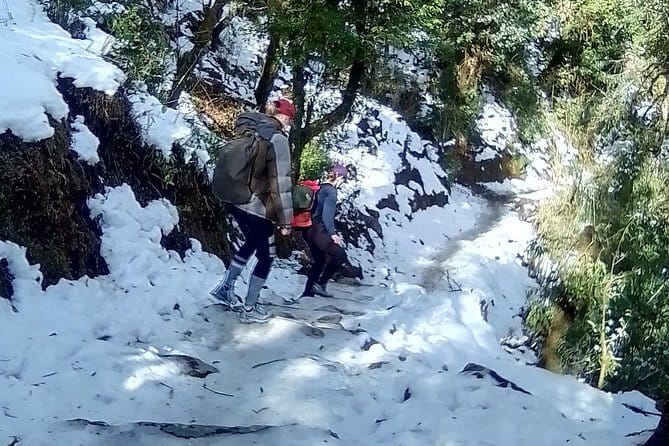
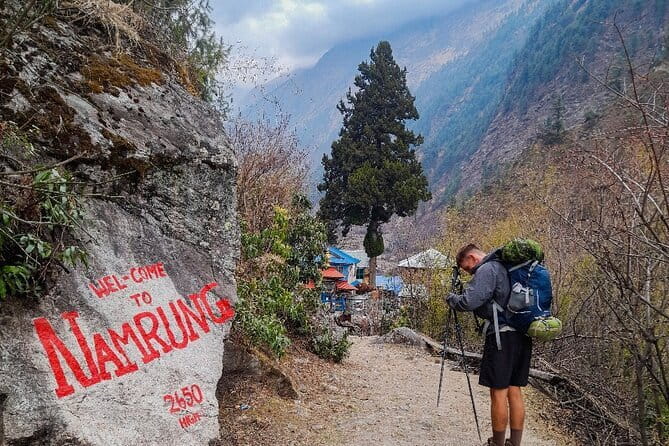
You continue toward Namrung. The highlight is the Prok village, mani walls, and forested sections. Mani walls matter on the trek because they aren’t just pretty. They’re part of how faith and daily life travel together across generations.
This kind of day also gives you a chance to notice light and weather. In the mountains, clouds can change fast, and a trail that looks one way at lunch can feel totally different by evening.
Day 5: Namrung to Shyala (More High-Country Village Time)
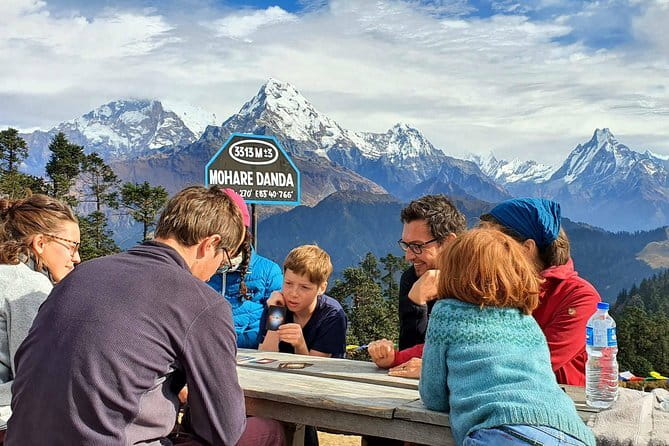
You hike from Namrung to Shyala. Even without a listed specific landmark, this is still an important link day. By now, your body is adjusting to trekking longer hours, and your planning should focus on staying warm, eating well, and keeping a steady pace.
In these middle days, it’s common to start caring more about small comforts—dry socks, a hot drink, a room that’s not freezing. This itinerary helps because meals are handled and you’re in private twin-sharing rooms.
Day 6: Shyala to Samagaun and Pungeyn Gumpa
Next comes Samagaun plus a hike to Pungeyn Gumpa. This is the day where the trek starts to feel more “sacred mountain” and less “just trekking.” Gumpas often mean calm, stone-and-butter-tea energy. Even if the walking feels steady rather than dramatic, these stops give you a mental break from pure altitude grind.
This is also a good day to practice your gear habits. Check your layers before you start. Keep what you’ll need for the afternoon easy to access. When you’re moving high in the day, small mistakes can feel bigger.
Day 7: Acclimatization Day at Manaslu (Optional Base Camp and Birendra Lake)
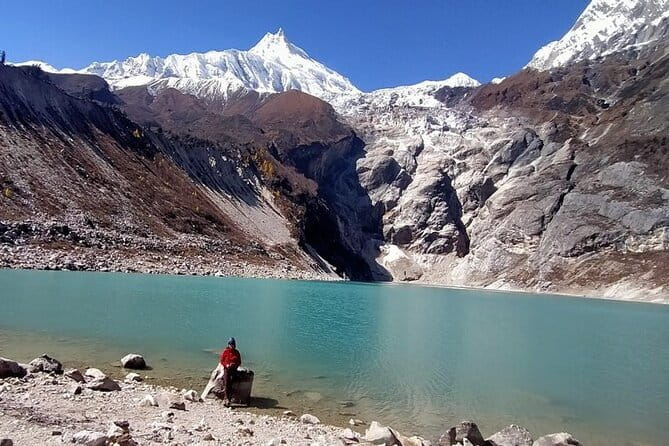
Day 7 is your acclimatization buffer at Manaslu, and it’s a big deal. You get the option of a day hike to Manaslu Base Camp and Birendra Lake, and the itinerary says this option is included.
This day is for making the rest of the trek possible. Skipping acclimatization is how people get into trouble at altitude, even if they feel strong. If you do the hike, go slow. If you don’t, rest matters too. Either way, hydrate and eat normally.
Day 8: Samagaun to Larkya La Area via the Budhi Gandaki
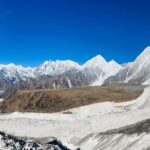
Now the scenery shifts again as you descend to the Budhi Gandaki River, cross a wooden bridge, and get to witness the Larkya glacier. Even with the day described as 12 hours, the glacier moment is the kind of payoff that helps you stay positive later when the pass days ask more from your legs.
This is also a practical day for timing. Bridges, river crossings, and glacier-adjacent sections mean weather can matter. If visibility drops, go slow and keep your footing careful.
Day 9: Icy Streams, Larke Bazaar, and the Push Toward Dharmasala
Day 9 is a trek through icy streams and Larke Bazaar, then an ascent toward Dharmasala. It also points out monasteries and mani walls again, so you get that cultural rhythm even as the terrain gets serious.
If you’re someone who worries about “will I be too slow,” this is where the private-group setup can help. You’re not dealing with a mixed-speed crowd, so your guide can manage pacing.
Day 10: The Larkya La Pass Day, Cho Danda, Larkya Peak, and Four Frozen Lakes
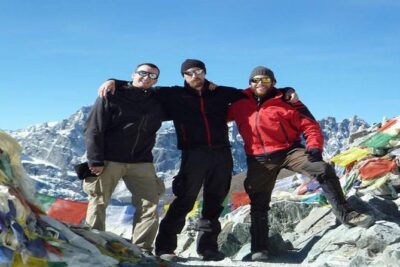
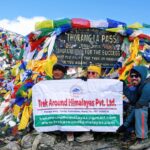
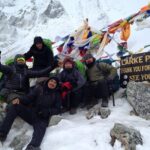
Day 10 is the iconic one: you work through challenging terrain to Larkya La Pass, with views of Cho Danda, Larkya Peak, and four frozen lakes.
This is the day to be mentally ready for the altitude feeling. Even if you’re fit, pass days ask for patience. The view is the reward, but the real win is making it there steady and controlled.
Also, this is where having support helps. The trek includes a guide with English skills and first-aid gear on hand. That doesn’t remove risk at altitude, but it makes planning and response faster if anything feels off.
Day 11: Dharapani—Forest Descent and Karche Village
After the pass, you descend through lush green forests toward Dharapani. You cross Dudh Khola, pass through Karche Village, and reach your lodge for the night.
This is a welcome reset day. The walking still takes effort, but the air feels different, and your body gets a chance to recover. On descent days, don’t get cocky. Knees can complain even when the views look easy.
Day 12: Jeep to Besisahar, Then Back to Kathmandu
The finish is part road. You take a jeep drive from Dharapani to Besisahar, then a 5-hour drive from Besisahar to Kathmandu. It keeps the ending from feeling like another brutal hike day.
This format is also a quality-of-life bonus: you’re less likely to end the trek feeling totally wrecked. Then you roll into Kathmandu with enough energy to grab food, shower, and process what you just did.
What the Included Meals and Rooms Really Change
Food and lodging on treks are not just comfort perks—they affect your hiking performance.
Here, you get three full board meals during the trekking stretch and twin sharing private rooms. That means:
- You can eat at consistent times rather than playing menu roulette in a tiny lodge
- You get somewhere private to rest your body and reset
- You don’t have to coordinate daily logistics for breakfast and dinner
On longer days, that lowers stress. And less stress usually means you’ll walk better.
Guides, Porters, and the Human Side of Manaslu
The biggest “how it feels” factor on any trek is people. In the experiences shared with the operator, the guide support stood out again and again. Names that come up include Bijaya, Krishna, Lakpa, and Tenji. Porters like Nema are also mentioned for making the journey smoother.
What you can take from that: choose your trek with the understanding that the guide isn’t just route management. A good guide helps you interpret what you’re seeing and keeps the day moving at a safe pace. If you’re new to Nepal trekking, that matters even more.
Porters are required on this trek. The data also says you can hire a porter from Kathmandu or at Sotikhola. Plan for that in your budget and think about what you truly want to carry—water, layers, snacks, and your essentials should stay manageable.
The Real Cultural Moments: Monasteries, Mani Walls, and Village Music
Manaslu isn’t only about climbing. It’s about passing through communities shaped by Tibetan influence. You’ll see:
- Mani walls along parts of the route
- Monasteries and prayer-flag styles of faith in high-country villages
- Moments where local music and dance may appear in everyday village life
Even if you’re not religious, these are the moments that make your trek feel like contact with real people, not just scenery. And because restricted access keeps numbers lower, those encounters are more likely to feel human-scale.
Who This Trek Fits Best (and Who Should Rethink)
This tour is a good match if you:
- Want a quiet Himalayan trek with fewer crowds
- Are comfortable with long walking days and higher altitude
- Appreciate cultural stops like monasteries and mani walls
- Prefer a guided structure with meals and lodging handled
You might want to rethink if you:
- Are very sensitive to altitude and don’t have a good fitness base
- Don’t plan to use a porter even though it’s required
- Hate long travel days, since the start and finish include long drives
Should You Book Dancing in the Manaslu Circuit Trek?
I’d book it if your goal is Manaslu’s mix of big scenery and real village life without feeling swallowed by crowds. The package looks strong for value because it includes permits, full board meals, transfers, certified guide support, and lodging, plus that all-important acclimatization day.
I would hesitate if you’re hoping for an easy stroll. This route is built for effort. Also plan your added costs early: insurance, porter, and tips.
If you’re the type of traveler who likes quieter routes, slow cultural moments, and a pass day payoff at Larkya La, this trek fits your style.
FAQ
How long is the Manaslu Circuit trek?
It’s listed as 12 days (approx.).
Where does the trek start and end?
It starts at P897+443, Kathmandu 44600, Nepal. The activity ends back at the same meeting point in Kathmandu.
What’s included in the price?
The package includes three full board meals during the trek, required permits and government taxes, deluxe bus transfers in both directions, shared jeep transport from Dharapani to Besisahar, a government-certified English-speaking guide, twin-sharing private rooms, a first aid kit, and a farewell dinner.
What is not included?
Travel insurance, personal expenses (like phone charge, laundry, mineral water, and hot water), porter services (required), and tips for the guide and other services are not included.
Do you need to bring a porter?
Yes. A porter is required for the trek, and you can hire one from Kathmandu or at Sotikhola.
Is pickup provided in Kathmandu?
Pickup is offered.
What level of fitness do I need?
The trek asks for a moderate physical fitness level.
Is this a private group?
Yes. It’s described as a private tour/activity, so only your group participates.
Do I need good weather?
Yes. The experience requires good weather, and if it’s canceled due to poor weather, you’ll be offered another date or a full refund.
Is there free cancellation?
Yes. You can cancel up to 24 hours in advance for a full refund; canceling less than 24 hours before the start time isn’t refunded.