REVIEW · NEW DELHI
Dalai Lama Himalayan Trek
Book on Viator →Operated by Manu Adventures India · Bookable on Viator
The Himalayas change the way you see everything. This 11-day trek pairs a Delhi spiritual warm-up with a real mountain experience: donkey-carried gear, starry nights, and first views of big peaks from Triund. Two things I really like are the smooth planning (train travel and transfers are handled) and the way the trek is built around warm camp comfort like fleece-lined sleeping bags and solid, cooked meals.
One thing to consider: this trip is aimed at people with strong physical fitness. You’ll be trekking for multiple days, and at points the trail is steep and rocky, so pacing matters and you’ll want to come prepared.
In This Review
- Key things that make this trek work so well
- Delhi first: start soft, then go high
- Akshardham and India Gate: the silver-and-gems contrast
- Pathankot to Dharamsala: the trip cools off fast
- Kareri trek day: donkeys handle the heavy stuff
- Naddi View Point: villages, tents, and surprisingly great food
- Rhododendrons and Magic View tea: the Triund approach
- Triund Hill: steep, rocky, and worth the stare
- McLeod Ganj descent and Tibetan-style dinner
- Cable car to Dharamsala and a few classic diversions
- Taj Mahal finale: plan for the emotional impact
- Returning to Delhi: last afternoon, Connaught Place, and calm pacing
- The “value” question: what the $1,463.90 gets you
- Camp comfort and the real rhythm of the trek
- Who this trek fits best
- Should you book the Dalai Lama Himalayan Trek?
- FAQ
- How long is the Dalai Lama Himalayan Trek?
- How fit do I need to be for this trip?
- Is airport pickup included?
- What meals are included?
- What transportation is included between major destinations?
- What’s the group size limit?
Key things that make this trek work so well
- A guided route with donkey support so you carry less while still walking the trail yourself
- Camp setup that feels cared for, including thick mattresses, warm tents, and fleece-lined sleeping bags
- That first big-peak moment at Triund Hill, which is both steep and unforgettable
- Spiritual stops that are more than checklist tourism, like Akshardham and Hanuman’s Monkey Temple area
- A smart mix of transport styles, from sleeper train to cable car, so you spend more time moving with purpose
- A grand finale at the Taj Mahal, paired with a celebration meal near the monument
Delhi first: start soft, then go high
This trip doesn’t rush you into the mountains. It starts in Delhi, because slowing down at the beginning helps you absorb what comes next. You’ll land, get transferred to your hotel area, and have a little time to stretch your legs and get your bearings.
Day 1 kicks off in a very practical way: a stop at TWG Tea Boutique at the airport, then an airport transfer and time to settle in. The bonus is that Hanuman’s Monkey Temple is nearby, so you get a glimpse of local temple life without needing a long ride on your arrival day. Even if you’re tired, the first sensory hits are easy to handle: sights, sounds, and that sense of a city that’s alive.
I also like that you’re not stuck all day in transit. You get a few hours to do something simple, like wandering around the temple area and orienting yourself, which makes the next travel day feel smoother.
Akshardham and India Gate: the silver-and-gems contrast
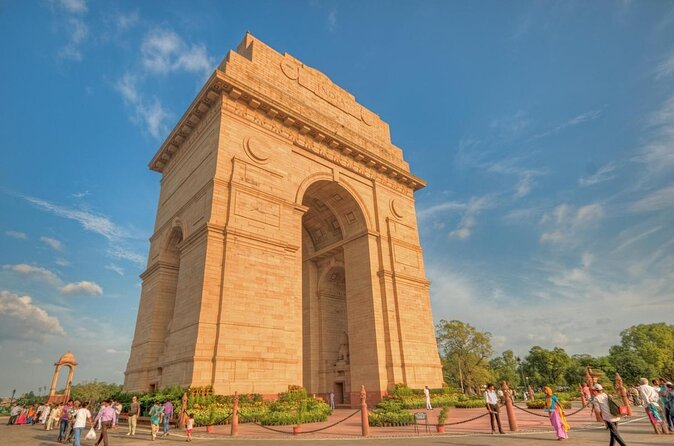
On Day 2, the focus shifts to two big Delhi landmarks, but you’re not just doing photos and leaving. You’ll visit Akshardham Temple, famous for its glittering, silver-clad look and its emphasis on religious devotion. The vibe is orderly and visually intense, and the way the lights and materials catch your eye makes it feel like a crafted experience, not a random stop.
After that, you’ll spend time around India Gate. It’s a classic, but what helps here is timing and flow. You’re doing these sights early in the trip, before the hiking days start to dominate your brain.
A personal tip: if you’re the type who likes to really look, build in a slower pace here. Akshardham in particular rewards taking your time rather than moving through it like a checklist.
Pathankot to Dharamsala: the trip cools off fast
Day 3 is where the temperature shift becomes real, even if you’re still eating and sleeping like a city traveler. You’ll arrive at Pathankot station, grab breakfast at a local open-air restaurant, and then head on toward Dharamsala.
After checking into your hotel in Dharamsala, the schedule includes time to wander. That matters, because Dharamsala doesn’t feel like a one-day stop. It’s the kind of place where small streets and views start to set the tone for the trek. You’re also moving into the exiled home and temple area connected with the Dalai Lama, which adds emotional weight to the days ahead.
Kareri trek day: donkeys handle the heavy stuff
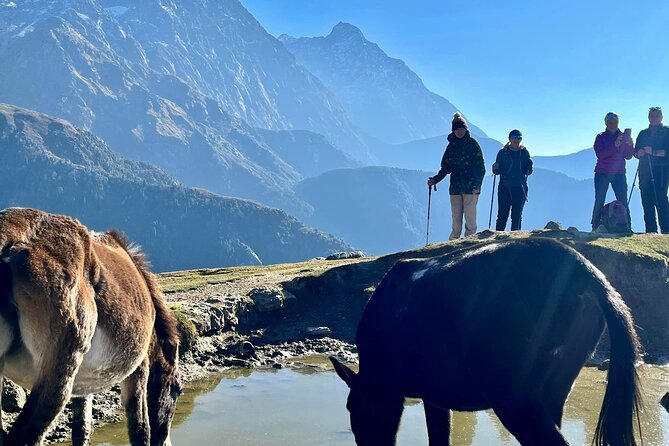
Day 4 is your first true trekking day, but it’s paced in a way that makes the whole trip feel human. After greeting the team, you’ll meet the donkeys. Their job is to move belongings, tents, and camp equipment between camps, which is huge. It means you can hike with just your day bags instead of hauling everything yourself.
The trail starts with a trek that runs through rural terrain and village life. This is where you begin to see what the trip is actually about: not a gym workout, but a slow walk through real places where people live, farm, and manage animals day to day.
You’ll likely feel it in your legs, but the donkey support keeps it from becoming a logistics-only struggle. It also helps you enjoy the moment-to-moment details: the sound of paths, the way villages sit against the mountains, and the fact that you’re trekking alongside local rhythm rather than just “through” a region.
Naddi View Point: villages, tents, and surprisingly great food
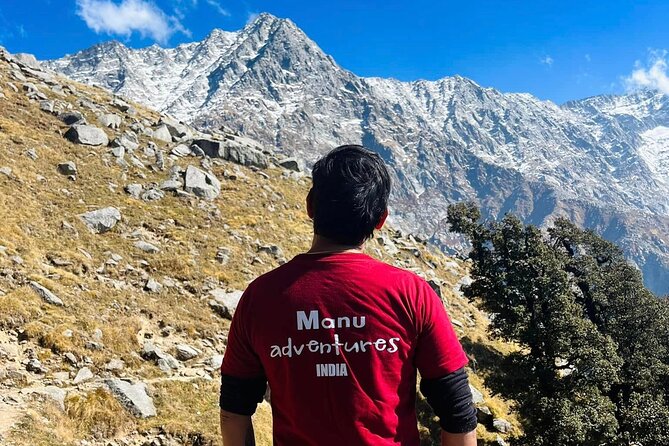
Day 5 turns gentler, with a trek that undulates through rustic areas. You’ll pass families living their daily life, with goats and cows in the mix. Kids’ energy and everyday routines are part of what you’ll remember, because it makes the trek feel grounded instead of staged.
This is also a day where I’d watch the food angle closely. The schedule mentions delicious tent breakfast, and reviews back this up with praise for meals cooked for you and camp comfort. In practice, that means fuel is taken care of. When you’re trekking, good meals stop being a luxury and start being a core part of safety and enjoyment.
You’ll reach the Naddi View Point area, and the view payoff comes from steady progress rather than a single dramatic climb. If you like hiking that feels like storytelling, this is the day you’ll appreciate most.
Rhododendrons and Magic View tea: the Triund approach
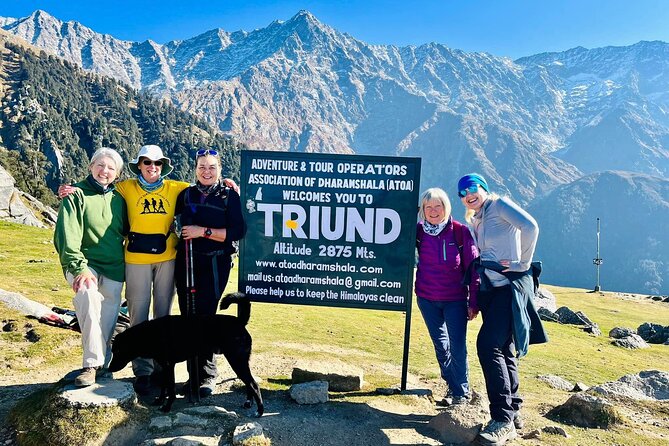
Day 6 brings you deeper into the route, crossing little bridges and moving through a forest of rhododendrons. Then you’ll stop at a tea break spot referred to as Magic View, built around the steady height and the reward of seeing more as you climb.
This day matters for two reasons. First, it’s the bridge between “learning the trail” and “feeling the mountains.” Second, it’s one of the days where your camp routine becomes clear: you’re trekking, then you’re settling into camp again, under night skies that are described as star-filled.
I’d treat this day as your warm-up for the biggest emotional hit of the trek. When people talk about Triund Hill, they’re usually thinking about the next day too, but Day 6 is when the sense of scale begins to grow.
Triund Hill: steep, rocky, and worth the stare
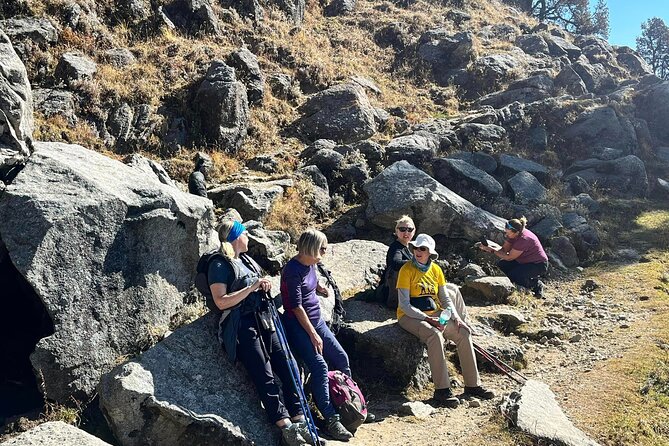
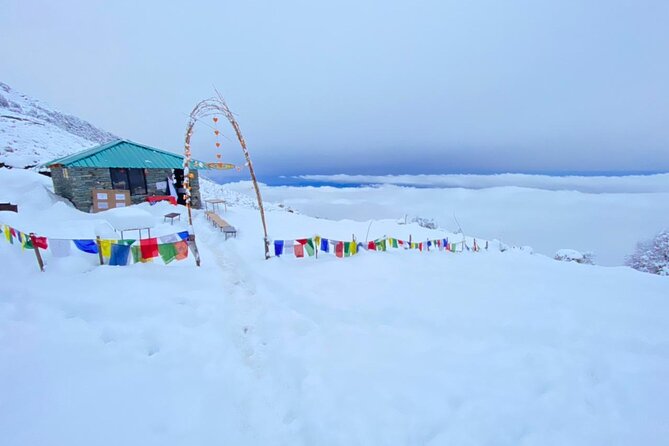
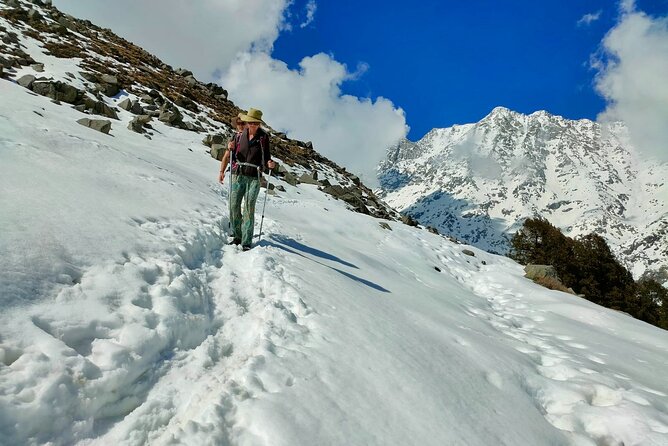
Day 7 is where the trek goes from scenic to breathtaking. The trail to Triund Hill can be steep and rocky, and the payoff is your first clear sight of the huge peaks that dwarf you.
You’ll feel a mix of effort and awe here. That combination is why this trek earns its lifelong reputation. It’s also why pacing matters. If you go too fast, you’ll burn your legs before you burn the moment into memory.
The quiet is part of the experience as well. The description includes eerie silence as you spend time up high, which is exactly what changes your headspace. It stops being about the route and becomes about the sky, the altitude, and how small you feel next to snowline giants.
McLeod Ganj descent and Tibetan-style dinner
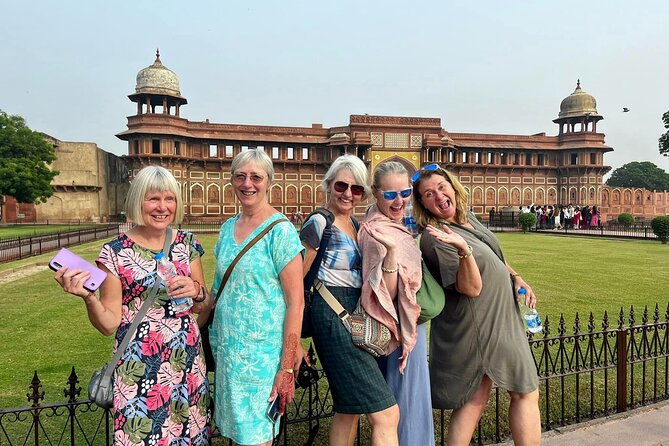
After a breakfast with a view, Day 8 is your descent back toward McLeod Ganj. You’ll go at your own pace, and that freedom helps here. You’re coming down from high effort, so having the chance to walk comfortably instead of being rushed is a genuine quality-of-life feature.
Once you arrive back in the Dharamsala area, you’ll have time for a shower and rest. Then comes a Tibetan-style feast for dinner, which feels like a well-earned reset.
This is also where the trip shifts back toward culture and recovery. Instead of trekking rhythm, you get human rhythm: eating, washing, resting, and then heading toward more local sights on the next day.
Cable car to Dharamsala and a few classic diversions
Day 9 includes a brand-new cable car ride from McLeod Ganj to Dharamshala, plus time for two very specific activities: a tea plantation visit and the world-famous cricket stadium.
This mix is practical and fun. A tea plantation connects the region to something everyday people do and harvest. The cricket stadium brings modern India into the mix after days of mountain silence. It’s a reminder that you’re not just visiting a scenic backdrop. You’re in a living culture.
In the evening, you’ll transfer to the railway station at Pathankot. Then you’re set up for travel toward the next major highlight.
Taj Mahal finale: plan for the emotional impact
Day 10 is the big “finale” day. You’ll head to the Taj Mahal, and the focus is clear: it’s unique, drenched in history, and built to make you stop and stare. The day also includes a celebration meal near the monument area.
This is one of those moments where you should keep your schedule flexible in your mind. You’ll want time to walk slowly and take in proportions, light, and the way people move through the space. If you only do quick sightseeing, you’ll miss why this place hits so hard for so many people.
Returning to Delhi: last afternoon, Connaught Place, and calm pacing
Day 11 closes the loop with time back in Delhi after a transfer from Agra. Your last afternoon gives you options, which I appreciate after a physically demanding trip. You can shop around Connaught Place, or you can spend time looking at other preserved areas where you can slow down and absorb the city one more time.
This is the right kind of final day. It’s not another long tour day with big exertion. It’s space for a last meal, a souvenir run, and a quiet moment before you fly.
The “value” question: what the $1,463.90 gets you
At $1,463.90 per person for roughly 11 days, this trek is not a budget trip. The value comes from the parts that typically cost time and stress when you plan yourself:
- Transport is handled, including train tickets and air-conditioned vehicle transfers. That alone saves a lot of coordination.
- Meals are built in: dinners (11), breakfasts (10), and lunches (5). When you’re trekking, meal planning can become a hidden headache.
- Camping comfort is part of the package. Reviews highlight warm, dry tents, thick mattresses, and fleece-lined sleeping bags, plus food cooked for you.
- A guided trek model with donkey support reduces the burden on your body and your bag.
If you’re trying to DIY this route, the hardest parts are usually not the scenery. It’s getting consistent logistics, safe trail support, and reliable camp comfort. This trip sells you those inputs up front.
Still, keep expectations realistic. You’re paying for a lot of moving pieces and a trekking experience that’s meant to feel supported.
Camp comfort and the real rhythm of the trek
The experience isn’t just about views. It’s also about how the days feel between the views. You’re camping next to clear, babbling springs under starry skies, which sounds poetic because it’s also practical: the camp locations are chosen for a reason, and you’re meant to enjoy the stillness.
From reviews, the camp setup is described as warm and comfortable. That includes warm dry tents, thick, comfy mattresses, and fleece lined sleeping bags. Those details matter because mountain nights can drain your energy fast if you’re cold. When camp gear is reliable, you can actually enjoy the next day’s hiking.
And that food quality shows up repeatedly in praise: breakfast in a tent setting, and meals cooked for you that are more than edible.
Who this trek fits best
This is best for you if you want:
- a mix of Delhi culture + a Himalayan trek, not just one or the other
- the mountain experience without carrying every ounce of camp gear yourself
- guided support and a group structure (max 35 travelers)
It may be less ideal if you’re looking for a purely gentle stroll. The trail can be steep and rocky, and the overall fitness requirement is clearly described as strong.
Should you book the Dalai Lama Himalayan Trek?
If you want a trip that stitches together spirituality, real trekking effort, and big visual payoffs, I think this one is a strong match. The combination of donkey-supported logistics, camp comfort, and a route that builds from village paths to Triund’s peak views is a smart design.
I’d book if you’re ready for physical trekking days and you like your travel with structure. I’d be cautious if you’re not confident with steep, rocky sections or you prefer fully low-impact days. Also, note that this experience is non-refundable and can’t be changed if you cancel.
If you want an India trip that feels lived-in on the ground and then quiet and huge in the mountains, this one has a good chance of sticking with you.
FAQ
How long is the Dalai Lama Himalayan Trek?
It’s about 11 days in total. The trek portion runs for about five days in the Himalayas.
How fit do I need to be for this trip?
The tour notes that you should have a strong physical fitness level.
Is airport pickup included?
Yes. An airport transfer is included as part of the Day 1 arrival plan, and pickup is offered.
What meals are included?
Dinner is included for 11 days, breakfast for 10 days, and lunch for 5 days.
What transportation is included between major destinations?
You’ll use train travel (train tickets are included), and you’ll also use an air-conditioned vehicle for transfers. There’s also a cable car ride between McLeod Ganj and Dharamshala.
What’s the group size limit?
The maximum group size is 35 travelers.