REVIEW · POKHARA
Mardi Himal Trek Fixed Departure (March 1,7; Nov 3,10,17 2023)
Book on Viator →Operated by Trekking Guide in Pokhara · Bookable on Viator
This trek is small, scenic, and very doable. Mardi Himal brings you from forest paths to ridgelines with an Annapurna panorama, and you top out around 4200m. I especially like that it is run as a fixed departure with pickup/transfer support, and that you finish each hard day with a hot meal and warm fire waiting. One thing to consider: you are hiking high with limited lodging, so you’ll need the right mindset for early starts and basic tea-shop stopovers.
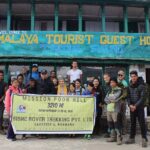
What makes this experience feel practical is how much is handled for you. Your licensed guide (Roshan Thapa) helps with route know-how and safety, and they take care of your trekking paperwork. The trade-off is that the trek price is low, but key items are not automatically included (like your insurance and personal trekking gear), so you’ll want to plan those details before you go.
In This Review
- Key Points I’d Plan Around
- Entering Mardi Himal: Why This Trek Feels Different
- Getting to the Trail: Pokhara to Phedi (and Why the Start Matters)
- Day One Highlights: Dhampus Village Life and Pitam Deurali Views
- The Low Camp Day: Forest-to-Ridge Effort at Around 2970m
- High Camp at 3550m: Shorter Time, Noticeably More Altitude
- Base Camp Morning Near 4210m: Early Start and the Height Clarification
- Final Descent: Sidhing, Lumre, and Back to Pokhara
- What You Actually Get for the Money
- Your Guide Team: What Roshan’s Approach Adds
- Porters Are Optional for a Reason (Use That Choice)
- Practical Tips That Make the Trek Feel Easier
- Who This Trek Suits Best
- Should You Book This Mardi Himal Fixed Departure?
- FAQ
- What is the duration of this Mardi Himal trek?
- What elevations does the trek reach?
- Is pickup and transfer included?
- What is included in the price?
- Are porters included?
- Who handles the trekking permits?
- Do I get private rooms?
- What fitness level do I need?
- What if weather is poor?
Key Points I’d Plan Around
- Fixed departures from Pokhara: fewer decisions for you, more time to focus on the hike
- Meals on trek + lodge stays on sharing basis: budget-friendly comfort, but expect basic rooms
- Guides included, porters optional: hire help for your pack if you want an easier climb
- Permits handled in advance: you’ll pay the permit fee in Nepalese currency, but paperwork is sorted
- Base Camp altitude correction: the route notes that Base Camp is closer to ~4210m than the older 4500m figure
Entering Mardi Himal: Why This Trek Feels Different
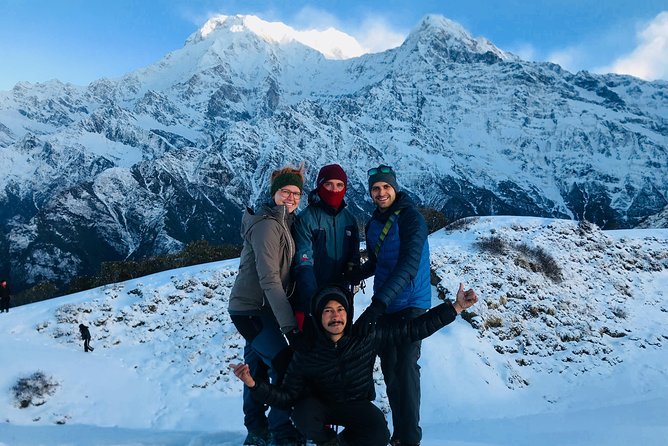
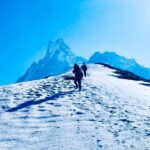
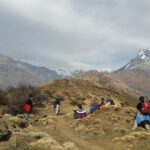
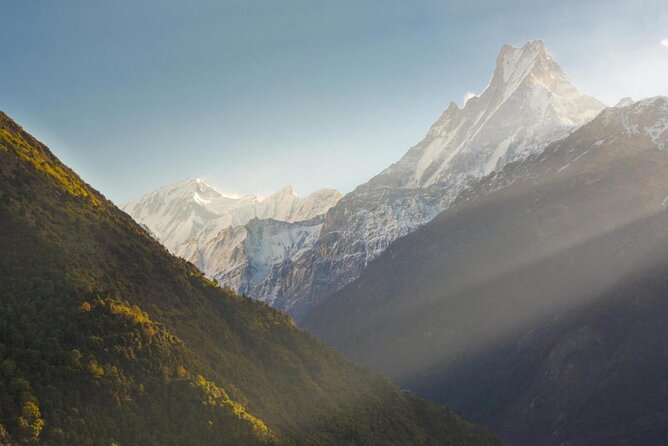
Mardi Himal sits in the Annapurna region but doesn’t feel as crowded as the big-name trails. That matters because the trek rhythm becomes yours: steady mornings, patient climbing, and viewpoints that actually feel earned. Even when the day is long, the scenery shifts in a way that keeps your attention—starting in warmer forest and valleys, then gradually turning into colder, more exposed ridge walking.
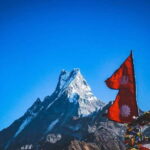
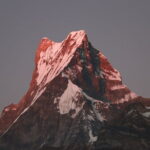
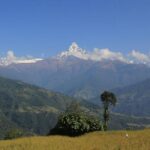
You also get real Annapurna views from villages along the way. That’s not just a single postcard moment. It’s a slow reveal, with angles changing as you gain height and move through different terrain.
You can also read our reviews of more tours and experiences in Pokhara.
Getting to the Trail: Pokhara to Phedi (and Why the Start Matters)
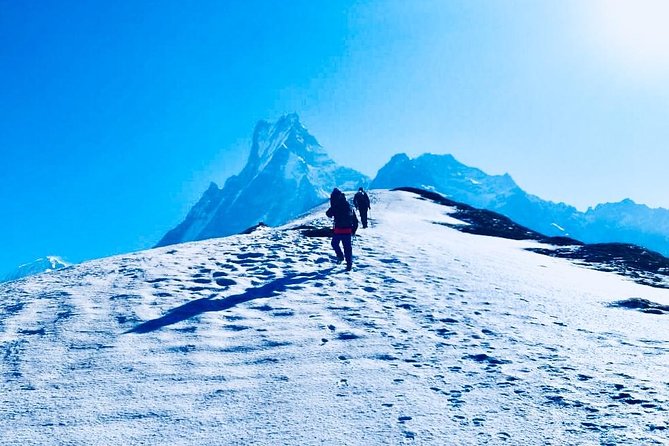
Your trek begins with a drive from Pokhara to Phedi after breakfast, around 50 minutes. This setup is great because you don’t lose half your day on transport. You’ll start trekking soon after, so your legs get into the rhythm early.
Once you’re on the trail, the first walking segment runs from Phedi to Dhampus to Pitam Deurali, taking about five hours. You’ll stop for lunch at Pothana, then settle in for dinner and overnight at Pitam Deurali at about 2140m.
Why I like this first day: you’re not thrown into pure altitude right away. You get to feel the trail, meet the local village life, and adjust to hiking style before the real climbing begins.
Day One Highlights: Dhampus Village Life and Pitam Deurali Views
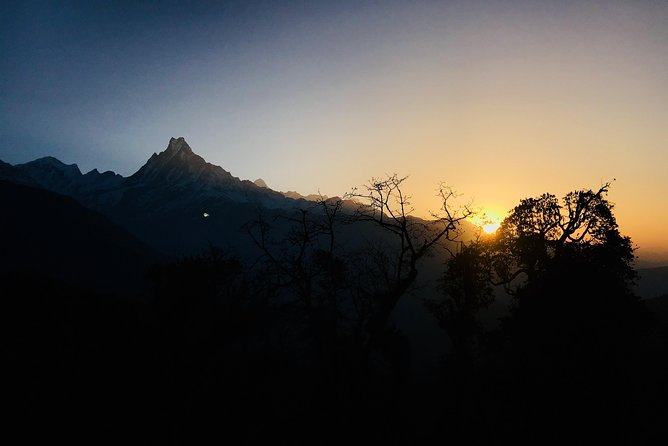
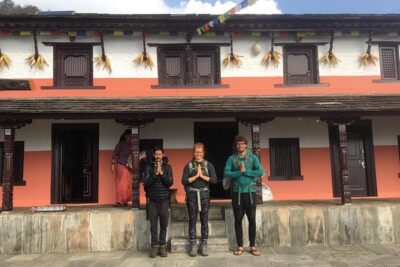
Dhampus is more than a waypoint. It’s a naturally beautiful village with local Gurung and Brahmin communities, with traditional structured houses and farmland terraces. If you like seeing how people shape the land, this is one of the more interesting early segments.
The views are also a big payoff. From the ridgeline angles, you can look down toward the Pokhara valley and out toward the Annapurna mountains.
A small practical note: this day is about mixing a trek with cultural stops, so don’t pack your schedule too tightly. Wear comfortable shoes, keep water handy, and let the day unfold. The pace is friendly, and it sets you up well for the longer days after.
The Low Camp Day: Forest-to-Ridge Effort at Around 2970m
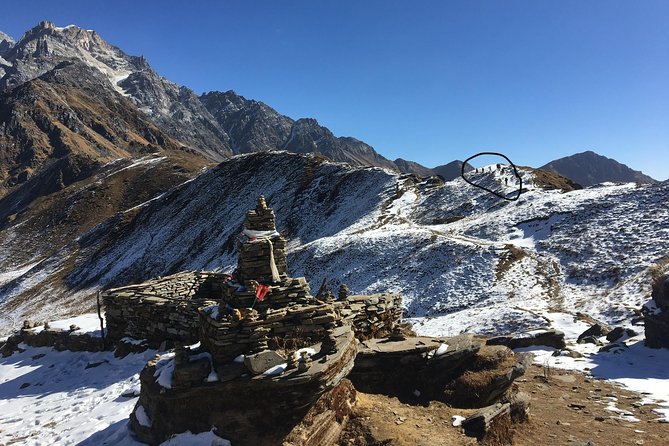
Day two pushes longer. After breakfast (listed for 8:00am), you hike to Low Camp around 2970m, about seven hours. You’ll have lunch at Forest Camp, which helps break the day into manageable chunks.
This is also your first serious acclimatization step. The body adjusts better when you keep a steady pace rather than sprinting. If you’re the type who gets excited by views and speeds up, watch that urge. Slow and consistent keeps your breathing calm.
The upside of Low Camp: it’s a more comfortable base for the next push. You’ll have dinner and overnight there, so you can settle in before the higher segment.
High Camp at 3550m: Shorter Time, Noticeably More Altitude
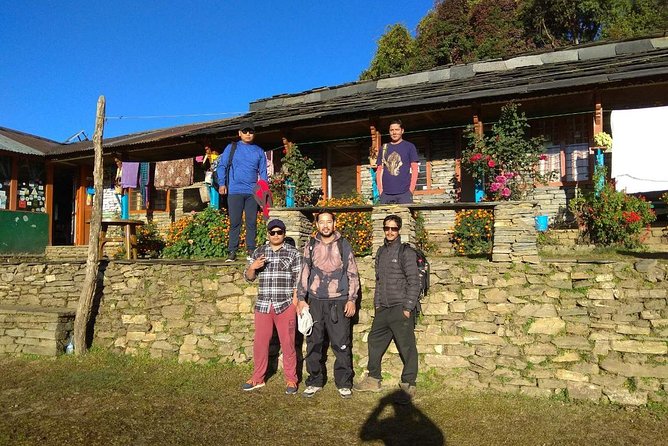
Day three is a shorter walking time but a meaningful altitude jump. You trek to High Camp (about 3550m) in roughly three hours. The day includes lunch, dinner, and overnight at High Camp.
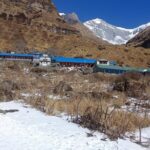
Here’s what you should know before you go: High Camp is where your final proper accommodation is. Beyond that in the morning, you may find tea shops, but not lodging or proper food stops in the way you’d expect lower down. That’s why planning matters. Bring what you need, and don’t assume there will be a full menu waiting further along.
Also, start paying attention to how you feel. At this height, even a normal pace can feel heavier. Hydrate, move steadily, and accept that this is a “work with your body” day, not a “win the climb” day.
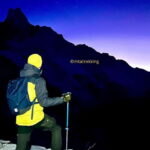
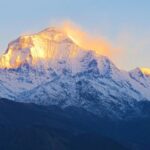
Base Camp Morning Near 4210m: Early Start and the Height Clarification
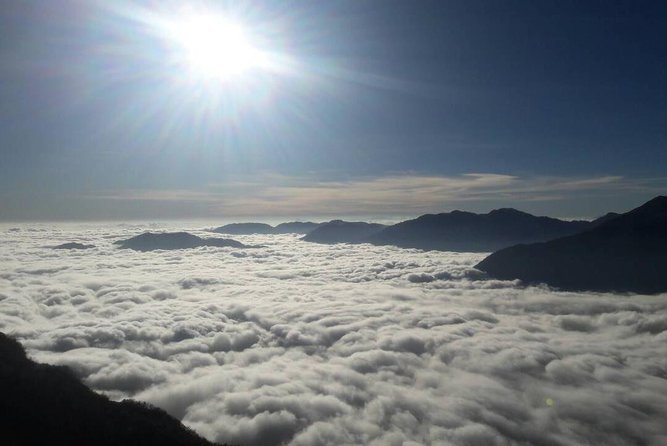
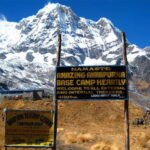
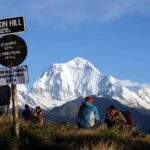
Day four is the big moment, and it begins early. You’re set for tea/coffee around 4:30am, then you carry a packed breakfast and hike to Mardi Himal Base Camp at about 4210m. The walking time listed is about four hours including tea breaks.
You’ll see an important altitude note tied to this trek: some old data places the base camp around 4500m, but the route states it has been measured lower in recent years—about 4210m. In plain terms: don’t get stuck mentally on a number. Get prepared to feel altitude, regardless of the exact figure.
After you reach Base Camp, you return to High Camp (about two hours), have lunch, then continue down to Low Camp again (around two hours and a bit, listed as 2 hours 15 minutes). Dinner and overnight follow at Low Camp.
This is a long day in total hours, even if the Base Camp segment feels like the highlight. The win is that you get a clear objective, plus the satisfaction of returning to a place where you’ll sleep well.
Final Descent: Sidhing, Lumre, and Back to Pokhara
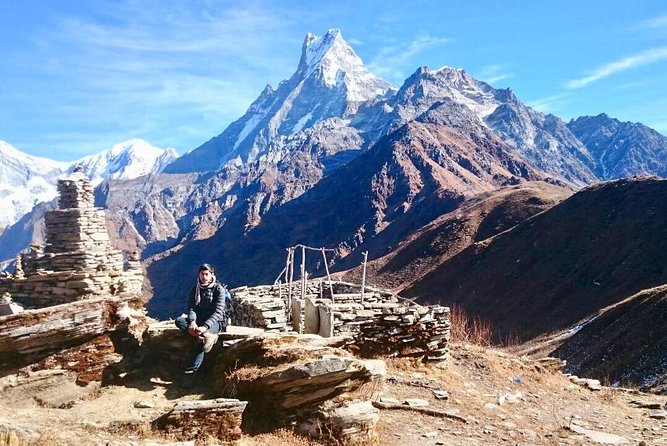
Day five is about getting your legs back. After breakfast, you hike down to Sidhing around 1900m, about three hours. You’ll have lunch at Sidhing, then continue down to Lumre (around 1190m) in about two and a half hours.
After that, you drive back to Pokhara, listed at around 1 hour 45 minutes.
This day is where you’ll feel the terrain most. Downhill can be harder on knees than uphill is on energy, so take it slow. Short steps help. Keep your pack close to your back if you’ve hired help or if you’re wearing a smaller load.
What You Actually Get for the Money
The price shown is $13 per person, which is extremely low for a multi-day guided trek with meals and lodging. The value only makes sense when you read what is included.
Included:
- Accommodation on a sharing basis (private rooms are not always possible)
- Trek meals (so you’re not constantly buying food on the trail)
- Licensed guide and assistant guides depending on group size
- Food and accommodation for the guide and assistant guide
Not included:
- Porters (available for an added $20 per day)
- Your insurance and trekking gears
- Your foods outside what’s provided on trek
- Trek transportation charges may be separate, though vehicles are arranged for the Pokhara–Phedi–Pokhara legs
- Trekking permits: you’ll issue them yourself through the process they handle, costing 5000 Nepalese currency per person
My practical take: this trek is priced like a budget-friendly way to do Mardi Himal with the key structure taken care of—guide, permits handling, and meal/lodge support. You’ll get the most value if you travel prepared (gear, health plan, and realistic expectations) so you’re not scrambling mid-trek.
Your Guide Team: What Roshan’s Approach Adds
The standout from the guide-focused feedback is consistency. Roshan Thapa comes across as organized and attentive, and that matters on a route where weather and altitude can change fast. You’ll want someone who can explain what you’re seeing and keep you moving safely.
From the provided details, Roshan also shares information beyond just route timing—covering aspects like the Annapurna Conservation Area and using the trek as a chance to learn about local life, plus flora and fauna. That turns some of the walking time into something mentally satisfying, not just physically demanding.
If you like traveling with a guide who feels like a companion (not a distant boss), this is a strong match. And if you’re nervous about heights or simply want reassurance, having someone experienced matters.
Porters Are Optional for a Reason (Use That Choice)
This trek includes guides but not porters by default. That’s not a downside; it’s an option. If you want an easier climb, hire a porter at $20 per day.
How to decide:
- If your pack is heavy and you’re worried about knees and breath, a porter can help a lot.
- If you’re confident with daypacks and want to keep costs down, you can hike without one.
- If you’re carrying extra gear, medication, or a bulky layer system, consider the porter choice.
Even with a porter, you’ll still do the walking. So choose based on comfort and safety, not pride.
Practical Tips That Make the Trek Feel Easier
Even with a planned route, you’ll enjoy it more if you handle the basics well.
Packing and clothing:
- Bring layers for big temperature swings. High points around 3550m and 4210m are colder, especially early mornings.
- Wear shoes you trust on rocky descents. You’ll spend a lot of day five going downhill.
Pace and altitude:
- Keep your pace calm during climbs to High Camp and Base Camp morning.
- Don’t assume the day will be easy just because High Camp looks close on paper. The altitude does the work.
Food expectations:
- Meals are included on trek, and you’ll have places like Lunch at Forest Camp, plus lunch at High Camp and Sidhing.
- Beyond High Camp in the morning, lodging may not exist, so follow the schedule and don’t count on a full stop later.
Group size:
- The trek runs up to 24 travelers. That’s big enough for energy but small enough that you usually won’t feel lost in the crowd.
Who This Trek Suits Best
This is a good choice if you want:
- A structured fixed departure from Pokhara
- A guided trek with meals and accommodation taken care of
- A route with serious views but not the biggest time commitment in Nepal trekking terms
It’s also a decent fit for first-time trekkers with a moderate fitness level—as long as you’re honest about your stamina. The highest point is around 4200m, and you should be comfortable walking for long stretches.
If you hate early mornings, day four might feel like a test. If you have knee issues or you know you struggle with downhill, plan for the option of a porter or pack lighter.
Should You Book This Mardi Himal Fixed Departure?
I’d book it if you want a well-run Mardi Himal trek where the big moving parts are handled: guide support, meals, lodge stays, and trekking paperwork. It also looks especially good if you like learning while you walk—Roshan’s style seems built around explanations, safety, and keeping you comfortable.
I’d think twice if you’re not prepared to handle basic lodging on a sharing basis or if you’re short on the extra items not included (insurance and gear). Also, if you’re not comfortable with early starts and cold mornings at altitude, choose a trek that fits your rhythm better.
If you do book, do it with a simple plan: pack smart, walk slow, and let the days build. Mardi Himal rewards that approach.
FAQ
What is the duration of this Mardi Himal trek?
The duration is listed as about 5 days.
What elevations does the trek reach?
The highest elevation is listed as about 4200m, with key camps at around 2970m (Low Camp) and 3550m (High Camp), and Base Camp around 4210m.
Is pickup and transfer included?
You get transfers arranged between Pokhara and the trek start/end area (Pokhara to Phedi and back).
What is included in the price?
Accommodation on a sharing basis, a licensed trekking guide, assistant guides (based on group size), and foods and accommodation for the guide and assistant guide are included, and meals are included on trek.
Are porters included?
No. Porters are available for an extra $20 per day if you want them.
Who handles the trekking permits?
Your permits and trekking documents are handled for you, but the permit fee is not included and costs 5000 Nepalese currency per person.
Do I get private rooms?
Accommodation is on a sharing basis, and private rooms are not always possible.
What fitness level do I need?
The trek is suggested for travelers with a moderate physical fitness level.
What if weather is poor?
This experience requires good weather. If it is canceled due to poor weather, you’ll be offered a different date or a full refund.