REVIEW · KIGALI
Kigali: Gorilla Trekking in Volcanoes National Park
Book on GetYourGuide →Operated by Unique Africa Ventures · Bookable on GetYourGuide
Gorillas start with an alarm clock at 4:30. This full-day outing moves you from Kigali to Volcanoes National Park so you can join ranger-led tracking for one of the world’s endangered great apes. It’s long, it’s muddy, and it’s seriously meaningful.
Two things I really like: the transport is well-managed, including an early start and a comfortable air-conditioned 4WD ride, and the day is built around the park’s own gorilla-tracking team once you arrive. One consideration: you’re signing up for a long hike window—trekking can run from 2 to 8 hours depending on where the gorillas go.
In This Review
- Key takeaways before you go
- 4:30 Pickup to Volcanoes National Park: The Real Start of Your Gorilla Day
- Musanze–Kinigi Drive and the Coffee Break That Keeps You Sane
- Permits and Price: What the $299 Package Really Means
- Quick value check
- Park Briefing, Gorilla Group Assignment, and the Rules That Matter
- The Trek (2 to 8 Hours): How to Stay Comfortable in Gorilla Country
- What to wear and pack (don’t wing it)
- What support looks like in the jungle
- Seeing gorillas clearly
- Lunch in Musanze and the Return to Kigali: Winding Down the Right Way
- Who This Gorilla Trek Is For (and Who Should Skip It)
- Should You Book Kigali Gorilla Trekking With Unique Africa Ventures?
- FAQ
- What time does the gorilla trekking day start?
- How long does the mountain gorilla tracking trek take?
- Is the gorilla tracking permit included in the $299 price?
- How much are porters if I want one?
- What should I bring for the trek?
- What shoes and behaviors are not allowed?
- Is the tour suitable for kids or allergy sufferers?
- Can I cancel and get a refund?
Key takeaways before you go
4:30 pickup means you’ll beat the day’s chaos
National Park staff do the gorilla tracking, your provider handles the logistics
Your permit may be separate from the $299 package price
Bring rain gear and real hiking shoes for a trek that changes with conditions
You’ll likely get support in the jungle via porters and trackers, plus ranger safety briefings
4:30 Pickup to Volcanoes National Park: The Real Start of Your Gorilla Day
Your day begins early, around 04h30, because finding gorillas is a moving target. The transport part matters more than you might think. A reliable 4WD ride, a smooth departure, and a driver who helps you stay on schedule sets the tone for the whole experience—especially on a day where you don’t want to waste minutes.
In practice, this is where the experience earns points: the driver support is direct and proactive. Several travelers highlighted their driver by name, like John, for being punctual, organized, and easy to talk with. That matters when you’re trying to get your bearings, answer last-minute questions, or stop briefly for an ATM. If you need help sorting your plan for the park day, this kind of calm, capable setup makes it feel less stressful and more doable.
You’ll drive toward Musanze–Kinigi (about 2h30 of driving), with time for at least one coffee break along the way. Expect the road journey to be part of the day’s rhythm, not a quick “getting there” afterthought.
You can also read our reviews of more tours and experiences in Kigali.
Musanze–Kinigi Drive and the Coffee Break That Keeps You Sane
The transfer is a big chunk of the day, and the schedule is built around it. After the morning pickup, you’ll head to the park headquarters area in Musanze–Kinigi, taking around 2h30 of driving with a break for coffee. That pause is not fancy, but it’s useful: you’ll likely want a moment to use the restroom, grab a little water, and reset before the formal briefing.
Here’s the practical bit: gorilla trekking is not a sit-and-watch tour. Your energy needs to last through a hike that can stretch out based on gorilla movement. So even if you’re tempted to treat the drive like downtime, it helps to use the coffee break well—hydrate, avoid heavy meals, and keep your daypack ready.
One more thing that’s easy to miss: people who have altitude sickness aren’t suitable for this activity. Rwanda’s region isn’t a high-altitude trek like some parts of the world, but the park visit can still be demanding. If you’re sensitive, plan ahead with your doctor and don’t assume you can “push through.”
Permits and Price: What the $299 Package Really Means
The price you’ll see is $299 per person—and the key detail is what it includes versus what comes separately.
What’s typically included in the package:
- Pickup and drop-off in Kigali
- Transportation in an air-conditioned 4WD jeep
- Driver guide
- Drinking water
- Tracking permit for international visitors if the option is selected
What’s not included (unless you selected the permit option):
- Mountain gorilla tracking permit: $1500 per international visitor and $500 for African residents
That means you should treat the $299 as the transport-and-service layer, not the full gorilla permission cost. For most travelers, the real budget hit is the permit. The good news is that you’re not flying blind: you’ll get help with getting ready for the park day, including guidance with permits paperwork. One of the strongest practical signals from traveler experience is how smoothly some people handled permits preparation with their provider before heading out.
Also consider this: in peak periods, permit availability can be tight. One traveler described a situation where permits were sold out on the official website, and the provider still managed to secure a spot through engagement with the authorities. That doesn’t guarantee results every time, but it’s a strong sign that the company takes permits seriously.
Quick value check
If you already have the gorilla tracking permit locked in, the package can be great value because it handles the hard parts: the early logistics, the drive, and getting you to the trek start on time. If you don’t have the permit yet, you’ll want to confirm exactly what’s included in your booking before you pay—so there are no surprises.
Park Briefing, Gorilla Group Assignment, and the Rules That Matter
Once you arrive at the park side, the day shifts from driving to the real event. You’ll be assigned to a gorilla group, then you’ll get a briefing from a ranger guide. This is where you learn what’s allowed, what isn’t, and how the trackers and ranger team expect you to behave for safety and animal welfare.
Two details I appreciate here:
- The gorilla tracking itself is done by National Park staff. Your provider is focused on getting you there and supporting logistics.
- The briefing sets expectations clearly, which helps you move through the trek without guessing. Several experiences emphasized how safety instructions are delivered and taken seriously.
You should also know the “no nonsense” rules before you go. For gorilla trekking in this park:
- Flash photography is not allowed
- Alcohol and drugs are not allowed
- Feeding animals is not allowed
- Avoid high-heeled shoes
- Wear the right clothing and gear for rain and trail
These rules are not just for show. You’re close to endangered wildlife, and you’re walking in a real forest ecosystem. Following the rules is what makes the encounter responsible.
The Trek (2 to 8 Hours): How to Stay Comfortable in Gorilla Country
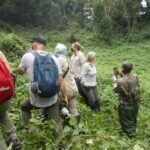
After the briefing, you’ll drive to the trekking starting point. Then the trek begins, and the length is not fixed. Expect it to last anywhere from 2 to 8 hours based on how the gorillas move.
That wide time range is why your preparation matters. You’re not doing a casual hike. You’re doing an animal-tracking day where the pace depends on living creatures, not a schedule.
What to wear and pack (don’t wing it)
Bring:
- Hiking shoes (this is non-negotiable)
- Rain gear (Rwanda’s weather can turn during the day)
- Hiking pants
- Daypack
- Biodegradable insect repellent
- Trekking gear
- Passport (a copy is accepted)
And leave at home:
- High-heeled shoes
- anything that encourages you to break rules (like flash photography behavior or alcohol)
A good daypack matters because you’ll want essentials accessible without rummaging. And rain gear isn’t just for comfort—it helps you keep walking safely when trails get slick.
What support looks like in the jungle
In practical terms, you’re walking through dense terrain. One traveler described how you can be matched with porters and trackers who help you navigate through thick areas (including clearing a path where needed). There’s also mention of an armed protector along for safety, which adds reassurance when you’re spending hours in remote forest.
Porters are optional. If you want one, budgeting for $10 can make sense, especially if you’d rather conserve energy for the trek rather than carrying everything yourself.
Seeing gorillas clearly
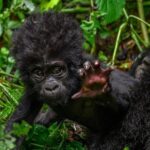
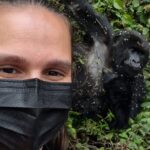
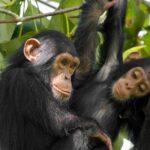
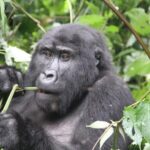
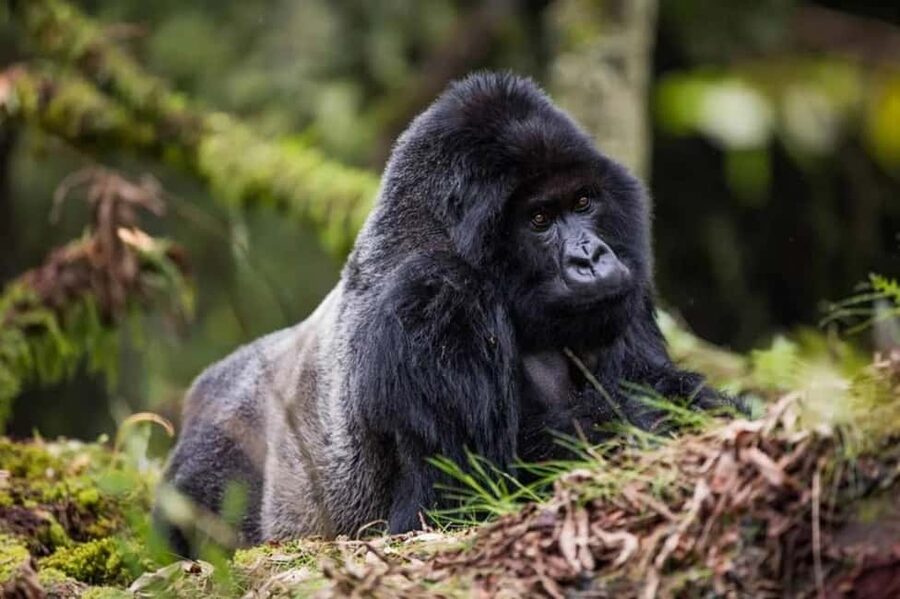
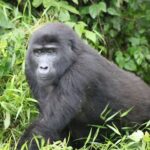
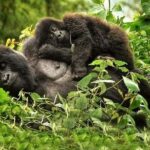
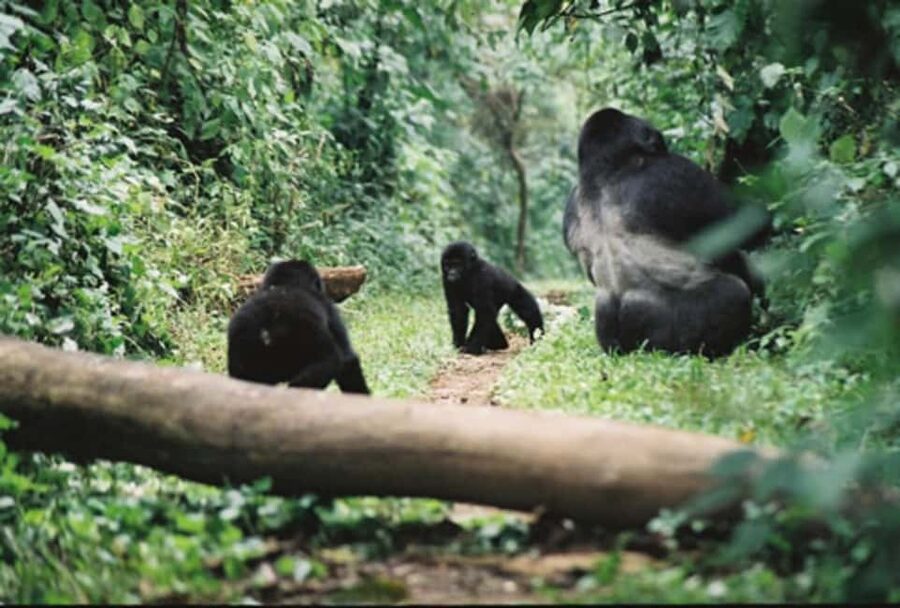
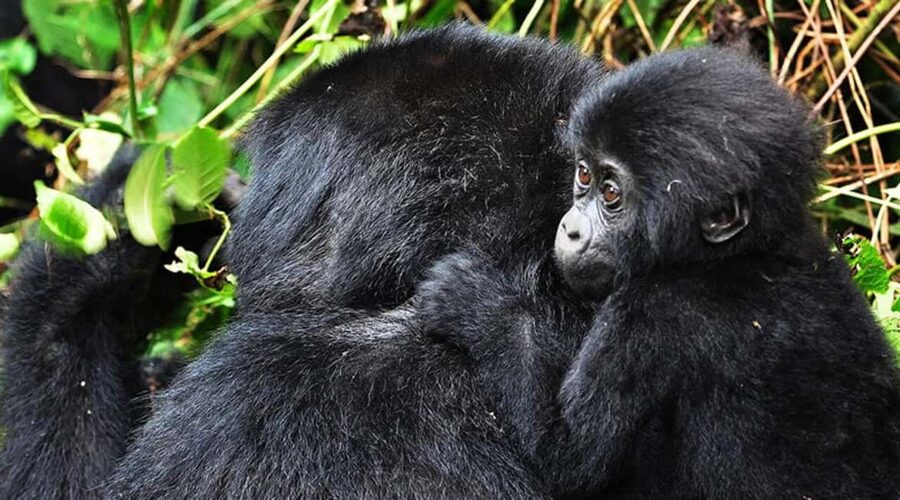
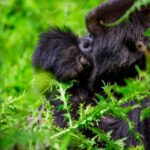
One of the most emotional parts of the day is simply location and visibility. People have reported seeing multiple gorillas clearly, even in mountainous terrain—though how lively a particular gorilla looks can vary. That’s normal. You’re watching a family in their environment, not a staged performance.
The bigger point: when the gorillas are near, the moment lands. When they’re farther, you’ll work for it with patience.
Lunch in Musanze and the Return to Kigali: Winding Down the Right Way
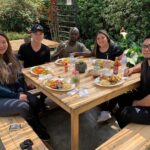
Once the trek is done, you won’t immediately jump back into another long session. You’ll be driven to Musanze for lunch, then continue with the drop-off back in Kigali.
This is a smart rhythm. Trekking can be physically demanding and mentally intense. A real sit-down lunch helps you recover before the final drive.
Also, it helps to remember that your day starts at 04h30 and can stretch long even when everything goes right. If you’re the type who forgets to eat during busy travel days, plan to stay mindful here. You’ll be happy you did.
On the return ride, your driver guide may also help answer questions you’re still thinking about—people specifically praised drivers like John for giving Rwanda background and being flexible if you need small stops along the way.
Who This Gorilla Trek Is For (and Who Should Skip It)
This is a big day in nature, with real rules and real walking.
Best fit:
- Adults and older teens, since it’s not suitable for children under 15
- People who can handle an early start and a hike that may run up to 8 hours
- Travelers comfortable following ranger instructions closely
Not a great fit if:
- You have animal allergies
- You deal with altitude sickness
- You aren’t willing to bring proper hiking shoes and rain gear
And one more practical note: this tour requires basic document readiness. A passport is required, and a copy is accepted, so have that information ready before the pickup.
Should You Book Kigali Gorilla Trekking With Unique Africa Ventures?
I’d book it if your priorities are reliability, smooth logistics, and a calm hand through the permit-and-journey side. The strongest reasons are practical, not fluffy:
- Transport is built around the early departure and the full day flow
- You’re linked up with park staff for the actual gorilla tracking
- Support can include help with permits paperwork and handling tight timing, with drivers like John earning praise for punctuality and good communication
I’d think twice if you’re not ready for the physical reality. The trek can be long, and the weather can be damp. If you can’t walk 2–8 hours in the forest conditions, you’ll likely feel miserable. Also, if you have an allergy or altitude sensitivity, respect the limitation.
If you want a responsible way to meet one of the world’s endangered species in its actual home range—the gorillas of the Virunga mountains across Rwanda, DRC, and Uganda—this kind of day is hard to beat.
FAQ
What time does the gorilla trekking day start?
Pickup in Kigali is around 04h30, with a drive to the park headquarters area in Musanze–Kinigi. The day is planned around starting early to maximize the trek window.
How long does the mountain gorilla tracking trek take?
The trek can last from 2 to 8 hours, depending on how the gorillas move.
Is the gorilla tracking permit included in the $299 price?
It depends on your selected option. The permit for international visitors is $1500 unless you selected the permit option (in which case it’s included). Mountain gorilla permits for African residents are $500.
How much are porters if I want one?
Optional porter hiring is listed at $10.
What should I bring for the trek?
Bring hiking shoes, hiking pants, rain gear, a daypack, biodegradable insect repellent, trekking gear, and your passport (a copy is accepted).
What shoes and behaviors are not allowed?
High-heeled shoes are not allowed. Flash photography is not allowed, and you also must not drink alcohol or use drugs, and you must not feed animals.
Is the tour suitable for kids or allergy sufferers?
It’s not suitable for children under 15. It’s also not suitable for people with animal allergies, and it’s not suitable for people with altitude sickness.
Can I cancel and get a refund?
Yes. You can cancel up to 24 hours in advance for a full refund.