REVIEW · UGANDA
4 Days mount Elgon Trek, 4321m a.s.l
Book on Viator →Operated by Discover Sipi · Bookable on Viator
Mount Elgon rewards steady hikers. This 4-day trek climbs Uganda’s 4,321m giant volcano (Wagagai), starting from the Bududa area and working you up camp by camp. I like that the route focuses on acclimatization with a realistic pace, and I also love the variety of plant life as the air thins—forest edges to high moorland with giant lobelia and groundsel.
The tone is practical and human: you’re guided by a small team that handles registrations, briefing, and the day-to-day rhythm from Bushiyi Gate onward. I also like the camp setup you get along the way, including evenings with proper downtime and time for campfires under the stars. The one thing to consider is the altitude and steep sections early on, so you’ll want strong legs and a patient mindset.
In This Review
- Key things to know before you go
- Mount Elgon’s Ugandan side: a volcano hike for steady walkers
- Getting there from Entebbe: early start, real travel time
- Day 1: Bushiyi Gate, registrations, and the Shiloko acclimatization push
- Day 2: Dubi Camp at 3,300m and mental prep for Wagagai
- Day 3: Summit day to Wagagai 4,321m (and the payoff)
- Day 4: Walking the crater and ending at Hunter’s Cave Camp
- What you’re paying for: $550 value, with clear trade-offs
- Wildlife, vegetation, and why Elgon feels less crowded
- Gear and body strategy for 4,321m in Uganda
- The guide team: what makes this feel well run
- Who should book this trek (and who might rethink it)
- Should you book this 4 Days Mount Elgon Trek?
- FAQ
- How high do you hike on this 4-day Mount Elgon trek?
- What meals are included?
- Is pickup from Entebbe available?
- Is accommodation included in the price?
- Do I need strong fitness for this trek?
- Is this tour private and can I cancel if plans change?
Key things to know before you go
- Wagagai is 4,321m: it’s a real summit day, not a quick walk up.
- You sleep high: Dubi Camp is around 3,300m, and later you’re at Hunter’s Cave Camp around 3,600m.
- The Ugandan side is the key: the mountain straddles Kenya, but Wagagai sits within Uganda and is best done from here.
- It starts early: pickup is around 06:30, followed by a drive toward Mbale and the park area.
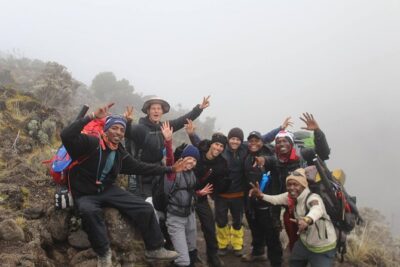
- The crew matters: ranger guides and porters take care of the logistics so you can focus on stepping, breathing, and staying warm.
- Meals are handled: breakfast, lunch, and dinner are included during the trek days (confirm any end-to-end lodging expectations).
Mount Elgon’s Ugandan side: a volcano hike for steady walkers
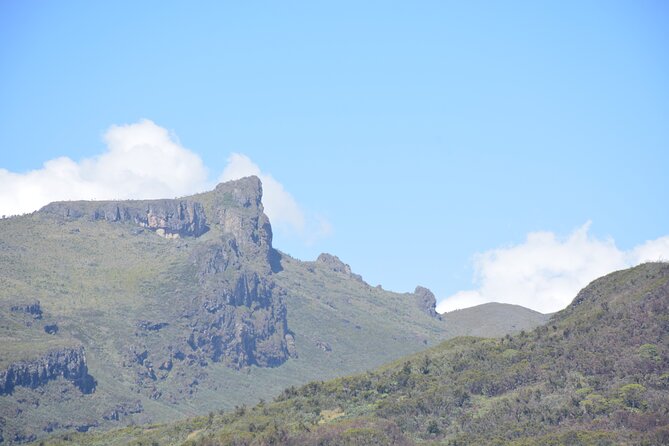
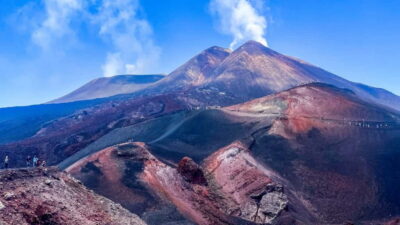
Mount Elgon is one of those places that feels slightly off the global radar—in a good way. It’s a huge extinct volcano (and part of it borders Kenya), but the Ugandan route gives you the one summit most hikers come for: Wagagai (4,321m). Instead of a technical climb, this is about walking well, managing effort, and enjoying the slow switch from montane forest to open high moorland.
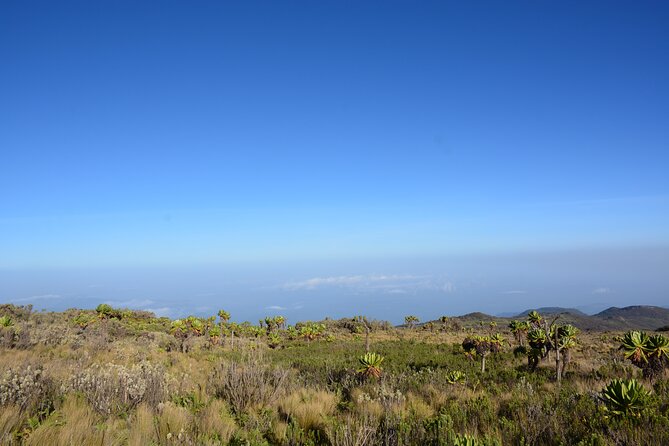
What makes this trek especially appealing is the sense of climbing through zones. You’re not just chasing altitude numbers. You’ll move through different vegetation belts as you gain height, and that’s where a lot of the “wow” comes from—giant lobelia and groundsel in higher areas, plus the chance to spot wildlife like monkeys and small antelope.
Getting there from Entebbe: early start, real travel time
The day typically begins with pickup from Entebbe Airport, then you head east toward Mbale. The drive from Kampala to Mbale is about 3–4 hours along good tarmac road, and the overall plan has you leaving around 06:30. Translation: this is a “morning person” trek. You’ll want a decent sleep the night before, because the hiking will come right after the drive and transfers.
Once you reach the park area near Bududa, you’ll use short local transport and then switch to motorbike taxis (boda bodas) for the last stretch through the community to the patrol office area. That’s part of the texture of this experience—you get a quick look at everyday village routes before the mountain world takes over.
Day 1: Bushiyi Gate, registrations, and the Shiloko acclimatization push
Day 1 is your setup day. After breakfast at Riverline Hotel, you ride the short distance (about 8–9 km) on boda bodas through the community toward the park route and patrol office in Bududa village. Then it’s Bushiyi Gate for registrations and a briefing where you meet the ranger guides, porters, and the cook.
Once you start hiking, the route climbs to the first camp at Shiloko (about a 6 km walk with a steep climb). This is the part where your lungs and legs learn the mountain’s pace. The goal isn’t to race. It’s to move steadily so you can arrive for lunch and overnight, and wake up with a better chance of handling the next day’s altitude.
A practical way to get value from Day 1: keep your effort controlled on the steep section. If you go too hard early, you’ll pay for it later on the summit day.
Day 2: Dubi Camp at 3,300m and mental prep for Wagagai
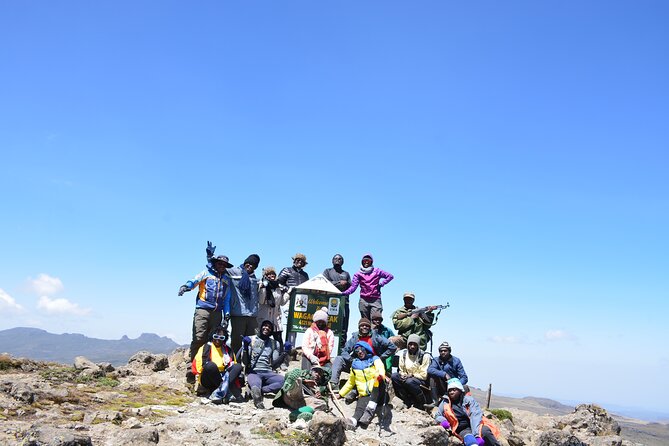
The second morning starts with breakfast, then you hike to Dubi Camp at roughly 3,300m for your overnight. The plan is shorter in distance than a summit rush, but it’s still an altitude jump day—exactly what you want for acclimatization.
This camp night is more than a place to sleep. It’s when you’re physically and mentally preparing for Wagagai. You’ll likely feel the altitude more clearly than on Day 1, so your focus should be on rhythm: steady steps, warm layers, and good hydration.
If you’re the kind of hiker who likes to know what’s coming, this is the night to slow down and plan your summit-day pace. With a summit climb that reaches 4,321m, small pace choices matter.
Day 3: Summit day to Wagagai 4,321m (and the payoff)
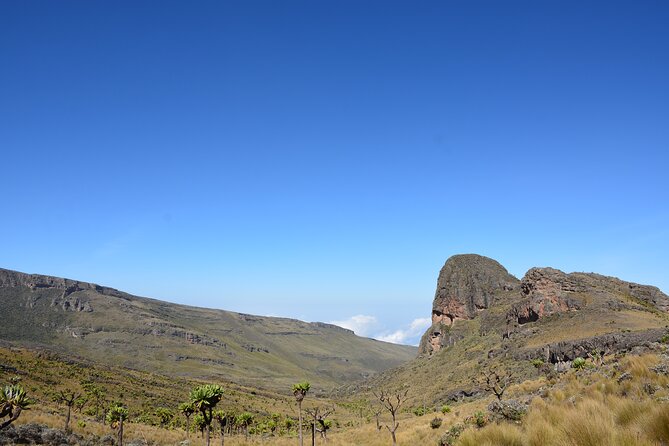
Day 3 is the day that gets people’s attention. After an early breakfast, you hike from Dubi Camp for about 9 km toward the summit of Wagagai (4,321 meters). The route includes a mix of flatter sections and gentle-but-steeper climbs, so you’ll feel it in waves rather than one long burn.
At the top, your reward is big-picture: high views across a massive caldera region and the feeling of being on the roof of East Africa’s volcanic country. It’s not just the height—it’s the way the route has carried you through different ecosystems as you went up.
Then you hike back, either to Dubi Camp or to Shiloko for a third night depending on how your body feels after the summit. That flexibility is a smart element of this trek. Summit day can be tough even for fit hikers, so having a fallback plan helps you avoid pushing beyond what you can comfortably handle.
Day 4: Walking the crater and ending at Hunter’s Cave Camp
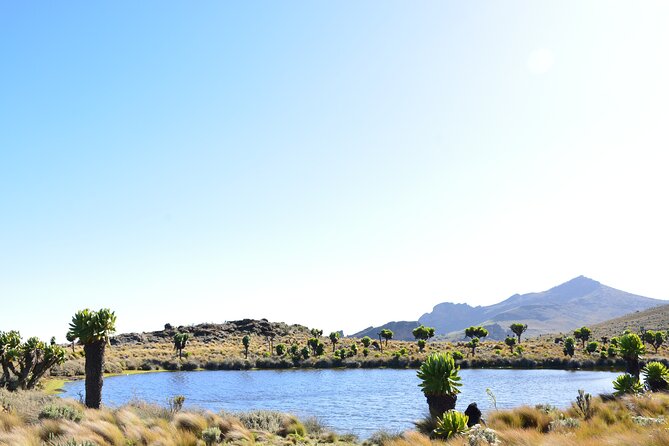
Day 4 is where the story shifts from “get up there” to “take it in.” You’ll walk across the crater area, and the trek finishes with camping at Hunter’s Cave Camp at around 3,600m. The idea is to keep the mountain experience broad: you’ve climbed to reach the high point, now you’re moving through the volcanic features that make Elgon feel unique.
You’ll have breakfast, lunch, and dinner included here too, so you’re not spending your final day worrying about meals. From a comfort standpoint, this is also your last night to settle in at altitude before the trip winds down.
Keep in mind that Day 4 still sits at a high elevation. Even if you’re not climbing another summit, you’ll want layers and steady footing for the walk across crater terrain.
What you’re paying for: $550 value, with clear trade-offs
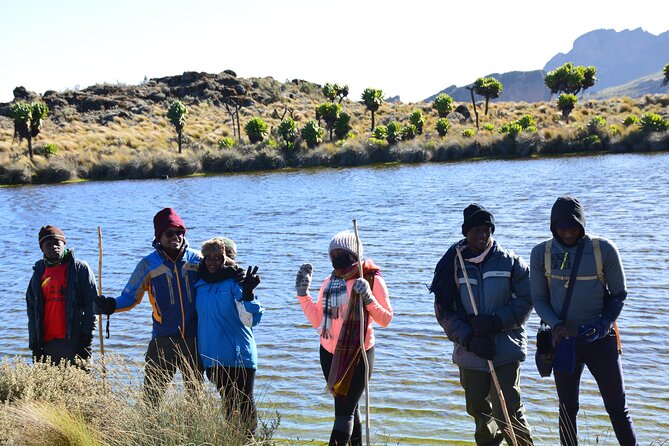
At $550 per person, this trek sits in a mid-range band for a guided, multi-day hike in Uganda. The key value piece is what’s included: local transportation, a tour guide, and meals (breakfast, lunch, dinner). For many hikers, those are the costs that add up fast once you try to arrange everything yourself.
The other major value piece is how the experience is staged. You’re paying for a system: registrations at the gate, guided navigation, camp rhythm, and a support team (rangers and porters) that helps keep the hike focused on you moving—not on problem-solving in the field.
One trade-off: accommodation isn’t listed as included. At the same time, the itinerary clearly plans for camping at camps along the route, including Hunter’s Cave Camp. To avoid surprises, I’d confirm exactly what’s meant by accommodation for your booking—whether it refers to your pre/post trek lodging versus the camping on the mountain.
Wildlife, vegetation, and why Elgon feels less crowded
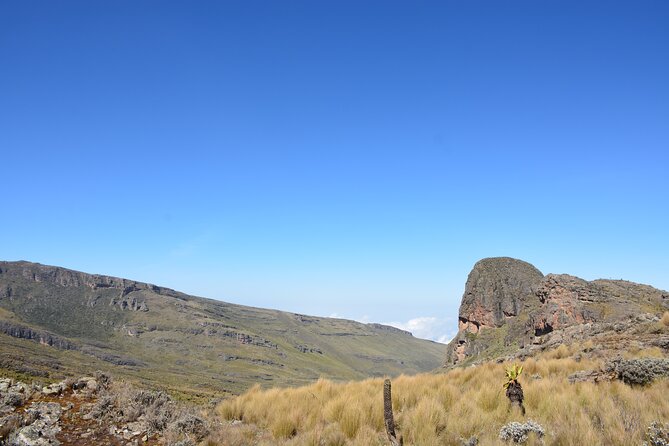
This trek is often described as scenic first and foremost, but there’s more to it than views. Mount Elgon is an important watershed, and that’s why the slopes hold different altitudinal vegetation zones. In practical terms, it means your photos won’t all look the same. One day can shift from forest edge walking to higher open moorland where you can see the plants that make the high zones unmistakable.
You also have a chance of wildlife sightings: forest monkeys and small antelope are mentioned as possibilities. Bigger animals like elephant and buffalo are noted too, though nothing is guaranteed. Still, Elgon feels like a living mountain rather than just a trail that goes from signpost to signpost.
Gear and body strategy for 4,321m in Uganda
For a hike that includes a summit at 4,321m, you don’t need fancy climbing gear, but you do need common-sense high-altitude preparation. The route has steep sections (especially early on Day 1), so good boots or at least reliable trail shoes are worth packing. Bring layers for cooler high camps at around 3,300m and 3,600m, and plan for early mornings.
My biggest advice is pacing. This trek is set up for acclimatization, but it can’t fix bad pacing. If you feel breathless, slow down immediately and keep going at a pace you can sustain for the next hour, not the next five minutes.
Also, you’ll be hiking multiple days with significant steps. If your legs are usually fine but your stomach is sensitive, keep your food simple and stick to whatever the camp provides during the trek meals.
The guide team: what makes this feel well run
One reason people rate this trek so highly is the way it’s organized on the ground. You meet your ranger guides, porters, and cook at Bushiyi Gate after registrations and a briefing. That means you’re not guessing about timing, camp setups, or what to expect next.
In multiple accounts, the organizer and guide contact—often William—is described as easy to communicate with ahead of time, plus supportive during the hike. Even when the terrain gets steep, the common theme is motivation and calm guidance, especially on the summit day effort.
If you’re the type who likes clear expectations, this kind of team setup will help you relax. You can focus on stepping and breathing.
Who should book this trek (and who might rethink it)
This fits best if you:
- Want a high-altitude challenge without technical climbing
- Prefer a guided trek with meal support and camp logistics handled
- Can handle steep walking and a multi-day rhythm
- Are interested in vegetation zones and big volcanic scenery
You might reconsider if you:
- Have low tolerance for altitude effects
- Struggle with steep, continuous climbs even when the route is “not technical”
- Expect fully “hotel-style” accommodations at the end of each day (this is camping on the mountain)
Should you book this 4 Days Mount Elgon Trek?
If you want a hike that mixes real altitude, crater terrain, and a route that takes you through changing ecosystems, this is a strong choice. The price feels fair for what’s included—guide support, local transport, and full trek meals—and the pacing is built around acclimatization rather than forcing an aggressive schedule.
My call: book this trek if you can commit to steady effort and bring the right layers and footwear. If you’re unsure about altitude, talk with the operator about your fitness level before you go, and be honest about your experience.
The trek also depends on good weather. If conditions are poor, the plan may be adjusted with an offered alternative date or a full refund—so keep that flexibility in mind when you choose your travel window.
FAQ
How high do you hike on this 4-day Mount Elgon trek?
Wagagai Peak is listed at 4,321m. You also camp at high points during the trek, including Dubi Camp around 3,300m and Hunter’s Cave Camp around 3,600m.
What meals are included?
Breakfast, lunch, and dinner are included across the trek days. The itinerary specifically lists meals included for Hunter’s Cave Camp and daily meal support.
Is pickup from Entebbe available?
Yes. Pickup is offered, with the trip starting at Entebbe Airport and proceeding to the mountain area via local transportation.
Is accommodation included in the price?
Accommodation is marked as not included in the package details. However, the itinerary includes camping at Hunter’s Cave Camp on Day 4, so it’s important to confirm what accommodation means for pre/post trek lodging versus the trek nights.
Do I need strong fitness for this trek?
Yes. The information you’re given says travelers should have a strong physical fitness level.
Is this tour private and can I cancel if plans change?
It’s a private tour/activity, meaning only your group participates. There’s free cancellation up to 24 hours before the experience starts for a full refund, and it can also be moved or refunded if the trip is canceled due to poor weather.