REVIEW · KATHMANDU
Upper Mustang Trek – 13 Days
Book on Viator →Operated by Welcome Nepal Treks P.ltd · Bookable on Viator
Lo Manthang feels like another planet. This Upper Mustang trek strings together dry Himalayan scenery, monastery culture, and the chance to catch the Tiji Festival if your dates line up. I love that you get both the big mountain views and the lived-in walled city of Lo Manthang. I also like the way the route mixes iconic sites (gompas, caves, rock paintings) instead of just chasing scenery. One drawback to plan for: the trekking days run about 5–6 hours of walking, so you’ll want solid moderate fitness for the sustained pace.
What makes this trip workable (and not just scenic) is the support. You travel with a licensed English-speaking guide and porters who carry your luggage, and the group stays small (up to 15 people), which makes it easier to move at a human pace. One guest highlighted Mr Hari as a key contact for prep questions, and that kind of pre-trip help matters when you’re dealing with permits and flights.
You’ll also feel the “transfers plus trekking” rhythm. There’s a Kathmandu-to-Pokhara bus leg, domestic flights into the Mustang region, then multiple day-to-day walking stages through villages and high-desert terrain. If you’re the type who likes clear structure and steady progress, this format tends to fit well.
In This Review
- Key Highlights to Know Before You Go
- Upper Mustang Trek: Why Lo Manthang and the Walled City Still Matter
- Price and Logistics: What You’re Paying For (and What You’ll Still Need)
- Day 1 Kathmandu to Pokhara: Start Easy, Get Your Bearings
- Day 2 Flight to Jomsom, Then Kagbeni: River Valley Hike Day One
- Days 3–4 Through Chele and Syangbochen: Pass Views, Caves, and Big Names
- Day 5 Ghami and Day 6 Tsarang: Gompa Focus Without the Rush
- Days 7–8 Lo Manthang: The Walled Capital and the Monastery Circuit
- Days 9–10 Dri and Tange: Rock Paintings and Damodar Kunda
- Day 11 Muktinath and the Jomsom Finish: Closing the Loop
- Day 12 Pokhara Rest Day and Day 13 Back to Kathmandu
- Guide, Porters, and Group Size: The Small Things That Make the Trek Easier
- Tiji Festival Chance: When Culture Shows Up on Your Timetable
- Who This Trek Suits Best (and Who Should Think Twice)
- Should You Book the Upper Mustang Short Trek?
- FAQ
- Is pick-up from Kathmandu included?
- How do we get to Jomsom and back?
- Are Upper Mustang and ACAP permits included?
- What meals are included during the trek?
- How much walking is there each day?
- Is the Tiji Festival included?
- What is the maximum group size?
Key Highlights to Know Before You Go
- Tiji Festival timing may line up with your trek, adding major cultural weight to the trip
- Upper Mustang special permits and ACAP are included, so you’re not scrambling for paperwork
- Taklam La Pass plus cave and monastery days give you more than postcard views
- Lo Manthang’s core sites include multiple gompas and the four-storey Durbar
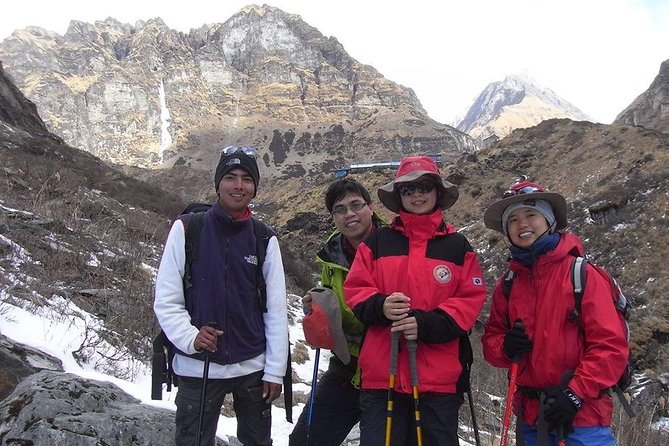
- Small group (max 15) with licensed guide + porters keeps the experience organized
Upper Mustang Trek: Why Lo Manthang and the Walled City Still Matter
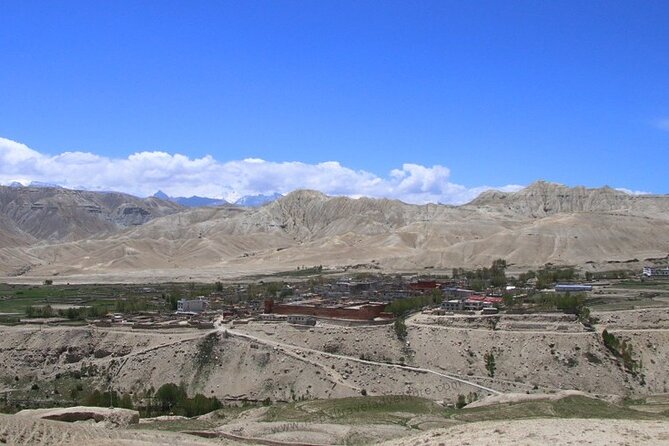
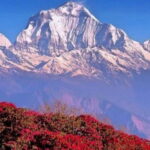
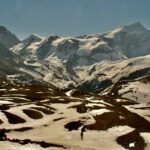
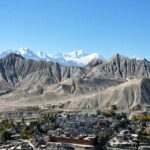
Upper Mustang is one of Nepal’s most distinctive regions because it feels less like lush mountains and more like high, dry frontier country. You’re moving through a “Tibetan Plateau” style environment with desert-like air, stone-built villages, and long views—often in that crisp, far-seeing way that makes every bend in the valley feel bigger than the last.
The real reason people make the effort is Lo Manthang, the famous walled city. You’re not just passing through; you’re spending time there—visiting monasteries, looking at old structures, and getting a sense of daily life inside the walls. When the schedule lines up, the trek also carries the special possibility of seeing the Tiji Festival, which is a huge cultural event in Mustang. Even if you don’t catch it, the cultural focus is still built into the route.
I also like the “direction” of the experience. The trip is framed around seeing those mystic mountain views in an unusual southern direction, which makes the scenery feel more intentional than random wandering. Add in the promised walking along the Kaligandaki River valley, and you get that mix of river-level travel and higher, drier village-to-village hiking.
You can also read our reviews of more tours and experiences in Kathmandu.
Price and Logistics: What You’re Paying For (and What You’ll Still Need)
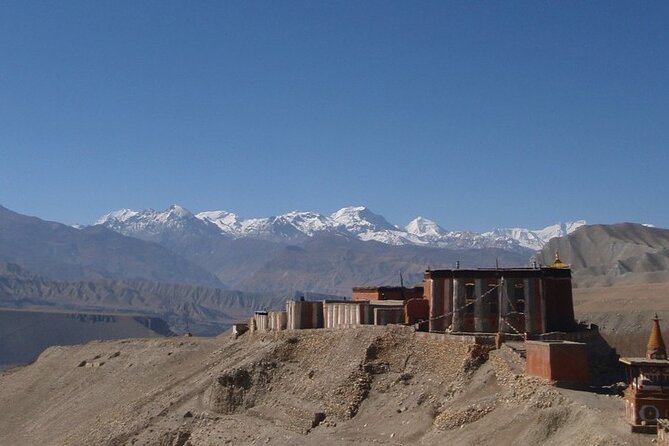
The price is $2,300 per person for 13 days, and the best way to judge value here is to look at what’s included versus what’s costly in Mustang.
This package includes:
- Upper Mustang special permits
- ACAP (Annapurna Conservation Area Project) permits
- Domestic flights (Pokhara–Jomsom–Pokhara) and airport departure taxes
- A licensed English-speaking guide plus porters
- Meals: breakfast (12), lunch (10), dinner (10)
- Pokhara hotel per the itinerary
That’s a lot of the “must-pay” stuff for this region. Permits can be a major factor in the total cost of Upper Mustang, and flights are often the difference between a manageable trek and a much longer, more complicated routing. If you’re trying to keep the trip efficient—without doing extra DIY planning—this pricing can make sense.
What’s not included is also important for budgeting. Major meals in cities (Kathmandu and Pokhara) are on your own, and your personal spending—snacks, drinks, water, tea/coffee, shower access—will add up. The tour also flags that if flights are disrupted or emergency costs become necessary due to weather or land issues, you might face extra charges. In short: the big structure is included, but your daily “extras” still need a cash buffer.
Day 1 Kathmandu to Pokhara: Start Easy, Get Your Bearings
The trip starts with a morning pickup from your hotel in Kathmandu and a drive to Pokhara (about 6 hours). This is a smart way to begin because it gets you out of Kathmandu traffic and into a calmer staging city before you start flight connections and trekking days.
You’ll have an evening free in Pokhara, so you can handle essentials like rest, light shopping, or simply taking in lake-town vibes before the Mustang push. If you’re sensitive to early altitude changes, starting with a full day buffer in Pokhara tends to reduce stress.
Day 2 Flight to Jomsom, Then Kagbeni: River Valley Hike Day One
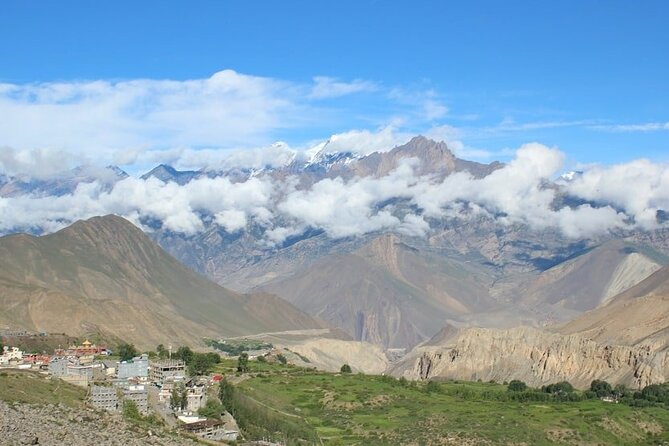
You’ll fly from Pokhara to Jomsom, then head onward toward Kagbeni by trekking. The route described here includes passing Ekle Bhatti and then walking about 4–6 hours before reaching Kagbeni for the night.
This is where Upper Mustang starts to feel real. Jomsom to Kagbeni is tied to the valley travel rhythm—dry air, strong sun, and those long views that make every step feel like progress. You’re also moving toward the Mustang interior in a way that’s efficient, because flights help you avoid extra days of climbing just to get into the region.
One practical consideration: you’ll want to be ready for the day’s change in pace. The flight part is quick, but the walking part still requires steady effort.
Days 3–4 Through Chele and Syangbochen: Pass Views, Caves, and Big Names
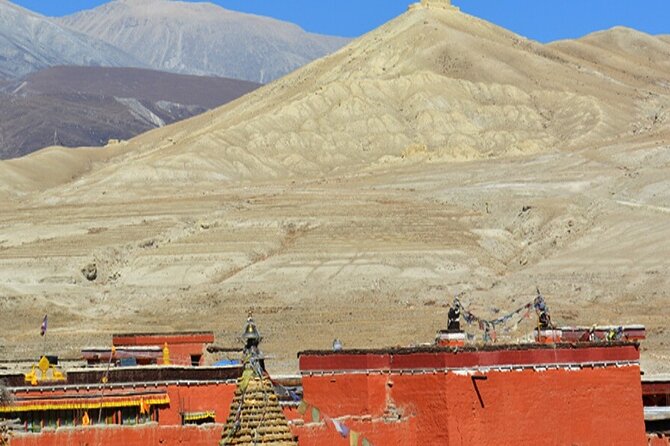
After Kagbeni, the route continues with a walking day toward Chele/Chere, passing Tangbe and Chhusang before reaching the area of your overnight stop. This stretch is a good “transition” day—still high-desert trekking, but with enough village-and-view variety to break up the effort.
The next day is a highlight because it includes Taklam La Pass. From the pass, you’re set up for big summit sightings—Tilicho Peak, Yakwa Kang, and Damodar Dada are named in the route description. That alone is a good reason to like this trek: you don’t just get village scenery; you get altitude payoff.
On the way, you pass through Samar and Ramchung Cave, then continue to Syangbochen for the night. The cave stop matters because it adds a different kind of “Mustang feel”—stone, age, and texture beyond the standard photo angles. If you prefer cultural stops that aren’t only inside buildings, this mix is a plus.
Day 5 Ghami and Day 6 Tsarang: Gompa Focus Without the Rush
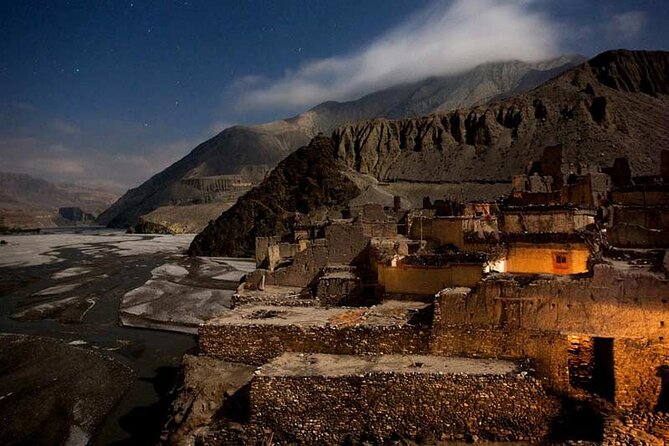
In Ghami, you get scenery defined by barley fields, mountains, and that dry, layered look that makes Mustang feel stark and alive at the same time. This is a useful day in the rhythm because it lets you keep moving while not turning every day into a max-effort grind.
Tsarang brings another cultural emphasis. The description points to willow trees, maze fields, stone-walled houses, and a gompa that pulls at your attention. I like these days because they slow the mind down. You’re walking long hours, but you’re not just looking out; you’re also seeing how people organize life around stone structures and religious sites.
Days 7–8 Lo Manthang: The Walled Capital and the Monastery Circuit
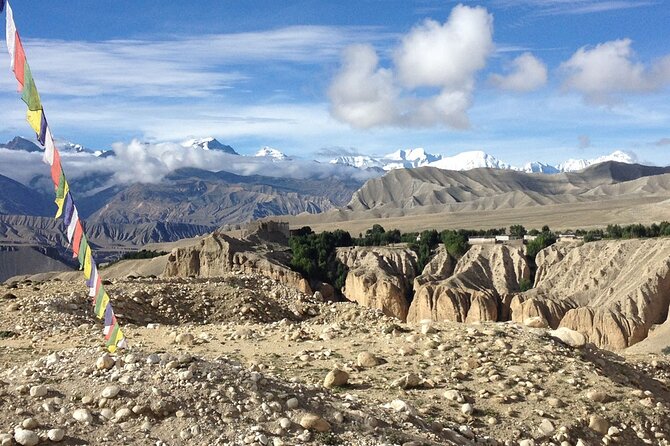
This is the “main character” stretch. You’re trekking into Lo Manthang, described as the capital city of Manang Lo and the famous long-walled city. You arrive after a day of travel through the Mustang interior, and once you’re there, the tour shifts from “getting there” to “living there.”
On the Lo Manthang exploration day, you get time to see key sites, not just a quick glance. The tour highlights a four-storey Durbar, plus multiple gompas:
- Chyodi Gompa
- Namgyal Gompa
- Tingkhar
- Tall Champa Lakhang Gompa
This matters because Upper Mustang isn’t only about scenery. It’s about how religious and civic life are built into the town layout. I like that you’re given time to explore rather than racing through stops with no room for questions.
If the Tiji Festival timing works for your trek dates, that’s where your trip may jump from “great cultural sightseeing” into something much bigger. Even when the festival isn’t part of the dates, the monastery-focused plan keeps the culture front and center.
Days 9–10 Dri and Tange: Rock Paintings and Damodar Kunda
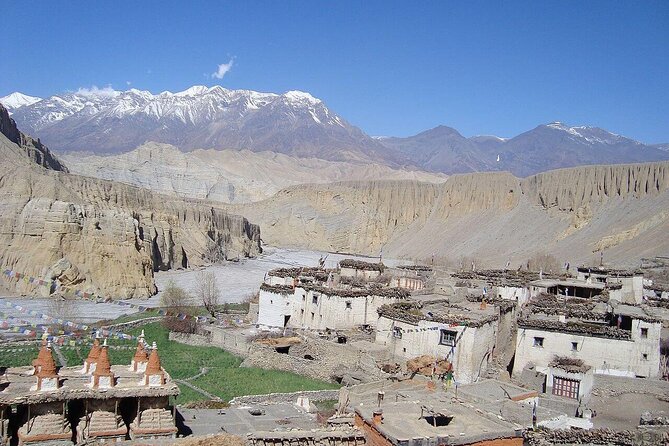
Day 9 heads to Dri, where the standout is the Ghar Gompa described as 1200 years old and famous for rock paintings. This is the kind of stop that feels different from typical museum-style history. You’re looking at art and belief carried by place and stone.
Day 10 goes toward Tange, and the route includes shallow crossings of streams plus a stop at Damodar Kunda. It also notes passing a series of chortens, which are the small religious monuments you see repeated across Tibetan-influenced regions. If you like noticing how belief maps onto everyday walking routes, this day rewards attention.
These are also the days where your legs start to notice repetition in a good way. Not every hour is a “new view,” but each day brings a new angle on Mustang’s spiritual geography.
Day 11 Muktinath and the Jomsom Finish: Closing the Loop
You’ll trek to Muktinath on the way toward Jomsom for the overnight. The Muktinath stop is framed as part of the natural beauty and religious-culture experience, which fits the overall tone of the route.
This is a practical turning point. Once you’re back in Jomsom, the trip begins transitioning out of trek-mode and into flight-and-rest mode. It also helps you avoid a longer return hike, keeping the entire 13-day arc from becoming too punishing.
Day 12 Pokhara Rest Day and Day 13 Back to Kathmandu
After reaching Jomsom, you fly back to Pokhara and you get rest time—hang around in Pokhara and recover. For trekking like this, that soft landing matters. You’ll want a day where your body can reset and your mind can absorb what you just saw.
On Day 13, you drive back to Kathmandu by tourist bus. It’s an efficient end that closes the loop on the route and makes the logistics feel “designed,” not improvised.
Guide, Porters, and Group Size: The Small Things That Make the Trek Easier
A strong trek lives or dies by the people on the ground. This tour uses a government-licensed English-speaking guide and porters to carry your luggage. That doesn’t remove all effort, but it helps you keep a steady walking rhythm instead of constantly managing a heavy pack.
The group size limit of 15 travelers also changes the feel of the experience. With a smaller group, it’s easier to ask questions, get pacing adjusted, and keep the day from turning into a slow-moving line.
I also appreciate the operator support mentioned in reviews through a specific contact, Mr Hari, who helped with preparation questions. Before you go, asking what to bring and how to plan your days can be the difference between smooth trekking and avoidable stress.
Tiji Festival Chance: When Culture Shows Up on Your Timetable
The trek is set up so you can experience the Tiji Festival if it happens during your trekking dates. That’s a big deal because festivals add sound, color, and meaning that normal sightseeing can’t replicate.
The key thing to understand is timing. You don’t get to choose the festival itself; it depends on when you’re on the ground. If festival days are important to you, be ready for the possibility that your exact week could miss it. The upside: even without the festival, the tour already includes a strong monastery-and-culture focus in Lo Manthang and the surrounding areas.
Who This Trek Suits Best (and Who Should Think Twice)
This is a great match if you want:
- Upper Mustang permits + ACAP taken care of
- A trek that mixes major landmarks (Lo Manthang sites, Ghar Gompa rock paintings) with high-pass views
- A manageable pace with 5–6 hours walking on multiple days
- Clear structure: flights, guide, porters, and most meals handled
It’s likely less ideal if you hate long travel days or you’re looking for a light walking holiday with minimal physical effort. The tour itself expects at least moderate physical fitness, and the day-by-day hike time suggests you’ll be working consistently.
Also, if your budget doesn’t leave room for personal spending in cities and on the trail, plan carefully. The big-ticket items are included, but extras are not.
Should You Book the Upper Mustang Short Trek?
I’d book this trek if you want a well-organized path into Upper Mustang that includes the permits, the flight legs, and a real focus on Lo Manthang’s religious sites. The combination of Taklam La Pass views, the Ghar Gompa rock paintings, and the Lo Manthang monastery circuit is what makes it feel worth the effort.
Skip it if you’re hoping for easy daily walking or you’re not comfortable with sustained hiking across several days. Also, if you’re set on seeing the Tiji Festival, remember it depends on your dates—so treat that as a bonus, not a guaranteed core event.
FAQ
Is pick-up from Kathmandu included?
Yes. The tour includes a morning pickup from your hotel in Kathmandu.
How do we get to Jomsom and back?
You fly between Pokhara and Jomsom (with airport departure taxes included), then trekking connects you to places like Kagbeni and Muktinath before flying back.
Are Upper Mustang and ACAP permits included?
Yes. Upper Mustang special permits and Annapurna Conservation Area Project (ACAP) permits are included.
What meals are included during the trek?
Breakfast is included 12 times, lunch 10 times, and dinner 10 times. Major meals in Kathmandu and Pokhara are not included.
How much walking is there each day?
Most trekking days are described as about 5 to 6 hours of walking, with a moderate fitness level recommended.
Is the Tiji Festival included?
The plan includes the Tiji Festival if it falls during the time you are on the trek. If your dates don’t line up, it may not be available.
What is the maximum group size?
The group size is capped at a maximum of 15 travelers.