REVIEW · KATHMANDU
Annapurna Base Camp Trek form Kathmandu
Book on Viator →Operated by Fewa Trail Treks and Expedition Pvt Ltd · Bookable on Viator
The Annapurna Base Camp trek from Kathmandu has a built-in rhythm: travel days to set you up, then hikes that gradually lift you toward big views. You start with a scenic tourist bus ride from Kathmandu to Pokhara, then spend the rest of the days working your way through classic villages and viewpoints. It’s a route that feels rewarding without being random.
What I really liked: the support package is practical. You get an English-speaking trekking guide, and you’re not dragging your own bag thanks to porter help (2 guests can share 1 porter carrying up to 15 kg). And the human touches matter too: my favorite part of the trip setup was the way Shubham coordinated things, with guide Mr. Bisham and porter Aruna doing solid work to keep the experience smooth.
One thing to consider before you book: the altitude and daily walking add up. This is listed for strong physical fitness, and while the itinerary includes gradual days, you’ll still feel it on steep stretches and long trekking hours.
In This Review
- Key highlights worth your attention
- Kathmandu to Pokhara: Your Trek Starts With a Bus Window
- The Core Route: From Nayapul to Base Camp and Back (Without the Random Stuff)
- Day-by-Day Breakdown: What Each Stop Feels Like on the Ground
- Day 1 (Kathmandu to Pokhara): Thamel Pickup and Lakeside Setup
- Day 2 (Nayapul to Ulleri): Starting the Climb the Right Way
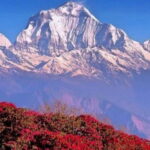
- Day 3 (Ulleri to Ghorepani): Annapurna Views That Motivate
- Day 4 (Poon Hill Sunrise to Tadapani): The Early Walk Payoff
- Day 5 (Tadapani to Chhomrong): Village-to-Mountain Energy
- Day 6 (Chhomrong to Dovan): A Breather Day Before the Big Push
- Day 7 (Dovan to Deurali): Acclimatization With Purpose
- Day 8 (Deurali to Machhapuchchhre Base Camp + Annapurna Base Camp): Two Targets, One Long Day
- Day 9 (Annapurna Base Camp Descend to Bamboo): Legs Learn to Work Backwards
- Day 10 (Bamboo to Jhinu Danda): Hot Springs for Real Recovery
- Day 11 (Jhinu Danda to Nayapul, then Pokhara): Finish Strong
- The Service Side: Guide, Porter, and Permits That Reduce Stress
- Price and Value: Why $550 Can Make Sense Here
- Timing, Weather, and the Sunrise Factor at Poon Hill
- Who This Trek Fits Best (and Who Might Struggle)
- Simple Tips That Help You Enjoy More
- Should You Book This Annapurna Base Camp Trek From Kathmandu?
- FAQ
- Pickup is offered. Where does it start in Kathmandu?
- How do you get from Kathmandu to Pokhara?
- Is the trek guide included?
- Do I need to buy trekking permits and a TIMS card?
- Are meals included on the trek?
- How does the porter service work?
- Do you visit both Machhapuchchhre base camp and Annapurna base camp?
- Is Poon Hill sunrise included, and is there a ticket?
- Is there a hot spring stop?
- What’s the cancellation policy?
Key highlights worth your attention
- Kathmandu-to-Pokhara by tourist bus: a relaxed start before the trekking engine turns on
- Poon Hill sunrise hike: early morning payoff over the Annapurna range (ticket not included)
- Base camp days at altitude: Machhapuchchhre base camp and Annapurna base camp up to 3770m and 4130m
- Natural hot spring at Jhinu Danda: a real recovery moment after the final descent begins
- Permits + TIMS included: you don’t have to chase documents mid-planning
- Private vehicle transfers where it counts: to and from Nayapul plus hotel drop-off in Pokhara
Kathmandu to Pokhara: Your Trek Starts With a Bus Window
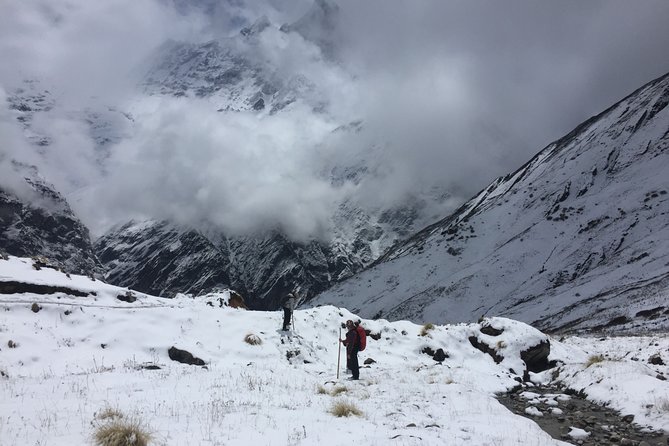
Day 1 is mostly about getting your bearings and swapping city rhythm for mountain rhythm. You’re picked up from your place in Thamel and transferred to the bus. Then you’re on the road to Pokhara with that classic Nepal “watch the scenery change fast” feeling.
The big value here is pacing. You don’t land in Pokhara and immediately run for the first trail. Instead, you get dropped at Pokhara Lakeside, in the area most trekkers use because you’ll find guesthouses, shops, and easy logistics. With around 7 hours of travel on Day 1, you arrive with a plan: eat, sleep, and reset for the real climb.
What you’ll like: the itinerary keeps the travel day from turning into chaos. Pickup and transfers are handled, so you can focus on rest and prep.
A small watch-out: you’re traveling by tourist bus, not a private vehicle the whole way. If you’re sensitive to road discomfort, plan for it. Bring water, keep layers handy, and don’t skip sleep the night before.
You can also read our reviews of more tours and experiences in Kathmandu.
The Core Route: From Nayapul to Base Camp and Back (Without the Random Stuff)
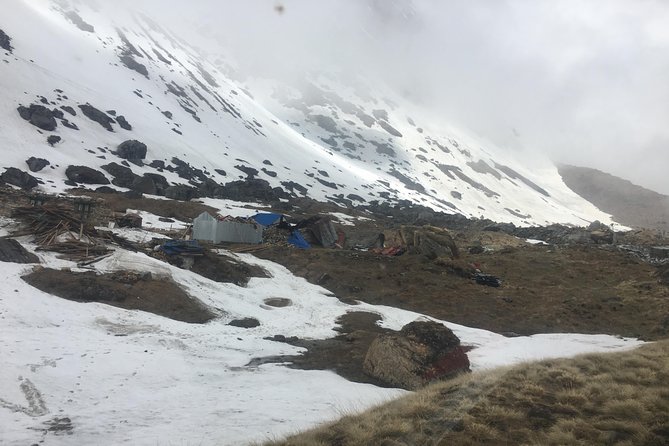
The trek works like a sequence of “mini goals.” You hike uphill, reach a key village or viewpoint, then move forward again. That matters because Annapurna isn’t just about distance. It’s about repeated days where weather and energy have a say.
You’ll be trekking through places like Ulleri, Ghorepani, Tadapani, Chhomrong, Dovan, Deurali, and then toward Machhapuchchhre base camp and Annapurna base camp. After that, you descend via Bamboo and finish up around Nayapul and back to Pokhara.
A helpful part of the itinerary is the way it supports acclimatization. Days such as moving to Dovan and Deurali before pushing toward the base camp area act like breathing space. You’re not thrown straight from low elevation into the highest points.
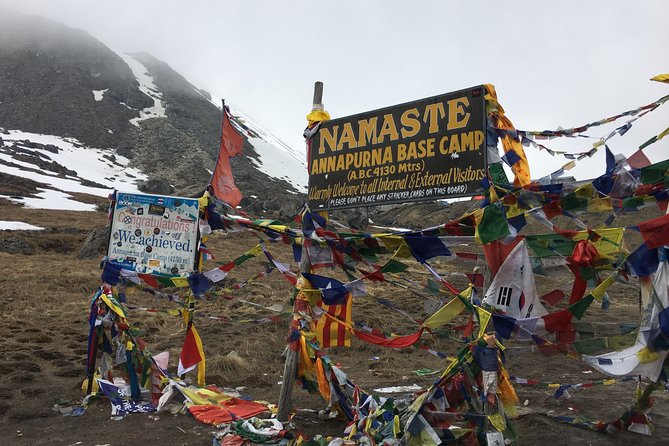
Also: the altitudes are a reality check. Your two standout base camp objectives are Machhapuchchhre base camp at 3770m and Annapurna base camp at 4130m. Even if you’re fit, you’ll want to pace yourself on those days and not treat altitude like a normal hike.
Day-by-Day Breakdown: What Each Stop Feels Like on the Ground
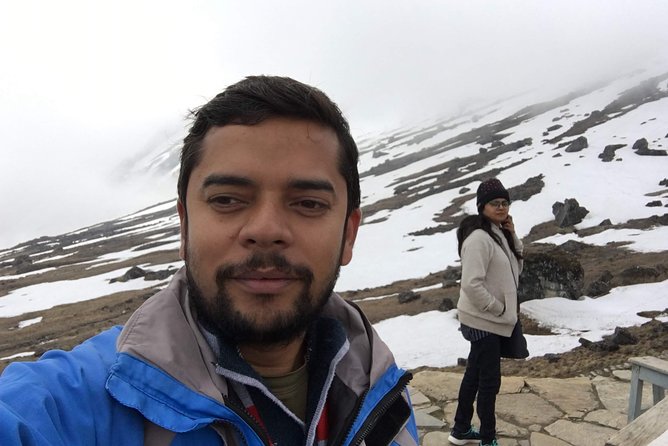
Day 1 (Kathmandu to Pokhara): Thamel Pickup and Lakeside Setup
- Pickup from Thamel and bus transfer
- Scenic drive to Pokhara and hotel drop-off in Lakeside
This day is about comfort and logistics. You start with an easy win: you’re collected, driven, and settled. No complicated navigation after a long day.
If you like trekking planning that feels organized, you’ll appreciate how this trip is set up around that first transfer. You can spend your evening in Lakeside without worrying about how to get moving tomorrow.
Day 2 (Nayapul to Ulleri): Starting the Climb the Right Way
You move from Pokhara toward Nayapul by scenic drive (about 1 hour 10 minutes), then begin trekking up to Ulleri for around 5 hours.
This is your first real taste of steep sections. Ulleri is a strong “warm-up” village because it helps you find your trekking pace early. If you’re going to set any habits, set them here: slow steps, steady breathing, and consistent hydration.
Tip that helps: keep your layers sorted. Morning can feel different than midday as you gain elevation.
Day 3 (Ulleri to Ghorepani): Annapurna Views That Motivate
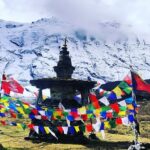
Today you trek to Ghorepani (around 6 hours). The route includes the kind of mountain panoramas that make people smile even when their legs complain.
Ghorepani is a useful stop because it puts you in position for Poon Hill sunrise tomorrow. It’s also one of those nights where you can do a little extra prep: check your weather window, pack snacks, and make sure your headlamp batteries are ready if needed.
Day 4 (Poon Hill Sunrise to Tadapani): The Early Walk Payoff
- Early morning hike to Poon Hill for sunrise views (about 2 hours, and the ticket is not included)
- Then trek to Tadapani (around 6 hours)
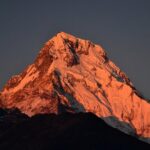
This is the day most people remember. The early start is worth it because you get sunrise over the Annapurna range, in that classic high-mountain way where light turns peaks into a different world.
Then you switch modes and walk on to Tadapani. The second half of the day matters too. You’re not just collecting views; you’re building momentum toward the heart of the trek.
Day 5 (Tadapani to Chhomrong): Village-to-Mountain Energy
You trek to Chhomrong (about 6 hours). Chhomrong is where the trek starts to feel more “serious.” It’s a transition point. You’ll likely feel the longer climbs and the thicker air.
On a day like this, the best strategy is simple: don’t chase speed, chase rhythm. If you arrive tired, that’s normal. The goal is to keep your body working tomorrow.
Day 6 (Chhomrong to Dovan): A Breather Day Before the Big Push
Today you trek toward Dovan (around 5 hours). This day works like a bridge between effort and altitude goals.
If you start to feel altitude sensitivity, this kind of pacing helps. You’re still hiking, but the plan supports your body rather than punishing it.
Day 7 (Dovan to Deurali): Acclimatization With Purpose
You continue to Deurali (around 5 hours). Deurali is part of the itinerary’s altitude strategy before you reach the higher base camp area.
You’ll likely notice slower steps and extra focus on breathing. That’s not a sign you’re doing it wrong. It’s how your body adapts.
Day 8 (Deurali to Machhapuchchhre Base Camp + Annapurna Base Camp): Two Targets, One Long Day
This day is split into two trekking parts:
- Trek to Machhapuchchhre base camp (about 2 hours)
- Then trek to Annapurna base camp (about 2 hours)
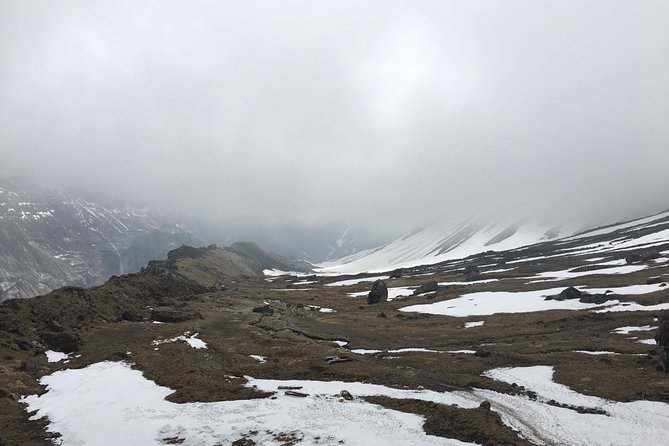
Even with shorter trekking hours listed, this is still a key day because you’re operating at altitude. Expect the experience to feel different: quieter air, bigger skies, and that moment when you realize you’ve reached the “why” of the whole trek.
It’s also where the itinerary’s planning shows. Moving between base camp areas keeps the day focused: you’re not wandering, you’re reaching two defined goals.
Day 9 (Annapurna Base Camp Descend to Bamboo): Legs Learn to Work Backwards
You descend to Bamboo (around 6 hours). Descending can be deceptively hard. Your calves do the heavy lifting even when your brain thinks you’re done climbing.
This is a good day to manage pace carefully. Don’t rush down steep bits. Take breaks, keep your feet in good shape, and hydrate.
Day 10 (Bamboo to Jhinu Danda): Hot Springs for Real Recovery
You trek to Jhinu Hot spring (about 6 hours). Then you can take a natural hot spring bath—one of the few “reward” moments that’s not just a view.
I like this stop because it gives you a physical payoff. When you’re tired from walking all day, the idea of soaking in hot water feels like a plot twist in the best way.
Day 11 (Jhinu Danda to Nayapul, then Pokhara): Finish Strong
- Trek down to Nayapul (around 6 hours)
- Private vehicle drive back to Pokhara Lakeside and hotel transfer
This final day is about finishing well. Your legs may feel like they’re negotiating, but you’re moving toward the real end point. Once you’re in Pokhara, you can finally switch to normal travel mode.
The Service Side: Guide, Porter, and Permits That Reduce Stress
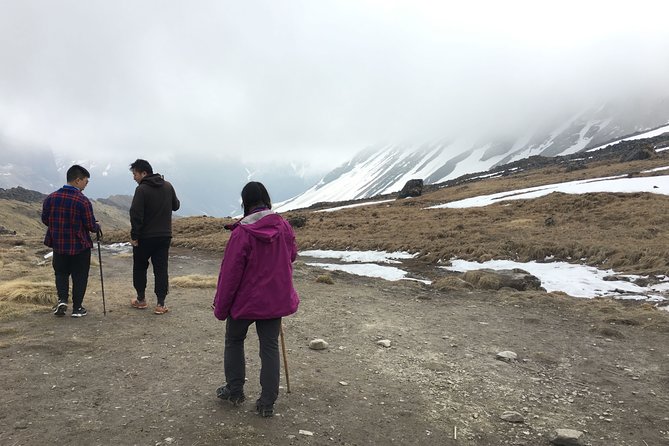
A trek like this is less about raw courage and more about good logistics. This tour’s included items do a lot of the quiet work.
You get:
- An English-speaking trek guide
- A porter system (up to 15 kg per porter for 2 guests)
- Trekking permit and TIMS card
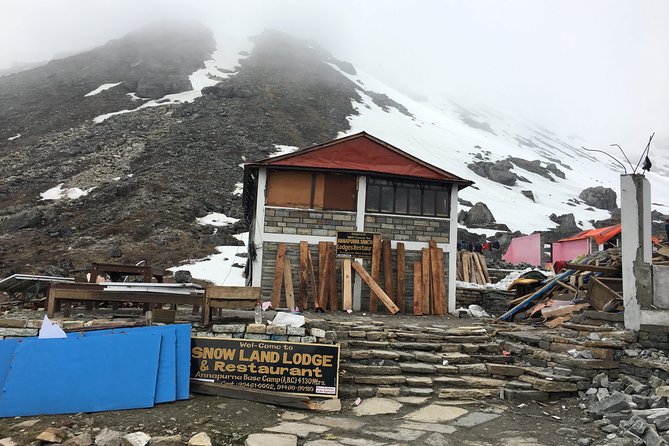
- Accommodation in Pokhara hotels and guesthouses on the trek
- Transfers to and from Nayapul by private vehicle
The names you’ll hear through the experience are part of why it feels personal. Shubham is tied to the arrangements, and my impression of how the trip runs well comes through guide Mr. Bisham and porter Aruna—both credited for service and the smooth feel of the trek.
If you care about professionalism, this is a good sign. You’re spending your energy on walking and acclimatizing, not handling paperwork or bag logistics.
Price and Value: Why $550 Can Make Sense Here
At $550 per person, this isn’t a “cheap quick trek.” But it’s also not priced like a luxury boutique climb. The best way to judge value here is what’s included.
This price covers:
- Kathmandu to Pokhara by tourist bus
- English-speaking guide
- Porter support with a stated weight limit
- Accommodation (Pokhara hotel + trek guesthouse)
- Permits (TIMS + trekking permit)
- Private vehicle transfers to and from Nayapul
- The overall private trip setup for your group
What’s not included is important too: meals and personal expenses, plus rescue cost in emergencies. The tour also notes optional gratitude.
So the value question becomes: do you want someone to handle the structure? If yes, this price can feel fair, because the costly parts in mountain travel are often guide time, permits, and day-to-day logistics. If you’re the type who prefers self-guiding and you already have gear, you might compare options. But for most people, this setup is exactly what makes a trek feel manageable.
Timing, Weather, and the Sunrise Factor at Poon Hill
The itinerary includes an early morning Poon Hill hike for sunrise views. That ticket isn’t included, so plan a little extra budget there.
What to expect practically: early starts mean cold hands and quick transitions from dark to bright. You’ll want to pack basics like a warm layer for pre-sunrise and a rain layer for later. Even if the sky looks perfect at breakfast, mountain weather can change fast.
Because the trek uses guesthouses along the route, you should be prepared for simple living conditions. That’s not a negative; it’s part of the deal. If you want room service, you picked the wrong mountains.
Who This Trek Fits Best (and Who Might Struggle)
This plan is best for people who:
- Have strong physical fitness
- Want a guided route with porter support
- Prefer an itinerary that hits classic points (Ulleri, Ghorepani, Chhomrong, base camps, hot springs)
You might want to reconsider if you:
- Know you struggle with altitude even on day hikes
- Have limited ability for long walking days (some are around 6 hours, plus the earlier travel and base camp day)
- Expect a low-effort vacation pace
On the other hand, if you’re excited by the idea of reaching Annapurna base camp at 4130m, plus the Machhapuchchhre base camp area at 3770m, this route matches that goal.
Simple Tips That Help You Enjoy More
These are the practical things I’d focus on with this kind of trek:
- Pace early, not late: If you wait until you’re exhausted to slow down, you lose the day.
- Use the porter properly: Keep only essentials on you so your walking feels lighter.
- Plan for long descents: Bamboo and beyond can wear out your legs faster than you expect.
- Keep small snacks and water strategy: You’ll feel better if you don’t wait until you’re too hungry to function.
- Layer up for sunrise: Poon Hill early morning is where comfort matters.
And when things feel hard, remember the itinerary is designed with checkpoint villages and recovery points. You’re not just grinding; you’re following a route that gives your body chances to adjust.
Should You Book This Annapurna Base Camp Trek From Kathmandu?
I’d book it if you want a classic Annapurna Base Camp trek with the right amount of structure: transfers handled, permits taken care of, an English guide leading the way, and porter support so you’re focused on the trail. The inclusion of accommodations and the way the itinerary builds toward Machhapuchchhre base camp and Annapurna base camp makes it a strong value for most first-timers.
Don’t book it if you’re aiming for an easy stroll or if altitude usually knocks you down. This is a trek, not a scenic bus tour with a few walks.
If your goal is to do the route well, with people who keep things smooth, this one has the ingredients. And if you end up hearing the names Shubham, Mr. Bisham, or Aruna during the planning or on-trail support, that’s a sign you’re with a team that takes service seriously.
FAQ
Pickup is offered. Where does it start in Kathmandu?
The pickup is from your hotel in Thamel, and then you’re transferred to the bus for the drive to Pokhara.
How do you get from Kathmandu to Pokhara?
You take a scenic tourist bus drive from Kathmandu to Pokhara. The trip to Pokhara is included.
Is the trek guide included?
Yes. The tour includes an English-speaking trekking guide.
Do I need to buy trekking permits and a TIMS card?
No. The trekking permit and TIMS card are included.
Are meals included on the trek?
No. All meals and personal expenses are not included.
How does the porter service work?
Porter support is included. For 2 guests, 1 porter can carry up to 15 kg. You still carry your personal items based on what you pack.
Do you visit both Machhapuchchhre base camp and Annapurna base camp?
Yes. You trek to Machhapuchchhre base camp (3770 meters) and then to Annapurna base camp (4130 meters).
Is Poon Hill sunrise included, and is there a ticket?
Poon Hill sunrise is part of the itinerary, but the Poon Hill admission ticket is not included.
Is there a hot spring stop?
Yes. You trek to Jhinu Danda for the natural hot spring bath.
What’s the cancellation policy?
Free cancellation is available. You can cancel up to 24 hours in advance for a full refund, based on local time.