REVIEW · DOUZ
2-Day Tunisia Sahara Desert Camel Trek from Douz
Book on Viator →Operated by SAHARANSKY · Bookable on Viator
Camel trails in Tunisia start with one calm ride. From Douz, you’ll head into the Sahara like a true early explorer, guided by a cameleer who shows you how to ride and what to look for. I like that this trek mixes big desert moments with practical comfort: you get meals, bottled water, and a real overnight camp setup—not just a quick photo stop.
Two things I especially appreciate are the sunrise and sunset camel rides (you’re on the dunes when the light is best), and the fact that the camp experience includes Berber-style food around the fire. One possible drawback to consider: most of the day is spent on camel time, so if you want lots of walking or minimal bouncing, this may not feel like the right fit.
In This Review
- Key moments you’ll care about
- Why Douz Makes Sense for a 2-Day Sahara Camel Trek
- Day 1: Pickup, Camel Instruction, Sunset Dunes, and Berber Campfire Night
- Day 2: Sunrise Camel Trek, Berber Breakfast, and the Return to Douz
- Meals, Water, and the Small Comforts That Make the Trek Work
- Price and Value: Is $240 Per Person Fair?
- The Real Experience: Bedouin and Berber Life, Not Just Dunes
- What to Expect From the Desert Camp Night
- Who This Tour Suits Best (and Who Should Think Twice)
- Should You Book This 2-Day Douz Camel Trek?
- FAQ
- What is the duration of the 2-Day Tunisia Sahara Desert Camel Trek from Douz?
- How much does the trek cost?
- Does the tour include pickup and drop-off?
- What meals are included?
- Is there a vegetarian option?
- What is the cancellation policy window for a full refund?
Key moments you’ll care about
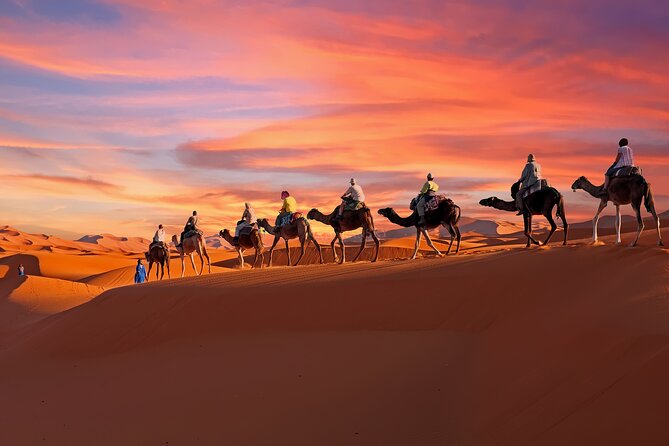
- Bedouin cameleers lead you and teach you how to ride before you move into the dunes
- Sunset on golden dunes plus time for photos during the ride
- One night in a desert camp with traditional Berber dinner and an open-fire flatbread
- Sunrise camel trek on Day 2 paired with a Berber breakfast
- Traditional dress included (Sahara turban and djellaba) for the experience
- Hotel pickup and drop-off in Douz keeps the schedule simple
Why Douz Makes Sense for a 2-Day Sahara Camel Trek
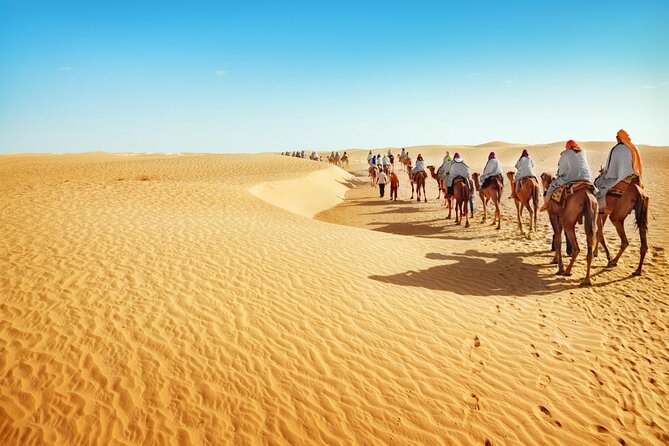
Douz is one of the easiest places to start a short Sahara trek without turning the trip into a logistics puzzle. You’re based in a town that’s built around desert access, so the whole thing feels more like a guided adventure than a multi-day expedition with complicated transfers.
What I like is how quickly you go from town energy into dune time. The tour runs on a clear rhythm: pickup from your Douz lodging, camel instruction, then riding that builds through the day. And because your day includes meals and a camp night, you’re not left figuring out where to eat or how to handle the overnight.
This format is a strong choice if you want the desert experience but don’t have a week to spare. The ride-to-camp pacing also helps you stay focused on the moment—golden dunes in late day light, stars at night, then sunrise again the next morning.
You can also read our reviews of more tours and experiences in Douz.
Day 1: Pickup, Camel Instruction, Sunset Dunes, and Berber Campfire Night
Day 1 starts with an early pick-up from your hotel or accommodation in Douz. Your first job is simple: meet your Bedouin cameleers and get set up. Before the longer riding begins, you’ll receive direction and instruction—this matters more than most people expect, because camel trekking is not “sit and zone out.” Even when you’re comfortable, your guide’s directions help you find the safest, easiest way to be on the camel.
Once you’re moving, the ride follows the changing feel of the day. You’ll ride through golden dunes and wide-open desert views, and there’s time to notice how the scenery shifts as the light and angles move. At midday, you stop for lunch while the chef prepares a meal for you. This is a real break—not a token stop—so you can reset your body and get some desert photos without rushing.
After lunch, you continue riding until sunset. The tour gives you the chance to see the sun drop on top of the dunes, which is the kind of timing that’s hard to reproduce on your own. If you’re a photographer, you’ll appreciate that you’re already positioned in the right place when the light goes soft.
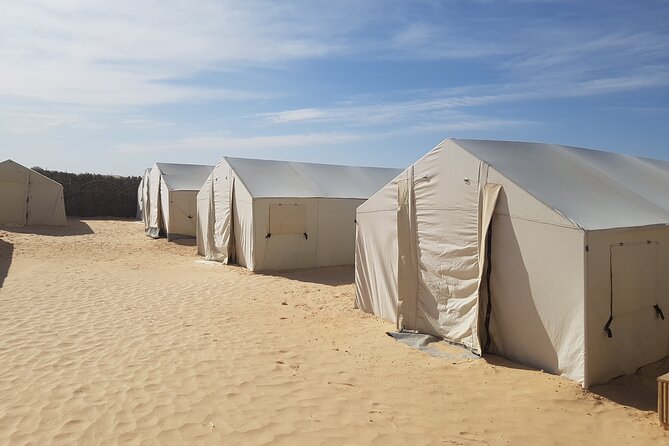
Then comes camp. You’ll arrive at the desert camp and enjoy a traditional Berber dinner. One standout detail here is the flatbread cooked on an open fire, because food eaten outdoors under the sky has a different feel than a hotel meal. After dinner, you spend the night outside under the stars, with drumming around the fire. That combination—food, sound, and sky—helps the overnight feel like a memory, not just a place to sleep.
Day 2: Sunrise Camel Trek, Berber Breakfast, and the Return to Douz
Day 2 begins early with sunrise. You’ll enjoy the morning calm from the dunes, then have a Berber breakfast before the next stretch of riding. This part is why the trek works as a short overnight: you get both ends of the day, when the desert looks and feels most different.
The camel trek continues through remarkable dunes and changing desert views. Compared to the first day, the mood is usually quieter and more focused, because you’re waking up to the morning light rather than pushing into evening. Either way, it’s still active time on camelback, and you’ll want to keep your balance and stay comfortable with the ride.
After the morning riding, your desert adventure winds down with a camel trek back to the initial meeting point. From there, your return transportation takes you back to Douz. It’s a clean finish: you don’t end your trip wondering how you’ll get home or where you’ll store your stuff. The whole experience is designed to end when it’s supposed to end.
Meals, Water, and the Small Comforts That Make the Trek Work
This trek doesn’t just include food—it’s set up so you can actually enjoy eating in the desert. You get lunch, dinner, and breakfast, with dinner at the camp and breakfast in the morning. Bottled water is included, plus coffee and/or tea, which makes a big difference when you’re active and out in the open.
A practical detail: the tour provides a Sahara turban (head scarf) and djellaba (robe) during the trek. That’s not only for photos. Clothing that’s meant for desert conditions helps you manage sun and wind, and it adds that extra sense of place that you don’t get with standard travel outfits.
On top of that, the tour includes the desert camp night with accommodation and meals bundled in. That means you’re not juggling extra vendors or deciding what to buy once you’re already in the dunes. If you’re trying to keep your time and budget stable, this “everything included” approach is a real win.
If you have food needs, there’s flexibility: a vegetarian option is available if you tell the operator when booking, and you can advise any specific dietary requirements.
Price and Value: Is $240 Per Person Fair?
At $240.00 per person for about two days, this is not the cheapest way to see the Sahara. But it’s also not overpriced when you look at what’s included.
Here’s what you’re actually paying for:
- A guided camel trek with a cameleer tour guide who provides instruction and directions
- A camel for you to ride
- Hotel pickup and drop-off in Douz
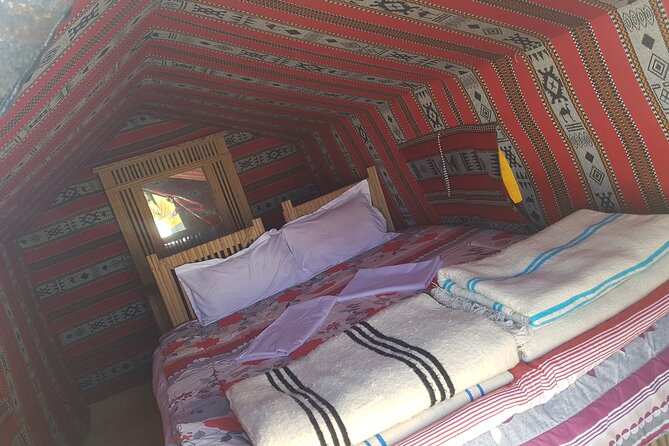
- 1 night in a desert camp with meals included
- Lunch, dinner, breakfast, plus bottled water, and coffee/tea
- Traditional dress (turban and djellaba) during the trek
- A private setup for your group (only your group participates)
If you try to recreate this on your own, the big cost drivers are usually reliable camel/guide arrangements and a decent camp overnight. Here, those pieces are bundled, so you’re paying for coordination you don’t have to manage.
The value angle is strongest if you want a smooth, guided experience without chasing details. If you already have camel experience, contacts, or you’re comfortable building the trip yourself, then it can feel like you’re paying for convenience. But for most people, paying extra for fewer headaches is the point.
The Real Experience: Bedouin and Berber Life, Not Just Dunes
The trek isn’t only about moving across sand. Your guide provides insight into Bedouin and Berber ways that have helped people survive in the desert for centuries. You should think of this as practical cultural context tied directly to what you’re seeing and doing: desert travel, living patterns, and how people adapt to harsh conditions.
That matters because it turns the trip from scenery into understanding. When you hear why certain choices are made—how people move, how they prepare for day and night—you start noticing details you would otherwise miss. Even when you’re focused on the riding, those small bits of explanation add meaning.
Also, the cameleer instruction is part of the cultural layer. You’re not treating the camel like a random prop. You’re learning how a guide expects you to ride and behave on the trek.
What to Expect From the Desert Camp Night
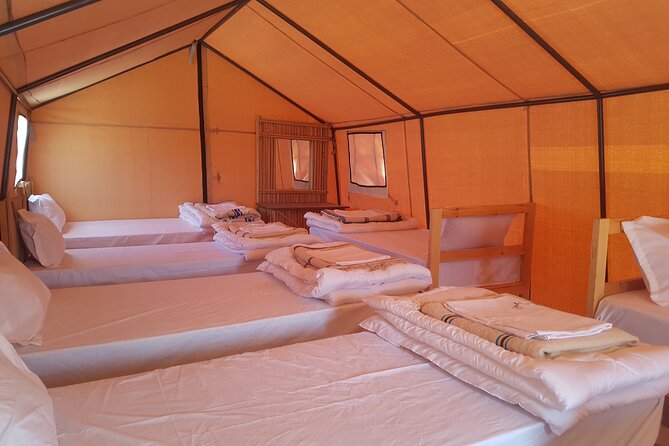
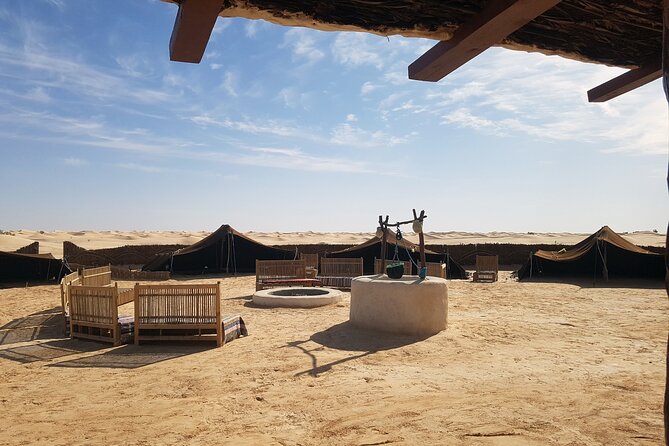
One of the best things about this kind of short overnight is that it gives you the classic desert payoff without stretching into a multi-day survival test. The camp night is designed to be comfortable enough that you can enjoy the evening instead of counting minutes until morning.
Based on the positive feedback this tour gets, the camp tends to exceed expectations for cleanliness and comfort. People also highlight the food and the overall vibe—especially the starry night and the campfire moments.
You’ll go to sleep under the sky, and you’ll wake up for sunrise. That rhythm is what makes the overnight so memorable. If you only ride during daytime, you miss the emotional punch: the change from hot daylight into cool night air and then back to sunrise.
Who This Tour Suits Best (and Who Should Think Twice)
This is a strong match if you want:
- A true guided camel trek with instruction
- Both sunrise and sunset dune time
- An overnight in a desert camp with meals included
- A straightforward pickup/drop-off experience in Douz
It’s also a great fit for first-timers, because you’re not thrown into the desert alone. The guide helps you with camel handling, and the schedule includes built-in breaks like lunch and breakfast.
Think twice if:
- You have a low tolerance for bumpy riding or long time on the camel
- You want the trip to be mostly walking rather than trekking on horseback-like travel (in this case, camelback)
- You’re looking for nightlife-style entertainment in a desert setting (this is about stars, food, and quiet moments)
Should You Book This 2-Day Douz Camel Trek?
If you’re choosing between a quick day visit and a real overnight, I’d lean toward this. The biggest reason is simple: the overnight gives you the desert at night and again at sunrise. That’s when you get the full experience—stars, open-fire cooking, then a calm morning ride.
The second reason is value. For $240, you’re not just buying a camel ride. You’re getting transport in Douz, a guide, traditional dress, camp lodging, and all meals. That’s the kind of package that saves money and stress at the same time.
So, book this if your top priority is a guided Sahara camel experience with camp night magic and you’re comfortable spending two days focused on riding. If you’re chasing a less active style of desert travel, you might want to consider a different format.
FAQ
What is the duration of the 2-Day Tunisia Sahara Desert Camel Trek from Douz?
It’s about 2 days.
How much does the trek cost?
The price is $240.00 per person.
Does the tour include pickup and drop-off?
Yes. It includes pickup and drop-off from your hotel or accommodation in Douz. Pickup from other cities is not included.
What meals are included?
Lunch, dinner, and breakfast are included, along with bottled water. Coffee and/or tea are also included.
Is there a vegetarian option?
Yes. A vegetarian option is available—advise the operator at booking.
What is the cancellation policy window for a full refund?
You can cancel up to 6 days in advance of the experience for a full refund.