REVIEW · DOUZ
3-Day Tunisia Sahara Desert Camel Trek from Douz
Book on Viator →Operated by SAHARANSKY · Bookable on Viator
Three days on camelback changes your pace. From Douz, you move slowly into the dunes on a camel trek, then spend two nights in a desert camp under a starry sky. It’s the kind of trip where the day’s highlight isn’t a site—it’s the rhythm of riding, eating, and watching light change across the sand.
I especially like the way the tour builds in real culture through food and daily desert moments. You get Berber breakfast and Bedouin lunch, plus time to dress up in the Sahara with a turban and djellaba during the trek. One consideration: you’ll start with an early 9:00 AM pickup and spend long stretches on camelback, and you’ll want your own sunscreen since it’s not included.
In This Review
- Why This 3-Day Douz Sahara Camel Trek Works
- Sahara Desert From Douz: What the 9:00 AM Start Really Means
- Day 1 Camelback Into Golden Dunes: Lunch, Camp, and Berber Dinner by Fire
- Day 2 Sunrise Ride to Sunset Dunes: Bedouin Lunch and That Big Sky Moment
- Day 3 Morning Coffee and the Final Camel Ride Back to Douz
- Berber vs Bedouin Food: The Cultural Thread You’ll Taste
- Guides and Camp Life: Why the People Part Matters
- What You’re Really Paying For: Value Behind the $270 Price
- Practical Tips Before You Go (So the Trek Feels Fun)
- Who This Trip Fits Best
- Should You Book This Douz Sahara 3-Day Camel Trek?
- FAQ
- What time is pickup in Douz, and when do we return?
- Is this a private tour?
- What meals are included during the 3 days?
- Is a vegetarian option available?
- Do I need to bring sunscreen?
- What is the cancellation window for a full refund?
Why This 3-Day Douz Sahara Camel Trek Works
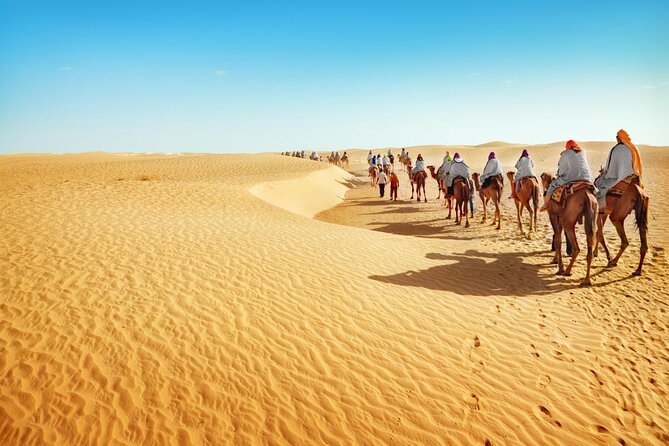
- Vehicle-free feeling: you ride into areas that don’t feel accessible by car, so the dunes feel truly remote
- Day/night desert contrasts: sunrise rides in the cool morning, sunset views on the dunes, then a campsite night under the stars
- Food with a story: Berber and Bedouin meals are part of the experience, not just fuel
- Good camp rhythm: you don’t rush nonstop; meals and viewpoints break up the trek
- Photo-friendly moments: lunch stops and dune timing create natural “pause and shoot” windows
- More than just riding: there’s time for drumming around the fire and a night with a strong sense of place
Sahara Desert From Douz: What the 9:00 AM Start Really Means
This trek is designed around one simple idea: get you out of town early, so you can actually enjoy the desert before the day heats up and the sand turns into a glare. Pickup begins at 9:00 AM from your hotel or accommodation in Douz, and you return to Douz at about 11:00 AM on Day 3.
Because it’s a private activity for your group, the timing tends to feel smoother and less “sit and wait.” The tour also includes round-trip transport within Douz, so you’re not trying to coordinate rides on your own.
A small but useful detail: bottled water, plus coffee and/or tea, are included. That helps you plan less and sip more—exactly what you want when you’re on the move.
You can also read our reviews of more tours and experiences in Douz.
Day 1 Camelback Into Golden Dunes: Lunch, Camp, and Berber Dinner by Fire
Day 1 starts with meeting your cameleers and getting mounted for the first leg into the dunes. This is when the trip really clicks, because the desert view changes as the hours pass—shadows lengthen, dunes shift color, and you start noticing how the terrain feels from an animal’s pace rather than a vehicle’s speed.
At midday, you get a break for lunch while the chef prepares your meal. This matters more than it sounds. A cooked stop means you can reset, drink water, and take photos without rushing back onto the camel. It’s also the moment to think like a trekker: don’t burn through energy—save some for late afternoon light and camp arrival.
After lunch, you continue to the desert camp for your first overnight. The evening includes a Berber dinner and time around the fire, including drumming. That night-by-fire setup is often what people remember, because it turns the campsite into something active and social, not just a place to sleep.
What to watch for on Day 1:
- Your first photos will probably be the best if you aim them for late light after midday
- Expect the day to feel long; build in slower movements when you’re mounted
Day 2 Sunrise Ride to Sunset Dunes: Bedouin Lunch and That Big Sky Moment
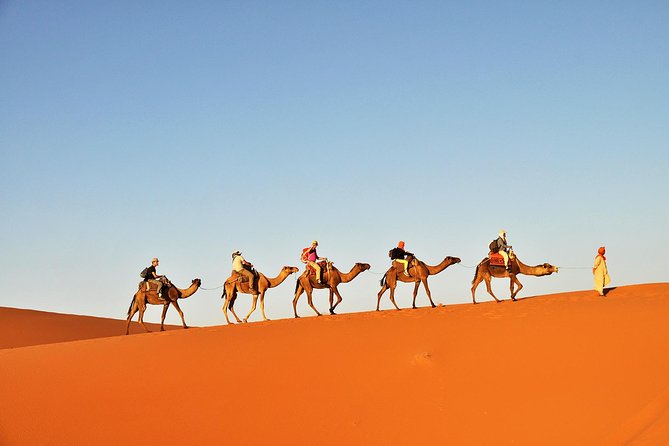
Day 2 begins early, with sunrise and Berber breakfast. It’s a smart choice. Morning is when you see the desert with less glare and more texture, and you also get that quiet-before-the-crowd feeling—except you’re not in a crowd, because this is camel travel.
After breakfast, you ride again for more wide-open panoramic views. Then midday brings a change of pace: you return to camp so you can experience how they prepare a traditional Bedouin lunch.
This lunch stop is a cultural highlight. The tour specifically frames Bedouin style as unique, and that’s the point—you’re not just eating, you’re learning how food fits desert life. After lunch, you ride once more toward sunset, with a chance to watch the view from the dunes as the light drops.
That’s your second “wow” cycle: morning stars and quiet dawn, then sunset timing on rolling sand.
Finish the day the same way Day 1 ends: dinner near the campfire, under a sky full of stars. Two nights means you get two chances for the sky to look different, depending on moonlight and cloud cover.
Day 3 Morning Coffee and the Final Camel Ride Back to Douz
Day 3 keeps it gentle and satisfying. You wake up to the aroma of freshly brewed coffee and enjoy breakfast, then you ride again to catch another sunrise and more of the Sahara’s changing surfaces.
The final segment continues through the dunes and scenic stretches before the trek winds down. You ride back to the original meeting point, and then your return transportation to Douz arrives around 11:00 AM.
This end time is practical. You’re not stuck in “lost day” mode after the desert. You can likely get cleaned up, eat something more substantial back in town, and actually enjoy the rest of your day instead of collapsing.
Berber vs Bedouin Food: The Cultural Thread You’ll Taste
A lot of desert trips treat food as a checkbox. This one treats it like a learning moment.
You’ll have:
- Berber breakfast in the early morning
- Bedouin lunch mid-day, with preparation shown
- Berber dinner in the evenings during the camp stay
Even if you don’t memorize every detail, you’ll notice the difference in how meals fit the day. Breakfast supports early riding. Lunch comes when energy needs a reset. Dinner lands when the camp is ready for firelight and conversation.
On top of the food, you also get desert-dress extras during the trek: a Sahara Desert turban (head scarf) and djellaba (robe). This isn’t just for photos. It’s a quick, hands-on way to connect with the practical clothing choices that make life easier in a sun-and-dust environment.
If you enjoy human-scale travel, this cultural thread is what makes the trek feel more than scenic exercise.
Guides and Camp Life: Why the People Part Matters
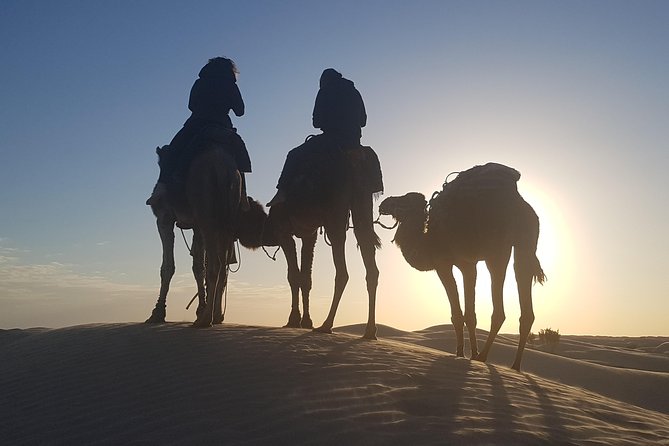
The desert can feel huge and silent, but the success of a camel trek depends on people who understand animals, timing, and the small stuff that keeps things smooth.
The experience is associated with strong guide service, with named guides including Ahmed, Mohammed, and camp contact Mounir. When those roles go well, you feel it in the pacing—when breaks arrive at the right time, when the ride feels steady, and when you know what’s coming next.
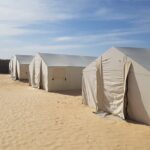
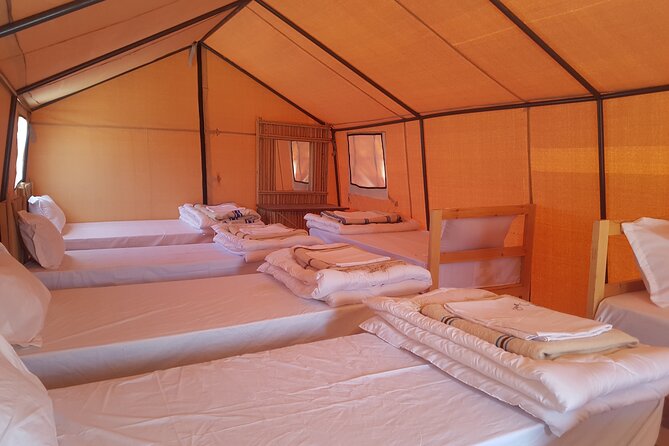
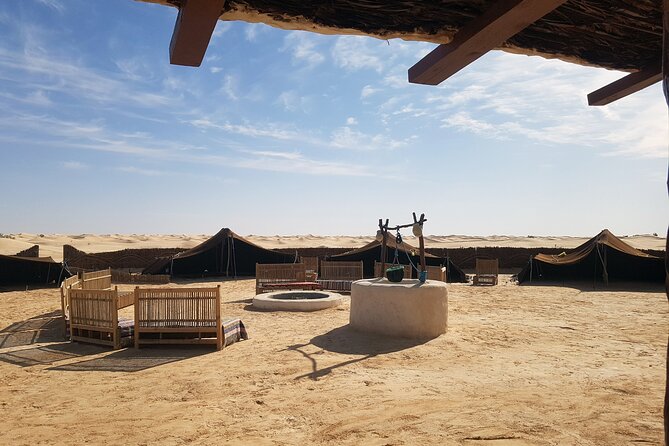
There’s also a consistency to the camp side: two nights of accommodation are included, along with breakfast, lunch, and dinner counts for each day. That structure helps you relax. You’re not guessing where meals come from or scrambling for snacks mid-trek.
And that campfire atmosphere—drumming on the first night, dinner both evenings—turns “sleep in the desert” into an actual evening experience.
What You’re Really Paying For: Value Behind the $270 Price
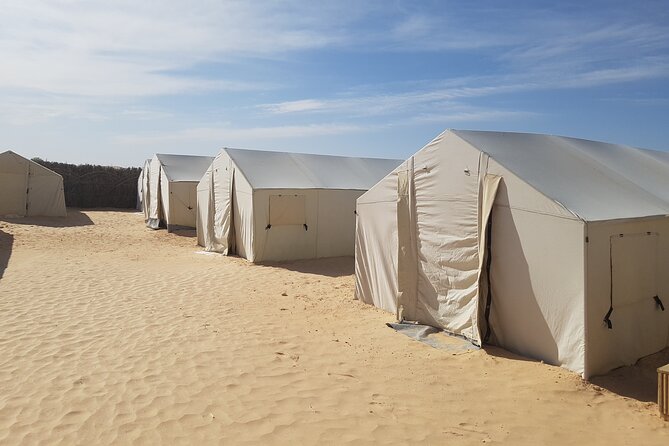
At $270 per person, this trek is priced like a real package, not a bare-bones “ride and hope.” The value comes from what’s bundled:
Included:
- 2 nights desert camp accommodation
- Meals: 2 breakfasts, 2 lunches, 2 dinners (so you’re not paying daily on your own)
- Cameleer tour guide
- Pickup and drop-off from your Douz accommodation
- Camel for riding
- Bottled water, plus coffee/tea
- Sahara desert clothing (turban and djellaba)
- Turban/djellaba for the trek (a fun included touch)
If you compare it to the cost of arranging separate transport, guiding, camel hire, and campsite nights, the total stacks up quickly. What you’re buying here is convenience plus a guided, structured desert experience.
Could it be cheaper? Sure, if you find a less structured option. But the included meals, camp nights, and guiding are the reason this feels like a real 3-day commitment instead of a half-day novelty.
Practical Tips Before You Go (So the Trek Feels Fun)
A few straightforward things will make your trip easier.
- Bring sunscreen. It’s not included, and you’re in open sand with big sky exposure.
- Pack light. You’ll ride for hours and you don’t want a heavy bag pulling at your comfort.
- Keep camera energy steady. The tour includes natural photo breaks at lunch and at key light moments like sunset and sunrise. You don’t need to sprint from spot to spot.
- Think about clothing you can move in while riding. The tour provides a turban and djellaba during the trek, but you’ll still want practical layers you feel good in.
Also, if you’re booking for kids: children must be accompanied by an adult. That’s built into the tour rules, so plan accordingly.
Who This Trip Fits Best
This is a strong match if you want:
- A multi-day camel experience, not a quick day excursion
- Desert nights with stargazing and a campfire atmosphere
- Real meals with Berber and Bedouin style differences
- A private group setup, so you’re not jammed into a large crowd
It also works well if you care about animal wellbeing, since the experience is described with attention to camel care. The camels are also described as well-behaved and characterful in the feedback around this trek.
Vegetarian travelers should note: a vegetarian option is available if you tell the operator when booking. It’s always worth messaging early so they can plan the meals.
If you want a fully cushy, schedule-free vacation, this likely isn’t your vibe. Camel trekking is part of the deal. But if you like movement, views, and a slower connection to the desert, it’s a rewarding format.
Should You Book This Douz Sahara 3-Day Camel Trek?
I think you should book if you want a real Sahara rhythm: ride in the day, eat desert meals that are tied to local traditions, and spend two nights under an enormous sky. The mix of sunrise and sunset timing, plus camp evenings with fire and drumming, makes the days feel intentional.
You might pause before booking if you’re not comfortable with long camel hours or if you forget basics like sunscreen. The trek is built for people who accept that desert travel has a physical pace—even though the tour says most people can participate.
If you’re looking for a meaningful way to see the dunes around Douz, this hits the sweet spot: structured enough to be easy, wild enough to feel like the Sahara.
FAQ
What time is pickup in Douz, and when do we return?
Pickup starts at 9:00 AM from your hotel or accommodation in Douz. On the last day, the return transportation brings you back to Douz around 11:00 AM.
Is this a private tour?
Yes. It’s listed as a private tour/activity, meaning only your group participates.
What meals are included during the 3 days?
The package includes 2 breakfasts, 2 lunches, and 2 dinners, plus bottled water and coffee and/or tea.
Is a vegetarian option available?
Yes. A vegetarian option is available if you advise the operator at the time of booking.
Do I need to bring sunscreen?
Sunscreen is not included, so it’s smart to bring your own.
What is the cancellation window for a full refund?
You can cancel up to 6 days in advance for a full refund. Canceling less than 6 full days before the start time changes the refund amount.