REVIEW · SAPA
Fansipan Mount Trekking 1 Day
Book on Viator →Operated by Old Quarter Travel · Bookable on Viator
One day. One big climb. This Fansipan Mount Trek gives you a structured route up to the peak of the roof of Indochina, with a guide and porter handling the hardest logistics, plus picnic lunch built into the day. The main consideration is the physical challenge and the weather—rain and fog can make visibility at the top a mixed bag.
I like how early you start and how the schedule is built around reaching the summit before the day turns late. You’ll also get a real souvenir in the form of a summiting Fansipan certification, which turns a tough hike into a clear win you can take home.
In This Review
- Key Things to Know Before You Go
- Why Fansipan in One Day Works (and When It Doesn’t)
- Getting Started in Sapa: The 6:00 a.m. Launch to Tram Ton Pass
- The Trek Up: Bamboo Forest Climb and Lunch on the Mountain
- Summit Moment: What You Gain Besides a Photo
- Coming Back Down: Tram Ton Pass and the 4:30 p.m. Return to Sapa
- Guides, Porters, and the Real Value of an $89 Day
- Weather, Fitness, and What to Expect When the Mountain Gets Moody
- Who This Trek Best Fits
- Should You Book Fansipan Mount Trekking 1 Day?
- FAQ
- What time does the trek start?
- Is lunch included?
- Do I get bottled water?
- Is a porter included?
- Will I receive a certification?
- How long is the full experience?
- Is cable car included?
- What happens if weather is bad?
Key Things to Know Before You Go
- 6:00 a.m. pickup in Sapa to start trekking at about 1,800m near Tram Ton Pass
- Bamboo forest ascent guided by your team, with lunch on the trail instead of meal planning
- Summit timing around noon to 1 p.m. so you’re not hiking all afternoon in the dark
- 1 porter plus a medical kit included for support on a route that can feel relentless
- Fansipan summit certification after you complete the climb
- Return to Sapa by mid-afternoon (around 4:30 p.m.) keeps the day from dragging
Why Fansipan in One Day Works (and When It Doesn’t)
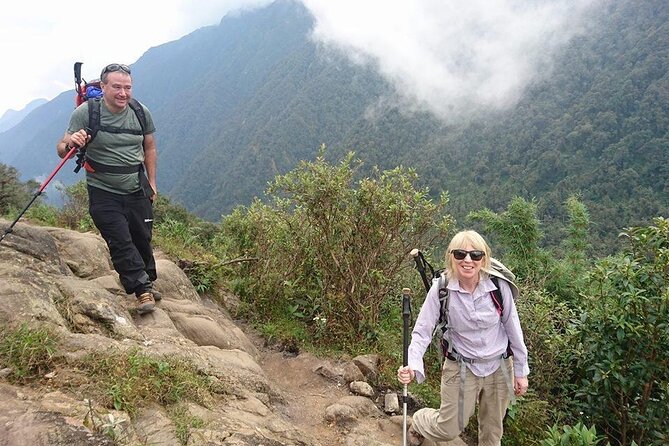
Fansipan is famous for a reason: it is the tallest mountain in the Indochinese Peninsula, and it can be tough—especially if you’re not used to steep uphills and lots of stairs. This one-day format is for people who want a big accomplishment without turning the trip into a multi-day expedition.
What makes this itinerary workable is the early start and the built-in rhythm. You’re leaving Sapa at 6:00 a.m., trekking through bamboo forest, pausing for a picnic lunch, and aiming for the summit around noon to 1 p.m. That timing matters because it keeps the bulk of the climb in cooler morning hours and gives you enough daylight to head down and get back to town.
That said, one thing to respect: this is not a casual walk. If you want a gentler experience, or you’re worried about pace on steep sections, you may want to consider doing Fansipan over two days instead of pushing everything into one long slog. A slower day tends to make the climb feel less like survival and more like hiking.
Getting Started in Sapa: The 6:00 a.m. Launch to Tram Ton Pass
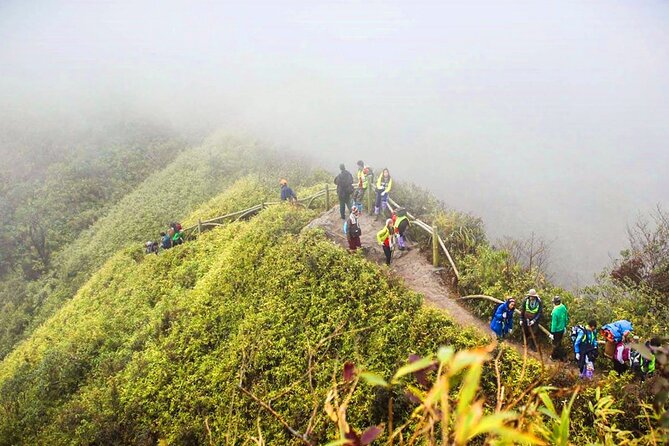
Your day starts early. You’ll get picked up at your hotel around 6:00 a.m., then head toward Tram Ton Pass, part of Hoang Lien National Park, at about 1,800 meters above sea level. This “start higher” approach is practical because it puts you close to the trekking zone without wasting hours in transit.
There’s also a small but helpful detail: the admission ticket for this stop is listed as free in the schedule you’ll follow. That means less time thinking about what’s paid on-site and more time settling in.
This early departure is one of the smarter parts of the plan. It reduces the chance that you’ll be climbing when the weather feels more unpredictable, and it sets you up for an on-time summit window. If you’re the type who hates being rushed, you’ll still feel the morning pace, but at least it’s a predictable kind of rush.
The Trek Up: Bamboo Forest Climb and Lunch on the Mountain
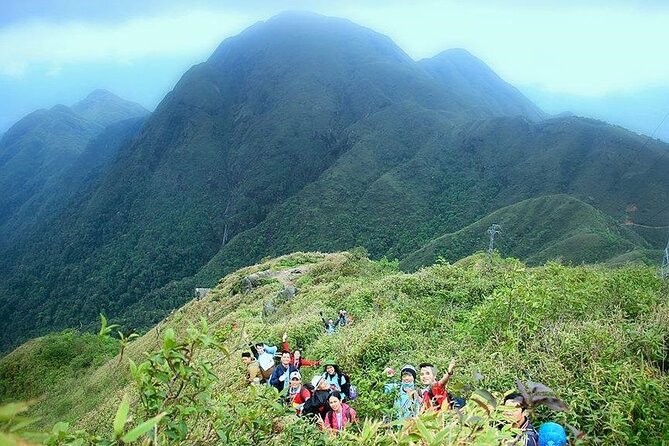
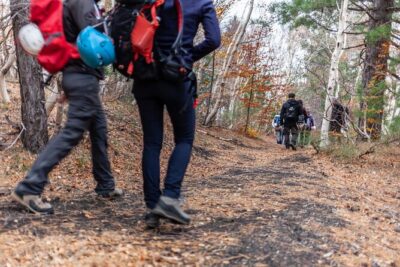
Around 6:50 a.m., you begin trekking through bamboo forests. That matters because it’s not just “go up a path.” The bamboo forest portion helps set expectations: you’ll likely spend early hours working steadily upward while the route narrows into something more trail-like and physical.
Your team includes a guide and 1 porter, and the porter role isn’t just for show. In practice, you’re getting support so you can focus on moving. Your lunch is also planned here, so you’re not trying to carry food and manage snacks with heavy legs.
Here’s what the timing looks like in real terms:
- You reach the lunch stop with enough morning progress to eat without turning it into an all-day picnic.
- Lunch is around 30 minutes.
- From there, the climb continues until you’re reaching the summit roughly between 12:00 and 13:00.
In the real world, weather can change the emotional payoff of the summit. If rain and fog show up (it happens), visibility from the top can be limited. You may not get the wide-open views people dream about. Still, that doesn’t make the climb pointless. The challenge itself is the event, and even without a crystal-clear panorama, reaching the peak is a real goal you earn.
Guides play a big role in making that last stretch feel safer. You might hike with someone like Sii, Pang, or Bao—all names connected to excellent guide support in the experience feedback you provided. The common theme across those accounts is a manageable pace, good preparation, and someone watching for hazards along the route. A bonus: when the guide’s English is clear enough, you’ll also get enough explanation to feel oriented rather than just following a person ahead of you.
Summit Moment: What You Gain Besides a Photo
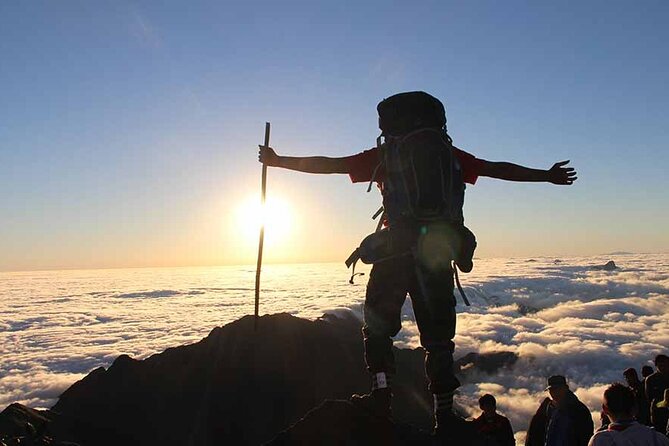
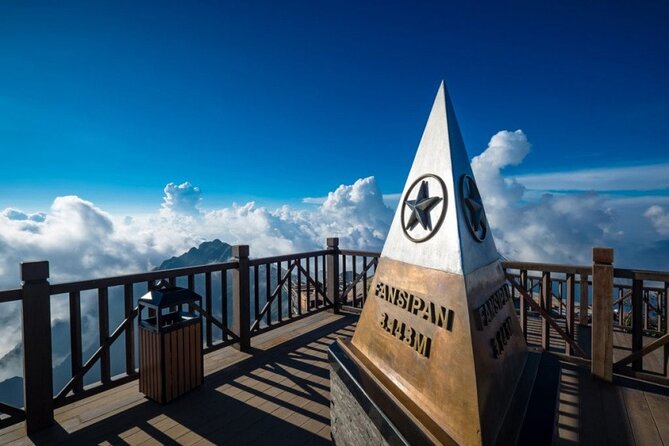
Reaching Fansipan’s top is the headline, but the value goes beyond a peak picture. You complete the climb and receive a summiting Fansipan certification. That’s the kind of souvenir that actually means something because it confirms completion, not just attendance.
Also, the summit window is designed to fit the day. Since you aim to arrive around noon to 1 p.m., you’re less likely to get trapped by time pressure if the route slows down. Weather can still slow things, and in rain you may feel the hike get tougher. But the schedule gives you room to breathe.
One realistic heads-up: if fog rolls in, the summit experience can feel quieter and more limited visually. That can be disappointing if you’re chasing views. But it can also make the summit feel more intimate—less about the scenery and more about the fact that you made it through the conditions.
Coming Back Down: Tram Ton Pass and the 4:30 p.m. Return to Sapa
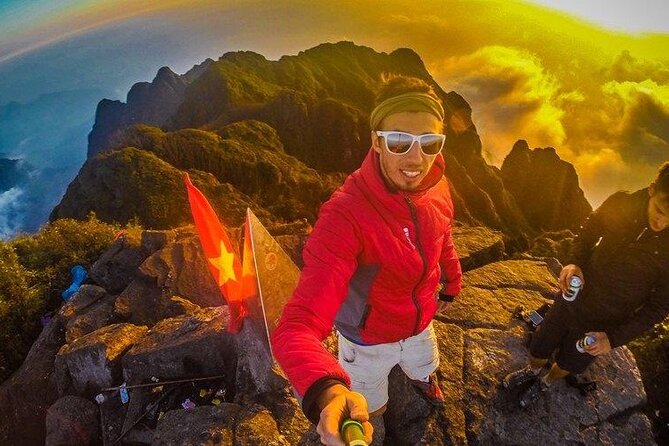
After the summit portion, the day turns toward descent and wrap-up. The return pickup is scheduled for 16:30 (4:30 p.m.), when a car returns you to the Sapa town center. The listed travel time for the return is about 40 minutes.
This timing is a big deal for comfort. A lot of tough hikes feel endless when you’re still on the mountain late in the day. Here, you’re back in town before evening plans take over. That means you can shower, eat a proper meal, and recover without staying up late wondering how you’ll get back.
Guides, Porters, and the Real Value of an $89 Day
At $89 per person, you’re paying for a full-service climb day: not just a route, but support, meals, and key logistics. I think that’s where the value shows up.
Here’s what is included:
- Bottled water: 1 bottle per person
- Picnic lunch on the trail
- 1 porter
- Medical kit
- Transportation from Sapa to the Ton Station area
- Fansipan summit certification
What’s not included:
- Tips for the guide
- Beverages and personal expenses
- VAT (not included in the listed price)
- Cable car (explicitly not part of this experience)
Now let’s translate that into practical value. You’re saving effort in three areas:
- You don’t have to pack food for the hike day. The picnic lunch is part of the plan.
- You’re not carrying as much weight because of the porter.
- You don’t have to coordinate permits and timing on your own, since the team handles key mountain coordination elements and the permits process in short notice situations (based on the smooth coordination notes from the guide-side feedback).
Guide quality is one of the most noticeable differences between a stressful hike and a controlled one. In the feedback you shared, guides were praised for things like being prompt, bringing equipment and food, speaking enough English, and warning hikers about hazards. Language barriers can affect how much conversation you get, but you still benefit from route knowledge and safety cues.
If you care about certainty, the “private tour/activity” style also matters. Your group participates together, and the tour setup doesn’t turn into a random crowd-mix.
Weather, Fitness, and What to Expect When the Mountain Gets Moody
Fansipan can be difficult even on a good day. Rain and fog can make it feel harder because footing and visibility are both affected. In the feedback you provided, rain started partway through one trek, and fog meant the summit wasn’t very visible. That’s not a flaw in the tour; it’s mountain reality.
What you should bring into your decision-making:
- This tour says you should have moderate physical fitness.
- The hike includes lots of uphills and stairs, so endurance matters more than speed.
- You’re hiking early and returning mid-afternoon, but the climb itself can still be a grind.
So pack with the idea that your day might be wet and your summit might be obscured. You’ll likely want layers you can manage in changing temps and conditions. And bring a mindset that says: the goal is completion. Views are a bonus, not the entire purpose.
One more practical note: because you start high (about 1,800m at Tram Ton Pass), you may feel altitude sensitivity if you’re not used to it. The schedule is steady rather than frantic, which helps, but listen to your body. If you start feeling off, slow down early and tell your guide.
Who This Trek Best Fits
This one-day Fansipan trek is a strong match if you:
- Want a major challenge with a clear end time
- Prefer a planned day with a guide and porter doing the heavy lifting and timing
- Like earning a tangible reward (the summit certification)
- Are comfortable with a full morning hike and a full afternoon return
It may not be ideal if you:
- Want an easier pace and less time on steep stair sections
- Have concerns about handling rain or low-visibility conditions
- Are hoping for consistently clear summit views (weather can take that away)
If you’re undecided, think of it like this: one day is for people who recover well and can handle a long, active climb. Two days often suits hikers who want to enjoy the mountain more than they need to conquer it in one shot.
Should You Book Fansipan Mount Trekking 1 Day?
I’d book this if you want the roof of Indochina experience without turning your trip into a multi-day logistics puzzle. The combination of early start, porter support, picnic lunch, and summit certification is exactly what makes it feel like a complete day rather than just renting a guide and hoping for the best.
Skip it or switch plans if you’re worried you’ll feel overwhelmed by stairs and steep uphills, or if you know you struggle with long, sustained effort. In that case, the climb might feel less like a triumph and more like a test you didn’t want.
FAQ
What time does the trek start?
Pickup from your Sapa hotel starts at 6:00 a.m.
Is lunch included?
Yes. You get a picnic lunch during the trek.
Do I get bottled water?
Yes. 1 bottle of water per person is included.
Is a porter included?
Yes. 1 porter is included.
Will I receive a certification?
Yes. You’ll receive a summiting Fansipan certification after completing the trek.
How long is the full experience?
The duration is listed as about 10 hours.
Is cable car included?
No. Cable car is not included.
What happens if weather is bad?
This experience requires good weather. If it’s canceled due to poor weather, you’ll be offered a different date or a full refund.
If you’d like, tell me your fitness level and when you’re traveling (month helps). I can help you judge whether one day is a good match or if you’d feel better with a slower plan.