REVIEW · POKHARA
Pokhara: 3-Day Ghorephani and Poon Hill Private Trek
Book on GetYourGuide →Operated by Snow Peak Tours and Travels pvt.ltd. · Bookable on GetYourGuide
Poon Hill sunrise is the main event. On this 3-day private trek from Pokhara, you also get big mountain drama between Annapurna and Dhaulagiri, plus real village life like Gurung culture around Ghandruk. I especially like how this trip packs a lot of payoff into a short timeframe, without feeling rushed off the trail.
The main thing to watch is effort. The walking includes steep sections and lots of steps, so if you are not used to uphill trekking, you’ll want a slow pace and good footwear.
In This Review
- Key things I’d plan for on this Ghorepani and Poon Hill trek
- Why Ghorepani and Poon Hill works so well in 3 days
- From Pokhara to Ulleri: the warm-up that actually counts
- Ulleri to Ghorepani: rhododendron country and big-range views
- Ghandruk and Gurung culture: what to look for
- Overnight in Ghorepani
- Poon Hill sunrise and the return to Pokhara: the day you remember
- The pre-dawn climb: why it’s worth the early start
- Breakfast back in Ghorepani, then the long descent
- The route includes little stops that break up the day
- Getting to trailhead: pickups, transport, and why it matters
- The guide and private format: how your day gets easier
- What you should know about lodging, food, and supplies
- Lodging
- Meals
- Trekking gear included
- Safety extras
- Price and value: is $151 per person a fair deal?
- What to bring for this trek (and what people often forget)
- Who should book this 3-day private Ghorepani and Poon Hill trek
- Should you book this trek from Pokhara?
- FAQ
- What is the duration of the Pokhara 3-Day Ghorephani and Poon Hill Private Trek?
- Is this tour private?
- What locations can the pickup include in Pokhara?
- What does the trek include?
- Are meals included?
- What are the main trekking stops on the way?
- Do I need permits, and when do I provide passport details?
- What should I bring?
- What is the cancellation and booking flexibility?
Key things I’d plan for on this Ghorepani and Poon Hill trek
- Private guide support: you’re not figuring it out solo, and your guide helps with practical trail decisions and meals
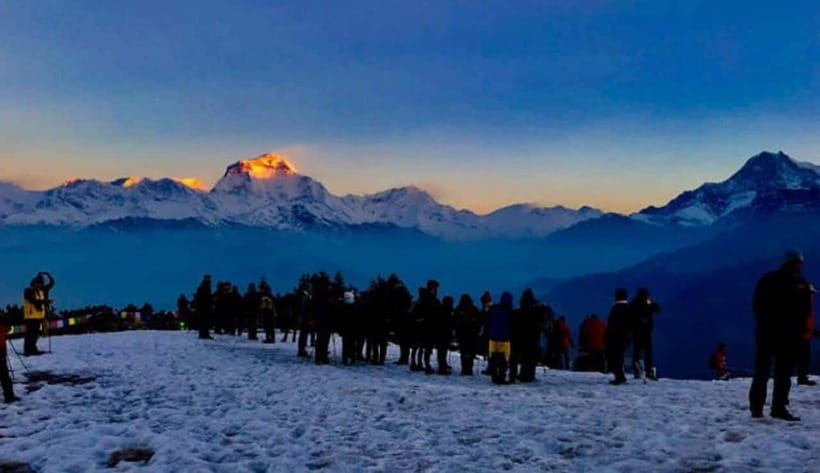
- Sunrise timing at Poon Hill: early hike to catch the golden-mountain views
- Iconic Annapurna and Dhaulagiri range views: big panoramas show up most days
- Village culture stop in Ghandruk: Gurung life along the way, not just views from the trail
- Rhododendron forests and Himalayan wildlife chances: expect color, and keep your eyes open for small surprises
- Comfortable, simple lodging: standard accommodations with welcoming hosts, often with views
Why Ghorepani and Poon Hill works so well in 3 days
If you want one strong Himalayan hit without a long leave-your-life-behind commitment, this is a smart fit. Three days is enough time to start from the Pokhara lowlands, climb into the forested middle hills, and still be back in Pokhara with enough time to sleep in your own bed (or at least something close).
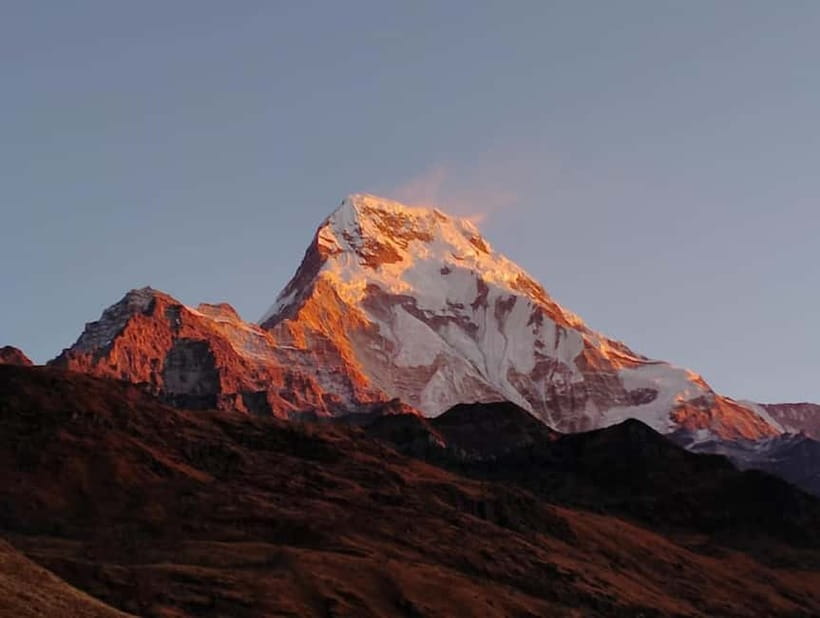
This trek is also built around two kinds of rewards. First are the mountain views—Annapurna and Dhaulagiri show up again and again as you gain elevation. Second is the human part: short stays in local villages, guided explanations from your trekking guide, and the chance to see places like Ghandruk, known for Gurung culture.
I also like the private format. You control the pace with a guide who can pause when your legs say stop. In the experience I’m describing, guides named Laxman, Sun, and Tanka Dahal have stood out for being supportive, patient, and practical—exactly what you want on a short trek with steep climbs.
You can also read our reviews of more tours and experiences in Pokhara.
From Pokhara to Ulleri: the warm-up that actually counts
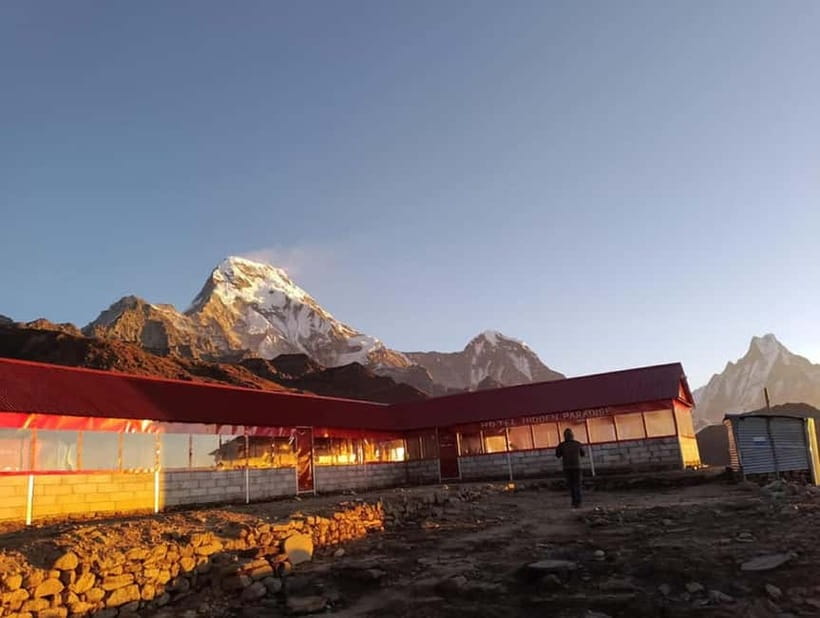
Day 1 begins with a drive from Pokhara up toward Nayapul, then your trekking starts soon after. The schedule is straightforward, and it makes a big difference: you’re not wasting your first day on a long sightseeing detour.
Here’s how the day breaks down:
- Pokhara to Nayapul (about 1 to 1.5 hours by car)
You rise from Pokhara around 822 meters to Nayapul near 1,070 meters. This is where the air feels cooler and a bit thinner, but it’s still manageable.
- Nayapul to Tikhedhunga (about 3 to 3.5 hours walking)
Expect an uphill start, then steady climbing. This section is a good reality check: your calves will learn what uphill stairs feel like in Nepal.
- Tikhedhunga to Ulleri (about 2 to 2.5 hours)
This is where you truly start climbing into trekking rhythm. Ulleri sits around 2,070 meters, so you’ll feel that elevation more when you stop for the night.
- Overnight in Ulleri
Ulleri is a classic stepping stone for the Ghorepani route. Your lodging here is “standard,” meaning simple and functional—what you want after a long walking day.
A practical tip: the first day sets your pace for the whole trek. If you start too fast, you’ll pay on Day 2. If you start steady, you’ll feel better when the views start getting real.
Ulleri to Ghorepani: rhododendron country and big-range views
Day 2 is the longest walking day, and it’s the one that tends to feel like the trek proper starts. You go from Ulleri (2,070m) to Ghorepani (2,860m) in about 5 to 6 hours.
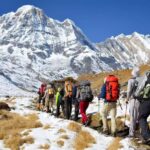
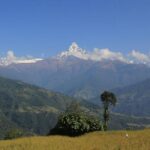
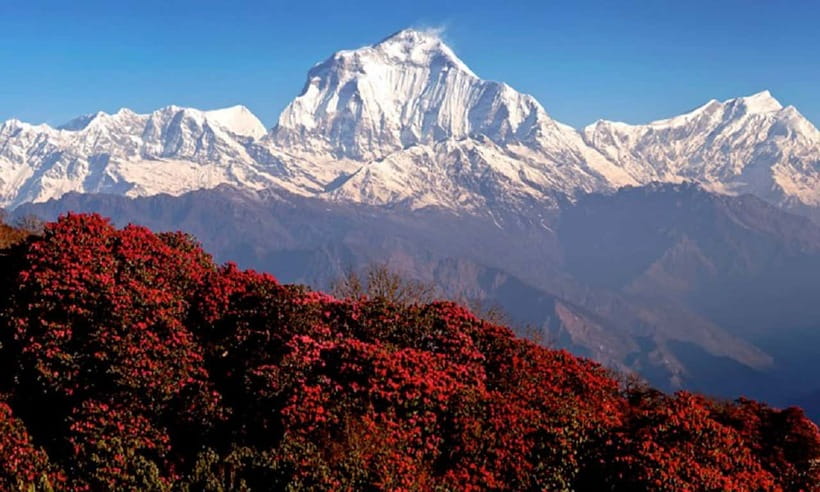
Along the way, you pass through forested sections where rhododendron forests are a highlight, with color in season and a cooler, shaded walking vibe. This day is also where the Annapurna and Dhaulagiri ranges start showing up more clearly. Even when the weather is changeable, higher ridgelines tend to open up wider views.
Ghandruk and Gurung culture: what to look for
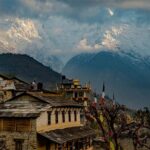
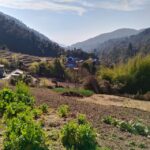
This trek includes a chance to experience Gurung culture at Ghandruk village. On a hike, that usually means the village is close enough that you can slow down, look around, and see everyday life—home styles, local routines, and community spaces—rather than just snapping photos while walking past.
What makes this part valuable is simple: you’re not hiking through a movie set. You’re sharing the trail with people who actually live there. Your guide can help connect the dots—what you’re seeing, how the settlements work, and why the route is shaped the way it is.
Overnight in Ghorepani
Ghorepani is your base for the Poon Hill sunrise morning. It’s higher, so nights can feel colder than you expect from Pokhara. The upside: the setting makes early starts less daunting because you’re already close to the lookout area.
Also, this is where “simple but welcoming” lodging matters. After a long walk, you want a place that’s clean enough, warm enough, and calm enough to sleep. The experience I’m drawing from mentions accommodation that’s basic but friendly, with good views—exactly the vibe you should expect on a short trek.
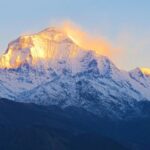
Poon Hill sunrise and the return to Pokhara: the day you remember
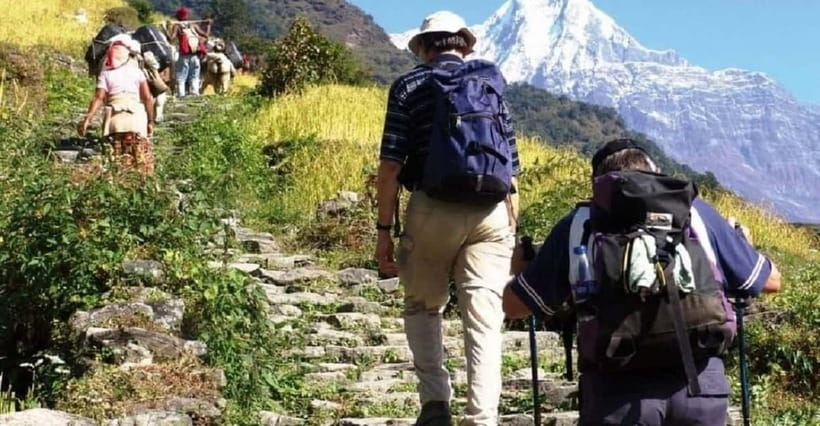
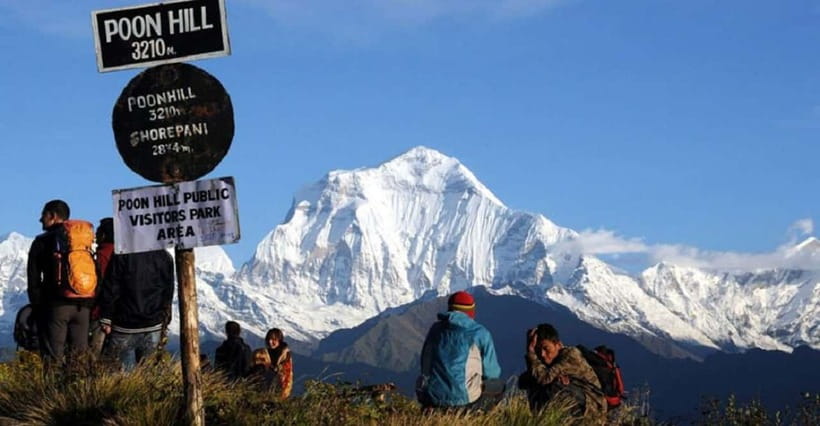
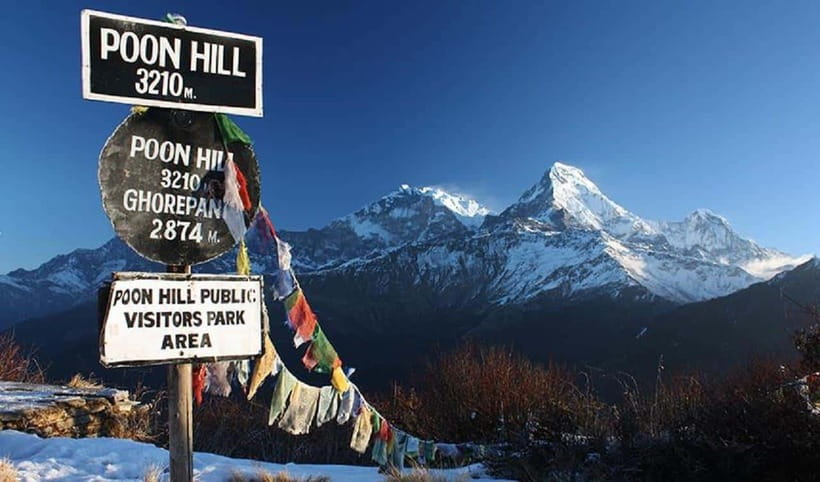
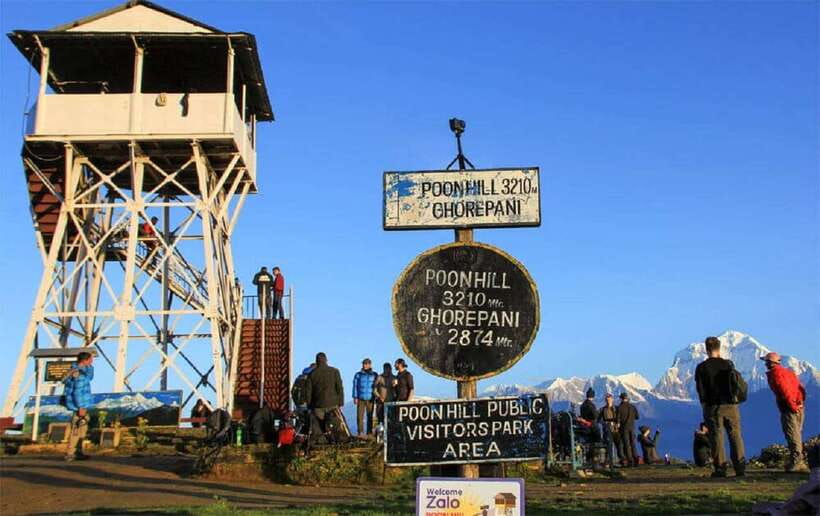
Day 3 is built around one goal: see the sunrise from Poon Hill. The plan is an early hike from Ghorepani (2,860m) to Poon Hill (3,210m), generally about 2 to 3 hours.
The pre-dawn climb: why it’s worth the early start
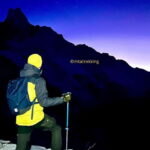
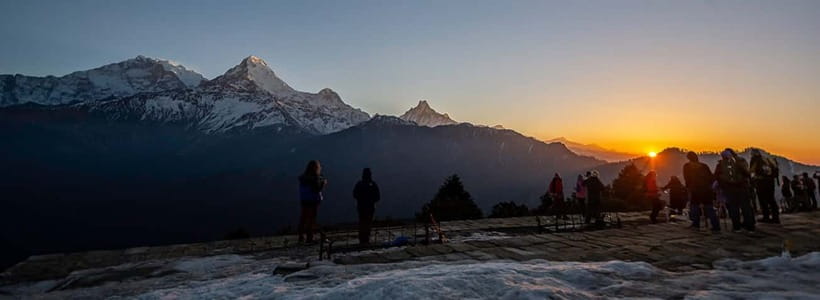
You’ll likely begin when it’s still dark or close to it. The hike up is shorter than Day 2, but you’ll feel the cold, and you’ll walk more carefully because trail light is limited. Bring layers you can peel off when the sun finally arrives.
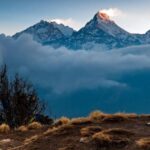
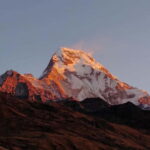
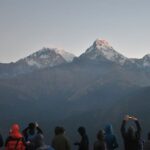
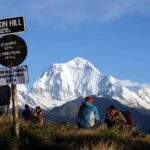
Once you reach Poon Hill, the views are the whole point. This is where the Annapurna and Dhaulagiri peaks can look like they’re glowing from behind the clouds, and the mountains turn gold in phases. People talk about this for a reason: in a short trek, it’s the single most dramatic moment.
Breakfast back in Ghorepani, then the long descent
After the sunrise, you head back down toward Ghorepani for breakfast, then continue trekking to Nayapul (about 5 to 6 hours) and drive back to Pokhara (about 1 to 1.5 hours).
On the downhill sections, your knees get a workout. I suggest you take your time here. Short, careful steps beat big strides. Also, wear shoes with good grip. Trail surfaces can be uneven, and you want confidence on the descent.
The route includes little stops that break up the day
Even though the main focus is sunrise and downhill, the day includes practical breaks and photo pauses like you might see at places such as Naya Pul. These stop-and-start moments keep the pace realistic for a 3-day schedule.
Getting to trailhead: pickups, transport, and why it matters
What I like about this particular trek package is that it reduces hassle. Transportation is included between your hotel in Pokhara, the trek start area, and back to Pokhara again. Your package also includes round-trip transport that covers locations like Pokhara International Airport (PIA) and several lakeside/hotel pickup points.
They also give clear pickup instructions: be at the main entrance about 10 minutes early, and look for a vehicle with the company logo or a guide holding a sign with your name.
On a trek, this is more than convenience. It affects stress. Less time searching for a car, less worrying about timing, more energy for Day 1.
The guide and private format: how your day gets easier
This trek is a private group with an experienced and certified trekking guide, plus costs for a porter are included (including meals, accommodation, insurance, salary, transportation, and equipment). Translation: you are paying for support, not just scenery.
In practice, good guide help shows up in small things:
- pacing so steep sections don’t burn you out
- help ordering food at places you stop
- understanding what’s around you and what to expect next
Guides named Laxman, Sun, and Tanka Dahal have been described as supportive and informative, including being patient with slower walkers. That matters on a short trek, because there’s no extra day to recover if you push too hard.
Language support is also practical: English, Hindi, and Nepali are available.
What you should know about lodging, food, and supplies
Lodging
The trip includes private accommodation in standard lodging. It’s not luxury. Think clean, functional, and friendly. One of the key notes from the experience: overnight stays can be basic but still welcoming, often with views.
Meals
Meals are included if you choose the option with meals. If you don’t choose that option, you’d need to cover your own food. Either way, plan for simple trekking meals: filling carbs, warm drinks when available, and meals timed around the walking schedule.
Trekking gear included
This package includes trekking gear such as trekking sticks and sleeping bags as needed. If you’re coming from abroad or you hate carrying extra weight, this can reduce both cost and packing stress.
They also provide a duffel bag, plus luggage storage in Pokhara. You don’t want to drag the whole suitcase into the hills.
Safety extras
First aid kits are included, and permits are covered. That’s a big deal in Nepal—permits and trail access need to be sorted correctly.
Price and value: is $151 per person a fair deal?
At $151 per person for a 3-day private trek, the value depends on what you compare it to.
Here’s what you’re getting for the money:
- round-trip transport between your Pokhara hotel area and the trail start
- required permits and fees
- private standard lodging
- guide and porter support, including their full package of costs
- trekking gear like sticks and sleeping bag as needed
- a duffel bag, luggage storage, and first aid kits
If you were to plan this yourself, you would still pay for permits, you’d still need transport, and you’d still need a guide/porter to make it smoother (and usually safer). Solo DIY is possible, but it’s more work, more uncertainty, and often ends up costing similar money once you factor in the “hidden” expenses.
The main cost risk is what’s not included: personal expenses. That’s normal, but it’s the part that can creep up if you buy snacks, drinks, or extras along the way.
What to bring for this trek (and what people often forget)
The essentials listed for this trek are:
- warm clothing
- hiking shoes
- hiking pants
- waterproof bag
- passport or ID card (copy accepted)
Also, if you’re walking in seasons where weather can change quickly, bring waterproof protection. One specific heads-up from the experience described: early September can bring extremes of sun and rain, so packing waterproofs is smart.
A small but important admin item: you should submit a copy of your passport at least one day prior to the trek so permits can be obtained from the Government of Nepal.
Finally, remember that “3 days” still means long stair-heavy walking. A good shoe and a layer system matter more than fancy gear.
Who should book this 3-day private Ghorepani and Poon Hill trek
This trek fits best if you:
- want a short introduction to Himalayan trekking from Pokhara
- care about sunrise views and classic Annapurna-area scenery
- like village culture stops (like Ghandruk and Gurung life)
- prefer the comfort of private guide support and transport included
It may be tough if you are totally new to uphill hiking and expect flat, easy walking. The effort is manageable with patience, but steep sections and lots of steps are part of the deal.
If you’re unsure about stamina, consider asking for a slower pace and more breaks during steep bits. Some people find this a hard trip in 3 days, and a longer itinerary can feel kinder for very inexperienced walkers.
Should you book this trek from Pokhara?
I’d book it if you want the classic Poon Hill sunrise experience with minimal logistics stress. The package is built around value: transport, permits, guide/porter support, and even key gear are included, so you spend your time walking instead of organizing.
Don’t book it if you:
- hate steep stair-like hiking
- can’t handle early morning starts for sunrise
- have limited tolerance for cold nights at higher elevation
If you can manage uphill effort and you pack warm layers and waterproof protection, this is a strong choice. It’s short, scenic, and culturally grounded—exactly the mix you want when you only have a few days in Nepal.
FAQ
What is the duration of the Pokhara 3-Day Ghorephani and Poon Hill Private Trek?
It’s a 3-day trek.
Is this tour private?
Yes, it’s a private group trek.
What locations can the pickup include in Pokhara?
Pickup is optional from hotels in Pokhara Valley, with multiple listed options, and it also includes Pokhara International Airport (PIA). You’ll be asked to wait 10 minutes before pickup time at the main entrance and look for a vehicle with the company logo or a guide holding a sign with your name.
What does the trek include?
It includes round-trip transportation between your hotel and the trek starting point (and back), all required permits and fees, guide services, private standard lodging, meals if you choose the meals option, trekking gear such as trekking sticks and sleeping bags as needed, luggage storage in Pokhara, a duffel bag, and first aid kits. Guide and porter expenses are also covered.
Are meals included?
Meals are included throughout the trek only if you choose the meals option.
What are the main trekking stops on the way?
The route includes Naya Pul, Tikhedhunga, Ulleri, Ghorepani, and Poon Hill, with a drive back toward Pokhara on the final day.
Do I need permits, and when do I provide passport details?
Yes, permits and fees are included. You need to submit a copy of your passport at least one day prior to the trek for permit processing.
What should I bring?
Bring warm clothing, hiking shoes and hiking pants, a waterproof bag, and your passport or ID card copy.
What is the cancellation and booking flexibility?
You can cancel up to 24 hours in advance for a full refund. There is also a reserve now and pay later option listed.