REVIEW · POKHARA
Poon Hill Trek – 04 Days
Book on Viator →Operated by Adventure Vision Treks and Travels · Bookable on Viator
Big sunrise, small trekking time. This short Poon Hill trek from Pokhara is designed for a slow, confidence-building pace, and I love how hotel-to-trail logistics are handled so you can focus on the mountain views. You also get the classic combo of Ghorepani/Poon Hill ridges plus Ghandruk village, with the final payoff being that early Annapurna sunrise from Poon Hill.
One thing to plan for: the walking can feel challenging for true beginners, especially the early uphill sections. The good news is the team’s style is reassuring—Jiban coordinates smoothly, and guides like Bishow are known for patience and adjusting to your pace, which matters when your legs start negotiating.
In This Review
- Key highlights worth penciling in
- Why Poon Hill in 4 days actually makes sense
- Getting from Pokhara to the trailhead without stress
- Day 1: the first hike to Tikhedhunga and a tea-house night
- Day 2: building toward Poon Hill with an overnight stop
- Day 3: Poon Hill at dawn, then Ghandruk village life
- Day 4: the walk back to Nayapool and your return to Pokhara
- The guide and team touch: safety, pacing, and real confidence
- Food and lodging: simple comforts that keep you moving
- Price and value: what $230 really buys you
- When to go, and when to think twice
- Who this trek is perfect for (and who should adjust expectations)
- Should you book Poon Hill Trek (4 days from Pokhara)?
- FAQ
- Is pickup included from Pokhara?
- How long is the Poon Hill trek?
- Is this a private trek?
- What meals are included?
- How many nights of accommodation are included?
- Can I do this trek year-round?
- What’s included in the price?
Key highlights worth penciling in
- Pokhara pickup plus air-conditioned transfers so you’re not scrambling on day one
- English-speaking trekking guide focused on practical pacing and route comfort
- Tea-house nights and full meals (breakfast, lunch, dinner) built into the rhythm
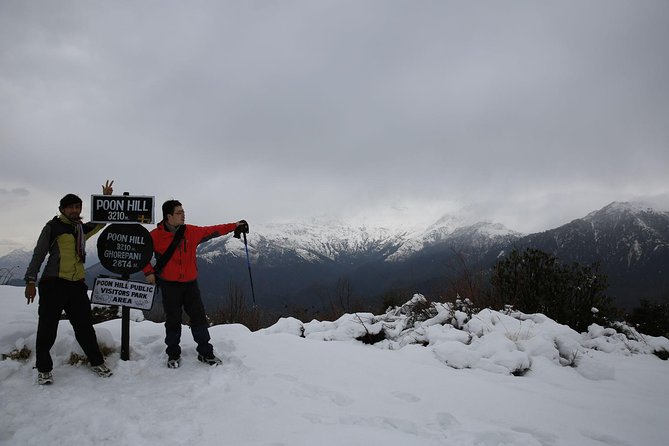
- An Annapurna sunrise on Poon Hill as the emotional payoff moment
- Ghandruk village night for culture, village life, and a different feel than the ridges
- Private group only so the itinerary matches your comfort level
Why Poon Hill in 4 days actually makes sense
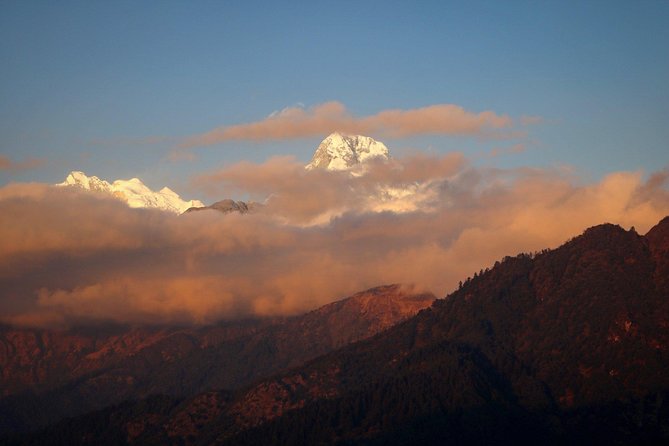
If you’re new to trekking, Poon Hill is a smart first mountain goal. It’s short enough that you’re not spending your whole trip just walking from one place to the next, yet it still gives you that real sense of Nepal’s hills and the Himalaya getting closer day by day.
What makes this version stand out is the way it’s set up for comfort without removing the adventure. You get an organized plan with transport from Pokhara, tea-house lodging, and meals that keep you fueled. A good local guide also changes how the trek feels: you’re not just following the path, you’re understanding what you’re seeing and how to move efficiently.
This is also the kind of trek where a slow pace is not a weakness. It’s the whole point. You’ll have time to pause for views, settle into tea houses, and recover before the next day’s climb.
You can also read our reviews of more tours and experiences in Pokhara.
Getting from Pokhara to the trailhead without stress
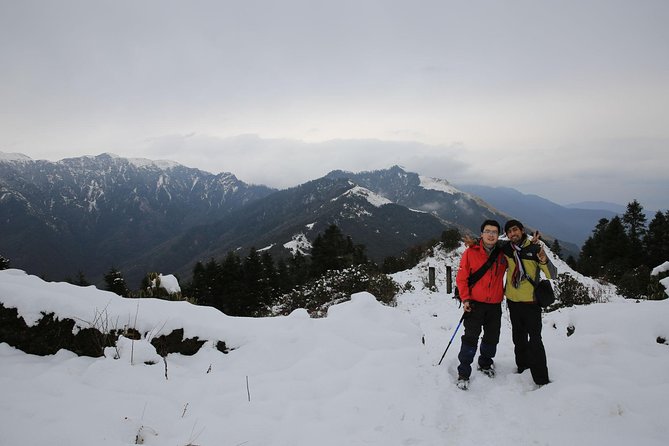
Pokhara is the easy launchpad for this trek. Your trip starts with an air-conditioned vehicle ride that takes you up toward the trailhead area (Nayapool/Nayapol area is part of the flow). Then you transition into hiking the first leg.
That transport detail is more than convenience. It helps you avoid the common beginner headache of losing daylight and energy before you even reach proper trail. You start the trekking portion with a clear plan and a realistic first-day effort.
When you return, the same style of transport brings you back to Pokhara after the final hike. If you want to keep your trip relaxed—rather than turning it into a logistics contest—this setup is a big win.
Day 1: the first hike to Tikhedhunga and a tea-house night
Day one is your “find your rhythm” day. You travel by vehicle up to the Nayapol/Nayapool area, then hike for about 4 to 5 hours to reach Tikhedhunga, where you overnight at a tea house.
Why this matters: the first day sets your trekking tempo. If you go too fast, your legs get grumpy early. If you pace smartly, you’ll arrive feeling like tomorrow is doable.
Tikhedhunga itself is the kind of stop where you can reset. The tea-house model keeps things simple: you’ll have a warm meal, a place to sleep, and time to recover. It’s a good introduction to how trekking actually works in Nepal—basic comfort, friendly routine, and the mountains waiting outside when you step out.
A practical consideration: first-day trails can feel steep depending on your fitness level. You don’t need to sprint. The best approach is steady movement and short breaks—exactly the style guides like Bishow are known for.
Day 2: building toward Poon Hill with an overnight stop
On day two, you trek to Poon Hill area and spend the night there. This is the day that brings the itinerary’s big moment closer. Even if you don’t fully see everything yet (weather can play its role at this altitude range), you’re moving into the zone where the views start getting bigger.
A second key piece of day two is what it sets up for: an early morning visit to Poon Hill the next day. That means your walking today isn’t about pushing for a finish line—it’s about getting positioned so you can wake up ready for the sunrise.
Tea houses in this region typically follow the same rhythm: you eat, you hydrate, you rest, and you prepare for the next early start. If you tend to underestimate “early,” this is where you learn. Go to bed on time, because Poon Hill sunrise asks for it.
Day 3: Poon Hill at dawn, then Ghandruk village life
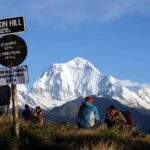
Day three is the star day. You visit Poon Hill early in the morning, then after breakfast you hike on to Ghandruk village for the overnight.
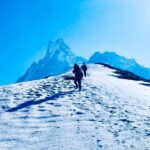
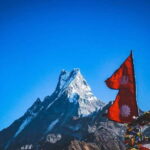
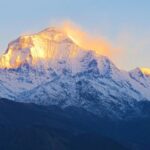
The sunrise part is why many people choose Poon Hill in the first place. You’re getting a special view before the day crowds in and before the light changes the whole feel of the mountains. Sunrise also tends to make early effort feel worth it. You don’t need to be a photography expert—you just need to be out there and willing to wake up.
Then comes the emotional shift: after the morning spectacle, you move to Ghandruk. This is where the trek turns from “follow the ridge” to “experience village Nepal.” You’ll sleep in a village lodge setting (the plan calls out a Ghandruk Eco Lodge), which usually means a different atmosphere than the overnight-by-the-trail style.
This is also a day with a useful contrast. If you love the mountains, Poon Hill delivers. If you also care about culture and daily life, Ghandruk gives you that human scale—houses, local routines, and a community feel that makes the trek feel less like a nature-only workout.
Day 4: the walk back to Nayapool and your return to Pokhara
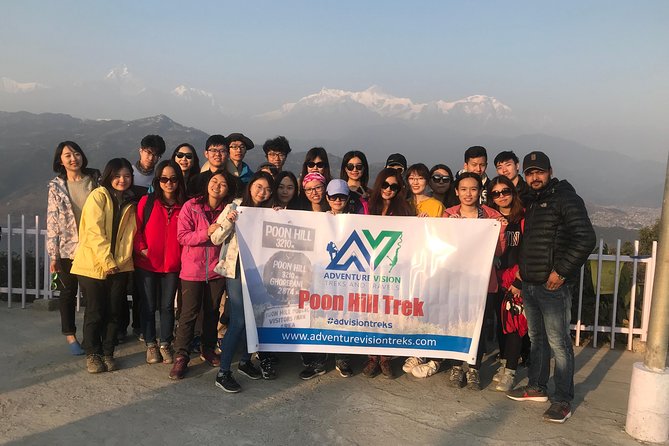
On the final day, you hike to Nayapool and then drive back to Pokhara. This is the day you’ll appreciate having a structured finish. It’s the last stretch, not a “one more long hike” situation.
Why the ending matters: after several days of moving, you want closure you can feel. A straightforward trek back plus a vehicle ride is a strong way to avoid the fatigue spiral that sometimes happens when you have no plan for getting back down.
Once you’re in Pokhara, you can shift gears to easy meals, rest, and looking through the photos you took while half-awake at sunrise.
The guide and team touch: safety, pacing, and real confidence
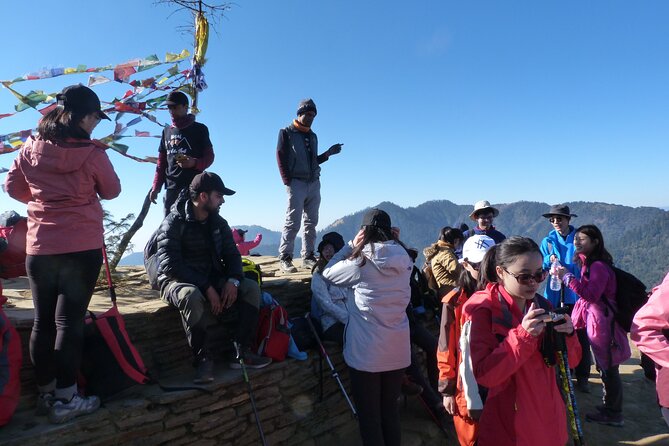
This trek is built for beginners, but “beginner-friendly” shouldn’t mean “you’re on your own.” The key difference is the guide and the way the group is managed.
Your trek includes an English-speaking trekking guide. That matters because it reduces guesswork: how hard should today feel, when to take breaks, and what the day ahead actually involves. In the reviews, the team is described as careful, patient, and attentive to pacing—especially for people who aren’t used to steep walking.
Jiban’s coordination and Bishow’s guidance show up as recurring strengths. That pairing—good planning from the top and patient support on the trail—is exactly what turns a short trek from stressful to enjoyable.
Food and lodging: simple comforts that keep you moving
You’re not expected to hunt for meals or figure out where to eat each day. The trek includes breakfast, lunch, and dinner, plus three nights accommodation at tea houses/lodges.
For trekkers, meal quality is less about fine dining and more about reliability. When food is included, you spend less mental energy deciding what to eat and more energy actually trekking.
Accommodation is also practical rather than fancy. Tea houses are what you should expect on this route: basic rooms, warm meals, and a chance to sleep after a full walking day. The upside is that you don’t need to carry a heavy load of gear to enjoy the experience.
One small note: you’ll be hiking in cool mountain air at times, so plan for layers and warm sleepwear. Your tea-house meal helps, but clothes matter too.
Price and value: what $230 really buys you
At $230 for an approximately 4-day trek, this sits in the “short trek value” category. You’re paying for more than walking. You’re paying for an organized system: guide support, meals, lodging, and vehicle transfers with an air-conditioned ride.
Let’s break down what’s included:
- English-speaking trekking guide
- Local/government taxes
- 3 nights accommodation
- Breakfast, lunch, dinner
- Air-conditioned vehicle for parts of the route
What’s not included:
- Personal expenses
- International airfare
- Insurance cost
- Drinks and beverage cost
So the real question is: do you want to pay to remove friction? If you’d rather not spend time planning meals, figuring transport timing, and negotiating tea-house logistics, the bundled value makes sense. For a first-time trek, that peace of mind can be worth more than it looks on paper.
The other value angle is pacing. A well-managed short trek can help you finish feeling proud instead of wrecked. That’s part of why a local guide and a calm plan matter.
When to go, and when to think twice
The route can be performed throughout the year, but the guidance is clear: you’re not advised to trek in the monsoon season. Mountain views can be unclear then, and trail walking can be difficult due to rain.
If you’re traveling in the rainy window, this is one of those cases where the “I can do it” mindset might lose to visibility and footing. For most first-timers, choosing a drier season is the better way to get the sunrise payoff you came for.
Also remember the “short trek” label doesn’t mean “walk in the park.” Even on a short itinerary, uphill sections can test your legs. The trek fits most travelers, but you’ll enjoy it more if you embrace a steady pace and don’t compare yourself to faster hikers.
Who this trek is perfect for (and who should adjust expectations)
This is a great fit if:
- you’re a beginner who wants a structured, supported first mountain experience
- you want the big view moment at Poon Hill sunrise
- you care about both scenery and village life (Ghandruk)
You might want to adjust expectations if:
- you’re sensitive to steep uphill walking early on
- you need guaranteed clear mountain visibility year-round (weather can change what you see)
- you want a fully flexible itinerary without an organized plan (this trek is private for your group, but the schedule is still a schedule)
Should you book Poon Hill Trek (4 days from Pokhara)?
I’d recommend booking this trek if you want a first-time adventure that’s organized, not complicated. The combination of a local English-speaking guide, included meals, and hotel transfers helps you avoid the usual “where do I go next?” stress that can drain energy on a short trip.
If you’re on the fence because you worry it’ll be too hard, don’t ignore that it can be challenging for beginners—but also don’t assume it’s out of reach. The team’s approach is built around pacing and keeping you feeling safe and confident. If you go in with a steady effort mindset, you’ll get the sunrise moment and the village contrast that make Poon Hill trips memorable.
FAQ
Is pickup included from Pokhara?
Yes. The experience includes transport to and from your hotel in Pokhara, using an air-conditioned vehicle.
How long is the Poon Hill trek?
It’s listed as 4 days approximately.
Is this a private trek?
Yes. It’s described as a private tour/activity, meaning only your group participates.
What meals are included?
The trek includes breakfast, lunch, and dinner.
How many nights of accommodation are included?
You get 3 nights of accommodation.
Can I do this trek year-round?
It’s possible throughout the year, but you do not suggest trekking in the monsoon season due to clearer visibility issues and difficult trail walking.
What’s included in the price?
The price includes an English-speaking trekking guide, government and local taxes, 3 nights accommodation, meals (breakfast/lunch/dinner), and air-conditioned vehicle transport. Insurance, drinks, personal expenses, and international airfare are not included.