REVIEW · HANOI
8-Days Hanoi, Sapa Trekking And Halong Bay Cruise
Book on Viator →Operated by Realistic Asia · Bookable on Viator
Temples, seas, and mountain villages in one trip. This 8-day route strings together Hanoi, UNESCO Halong Bay, and Sapa trekking in the north of Vietnam, with day-by-day structure plus time to roam on your own. It’s a smart mix: big-name sights in Hanoi, an overnight on the water, then a real shift into cooler mountain air and ethnic-minority village life.
I especially like the practical hand-holding. You get door-to-door pick-up from the airport and consistent transfers, and the support team behind the scenes shows up in the small details people tend to remember, like quick help when plans change and guides who keep things moving on schedule. I also like the balance of guided time and breathing room, so you don’t feel trapped inside a bus all day.
One drawback to consider is the pace. There are long travel blocks (including the roughly 6-hour Hanoi–Sapa and Sapa–Hanoi transfers), plus early starts for mausoleum-style mornings and trekking days. Add the modest dress rules at Ho Chi Minh sites, and it helps to pack with that in mind from day one.
In This Review
- Key highlights worth planning for
- Hanoi starts with a proper city welcome (and Old Quarter convenience)
- Day 2 temple-and-museum Hanoi: a morning with rules, a day with variety
- Hanoi pacing tips: how to handle a packed but not exhausting day
- The Halong Bay overnight cruise: scenery plus real water time
- What makes this Halong Bay plan good value
- Sapa by limousine bus: trading heat for mountain air
- Day 6 trekking into H’mong villages: Y Linh Ho to Lao Chai
- Day 6 overnight in Ta Van: a genuine feel for village life
- Day 7: Red Dzao and H’mong villages, waterfall breaks, and rattan bridge moments
- Returning to Hanoi Day 8: markets, souvenirs, and a clean finish
- Price and logistics: is $854 per person actually fair?
- Who this tour suits best (and who should rethink it)
- Should you book this 8-day Hanoi, Sapa trek, and Halong Bay cruise?
- FAQ
- What’s included in the tour price?
- Are meals included?
- Do I need to pay for attraction entrance fees?
- What dress code should I follow?
- What activities are available in Halong Bay?
- Can I cancel or change the booking?
Key highlights worth planning for
- Small-group feel (up to 15 travelers) with group discounts and mobile ticketing.
- Tran Quoc Pagoda on Golden Fish Island, including admission-free time to explore a 6th-century classic.
- Ho Chi Minh Mausoleum day includes strict dress rules and closure days you should plan around.
- Halong Bay kayaking and cave options that can vary by the specific boat itinerary.
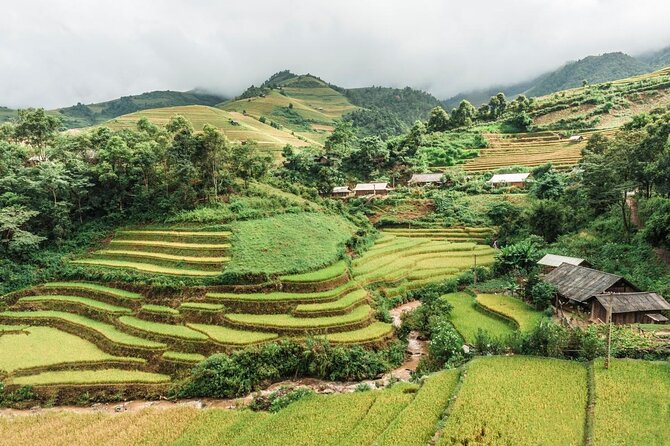
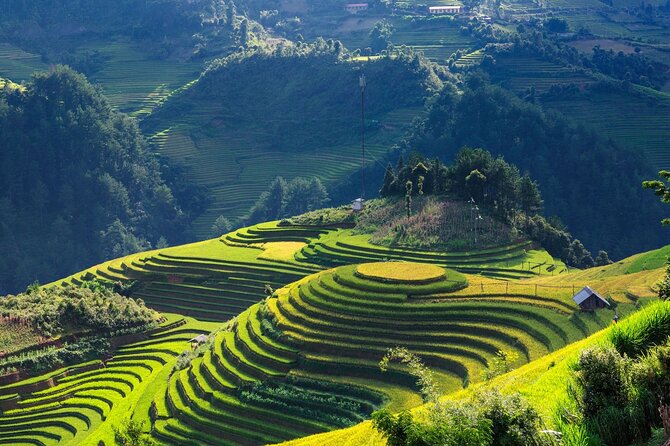
- Sapa trekking with village visits and a Ta Van overnight for daily-life access, not just photo stops.
- Support from named team members and strong guiding (Edna, Evelyn, Rosie, Dylan show up in feedback; Sapa guides like May are mentioned as standouts).
Hanoi starts with a proper city welcome (and Old Quarter convenience)
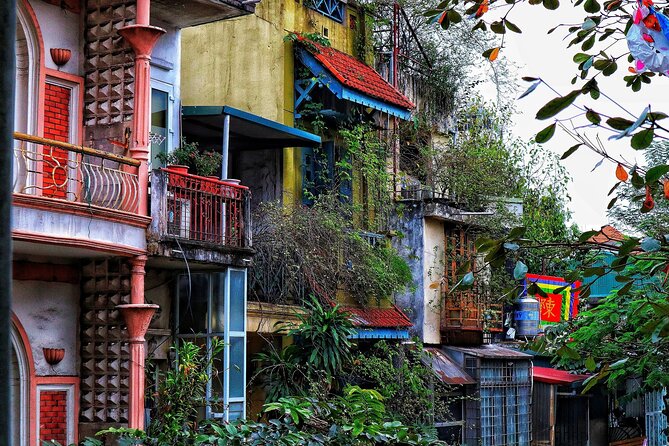
Day 1 is all about getting settled without hassle. You land at Noi Bai International Airport and a private driver meets you with a signboard with your name. From there, you’re taken into the heart of Hanoi, right near the Old Quarter, so you can start walking as soon as you arrive (or keep it low-key if you’re tired from flying).
This matters more than it sounds. Hanoi can be loud, busy, and confusing if you’re jet-lagged. Being placed centrally means you can get your bearings fast and treat your first evening like a normal city night, not a logistical drill.
If you’re the type who likes to ease in—coffee first, then a stroll—this setup fits you. You’ll also have the option to adjust your day 1 pace. No one is forcing you into a late “must-see” schedule.
You can also read our reviews of more tours and experiences in Hanoi.



Day 2 temple-and-museum Hanoi: a morning with rules, a day with variety
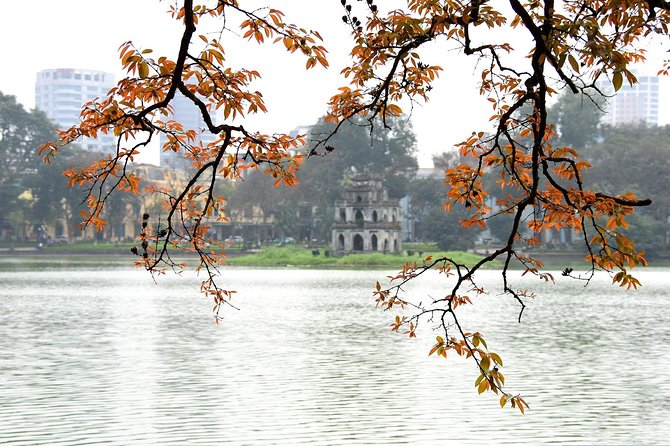
Day 2 is where Hanoi becomes more than scenery. You start with Tran Quoc Pagoda on Golden Fish Island in West Lake. This is one of the oldest pagodas in Hanoi, originally built in the 6th century. The good part of starting here is timing: you get to see a serene side of the city before the day turns busy.
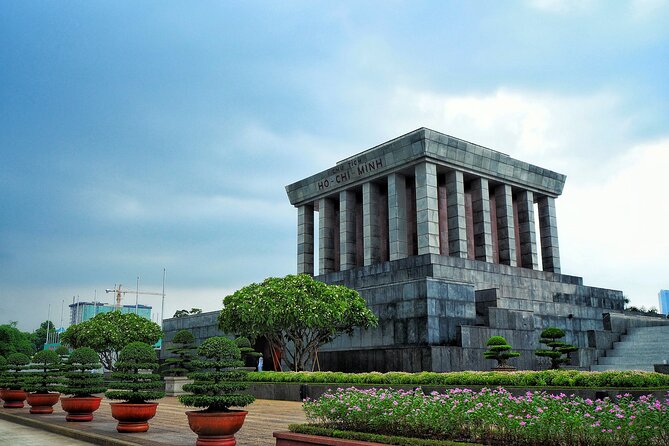
Next comes the Ho Chi Minh complex. You’ll be able to walk the garden area and see the homes where he lived and worked from 1954 to 1969, plus One Pillar Pagoda, where people worship the Goddess of Mercy.
Practical note: there’s a dress code. You should cover shoulders and knees. Also, Ho Chi Minh Mausoleum is closed on Mondays and Fridays, and it’s shut from 15 June to 15 August for maintenance. If your trip hits one of those windows, the day can feel different, but the complex area still gives context and you still have the pagoda visit.
After lunch, you head to the Vietnam Museum of Ethnology, which focuses on the 54 ethnic groups across Vietnam. There’s a very “how Vietnam works” feeling here, because it connects the country’s cultures to everyday life. If the museum is closed on Mondays, it’s replaced by the Women’s Museum, so you still keep that cultural thread going.
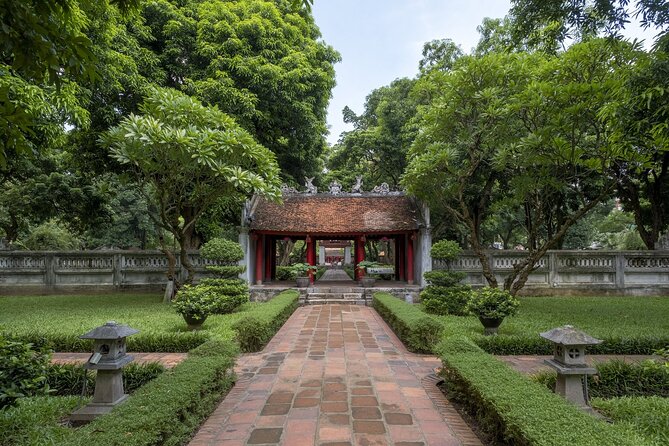
The afternoon includes two more anchors: the Temple of Literature & National University (Vietnam’s first university, founded in the 11th century) and Hoa Lo Prison, known historically as the French-built prison and later as the “Hanoi Hilton” name used by American POWs. This combination is heavy, but it’s also balanced—architecture and scholarship on one side, modern wartime history on the other.
Hanoi pacing tips: how to handle a packed but not exhausting day
Day 2 ends with a return to your hotel around the late afternoon. That’s a key quality of the itinerary: even though the sightseeing list is big, you’re not left scrambling after dark.
If you like taking photos but hate museum fatigue, this day still works because each stop has a different “mode.” Pagoda calm. Mausoleum context and rules. Museum learning. Temple of scholarship. Prison history. That change of pace keeps your brain switched on.
Also, you’ll notice a pattern across the tour: big sights are scheduled earlier, then you’re given room later. This is where I think you get the best value, because you can use your free time to eat well, shop lightly, or simply rest.
The Halong Bay overnight cruise: scenery plus real water time
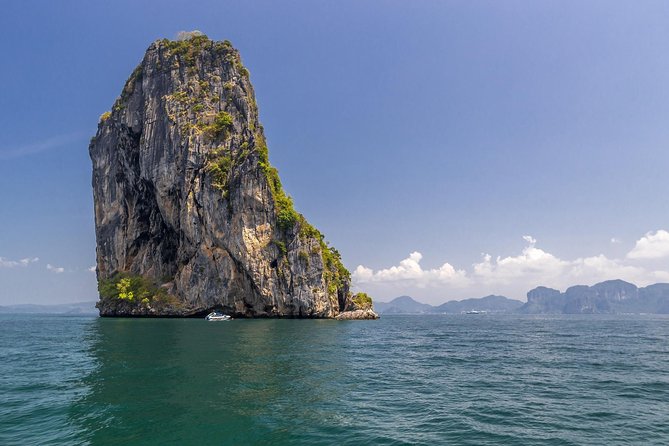
After breakfast on Day 3, you check out and head to Halong Bay. The cruise team meets you at the hotel lobby, then you reach the jetty around noon. You board, check in, and lunch is served while the boat moves through the many islets—this is the point where Halong starts to feel like it has its own weather system.
In the afternoon, you have activities that can include kayaking and swimming, or visiting caves, depending on the specific boat itinerary. That “depending on the boat” detail is important. It means you shouldn’t plan your entire day around one single activity. Instead, treat the whole afternoon as a menu—if you love water time, kayaking is often on offer; if you prefer dry land exploration, caves may be part of your route.
As evening approaches, the boat anchors for the night in a scenic spot. Sunset is specifically mentioned, and it’s one of the few times you’ll likely want to step out of your routine and just watch.
Day 4 continues with a slow morning. You’ll have breakfast while the cruise heads back toward port, then you disembark after an early lunch. After that, you’re transferred back to Hanoi, and the rest of the day is free.
What makes this Halong Bay plan good value
Halong Bay can be expensive if you piece it together on your own. Here, you’re paying for a system: transfers, cruise time, meals, and a mix of activities. You’re also getting the time advantage of an overnight. A same-day excursion often cuts the best light short; with a night on the water, you get both daytime views and evening atmosphere.
One more practical benefit: the Day 4 schedule leaves you in Hanoi with time to reset instead of flying straight into another day-trip right away.


Sapa by limousine bus: trading heat for mountain air
Day 5 is a clear pivot. After an early breakfast and checkout, you take a limousine bus to Sapa, around 6 hours. Once you arrive, you’re transferred to your accommodation and the rest of the day is free to explore the town.
This free afternoon is not random. It lets you handle the small realities of Sapa—getting warm layers sorted, finding a local meal you’ll actually enjoy, and figuring out the easiest starting point for trekking days. It also helps you adjust after a travel day so you’re not doing long walks on an empty fuel tank.
If you’re traveling with someone who gets stressed by tight schedules, this half-day breathing space can be a lifesaver.
Day 6 trekking into H’mong villages: Y Linh Ho to Lao Chai
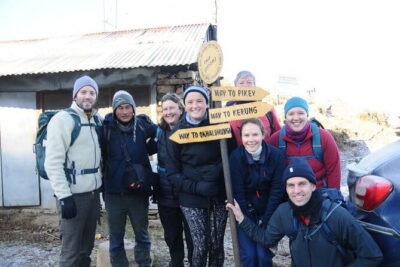
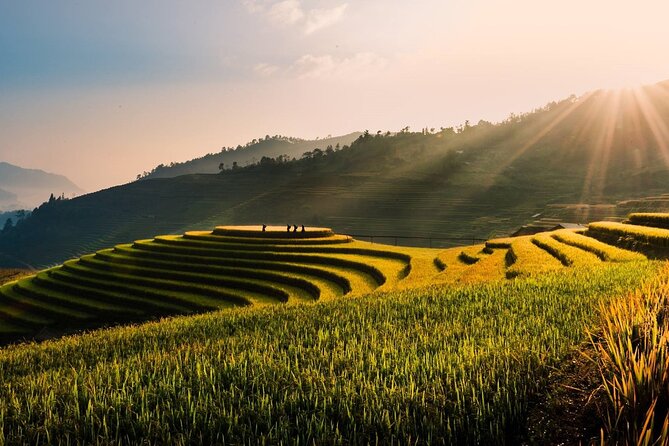
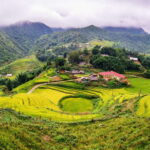
Day 6 is your first real trekking day, and it’s structured in a way that helps you keep energy. After breakfast, you meet your guide around 9:30 am, then start a 12 km trek visiting Y Linh Ho and Lao Chai villages of the H’mong minority.
The itinerary then builds in a culture-and-fuel moment. You have lunch at a local family in Lao Chai or at a drinking shop near the river bank. That detail matters because it’s not just a quick snack stop. You get a chance to slow down and see how meals work in that setting.
The day’s trek time is listed as around 4 hours, so it’s demanding but not all-day suffering. Still, bring your comfortable shoes. Sapa trails can be muddy depending on conditions, and you don’t want to discover the downside of bad footwear halfway through.
Day 6 overnight in Ta Van: a genuine feel for village life

This is where Sapa becomes personal. You keep hiking to Ta Van village of the Dzay, where you stay overnight in a local family. The point here isn’t luxury. It’s daily rhythm: work routines, local custom, and a window into life beyond a scenic viewpoint.
If you like travel that has a human scale, this is the part you’ll likely remember most. If you’re expecting a hotel experience with predictable comforts, plan for it to feel simpler and more rustic.
Day 7: Red Dzao and H’mong villages, waterfall breaks, and rattan bridge moments
On Day 7, you start trekking again at 9:30 am. You walk about 8 km to visit two villages associated with the red Dzao and H’mong groups: Giang Ta Chai and Su Pan.
The route includes a waterfall stop and a rattan bridge, plus bamboo forest scenery on the way back toward the main road. Instead of walking back the whole way, you then get to the road and return by jeep to Sapa. The tour finishes around 3 PM, which is a helpful finish time because it gives you a buffer before your transfer.
Then you head back to Hanoi by car and take the limousine bus. You’ll have an overnight in Hanoi, so Day 7 is packed but not relentless.
Returning to Hanoi Day 8: markets, souvenirs, and a clean finish
Day 8 closes with a healthy breakfast, then checkout. You’ll have time for local markets to pick up souvenirs. Finally, your private driver transfers you to the airport for your flight home.
What I like about the final day is it’s not a frantic “last-chance sightseeing” scramble. Markets are flexible. You can shop quickly or take your time depending on how your energy is holding up.
Price and logistics: is $854 per person actually fair?
At $854 per person for 8 days, you’re not just paying for transportation. You’re paying for a bundle: sightseeing tickets, included meals (7 breakfasts, 5 lunches, 2 dinners), and a full set of transfers between Hanoi, Halong Bay, and Sapa.
Two value signals stand out:
- The itinerary includes admissions for major stops like the Temple of Literature and Hoa Lo Prison, plus the museum time. Those fees can add up fast if you do it on your own.
- You’re covered for the big moving parts: limousine bus Hanoi–Sapa and Sapa–Hanoi, plus air-conditioned transport related to Halong Bay and excursions.
There is one “consideration” value angle: the tour requires good weather. If weather forces changes, the tour may switch dates or offer a full refund per the tour terms. So while the sightseeing plan is solid, you should still keep your schedule flexible enough to absorb weather-related adjustments.
Also, since the group is capped at 15 travelers, you get a small-group feel without the “everyone gets lost” problem you see on some tours. That matters during busy temple days.
Who this tour suits best (and who should rethink it)
This tour fits best if you want Northern Vietnam highlights without planning stress. You get expert guidance for Hanoi’s major sights, a real Halong Bay overnight cruise with kayaking/cave options, and structured trekking days with village visits and a Ta Van overnight.
You should rethink it if:
- You hate early starts and long transfers. This tour has both.
- You want a high-end lodging experience during homestay time in Ta Van. Expect simpler living.
- You prefer total freedom over a set itinerary. You do get free time in Hanoi and Sapa, but the trekking days are guided and scheduled.
If you’re a first-timer to Vietnam’s north, this itinerary can be a strong starting point. If you’ve traveled in Vietnam before and want total independence, you may prefer mixing your own route. But if you want the logistics taken care of, the setup is genuinely practical.
Should you book this 8-day Hanoi, Sapa trek, and Halong Bay cruise?
I’d say yes if your top priorities are major Hanoi sights done efficiently, an overnight Halong Bay cruise, and a real Sapa trekking experience with village visits. The itinerary’s strength is how it connects three very different places without wasting your time.
I’d hesitate if you’re worried about physical effort (12 km and 8 km trek days) or you need very late mornings and slow pacing. Pack for modest temple dress, wear proper shoes, and bring a calm mindset for the travel days.
If you’re ready for a trip that moves between cultures and altitudes, this one is a solid value choice for Northern Vietnam.
FAQ
What’s included in the tour price?
The price includes sightseeing tickets listed in the itinerary, water and tissues on the coach, service charges and government tax, 24/7 hotline support, door-to-door pick-up and drop-off by private car, limousine bus between Hanoi and Sapa (both ways), air-conditioned transportation between Hanoi and Halong Bay (both ways), air-conditioned bus or private cars for excursions, and meals (7 breakfasts, 5 lunches, 2 dinners).
Are meals included?
Yes. You get 7 breakfasts, 5 lunches, and 2 dinners included in the tour.
Do I need to pay for attraction entrance fees?
Entrance tickets for the itinerary sights are included.
What dress code should I follow?
For Ho Chi Minh mausoleum, temples, and pagodas, you should dress modestly and cover your shoulders and knees.
What activities are available in Halong Bay?
You can enjoy activities such as kayaking and swimming, or visiting caves. Which ones you get depends on your specific boat itinerary. You’ll also have time to enjoy the scenery during the cruise, including the sunset before dinner.
Can I cancel or change the booking?
This experience is non-refundable and cannot be changed for any reason. If it’s canceled due to poor weather, you’ll be offered a different date or a full refund.