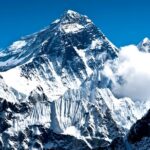
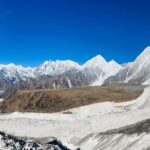
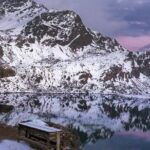
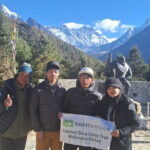
Poon Hill turns sunrise into a full show. This 6-day Kathmandu-to-Kathmandu trek is a smart introduction to the Annapurna region, with the main payoff coming from sunrise panoramas over multiple snow-covered peaks. You also get the in-between part that most people remember: walking village trails and seeing daily life in the foothills, without committing to a month-long trek.
What I really like is the English-speaking, government-licensed guide support you get for the whole journey. Names that show up again and again in local operator service include Joi, Ghan, Ghanesh, Shailesh, and Ganesh—people who keep things organized and treat you like you’re more than just a booking. The main drawback to consider is that this is not a slow stroll: you’ll face some longer walking days and a very early start time (around 6:00 am), plus cold mornings near the viewpoint.
In This Review
- Key highlights at a glance
- Why Poon Hill is the Annapurna warm-up worth your time
- The 6-day Kathmandu loop: what the pacing really feels like
- Kathmandu prep night: where you sleep and what you do that evening
- Day 1 toward Ghandruk: flight, drive, short trail, then settle in
- Day 2 to Banthanti: the steady forest and pasture mix
- Day 3 to Ghorepani: rhododendron country and a tougher day
- Day 4: Poon Hill dawn and the long descent to Tikhedhunga
- Day 5: jeep to Nayapul, then Pokhara and flight back to Kathmandu
- Price and logistics: what $1,024.36 buys you (and what it doesn’t)
- The guide factor: why the right person matters on a short trek
- What to pack for cold dawns and long stone steps
- Who this trek suits best
- Should you book Poon Hill Panorama Trek?
Key highlights at a glance
- Real-time sunrise focus at Poon Hill so the trek feels purpose-built
- Private-group comfort, including airport pickups by private vehicle
- Full trek-day meal coverage (breakfast, lunch, dinner) plus evening fruit
- Village overnight rhythm in places like Ghandruk, Banthanti, and Ghorepani
- A guide who manages details so you can focus on walking and photos
Why Poon Hill is the Annapurna warm-up worth your time
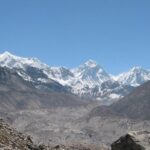
Poon Hill is famous for a reason: it’s one of those viewpoint climbs where the effort feels timed and meaningful. Instead of a trek that wanders for days, this one centers on getting you to the best viewing window at dawn. The Annapurna region shows up in layers too—snowy giants, then nearer ridgelines and valleys, then the village paths that connect everything.
And the timing matters. In about a week, you’re done with the busiest parts of daily life in Kathmandu and you’re back again. That makes this trek attractive if you want the mountains but you also need to fit travel around work, family, or a tight vacation window.
You can also read our reviews of more tours and experiences in Kathmandu.
The 6-day Kathmandu loop: what the pacing really feels like
This trek is designed like a loop: you start in Kathmandu, fly out, walk day by day, then fly back. It’s short, so you’ll feel the schedule.
Here’s the pace in plain terms:
- Travel legs are front-loaded (you get flights and driving early, so the trekking days start without excessive setup).
- Walking days stack up. Most days are in the 5–7+ hour range, and one of them is described as one of the harder walking days due to frequent ups and downs while getting to Ghorepani.
- You’ll have an early-morning rhythm. The big viewpoint push starts at dawn, and that means you’ll be up early even if you’re on vacation.
If you’re the type who hates time pressure, this trek can still work, but you’ll want to embrace an early start mindset. The good news: the schedule is built so the hard parts serve a clear goal, not random hiking.
Kathmandu prep night: where you sleep and what you do that evening
You’ll arrive in Kathmandu and get transferred to your hotel. This trek includes one night in a 3-star hotel with breakfast in Kathmandu, but your first dinner is not included. That first evening is your “get your bearings fast” night.
In Kathmandu, it’s common to spend time in Thamel, which makes sense because it’s convenient for swapping money, buying small extras, and handling last-minute questions. In the service feedback I saw, people often appreciated having a local manager help them with permits and coordination. Even if you’re comfortable doing things on your own, a good setup manager can save you stress the night before you start moving.
Practical tip: keep your evening simple. You want an early night. This trek starts at 6:00 am at the airport meeting point.
Day 1 toward Ghandruk: flight, drive, short trail, then settle in
Day one is about transition. You fly from Kathmandu to Pokhara (about 30 minutes), then drive toward the trek entry point (roughly 2 hours to Birethanti/Bhirethanti area, depending on the exact route used), and do a brief stretch of walking before transferring by jeep to Ghandruk.
What’s nice here is that you don’t spend hours marching right away. You’re introduced to the route, you get moving, then you land in a village overnight.
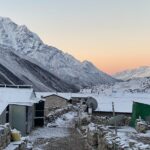
Why Ghandruk matters: it’s a Gurung settlement, known for warm, welcoming people. That matters on a short trek because it sets your tone. Instead of feeling like you’re just passing through, you feel like you’re arriving somewhere human and lived-in.
Day 2 to Banthanti: the steady forest and pasture mix
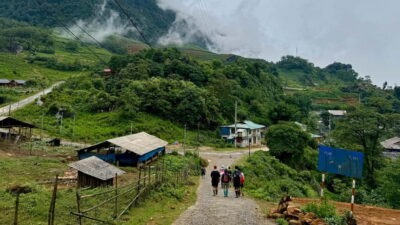
The trek from Ghandruk to Banthanti is described around 5 hours of walking. The route combines pastures, then a climb through forests, then into another smaller village setting.
If you’re trying to judge the trek’s difficulty, day two is a good benchmark. It’s not described as extreme, but it does include an ups-and-downs feeling as you move through wooded sections and then start working upward again.
One detail I like for first-time trekkers: Banthanti is said to be best in spring, which hints at how the vegetation changes through seasons. Even without naming exact flora, you’ll likely notice shifts in how the trail feels—more open and grassy on some stretches, more shaded and cool in others.
Day 3 to Ghorepani: rhododendron country and a tougher day
Day three is one of the more demanding days, with about 6 hours of walking and multiple up-and-down sections to reach Ghorepani. Ghorepani is also described as well-equipped, including a post office and a health post, so it’s not just a tiny outpost.
This is the day where conditions start to feel sharper. The trek description notes that it gets colder and that vegetation changes as you move into rhododendron forests.
What I’d watch for: downhill fatigue plus uphill effort. A lot of first-timers misjudge this kind of day. If you manage your pace and keep steady footing, you’ll arrive without feeling wrecked. If you sprint early because you feel good, you pay later.
Day 4: Poon Hill dawn and the long descent to Tikhedhunga
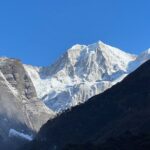
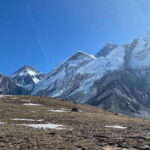
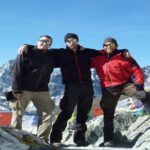
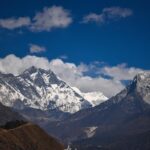
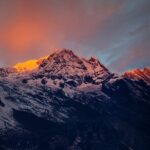
This is the headline day. You’ll scale Poon Hill in the early morning, aiming for the famous dawn light over snow-covered peaks including Annapurna I, Gangapurna, Dhaulagiri, and Macchapucchre (plus others mentioned in the itinerary description).
What makes this day special: it’s not just the view. It’s the way the trek is structured around the view. Sunrise changes everything—contrast, color, and how the mountains show depth. If you want photos, this is when you get them.
After the viewpoint, you’ll hike onward to Tikhedhunga. The descent intensifies and is described as a stone-paved two-hour stretch from Ulleri to Tikhedhunga. The total walking time is given around 7–8 hours, so even though the big moment is in the morning, you still need endurance for the afternoon and early evening.
Practical note: a stone-paved descent can be rough on knees and ankles if you stride too fast. Go slower than you think you need to. You’ll arrive in better shape for dinner and rest.
Day 5: jeep to Nayapul, then Pokhara and flight back to Kathmandu
Day five is the “reset and go home” day, but you still move. Tikhedhunga to Nayapul is done by jeep early in the morning, then it’s driving to Pokhara, and then you fly back to Kathmandu.
This is a big advantage of the itinerary: the trek doesn’t end with a final all-day hike. It ends with transportation that gets you back into city time without dragging out exhaustion.
If you want to squeeze in one last Kathmandu moment after you land, keep it realistic. You’ll likely feel tired from earlier walking days, especially if you grabbed a dawn sunrise hike and then did a long day previously.
Price and logistics: what $1,024.36 buys you (and what it doesn’t)
At $1,024.36 per person for a trek of about 6 days, the key value isn’t just the view. It’s the way the operator handles the moving pieces.
Included elements you’re paying for:
- Professional guide throughout
- Airport pickups and drops by private vehicle for your group size
- One night 3-star hotel with breakfast in Kathmandu
- Three meals a day during the trek (breakfast, lunch, dinner) plus fresh fruit in the evening
- All accommodation during the trek
- The operator also handles the major transport transitions (including the Pokhara flights and the local drives/jeep)
Not included (so you budget for it):
- Travel/medical insurance
- Personal expenses like phone use or alcoholic drinks
- Tips for guides and porters
Is it good value? For the Annapurna foothills, yes—especially if you don’t want to coordinate flights, driving, guide permissions, meals, and where you sleep each night. If you’re comfortable doing a lot yourself, the cost might feel high. But if you want a smooth, guided on-ramp into trekking, the inclusions reduce decision fatigue fast.
The guide factor: why the right person matters on a short trek
On a short trek, the guide is everything. There’s less time to recover from missteps, and more time where you need confidence: route choices, timing, and making sure you’re in the right place at the right moment for sunrise.
In the service you can expect, guides are described as helpful, reliable, trained, and English-speaking, and they’re government license holders. The names Joi, Ghan, Ghanesh, Shailesh, and Ganesh show up with a pattern: people felt cared for, felt informed, and felt that the guide made the trek easier to manage.
Two things you should take from that:
- When you’re up early for dawn, you want someone who runs the schedule without drama.
- When the walk is tiring, you want someone who can explain what you’re looking at and keep you moving calmly.
What to pack for cold dawns and long stone steps
You’re likely to deal with cold mornings around the viewpoint, plus long walking days with changing trail surfaces. So plan for:
- Layers you can add or remove as the morning heats up
- Comfortable footwear with good grip for stone-paved segments
- A small day bag for water and snacks (even though meals are handled)
- Sunscreen and something for sun glare once dawn light hits
Also, bring any required documents in a neat folder. The trek requires that the participant’s passport name, number, expiry, and country are provided at booking, and you need a current valid passport on travel day. Visa requirements are your responsibility, so confirm them before any border crossing.
Who this trek suits best
This is a strong fit if:
- You want a short introduction to the Annapurna region
- You care most about sunrise mountain views rather than technical trekking
- You prefer a guided setup where meals and lodging are already arranged
- You like village atmosphere as much as the big photo moments
It’s less ideal if:
- You need a fully relaxed trip with no early starts
- You struggle with longer days that involve several hours of walking and a long descent segment
- You hate being scheduled around flights and transport legs
Should you book Poon Hill Panorama Trek?
Book it if you want the Annapurna region in a tight timeframe and you like your trekking with a clear payoff at dawn. The included guide support, three meals daily on the trek, and the Kathmandu-to-Pokhara-to-Kathmandu transport mean you spend your energy on walking and watching sunrise light hit the peaks—not on logistics.
Skip (or switch to a different style of trek) if early mornings and longer walking hours are dealbreakers for you. This trek rewards patience and steady pacing.
If you go, do it with the right mindset: get ready for cold dawn, take your time on stone descents, and enjoy the village steps as much as the big mountain view.