REVIEW · KATHMANDU
9 Days short and Easy Ghorepani Poonhill Trekking in Nepal
Book on Viator →Operated by Welcome Nepal Treks P.ltd · Bookable on Viator
One early-morning hike can change your whole trip. The Ghorepani Poon Hill Trek gives you classic Himalayan panorama without spending weeks in the mountains, and the schedule is built around maximum views for minimum time.
I especially like how the trek balances big moments with manageable days. You get the famous Poon Hill sunrise viewpoint, plus overnight tea house stays that keep the feel real and local (not a drive-through photo stop).
The only catch: “easy” is relative. You’ll still do long uphill stretches and the Ulleri stone steps are no joke, even if the altitude stays lower than many other Annapurna options.
In This Review
- Key highlights you’ll actually notice
- Why this short Ghorepani Poon Hill trek makes sense
- Price and what the $800 covers (and what it doesn’t)
- Kathmandu first: settling in at 1,345 meters
- Pokhara: the calm base before the hills
- Day 3 to Tikhedhunga: Modi River walking and the first uphill
- Day 4 to Ghorepani: Ulleri stone steps and the tough-to-easy swing
- Day 5: Poon Hill sunrise, then a long walk to Tadapani
- Day 6 to Ghandruk: shorter trek, big village energy
- Day 7 and 8: the descent, Pokhara reset, and Thamel time
- Guides, porters, and why service shows up in reviews
- The real packing and pacing advice for an “easy” Poon Hill trek
- Cultural touches: tea houses, village time, and farewell dinner
- Should you book this Poon Hill trek?
- FAQ
- Do I need to get a Nepal visa before this trek?
- What meals are included during the trekking days?
- Are permits included for the Annapurna region?
- Is there vegetarian food available?
- Are airport transfers and transport between cities included?
- How many people are in the group?
Key highlights you’ll actually notice
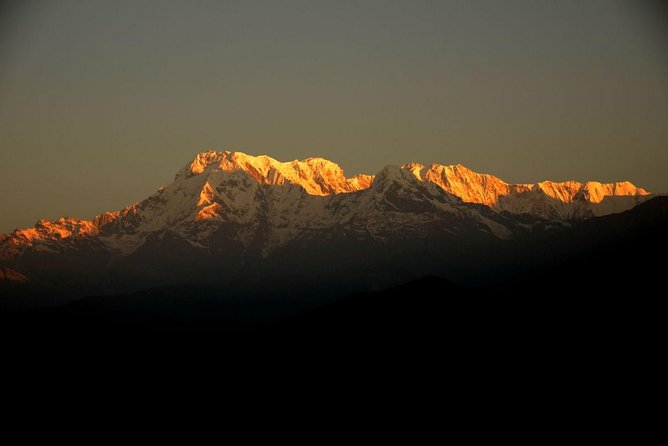
- Poon Hill sunrise timing: an early hike (about an hour) so you’re positioned for the Himalayan glow.
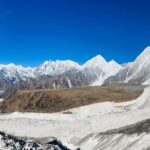
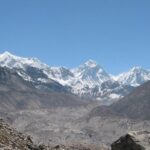
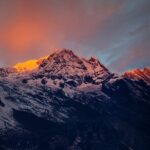
- Annapurna panorama on multiple days: you’ll see peaks like Annapurna South, Hiunchuli, and Machhapuchhre (Fishtail) from different points.
- A challenging day, then a recovery rhythm: Ulleri to Ghorepani is the tough climb; Ghandruk day is shorter and easier.
- Village nights in Gurung settlements: Ghandruk is one of the bigger Gurung villages you pass through.
- Smooth city-to-trail logistics: private airport pickup, Kathmandu–Pokhara tourist bus, and car transfers to trek start/end.
- Guide support that shows up day-to-day: reviews specifically praise guides for encouragement and care, including Hari Khadka.
Why this short Ghorepani Poon Hill trek makes sense
If you have limited vacation time, Poon Hill is one of the smartest ways to experience the Annapurna region. You’re not trying to cross remote passes or commit to a long expedition. Instead, you’re walking a classic ridge-and-village route where the “wow” factor comes quickly.
What I like about this version is the pacing. You’re mixing driving time (Kathmandu ↔ Pokhara) with walking days that are long enough to feel like a trek, but short enough that most people can manage with a steady, no-rush approach. Tea house nights also help: you’re not carrying a tent setup, and you’re sleeping in villages along the route rather than moving every few hours.
And yes, Poon Hill is the headline. The idea is simple: you hike early, reach the viewpoint, and watch the mountains light up. But the trek earns that moment by giving you scenery each day—rhododendron and oak forests, river valleys, and traditional settlement routes.
You can also read our reviews of more tours and experiences in Kathmandu.
Price and what the $800 covers (and what it doesn’t)
At $800 per person, the value depends on what you’d otherwise pay separately. Here, the big cost buckets are handled for you:
Included that matters most:
- Guide and porter support (1 porter for 2 people)
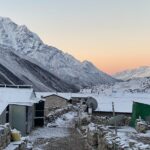
- Tea house accommodations during the trek
- Meals during trekking (breakfast, lunch, dinner)
- Kathmandu lodging (two nights total) and Pokhara standard hotel (two nights)
- Permits for the Annapurna Conservation Area (ACAP) and TIMS card fees
- Ground transport: Kathmandu–Pokhara by tourist bus, plus car transfers from Pokhara to the trail start/end and back
- A farewell dinner with a cultural dance show
Not included (so don’t get surprised):
- Visa fee for Nepal (you can get it on arrival; you’ll need 2 passport photos)
- Your travel insurance
- Food and drinks in Kathmandu and Pokhara (beyond what’s provided for trekking)
- Alcohol and non-alcohol drinks
- Tipping (expected but not required)
One small practical bonus: you get mobile ticket and pickup/dropoff. It sounds minor, but it reduces stress on arrival and departure, especially if you’re tired from flying.
Kathmandu first: settling in at 1,345 meters
Your trip starts in Kathmandu, and the key advantage here is the light first day. You arrive at Tribhuvan International Airport (about 1,345m) and get met by a team member for pickup, then sleep in a Kathmandu hotel.
This matters because Kathmandu isn’t just a backdrop. It’s where you can organize small needs (gear tweaks, photos, buying water or snacks if you want extras) before the trekking rhythm begins. The itinerary also builds in time afterward: later on, you’ll return and get time to explore Thamel in the evening.
If you’re the kind of traveler who likes to walk out with your bearings, this plan helps. You’re not rushed from airport to trail without time to reset.
Pokhara: the calm base before the hills
Day two drives you from Kathmandu to Pokhara, about 6 hours. Along the way, you stop twice for breakfast and lunch, which is a thoughtful touch when you’re already working on jetlag and early-morning logistics.
Pokhara sits much lower (around 823m), so it’s a comfortable breather before your trekking altitude climbs. After arrival, you get free time around Lakeside. That’s useful for two reasons: you can stretch your legs, and you can mentally prepare for the days ahead without feeling trapped in a hotel room.
One practical takeaway: you’re setting up your next transfer from Pokhara to the trek start, so using this evening to do basic shopping or confirm any last details with your guide can save energy later.
Day 3 to Tikhedhunga: Modi River walking and the first uphill
On day three, you drive to Nayapul, the trek starting point, then walk to Tikhedhunga (1,577m). The trek portion is about 4 hours, and it’s an ideal “first day on foot” because you’re building stamina rather than going straight for a summit-style grind.
You follow the Modi River early on. That gives you a steady sense of direction and breaks the trek up with views and sound. Then you reach Birethanti and continue onto the main trail toward Tikhedhunga.
Why this day is valuable: it sets your trekking rhythm without exhausting you before the bigger climb. You also get your first tea house night, which helps you learn the rhythm of the trail—simple meals, early mornings, and a lot of resting between walking sessions.
Day 4 to Ghorepani: Ulleri stone steps and the tough-to-easy swing
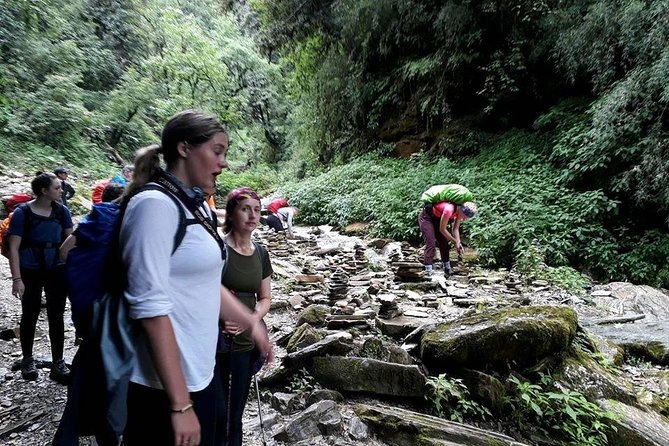
If there’s one day that defines whether this trek feels “easy” for you, it’s day four. You go from Tikhedhunga to Ghorepani (2,850m) with about 6–7 hours of walking, and the itinerary calls it the toughest day.
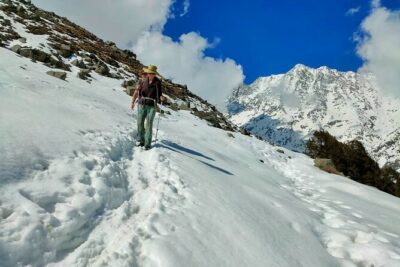
The main reason is the steep ascent through Ulleri’s stone steps. This isn’t a gentle stroll. It’s a stair-style climb that forces you to pace. If you go too fast early, your legs will complain for the rest of the day.
But there’s good news. The route passes through rhododendron and oak forests, which means you’re not just staring at rocks. The scenery and fresh air help you keep going, and you’re walking in a world that feels like it still runs on local time.
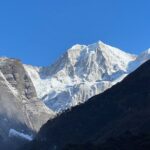
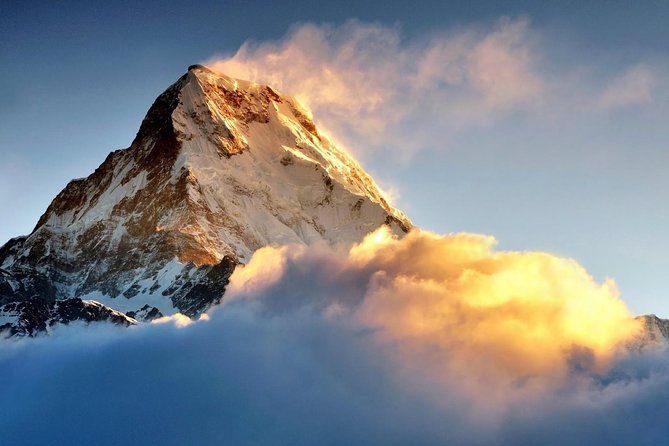
Along the way, you also get mountain views. The itinerary highlights passes and sightlines including Annapurna South (7,219m) and Hiunchuli (6,441m), and later a view of Machhapuchhre (Fishtail) from the Banthanti area during lunch.
You’ll understand the value of this day once you reach Ghorepani. You’re higher, closer to the viewpoint, and the trail starts to feel more “classic trekking” and less like a warm-up.
Day 5: Poon Hill sunrise, then a long walk to Tadapani
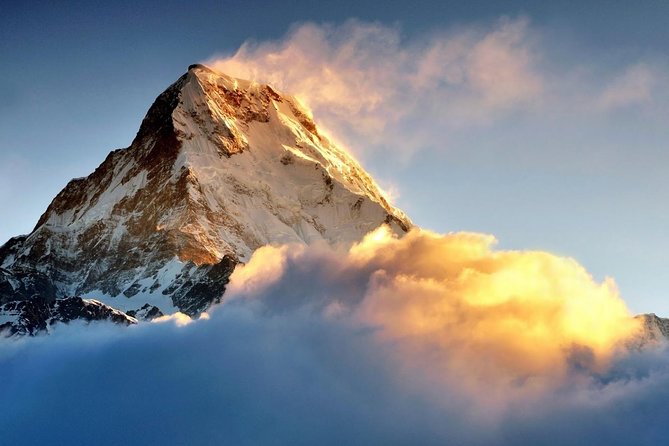
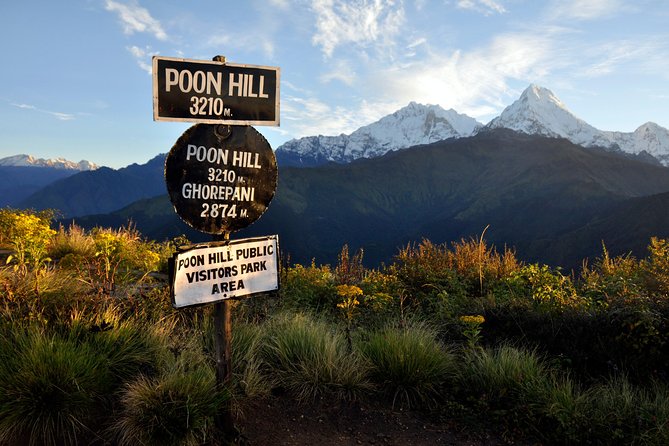
Day five is the “payoff day,” but it still includes real walking. You hike to Poon Hill in the early morning for about an hour, then return for breakfast and continue to Tadapani (2,540m), with roughly 6–7 hours of trekking.
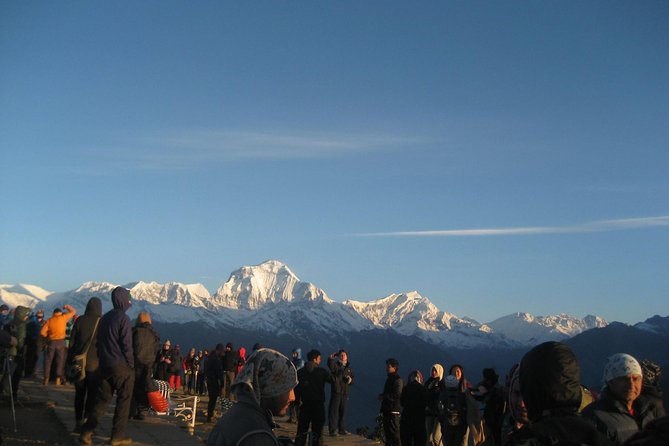
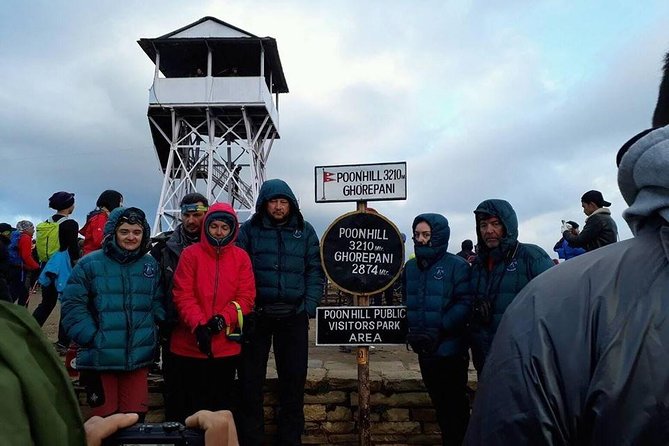
At Poon Hill, the draw is panoramic: you’re in a viewpoint area where the big names show up—Manaslu, Annapurna, and Dhaulagiri are part of the classic range people look for from here. The experience described in the tour focus is the sunrise show: sun rays lighting the peaks, with a view that’s famous for a reason.
After the viewpoint moment, you continue hiking to Tadapani. The fact that this day includes both sunrise and afternoon walking is a good reminder: short treks still require energy management. The reward is that your best view isn’t the only thing you get—Tadapani adds another night in the tea house system, so the trip feels like more than a single sunrise tour.
Day 6 to Ghandruk: shorter trek, big village energy
Day six drops the walking load. You trek to Ghandruk (1,940m) in about 3 hours, mostly through a forested path that’s described as almost all downhill.
This is your built-in recovery day. You’ll still see mountains at times, but you’re not fighting the steepest grade again. That makes it a strong choice if you want a trek that stays fun rather than turning into a suffering contest.
Ghandruk itself is one of the bigger and more modern Gurung villages, and the plan includes a village tour in the evening. That’s one of those details that matters. A tea house night is nice, but village time gives you context—how people live in the Annapurna region and how the trekking economy blends into daily life.
You’ll also get strong sightlines to peaks like Annapurna South, Hiunchuli, and Fishtail, depending on weather and viewpoint angles.
Day 7 and 8: the descent, Pokhara reset, and Thamel time
Day seven is an easy-feeling descend from Ghandruk down toward Birethanti (1,025m), then you drive back to Pokhara. The trek portion is described as mostly down, and the route includes crossing via Kimchi and then traveling through Seulibazzar before reaching Birethanti.
This day is where your legs will realize you’ve been walking. Descents can be tough on knees even when the grade isn’t brutal. If you tend to baby your quads, use trekking poles if you have them, and take longer steps less often.
Day eight brings the final city drive back to Kathmandu after breakfast. When you reach Kathmandu, you get transferred to your hotel and have free time in Thamel. It’s a nice landing period, because you can grab snacks, do laundry, and reset for your final airport transfer the next day.
Guides, porters, and why service shows up in reviews
This is a guided trek with a guide and porters (and the ratio is 1 porter for 2 people). That matters because your comfort on a short trek is partly about how much you’re carrying.
Reviews praising the company emphasize guide care and encouragement. One review specifically calls out Hari Khadka as supportive and helpful, even after the trekking ended. That’s the kind of service detail you notice in practice: when you feel tired on a stair-heavy day, the tone of your guide can either help you keep a steady pace or make you push too hard.
Also, this group tops out at 15 travelers. Smaller groups typically mean less waiting at viewpoints and more responsive guiding. You still meet others along the way in tea houses, but the trek doesn’t feel like a giant bus line with backpacks.
The real packing and pacing advice for an “easy” Poon Hill trek
Because the itinerary includes the Ulleri stone steps and multiple 6–7 hour walking days, I recommend treating this as a real trekking effort even if it’s called short and easy.
Your best strategy:
- Plan for one tough climbing day (Tikhedhunga → Ghorepani).
- Keep your pace slow and consistent on steps. This is not a race to the top.
- Expect early mornings. Sunrise requires getting up before the sun does.
- Use the tea house system. Eat what you can at breakfast and lunch so you have fuel for the afternoon.
Packing notes based on what’s included:
- You can get a duffle bag and sleeping bag if necessary, so you might be able to travel lighter.
- You’ll also be using standard tea house lodges, so bring what you need for comfort (layers matter, since mornings can feel cold at elevation).
If you’re sensitive to altitude, talk with your doctor before you go. The itinerary stays in lower altitude areas compared to high passes, but you still climb to Ghorepani (2,850m) and you’ll be working your body.
Cultural touches: tea houses, village time, and farewell dinner
One reason Poon Hill remains popular is the mix of mountain and human scale. You pass through farming and village areas rather than only wilderness.
The itinerary includes:
- Tea house lodge nights (simple but part of the local travel rhythm)
- A Ghandruk village tour in the evening
- A farewell dinner in a typical Nepali restaurant with a cultural dance show
These are not just add-ons. They help you experience the trek as a cultural route, not only a scenery route. Even when you’re tired, the village evening time breaks up the mental effort of constant climbing.
Should you book this Poon Hill trek?
I’d recommend it if you want a classic Annapurna feel but you’re short on time. This plan gives you the headline sunrise at Poon Hill, strong views of major peaks on multiple days, and a route that’s structured so you’re not walking nonstop every single day.
Book this tour if:
- You want a guided, supported trek with meals and tea house stays handled
- You’d rather spend energy on the views than on organizing permits and transfers
- You like the idea of village nights and a real sense of place beyond a viewpoint
Skip or consider another option if:
- You want a truly minimal workout. The stair climbs and long walking days mean you’ll still work for the views.
- You need a fixed solo pace with zero group schedule. This is a group trek, and the sunrise hike means early starts.
If you like your travel practical and your scenery big, this is a smart, efficient way to experience Nepal’s mountains without turning the whole trip into logistics.
FAQ
Do I need to get a Nepal visa before this trek?
The visa fee is not included. You can issue the visa upon arrival at Tribhuvan International Airport in Kathmandu, and you’ll need 2 passport size photos.
What meals are included during the trekking days?
Breakfast, lunch, and dinner are included while you’re trekking, and you’ll also have breakfast included as part of the overall trek inclusions.
Are permits included for the Annapurna region?
Yes. The trek includes ACAP permits (Annapurna Conservation Area Project) and TIMS card fees.
Is there vegetarian food available?
Yes. A vegetarian option is available—just advise at the time of booking.
Are airport transfers and transport between cities included?
Yes. You get airport pickup and drop-off, plus ground transport from Kathmandu to Pokhara and Pokhara back by tourist bus, with car transfers from Pokhara to the trek start and from the trek end back to Pokhara.
How many people are in the group?
The tour/activity has a maximum of 15 travelers.