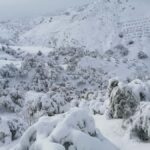
Two days can change how you see Morocco. I like that this trek pushes for the Mt Toubkal summit and treats the sunrise on top as a core goal, not an afterthought. You’ll also pass Berber villages along the way, so the hike feels rooted in real local life.
I also appreciate that your big time needs are covered: all meals and an overnight at the Toubkal Refuge are included. One possible drawback is that a low-rated report raised serious comfort and safety concerns for a solo woman, including aggressive harassment by a refuge worker and an overbearing guide—so if you want extra reassurance, ask hard questions before you go.
If you’re ready for a proper High Atlas effort, this private format can be a big win. You’ll get pickup, your own group, and a clear two-day structure designed around reaching the 4,167-meter summit.
In This Review
- Key points at a glance
- What makes a 2-day Mt Toubkal trek feel worth it
- Marrakech to the Atlas: the Day One build-up through Tahenouet, Asni, and Imlil
- The Imlil to Toubkal Refuge night: why that stop is more than a place to sleep
- Summit morning and the sunrise push: what to expect from the most demanding part
- What you’re really paying for: price, pickup, and included meals
- Private tour format: a benefit, with one important caveat
- How the route through Berber villages adds meaning (and some tradeoffs)
- Who this trek is best for (and who should think twice)
- Practical tips that come straight from the trek’s realities
- Quick guide to itinerary flow (so you can picture your two days)
- Should you book this 2-day Mt Toubkal trek?
- FAQ
- How much does the 2 Days Toubkal trek cost?
- How long is the trek?
- Is this a private tour?
- Do they offer pickup in Marrakech?
- Is there a mobile ticket?
- What is the height of Mount Toubkal?
- What’s included with the overnight at the refuge?
- What route does the trek follow on day one?
- What happens on day two?
- What fitness level is required?
- Is there flexibility if plans change?
Key points at a glance
- Summit on a tight 2-day schedule for a real sense of achievement
- Sunrise views from the top of North Africa’s highest peak
- Meals + overnight at Toubkal Refuge included, so you’re not scrambling at mountain elevation
- Private tour means your group sets the tone, not a crowded shuffle with strangers
- Route through Imlil and Berber villages gives context beyond the climb
- Comfort and safety depend on your guide/refuge team, so pre-trip questions matter
What makes a 2-day Mt Toubkal trek feel worth it
Mount Toubkal (4,167 meters / 13,700 feet) is North Africa’s highest peak. That’s the headline, but the real reason people book a 2-day trek is the way it compresses everything: travel out of Marrakech, a hike through the Atlas foothills, a night in the mountains, then a very early push for the summit.
I like trips like this because they force clarity. You’re not “thinking about hiking” for days. You’re hiking, eating, resting, and moving toward one goal—then turning around and heading back the next day.
The tradeoff is that 2 days doesn’t leave room for slow pacing or long detours. The tour is aimed at people with at least moderate fitness, and altitude adds its own grind even if you’re a strong walker on flat ground.
You can also read our reviews of more tours and experiences in Marrakech.

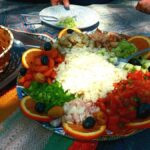
Marrakech to the Atlas: the Day One build-up through Tahenouet, Asni, and Imlil
Day one starts with leaving Marrakech and heading toward the High Atlas hiking zone. The route runs through Tahenouet, then Asni, before reaching Imlil, the gateway area for Toubkal treks. This matters because it sets the day’s rhythm: you’re moving from city noise to mountain quiet fairly quickly.
Along the way, the trip focuses on the small pieces that make a hike feel like Morocco, not a theme park. You pass through the Atlas villages that are tied into the trek routes, and you’re guided through the area around the Ait Mizain Valley and the small communities near Imlil.
Imlil is where things start to feel real. It’s the point where the trail culture kicks in: you’re surrounded by people who know these paths, and the mountains stop looking like a postcard and start looking like the work ahead of you. Even if your legs are not thrilled yet, your brain gets the message: this is a mountain trip.
Possible downside on day one: the day is partly “getting there,” and your energy might be spent earlier than you expect if you’re sensitive to long transfers. The good news is that the schedule is designed to move you toward the Toubkal Refuge rather than leaving you hanging at a random stopping point.
The Imlil to Toubkal Refuge night: why that stop is more than a place to sleep
In a 2-day itinerary, the overnight isn’t optional. It’s the hinge that makes sunrise summits possible. After your day of hiking toward the refuge, you sleep at the Toubkal Refuge, and the tour includes all meals.
That inclusion sounds basic, but at elevation it’s practical. When you’re tired, hungry, and cold-ish (you will be), it helps a lot to know food and rest are handled rather than hoping to find a café, a shop, or a workable plan in the mountains.
Staying at the refuge also changes how you pace yourself. You’re not just walking until you drop. You’re walking with the knowledge that you’ll have a night to reset before the summit push. That can help you avoid the common mistake of going too hard too early on a short trek.
Here’s the reality check: overnight at the refuge is still part of a camping-style, mountain setting. So if you expect hotel-style comfort, adjust your expectations in advance. The win is the experience itself—being in the mountain routine, not treating it like a quick bus ride to a viewpoint.
Summit morning and the sunrise push: what to expect from the most demanding part
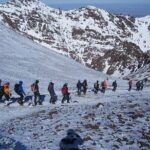
The second day is structured for one big moment: reach the Toubkal summit, then return to the refuge and down to Imlil and back to Marrakech. The tour’s promise includes panoramic sunrise views from the top, which strongly implies you’ll start very early.
If you’ve never done an early summit climb, plan for this: your body often needs more time to warm up than you think. Even if you feel okay at the start, the altitude and the steady effort can make the last stretch feel longer than it should.
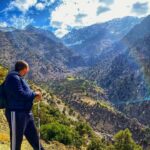
The summit itself is the whole point, and the payoff is the altitude-driven sense of scale. From a 4,167-meter peak, your view isn’t just scenic—it’s a way of seeing the Atlas as a system of valleys and ridges, not just one mountain you visited.
After the summit, the descent matters just as much for how you’ll feel later. Going down can be rough on your knees, even when it’s “easier” than climbing up. The route brings you back to the refuge first, giving you a built-in pause before continuing toward Imlil.
What you’re really paying for: price, pickup, and included meals
This trek costs $211.71 per person, and the value comes from what you’re not managing yourself. You’re getting a private tour, pickup is offered, and you also receive a mobile ticket. Most importantly for mountain trekking, meals and overnight stay at the refuge are included.
To judge value, I look at the hidden costs of DIY trekking: food planning, timing, and local logistics. On a 2-day schedule to a summit, those details can turn into pressure. Here, the itinerary is built around the essentials—get you to the trail, feed you, house you for the night, then run the summit plan and get you back.
That doesn’t mean it’s a “cheap” trek. It’s an efficient mountain experience. But for the time and structure, it’s priced like a guided, supported climb rather than a casual hike.
One extra practical note: one low-rated report explicitly advises bringing cash and a passport. The tour info doesn’t explain why, so treat it as a caution from that account. I’d rather you arrive over-prepared than stuck short.
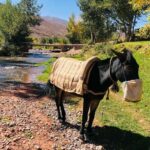
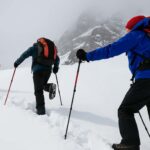
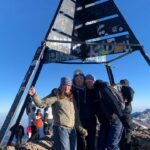

Private tour format: a benefit, with one important caveat
A private tour means only your group participates. That can be great if you want a more respectful pace, fewer distractions, and the ability to ask questions without waiting for someone else’s schedule.
In theory, private also gives you more control over the experience—your guide can adjust pacing and attention. In practice, it still depends on who you get and how they run things on the ground.
This is where that low-rating caution matters. The concern wasn’t about the mountain; it was about human behavior and comfort. If you’re booking as a solo traveler, or if you’re sensitive to being spoken to in a controlling, dismissive way, I’d ask the operator directly about guide assignment and what the team’s expectations are with guests.
A smart pre-trip question is: who will be with us on both days, and how do you handle guest safety and comfort if someone has concerns? You’re not being difficult. You’re doing responsible travel math.
How the route through Berber villages adds meaning (and some tradeoffs)
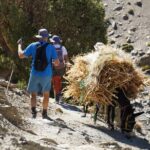
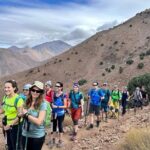
This trek isn’t only about summit math. It’s also a route through communities around Imlil, with time passing small villages on the way to the refuge. That’s meaningful because it changes the feeling of the hike. You’re not just watching scenery—you’re moving through a place where people live with the mountain as part of daily life.
You also get a stronger sense of why the Atlas Mountains are so central to Moroccan culture. The villages aren’t just scenery; they’re part of the trail system and the local economy around trekking.
Tradeoff: village areas can mean uneven trail conditions and a mix of infrastructure. One low-rated report mentioned seeing trash along the trail, which is a sign that you may encounter litter even on standard routes. If you want to reduce your impact, bring a small bag and handle what you can. It’s a small effort, but it helps.
Who this trek is best for (and who should think twice)
This tour states you should have moderate physical fitness. That’s a helpful filter. If you can walk for several hours at elevation, maintain a steady pace, and handle an early start, you’re in the right ballpark.
I’d think twice if you want a relaxed outing or you’re managing a health issue that could be affected by altitude. Even though the tour info doesn’t list altitude precautions, the summit height of 4,167 meters is a fact, and it’s not a gentle level.
This is also a good match for people who like structure. The two-day format gives you a clear plan:
- day one up to the refuge
- day two summit, then down to Marrakech
If you hate uncertainty and prefer guided support on mountain logistics, that clarity helps.
For solo travelers, especially solo women, use extra care. The low-rated safety account is not something to ignore. If your personal comfort is non-negotiable, ask questions and consider building in flexibility if you feel uneasy.
Practical tips that come straight from the trek’s realities
A few things matter on a summit trek like this, and they connect directly to the tour info and reported notes:
- Bring cash and a passport. One reported experience specifically called this out, and it’s better to have them than to be scrambling.
- Expect early mornings. The sunrise summit goal means you’ll start before it’s fully light.
- Plan for cold at altitude. At 4,167 meters, even a short stay can feel harsh, especially at night at the refuge.
- Don’t assume hotel comfort. The overnight is at a refuge and includes camping-style arrangements, not a resort experience.
Also, if you’re traveling with a service animal, the tour information says service animals are allowed. That’s worth noting if you need that accommodation clearly spelled out before you go.
Quick guide to itinerary flow (so you can picture your two days)
You can think of the trip as a simple loop with one goal.
Day one: Marrakech → Tahenouet → Asni → Imlil → hiking to Toubkal Refuge. You’re building altitude and settling into the mountain routine.
Day two: Refuge → Toubkal Summit → back to the refuge → down to Imlil → Marrakech. You’re moving from sunrise payoff to recovery and descent.
The details matter because they keep you from misreading the trip as a long sightseeing day. This is a working itinerary. It’s designed around reaching the top, not around maximizing stops in town.
Should you book this 2-day Mt Toubkal trek?
If you want a serious Atlas climb with real purpose—summit ambition, sunrise payoff, and included mountain food—this trek format makes sense. I like that it’s private, includes meals and an overnight at Toubkal Refuge, and keeps the schedule focused on the climb.
But I’d also be honest about decision-making here. A low-rated note flagged serious comfort and safety issues for a solo woman, along with other concerns like litter along the trail. If safety, respectful treatment, and personal comfort are big priorities for you, ask the operator tough questions before booking—especially about guide assignment and how concerns are handled on the ground.
If you can do the fitness side and you’re comfortable managing the mountain conditions, this can be a memorable way to experience the Atlas beyond Marrakech.
FAQ
How much does the 2 Days Toubkal trek cost?
The price is $211.71 per person.
How long is the trek?
It’s listed as a 2-day experience (approx.).
Is this a private tour?
Yes. It’s a private tour/activity, and only your group participates.
Do they offer pickup in Marrakech?
Pickup is offered.
Is there a mobile ticket?
Yes, a mobile ticket is included.
What is the height of Mount Toubkal?
Mount Toubkal is 13,700 feet (4,167 meters).
What’s included with the overnight at the refuge?
All meals and overnight camping are included, with an overnight at the Toubkal Refuge.
What route does the trek follow on day one?
The route goes from Marrakech to Tahenouet, Asni, Imlil, then onward to the Toubkal Refuge.
What happens on day two?
You’ll go from the refuge to the Toubkal summit, return to the refuge, then hike back to Imlil and continue to Marrakech.
What fitness level is required?
The tour says travelers should have a moderate physical fitness level.
Is there flexibility if plans change?
The tour offers free cancellation, with a full refund if you cancel up to 24 hours in advance.