REVIEW · KATHMANDU
Annapurna Tilicho Lake Trek
Book on Viator →Operated by Accessible Adventure Pvt. Ltd · Bookable on Viator
Tilicho Lake makes this trek feel wild. This 20-day Annapurna Circuit route in Nepal adds the long, high detour to the world’s highest lake in Manang, then brings you back onto the classic line over Thorong La and up to Poon Hill for sunrise views. I really like how the plan builds in acclimatization in Manang before the hardest days, and I like the comfort of a small group (max 12) with a trek leader, assistant, and porter support.
One heads-up before you book: the itinerary is built for real trekking. You’ll deal with steep sections, loose scree, and big altitude days, and meals during the trek (breakfast/lunch/dinner) aren’t included, so you’ll need to budget for lodge food along the way.
In This Review
- Key things to know before you go
- Tilicho Lake turns the Annapurna Circuit into a detour you’ll remember
- Price and logistics: what $1,430 actually buys you
- Who this trek suits (and who should think twice)
- Day-by-day: what each stop feels like in practice
- Day 1: Kathmandu arrival and an easy first night
- Day 2: Syange via Bensishahar and a jeep ride that wakes you up
- Day 3: Dharapani Temple and oak-forest trekking into waterfall country
- Day 4: Chame through apple orchards and pine/fir change
- Day 5: Pisang and the old border-raider stories at Brathang
- Day 6: Manang and the drier, higher-feeling rhythm
- Day 7: Acclimatize in Manang (this is not optional)
- Day 8: Khangsar Sadak through conifer forest and exposed scree
- Day 9: Tilicho Base Camp area and the new-vs-old path choice
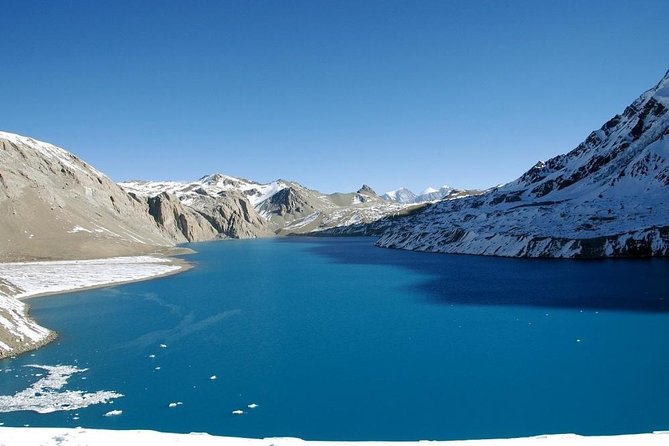
- Day 10: Tilicho Lake day with steep scree, glacier walking, and saddle transitions
- Day 11: Yak Kharka back down to calmer walking
- Day 12: Thorong Phedi and sleeping “lower” to stay safe
- Day 13: Thorong La Pass (5416m) and the long climb over false summits
- Day 14: Muktinath early, then Marpha and windy Jomsom-area conditions
- Day 15: Kalopani via Dhaulagiri views and apple celebrations
- Day 16: Tatopani and the hot spring reset
- Day 17: Ghorepani climb from 1190m to 2780m
- Day 18: Poon Hill before sunrise, then down to Nayapul and Pokhara
- Day 19: Pokhara to Kathmandu by tourist bus and a farewell dinner in Thamel
- Day 20: Fly out with a pre-flight transfer
- The support system: why this feels easier than it looks
- Lodges, showers, and the food reality at altitude
- Gear notes you should take seriously
- Should you book this Annapurna Tilicho Lake Trek?
- FAQ
- What’s the trek duration?
- Where does the trip start, and where do you end?
- What’s the highest altitude point mentioned?
- How big is the group?
- Is there airport pickup or transfer on arrival?
- What’s included with the guide and porter team?
- Is trekking food included?
- What gear is provided for the trek?
- Are hot showers or WiFi included?
- Do I need a visa for Nepal?
Key things to know before you go
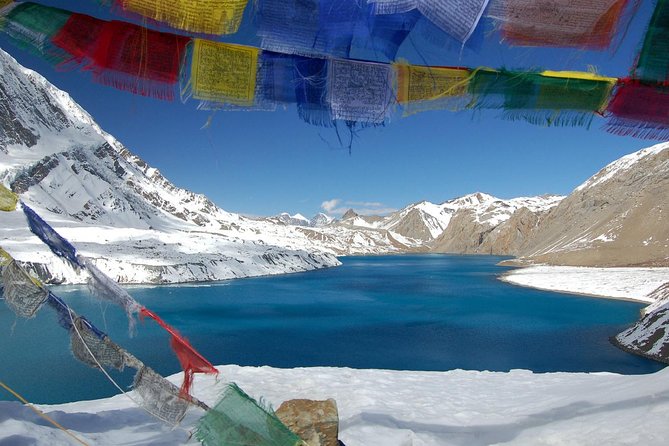
- Tilicho Lake via base-camp style hiking with steep, loose scree and glacier walking that the route describes as safe
- Manang acclimatization day plus a visit idea around Bodzo Gompa or Gangapurna Lake
- Thorong La at 5416m with a planned, early start from Thorong Phedi (and the choice to avoid the riskier high camp sleep)
- A big switch in scenery and vegetation from forests early on to drier Manang and beyond
- Poon Hill sunrise included in the flow on the way toward Nayapul and then Pokhara
- Real support system: English-speaking licensed leaders, medical kit, and porter service (2 trekkers per porter)
Tilicho Lake turns the Annapurna Circuit into a detour you’ll remember
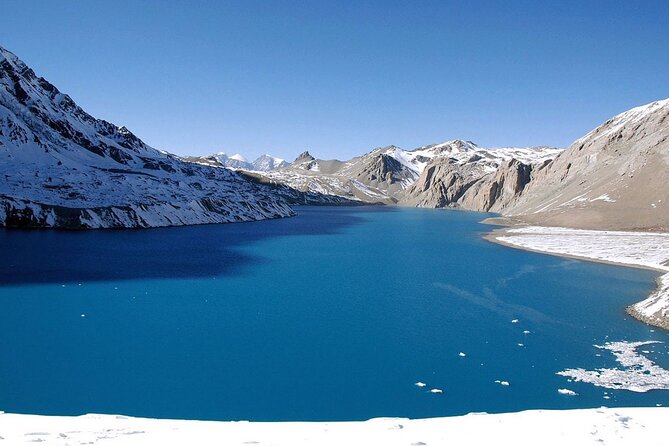
Most Annapurna Circuit-style treks feel like a line: rise, cross a pass, move on. This one changes the shape of your trip. From Manang you swing west to Tilicho Lake, which gives you a very different feel than simply “doing the circuit.”
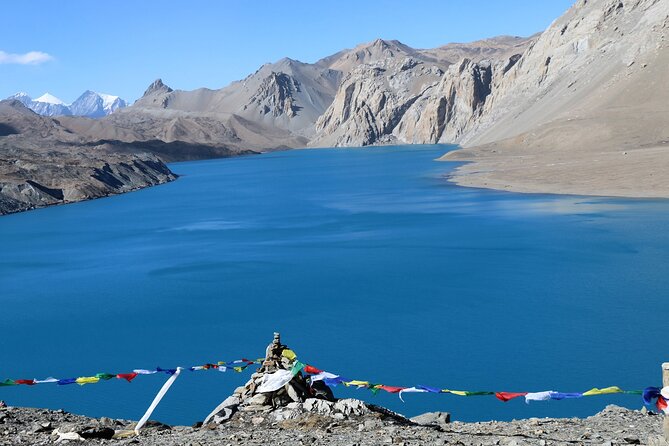
That detour matters because it turns your high-altitude day into something more specific and more memorable. You’re not just chasing altitude for altitude’s sake. You’re heading for the world’s highest lake in the Manang District, then rejoining the Annapurna Circuit route to tackle Thorong La.
And after all that cold, thin-air work, Poon Hill adds a reward moment. You climb out to sunrise views over the Annapurna and Dhaulagiri ranges, then you continue trekking toward Nayapul and down through familiar tea-house country.
You can also read our reviews of more tours and experiences in Kathmandu.
Price and logistics: what $1,430 actually buys you
At $1,430 per person for roughly 20 days, this is not a “cheap and cheerful” bargain. But it’s also not just a ticket number. Your cost is doing the heavy lifting on the support side.
Here’s what you can count on being included:
- a trek leader and assistant trek leader (English-speaking, government-licensed)
- porter service (2 trekkers: 1 porter)
- group size capped at 12
- your required permits paperwork (ACAP, TIMS)
- Kathmandu hotel nights (two nights) with breakfast, plus a Pokhara night with breakfast
- down jacket and sleeping bag (you return them at the end)
- a trekking bag/duffel bag, t-shirt, and a trekking map
- a medical kit carried by the trek leader
- transfers that handle the “getting there and out” parts (including a Pokhara to Kathmandu tourist bus)
What’s not included, and this affects your daily budgeting:
- trekking meals (breakfast, lunch, dinner during the trek)
- hot showers during the trek
- WiFi during the trek
- tips for trekking staff and drivers
- personal trekking equipment
- international airfare and Nepal entry visa
So the real value question is simple: if you want a structured high-altitude trek with permits, leaders, and porter support bundled in, this price starts to look sensible. If you expect every meal and comfort upgrade to be included, you’ll want to adjust your plan.
Who this trek suits (and who should think twice)
This is aimed at people with moderate physical fitness. The reason is obvious: the days are multiple-hours long, with several altitude-critical stretches. The itinerary even calls out a “tough day” around Thorong Phedi and a long, strenuous pass day.
You’ll also want to be the kind of traveler who’s okay with lodge trekking reality:
- lots of walking hours (often 5–8)
- basic accommodation and cold conditions as altitude rises
- flexibility when terrain forces careful pacing (especially on scree)
If this is your first trek, that support structure is a big deal. The trip’s design is built for guided pacing, acclimatization, and logistics that keep you from thinking too much day-to-day.
Day-by-day: what each stop feels like in practice
Day 1: Kathmandu arrival and an easy first night
You land in Kathmandu, handle visa/customs as needed, and meet your representative holding the Accessible Adventure signboard with your name. Then you transfer by private vehicle to your Kathmandu hotel.
This day matters because it sets the tone. You’re not guessing transport, and you get a proper first base before trekking.
Day 2: Syange via Bensishahar and a jeep ride that wakes you up
The route heads toward Syange through Dumre and Bensishahar, following the Trishuli River area along the Prithivi Highway for a while. Then you catch a local jeep for the bumpy and windy road up to Syange.
The upside: you get Nepal travel energy right away—river valleys, hills, and that sense of “we’re really leaving the city.” The trade-off: it’s travel time, not altitude trekking time, so don’t expect a restful day.
Day 3: Dharapani Temple and oak-forest trekking into waterfall country
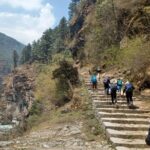
This is an early start day. You trek along a rising-and-falling trail toward Chamje, cross a suspension bridge, then climb through oak forest. The itinerary highlights a dramatic landscape shift into a deep gorge with cascading waterfalls.
You’ll also notice the route’s cultural rhythm: mani stones appear, and there’s a local custom to walk on the left-hand side of the Mani walls. The day ends at Dharapani in a local lodge with breakfast/lunch/dinner listed as included.
I like this day because it balances effort with variety. It’s not one long grind. You get bridges, forests, gorge scenery, and a clear “gear-up for the trek” progression.
Day 4: Chame through apple orchards and pine/fir change
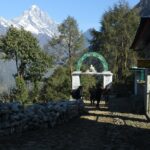
You climb gently from Dharapani to Bagarchap, with Annapurna II visible up the valley. Then you pass through Danakyue, climb to Temang, and enjoy views back toward the Manaslu Range.
Vegetation changes show up today: the itinerary notes a move toward pine and fir. You also pass apple orchards at Thanchok village before reaching Koto and continuing toward Chame.
A practical note: vegetation shifts often mean temperature shifts. You’ll likely want to think in layers, not in one perfect jacket.
Day 5: Pisang and the old border-raider stories at Brathang
From Pisang you trek along rich forest of blue pine and fir, keeping alongside the river. Brathang is described with a history angle: the old village used to be a Tibetan resistant camp fighting Chinese occupation of Tibet by making raids from the border. Today the area is mostly orchards and tea houses.
Then comes a cliff-side trail section and a steep climb through forest, followed by a sudden change into Upper Manang terrain.
This day’s value is simple: you get a mix of natural walking and a sense that you’re passing through places with layered history, not just scenery.
Day 6: Manang and the drier, higher-feeling rhythm
Manang is where the trip starts to feel different. The itinerary emphasizes that Manang district is drier and cut off from full monsoon effects by the Annapurna Range.
You’ll walk on routes that alternate north and south of the Marshyangdi River, then meet again at Mungji. The route chooses the northern option via upper Pisang for better views.
You should expect this day to feel like a setup: you’re not yet at the pass, but your body is learning higher-altitude pacing.
Day 7: Acclimatize in Manang (this is not optional)
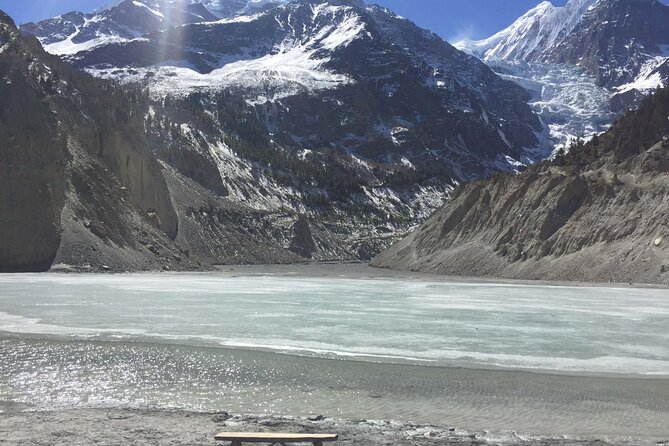
Today is a full acclimatization day. The itinerary recommends staying active with short walks to higher altitude rather than doing nothing. It also lists Bodzo Gompa or Gangapurna Lake as worth visiting.
One standout practical detail: Manang village includes Himalayan Rescue Association facilities, with volunteer western doctors during the trekking season. Even if you never need medical help, knowing that infrastructure exists is calming.
This is the day that can make or break your comfort later. If you rush or ignore how you feel, Thorong La won’t be forgiving.
Day 8: Khangsar Sadak through conifer forest and exposed scree
From Manang you head through western gates, down toward the river, and cross to the south side. Then it’s conifer forest and a section across a steep, exposed scree slope, followed by a crossing over Kangsar Khola.
You ascend back to the village. This is a good day to remember trekking poles help, and patience is faster than speed.
Day 9: Tilicho Base Camp area and the new-vs-old path choice
You continue from Kangsar on a larger path and pass a gompa (monastery). Then you reach a high ridge area with an intersection: one path keeps altitude and is described as the old, much more difficult scree line; the other is the new route that goes differently.
You take the new route, continue to a crest, then descend via switchbacks carved through scree slopes. The day ends at the Tilicho Base Camp area (described with Tilicho Base Camp building) at around 7 hours of walking.
This is one of those trek days where route selection matters, and it’s built into the itinerary approach.
Day 10: Tilicho Lake day with steep scree, glacier walking, and saddle transitions
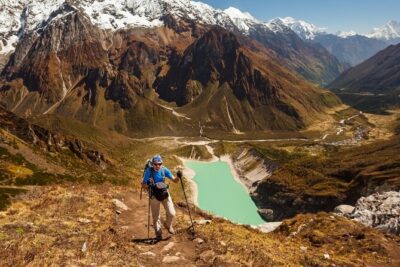
From Tilicho Base Camp you hike along the shore to a little plain, then aim for a saddle in the ridge above. The route is described as steep, with loose scree and boulders.
You reach and descend to a valley, step onto a glacier described as having no crevasses and therefore safe, then follow the left (south) side upward. You leave it at an obvious saddle westward, go through a watershed, and continue via faint paths and another saddle before descending into a small valley.
This is the big “why you came” day. The terrain sounds technical enough that you’ll want good footing focus and slow, steady breathing. Save your energy for the hour you’ll need the most: the approach parts where your legs get tired and your mind wants shortcuts.
Day 11: Yak Kharka back down to calmer walking
You trek down from Tilicho Base Camp to Kangsar, then onward to Yak Kharka. The route passes old mani walls in a pleasant meadow, crosses a small river on a wooden bridge, and reaches a small village.
The itinerary notes “little but gradual ascent” to help avoid altitude problems. This is recovery in trekking form. It’s still walking, but it’s designed to give your body a break from the highest intensity.
Day 12: Thorong Phedi and sleeping “lower” to stay safe
Today is Thorong Phedi. It’s described as a small busy settlement for tired trekkers and climbers. The route mentions some visitors attempt a hike to High Camp the same day, but the team leader does not advise it.
Instead, you stop at Thorong Phedi so you can sleep sound rather than take a riskier high-altitude night.
This is one of the places where the tour’s planning logic shows: risk management beats bravado.
Day 13: Thorong La Pass (5416m) and the long climb over false summits
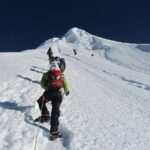
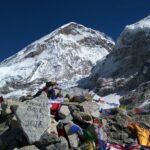
You start early from Thorong Phedi and climb gradually toward Thorong La. The itinerary describes false summits and increasingly high altitudes before you top out at 5416m.
Then you descend toward Muktinath. The day is described as strenuous and long, so expect a slow, steady pace rather than a workout sprint.
This is also a “mental day.” Once you’re above the pass, it becomes about controlling effort and not over-pushing just because you can.
Day 14: Muktinath early, then Marpha and windy Jomsom-area conditions
You visit Muktinath early, then have breakfast and trek downhill toward Ekley Bhatti. The descent is steep, and the itinerary explicitly suggests using trekking poles.
From Ekley Bhatti you continue toward Jomsom, described as very windy. It even advises a full face mask and wind-stopper jacket to avoid windblast.
This day is a reminder that high-altitude discomfort isn’t only about thin air. Wind can steal your warmth fast.
Day 15: Kalopani via Dhaulagiri views and apple celebrations
You’re in Marpha first, including apple day mentions. Then you walk along tea houses (bhattis) and taste apple brandies, tea, or coffee if you want.
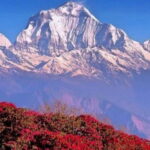
You continue via Tukuche village and the Dhaulagiri icefall area for photos and views, then head to Largung and Kobang villages before reaching Kalopani.
There’s also an optional angle: an industrial visit to Tikuche Distillery that supplies drinking water. That’s not a guaranteed “tour highlight,” but it’s a thoughtful way to see how people manage daily life here.
Day 16: Tatopani and the hot spring reset
You get views of Annapurna I from Kalopani, then descend more than 1000m toward Tatopani. You stop at Dana for lunch and see the deepest Kaligandaki gorge described in the itinerary.
Then it’s mostly downhill to Tatopani, where there’s a natural hot spring. You’re expected to dip for relaxation and then return to your lodge.
This day is your body’s thank-you note. After cold, high walking, warm water is an actual recovery tool, not a luxury fantasy.
Day 17: Ghorepani climb from 1190m to 2780m
Today you climb hard: from 1190m up to 2780m to reach Ghorepani. The itinerary highlights cultural and natural influences, with villages passed through including Ghare, Shika, Phalate, and Chhitre, and local communities like Magar and Gurung.
You also get views of the Annapurnas during the day, though the best is saved for Poon Hill sunrise tomorrow. You’ll go to bed a little early for the early morning hike.
If you hate climbing, this is your day to learn that hate is optional. Steady effort wins here.
Day 18: Poon Hill before sunrise, then down to Nayapul and Pokhara
You hike up to Poon Hill before sunrise and watch the sun rise above the Annapurna range. Then you return to Ghorepani for breakfast and continue toward Nayapul.
This day is about trading altitude for momentum: sunrise is the reward, and then the route shifts toward getting you out of the trek rhythm.
Day 19: Pokhara to Kathmandu by tourist bus and a farewell dinner in Thamel
You take the tourist bus early morning and arrive in Kathmandu around 7–8 AM near Icicles Adventure Office. You then check in and join a farewell dinner at a cultural restaurant in Thamel.
This is where you get the real social payoff: you’ve been with the same small group for days, and now you have an evening to close the loop.
Day 20: Fly out with a pre-flight transfer
You transfer from your hotel to TIA airport about 3 hours before your scheduled international flight. Breakfast is included, and the trip ends with the usual friendly send-off.
The support system: why this feels easier than it looks
A lot of trekking tours say they have guides. This one puts the support into the structure.
You get a government-licensed English-speaking trek leader and assistant, plus porters. The porter service is 2 trekkers per porter, which means you’re not carrying every ounce while you’re climbing high.
Also, the itinerary includes a medical kit carried by the trek leader. You’re still responsible for your own body, but it’s reassuring to know there’s a plan.
And the group size cap at 12 matters. It helps keep the trek organized without turning it into a slow-moving conga line.
Lodges, showers, and the food reality at altitude
The trek is run with local lodge accommodations (you see this clearly with lodge nights like Dharapani and Tatopani). But hot showers are not included, and WiFi isn’t available during the trek.
Food is similar: breakfast/lunch/dinner during the trek are not included. That means you’ll choose from what lodges provide and what’s available on the route.
This is one of the biggest practical considerations for budgeting and energy. If you’re the type who needs a reliable schedule for meals, you’ll want to plan mentally for “eat what’s there, when it’s time.”
Also, pack a system for water and warmth. The itinerary mentions conditions like strong wind in the Jomsom area and cold work around passes, so keep your layers ready.
Gear notes you should take seriously
Down jacket and sleeping bag are included, and you return them after the trip. You’re also given a trekking bag/duffel bag and a trekking map.
But personal trekking equipment is not included, so you’ll need your own basics. The itinerary explicitly suggests trekking poles for the steep downhill sections (like the Marpha day), so if you don’t have poles already, this is a good reason to get them.
For the high pass and Tilicho approach, good footwear and stable footing habits matter more than fancy gear. The route descriptions repeatedly mention loose scree, boulders, and steep sections.
Should you book this Annapurna Tilicho Lake Trek?
Book it if you want:
- Tilicho Lake as the signature add-on to the Annapurna Circuit
- a guided plan with acclimatization built in
- help that makes a tough itinerary feel manageable (leaders, assistant, porters)
- a payoff combo: high pass days followed by Poon Hill sunrise and then a warm hot-spring recovery
Think twice if you:
- need included meals and hot showers as part of your definition of comfort
- want an easy walk with minimal technical footing
- are not comfortable with high-altitude trekking, especially around Thorong La and the Tilicho approach
One more decision factor: the tour lists free cancellation. If you’re on the fence, you can book without locking yourself in forever, as long as you cancel in time.
If you’re the kind of traveler who likes real trails, real altitude effort, and a lot of practical support behind the scenes, this trek is a strong fit. And once you’re watching sunrise over the Annapurnas after a high-lake detour, you’ll understand why people remember this version of the circuit.
FAQ
What’s the trek duration?
The itinerary is about 20 days (approx.). The trekking segment runs through multiple lodge nights and includes acclimatization in Manang, Tilicho Lake, Thorong La, and the Poon Hill sunrise timing.
Where does the trip start, and where do you end?
You start in Kathmandu. The trekking wraps up at Nayapul, then you transfer to Pokhara, and later return to Kathmandu for the farewell dinner and departure.
What’s the highest altitude point mentioned?
Thorong La Pass is listed at 5416m. The itinerary also mentions a climb up to Ghorepani viewpoint area around 2780m.
How big is the group?
The tour has a maximum of 12 travelers.
Is there airport pickup or transfer on arrival?
Yes. On arrival in Kathmandu, you meet a representative and are transferred to your hotel in a private vehicle.
What’s included with the guide and porter team?
The trek includes an experienced, English-speaking, government-licensed trek leader and assistant trek leader, with porter service (2 trekkers per porter). A medical kit is carried by the trek leader.
Is trekking food included?
No. Breakfast, lunch, and dinner during the trek are listed as not included. Welcome and farewell dinners are included, and hotel breakfasts are included at Kathmandu and Pokhara.
What gear is provided for the trek?
You receive a down jacket and sleeping bag (returned after the trip). You also get a trekking bag/duffel bag, a t-shirt, and a trekking map.
Are hot showers or WiFi included?
Hot showers are not included during the trek, and WiFi internet is not included during the trek.
Do I need a visa for Nepal?
You can get a Nepal entry visa on arrival at Tribhuvan International Airport in Kathmandu. The tour notes 30-day and 90-day multiple-entry tourist visa options, with fees payable on arrival and instructions to bring 2 passport-size photos.