REVIEW · CATANIA
Etna: Trekking to the summit craters at 3340 meters
Book on GetYourGuide →Operated by Sicilying S.R.L. · Bookable on GetYourGuide
Mt. Etna feels like a different planet. You climb from Rifugio Sapienza at about 1900 m up to 3340 m summit craters, with a volcanology guide keeping the science grounded in what you’re seeing. I especially like the mix of views plus hands-on volcanic detail, and the way the route threads through fresh-looking lava and volcanic sand. One possible drawback: the pace and uneven ground can feel demanding, and the day isn’t ideal if you want long, slow stops everywhere.
I also like how the tour layers transportation and terrain: cable car, then 4×4 minibuses, then real hiking with brief breaks for photos and explanations. You’ll also get protective gear, including a helmet, which matters on an active volcano day. Just know the tour isn’t suitable for everyone (altitude issues, heart problems, high blood pressure, pregnancy, and young kids are out), and you’ll still need to pay for some transport on site.
In This Review
- Key things that make this Etna trek worth your time
- What Mount Etna is really like at 3340 m
- The day’s altitude plan: cable car, 4×4, then a real hike
- Stop-by-stop itinerary, and what you’ll notice at each point
- Cratere Centrale dell’Etna: the climb to about 3340 meters
- Descent and the Barbagallo crater loop: lateral eruption terrain
- Lunch near 3000 meters: fueled but not dragged out
- Valle del Bove viewpoint: the caldera story from about 9000 years ago
- Final descent past a 2001 lateral crater area
- The tour vibe: what “guided volcanology” actually feels like
- Gear and what to bring so you’re not miserable
- Price, and what your money is really buying
- Who this Etna trek fits best
- Logistics that matter: meeting point and group rhythm
- Weather and conditions: how to think about cancellation-day changes
- Should you book this Mt. Etna summit crater trek?
- FAQ
- Where does the tour start?
- How long is the tour?
- What altitude do you reach?
- Is the lunch included?
- Are the cable car and 4×4 tickets included in the price?
- What does the hike involve?
- Does the tour provide safety gear?
- What should I bring?
- Is the tour suitable for kids?
- What languages is the guide available in?
Key things that make this Etna trek worth your time
- Cratere Centrale dell’Etna at 3340 m with a guided walk along the central crater edge
- Two layers of transport: cable car to ~2500 m, then 4×4 minibuses to ~2850 m
- A route through fresh lava, sand, and lapilli, so the ground feels very volcanic, not touristy
- Lava-tube or channel walking after descending toward the Barbagallo area
- Valle del Bove viewpoint, tied to a caldera formed about 9000 years ago
- Protective gear included: helmet, windbreaker, and trekking poles
What Mount Etna is really like at 3340 m
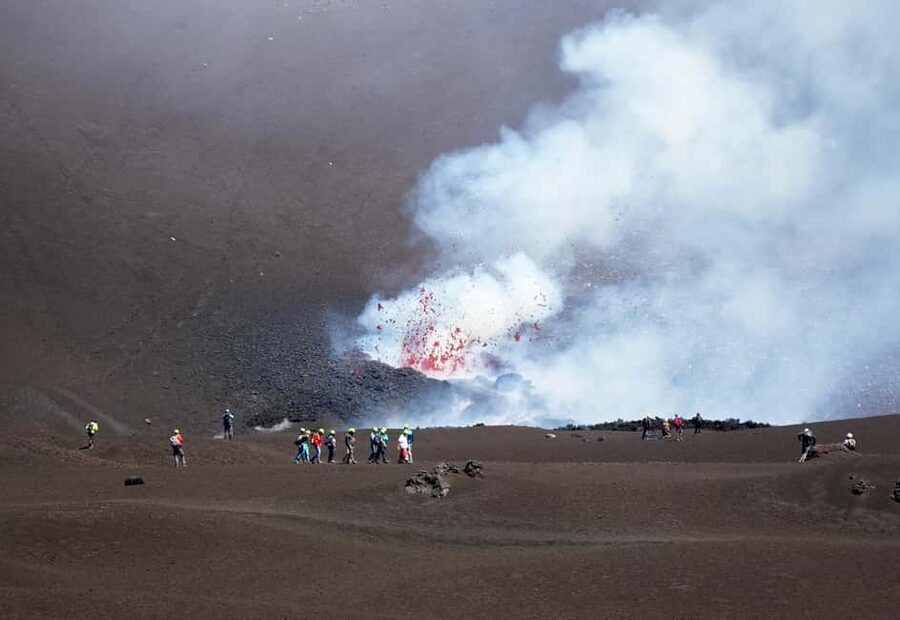
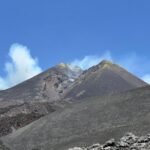
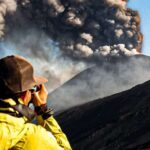
A lot of volcano tours promise drama. This one is more specific: you’re going to the summit craters area around 3340 meters, not just viewpoints from a distance. That changes everything. When you’re standing near volcanic conduits and fresh-looking material, the scale becomes physical. The ground texture matters. The smell (sometimes faint, sometimes not) matters. The wind at higher altitude matters.
Etna is active, so the day depends on conditions. That means you should expect weather to affect what’s possible. One reason this tour scores well is that the structure holds even when things get finicky: you still hike, still get guided context, and you still come away with a clear sense of how Etna works.
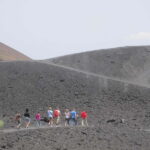
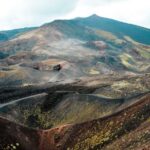
And yes, you get the “lunar” look people talk about, but it’s not just visuals. You’re walking through volcanic sand and loose debris, then onto darker volcanic rock shapes. You’re not just looking; you’re moving through it.
You can also read our reviews of more tours and experiences in Catania.
The day’s altitude plan: cable car, 4×4, then a real hike
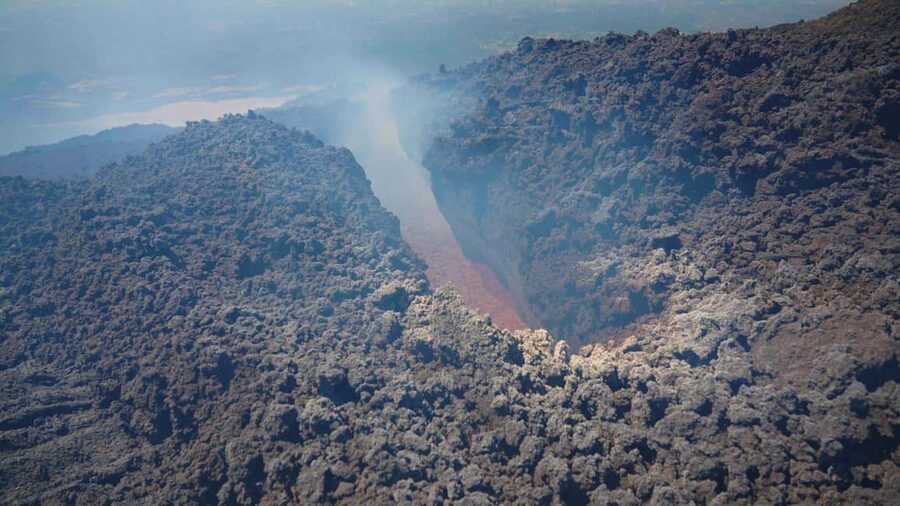
The tour starts from the Rifugio Sapienza area at about 1900 meters. From there, the route is staged so you don’t waste hours crawling uphill, but you still earn the summit views.
First you take a cable car up to about 2500 meters (around 15 minutes). Then you switch to 4×4 minibuses up to about 2850 meters (around 20 minutes). That brings you close enough to start the main trek without feeling like you’re hiking from sea level in a day.
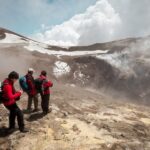
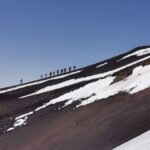
From the high starting point, the hike begins toward the central crater area. You’re moving from newer volcanic surfaces into higher elevation terrain where the air feels thinner and the wind tends to pick up. Even if you’re in decent shape, this is not a gentle stroll.
If you’re thinking of bringing athletic shoes only: consider that you’ll be on volcanic grit and sandy slopes. The tour provides trekking poles for a reason. Use them.
Stop-by-stop itinerary, and what you’ll notice at each point
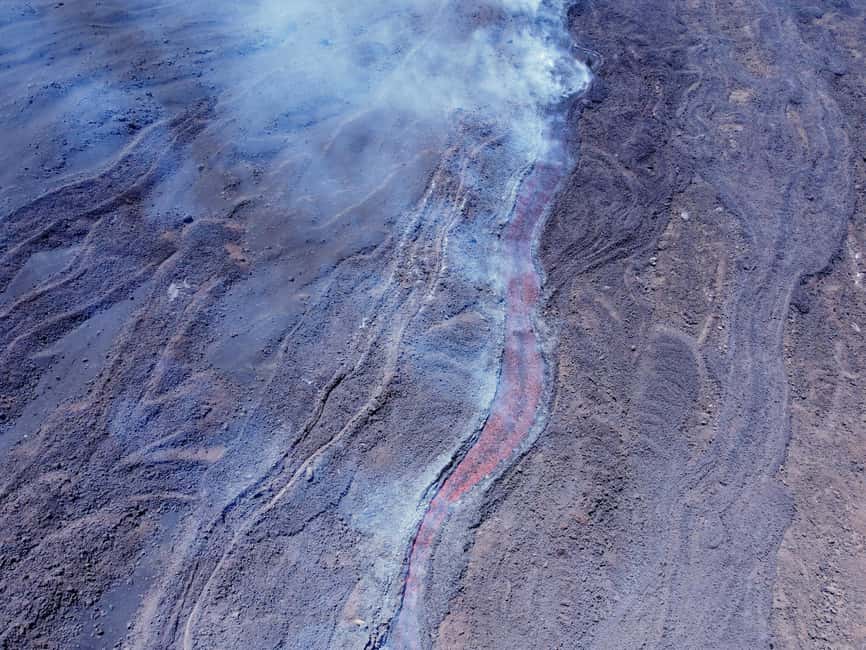
Cratere Centrale dell’Etna: the climb to about 3340 meters
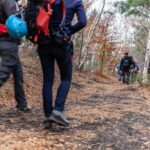
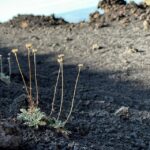
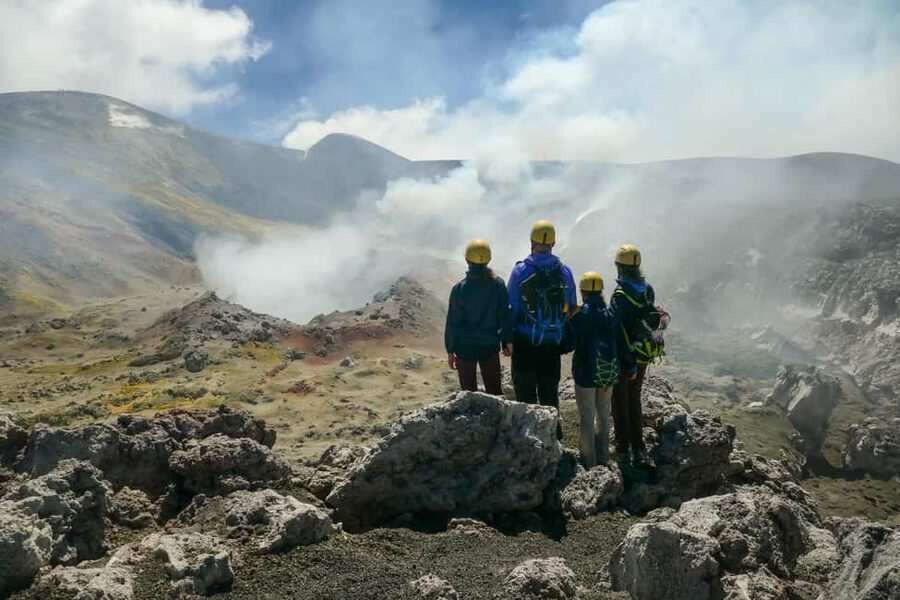
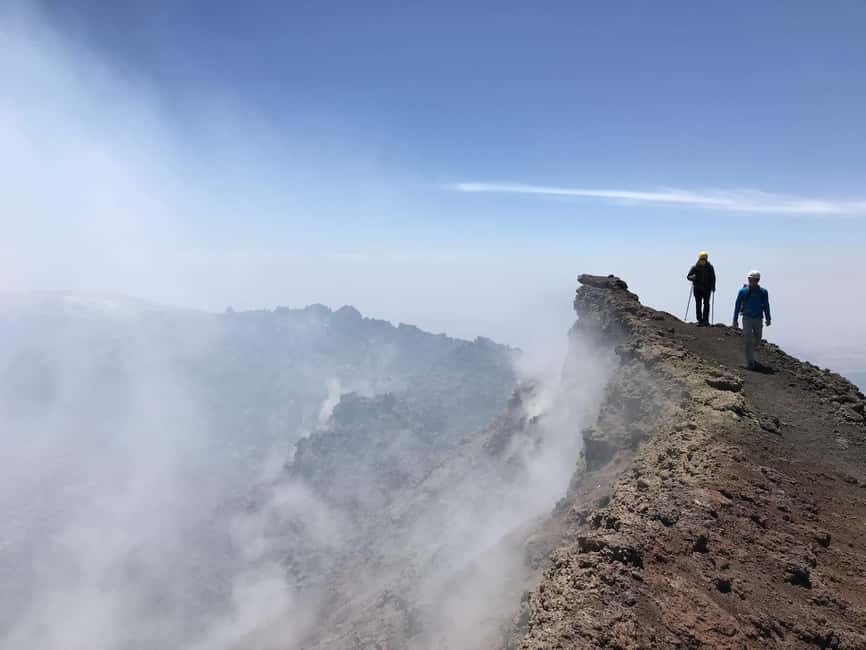
This is the core of the experience. After the cable car and 4×4 segments, you begin a hike of about 2 hours to the summit craters around 3340 meters. The route runs through very recent lava flows, plus stretches of sand and volcanic lapilli (small, gritty volcanic fragments).
What makes this part special is not just the height. It’s the guided reading of the landscape. You’ll walk along the edge of the central crater, where you can look toward two main conduits referred to as the chasm and the new mouth. You’re not memorizing terms for a test. You’re connecting the names to real features in front of you.
Practical note: this section can feel fast if your group has an efficient rhythm. Build in your own habit of pausing at the safe spots the guide points out. Take photos, but also spend a minute looking away from your phone. The crater scale is easier to understand when you stop moving for a moment.
Descent and the Barbagallo crater loop: lateral eruption terrain
After the central crater area, the itinerary continues with another hiking segment tied to the Barbagallo crater. You’ll head toward that area and spend about 1 hour hiking, with stops for photos and guided explanation.
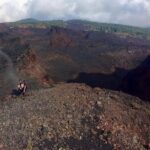
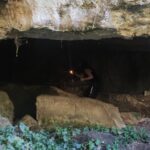
This part matters because it shows a different side of Etna’s activity: lateral eruptions and their impact across the mountain. You’ll move around the perimeter of the Barbagallo area, then descend toward the mouth of a lava flow channel, described as a canyon formed by lava, which you then enter.
This is where you start to feel how Etna’s behavior isn’t only about vertical eruptions. It’s about pathways. Channels and conduits decide where lava goes. That’s the story you’re walking through.
Lunch near 3000 meters: fueled but not dragged out
At around 3000 meters, you take a lunch break. You’re meant to be well-rested, because the route is still going downhill through volcanic features.
Lunch is not included, so you’ll want to plan ahead. Pick something simple that won’t fight you on a cool, windy mountaintop. If you’re bringing snacks, keep them easy to open with gloves or windbreakers.
Also, hydration matters. The tour recommends at least 1.5 liters of water per person. On a hike like this, that’s not overkill.
Valle del Bove viewpoint: the caldera story from about 9000 years ago
After lunch and further descent, you reach a viewpoint of Valle del Bove, an ancient caldera said to have formed roughly 9000 years ago when older eruptive centers collapsed.
This stop gives your brain a wider lens. The earlier part of the hike is about what looks fresh and active. Valle del Bove is about what Etna used to be, and how the mountain’s structure came from dramatic change, not just repeated eruptions at the same spot.
Even if you’re mostly focused on the physics, don’t skip the breathing space here. It’s the moment when your effort makes sense.
Final descent past a 2001 lateral crater area
After Valle del Bove, you continue toward a crater formed during the 2001 eruption, then finish your descent back toward the cable car pickup. The cable car ride brings you back down to the starting area.
The final stage is quieter than the summit push. You’re still walking on volcanic terrain, but your mind is no longer racing for the highest point. If your knees are sensitive, go slow on sandy or loose slopes. Use the poles. Your body will thank you later.
The tour vibe: what “guided volcanology” actually feels like
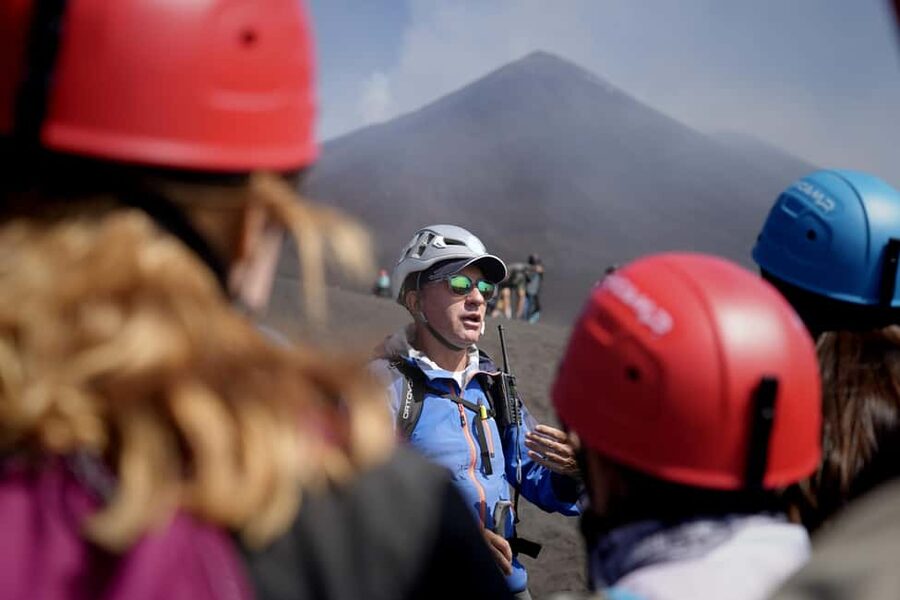
The guide here is a volcanology guide, and that matters more than you might think. At Etna, the terrain looks chaotic if you don’t have a framework. With the guide, you get a story: central conduits, lateral eruptions, caldera collapse, lava channels, and why the ground looks the way it does.
That’s why the experience tends to work for people who want both adventure and learning. You’re not getting a lecture on a bus. You’re getting explanations timed to real features you can point at.
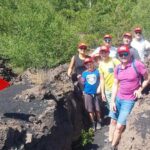
One more thing: the tour includes specific safety-minded items like a protective helmet and a windbreaker. You might not feel like you need a helmet at a hiking trail, but this is volcano country. The gear is part of the tour’s mindset: you’re there to explore responsibly.
Gear and what to bring so you’re not miserable
Included gear:
- Windbreaker
- Trekking poles
- Protective helmet
- Insurance
What you should bring:
- Long pants
- Layered clothing
- At least 1.5 liters of water per person
You’ll also want practical footwear. The tour provides poles, but it can’t fix traction if your shoes are too smooth. Wear something you trust on uneven ground and grit.
Also, follow the rules: no alcohol and no drugs. It’s a safety requirement and a respect thing for an active environment.
Price, and what your money is really buying
The listed price is $77 per person for a 6-hour experience. That base price covers the Etna hike, the volcanology guide, key safety gear, and insurance.
But the big add-on is transportation up the mountain:
- Cable car and 4×4 vehicle tickets are paid on site: €82 for adults, €51 for children up to 10 years old.
Lunch is also not included.
So your real total depends on your adult vs child status and what you spend on lunch. Still, the overall value stacks up because you’re not just purchasing access to a viewpoint. You’re paying for:
- staged uphill transport (cable car + 4×4),
- guided navigation across multiple volcanic zones,
- and protective equipment that’s part of how the tour is run.
If you’re the type who hates guessing on routes, likes structured hikes, and wants real volcanology context, this price can feel fair.
Who this Etna trek fits best
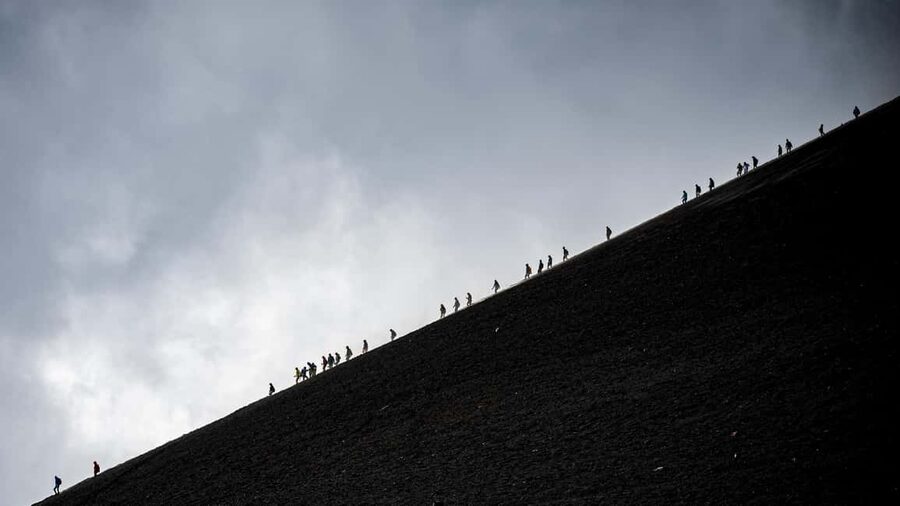
This is a hike, not an easy nature walk. It’s best for people with solid hiking ability and knees that can handle uneven terrain.
It’s not suitable for:
- Children under 9
- Pregnant women
- People with heart problems
- People with altitude sickness
- People with high blood pressure
- People over 95
If you know you’re sensitive to altitude or you’ve had medical issues in mountain environments, treat this as a serious medical decision, not a casual excursion.
If you’re generally healthy and comfortable hiking for 2 hours to a high summit area, you’ll likely enjoy how the day is paced.
Logistics that matter: meeting point and group rhythm
Meet at the Rifugio Sapienza square. Park comfortably and then head to the Monte Gebel souvenir shop.
The tour is structured around transportation segments and fixed stops for photos and guidance. That’s a good thing if you want the day to run smoothly. It can also mean you spend less time meandering on your own at each viewpoint.
One practical tip: if you’re the kind of person who wants to soak up the view for a long time along the way, come prepared to do that at the stops you’re offered. The summit and crater edge are where your pause time matters most.
Weather and conditions: how to think about cancellation-day changes
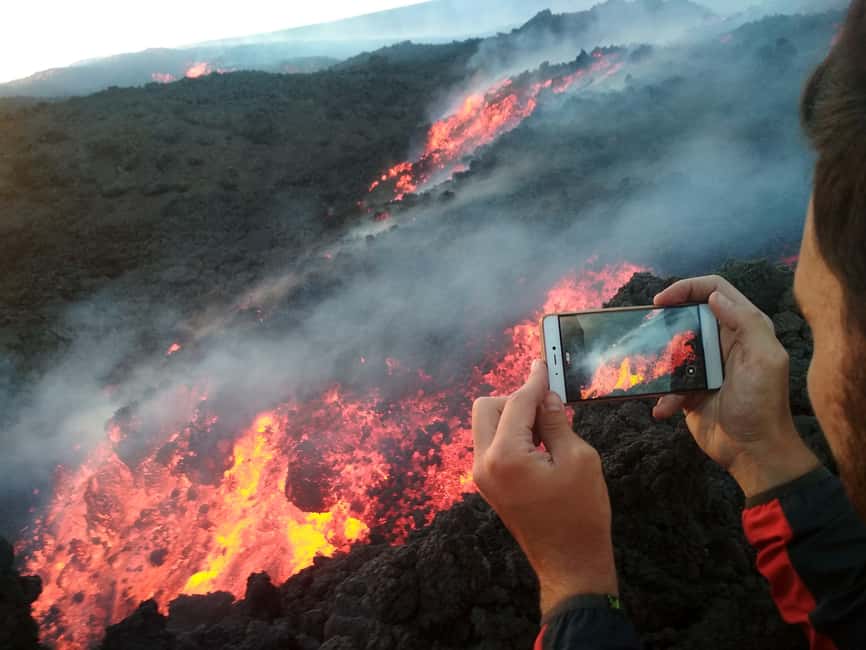
Etna days are weather-dependent. Fog, high winds, and visibility issues can affect how close you can get to certain parts of the summit zone. Your best approach is to pack with layers and to keep expectations flexible.
The tour offers free cancellation up to 24 hours in advance for a full refund, which gives you a little breathing room if the forecast looks rough.
Also, remember that even when access is limited, a good guide can keep the experience coherent by focusing on what’s still open and what the terrain is telling you.
Should you book this Mt. Etna summit crater trek?
Book it if you want:
- a guided walk at real summit crater altitude around 3340 m,
- volcanic terrain you can actually walk through (sand, lapilli, and lava channels),
- and a route that connects the mountain’s present activity with its longer geological story.
Skip or choose a gentler option if:
- altitude is a known issue for you,
- uneven, sandy slopes make you nervous,
- or you want a slow hike with lots of dead-stop time for views.
For most fit hikers visiting Sicily, this is one of the more direct ways to understand Etna in a single day. You’ll come away with crater context, not just photos.
FAQ
Where does the tour start?
You start from the Rifugio Sapienza square. Park nearby and go to the Monte Gebel souvenir shop.
How long is the tour?
The duration is 6 hours.
What altitude do you reach?
You hike to summit craters at about 3340 meters.
Is the lunch included?
No. Lunch is not included.
Are the cable car and 4×4 tickets included in the price?
No. You pay them on site: €82 for adults and €51 for children up to 10 years old.
What does the hike involve?
You trek through volcanic terrain, including recent lava flows, sand, and volcanic lapilli, then descend through crater and channel areas.
Does the tour provide safety gear?
Yes. It includes a windbreaker, trekking poles, protective helmet, and insurance.
What should I bring?
Wear long pants, dress in layers, and bring at least 1.5 liters of water per person.
Is the tour suitable for kids?
No. It’s not suitable for children under 9.
What languages is the guide available in?
The live tour guide is available in English, French, and Italian.