REVIEW · KATHMANDU
Everest Base Camp Trek -17 Days
Book on Viator →Operated by Dream Himalaya Adventures Pvt Ltd · Bookable on Viator
A trip to Everest Base Camp feels like a dare to your body and your brain. This one is interesting because it mixes big Himalaya altitude days with real Sherpa village stops in Sagarmatha National Park. It also runs on a tight logistics plan, including private transfers and domestic flights, so you can focus on the walking instead of the chaos.
I like two things a lot. First, you get full support on the trail—an Experience Sherpa Trek Guide plus support Sherpa staff and porters, with your meals handled daily. Second, the day structure helps with acclimatization: you climb, then you pause with hikes around Namche Bazar and higher stops like Tengboche and Dengboche, before going for Everest Base Camp and Kala Pattar.
One drawback to consider: this trek is altitude heavy. You’ll reach up to 5,550m for Kala Pattar, so you’ll want a moderate fitness base and you’ll need to take the slow pace seriously, even when the views tempt you to rush.
In This Review
- Key highlights I’d plan around
- Kathmandu first: jet lag, gear, and a calm start at 1,300m
- Lukla flights and the first trail rhythm: Phakding into Namche Bazar
- Namche Bazar day hikes: where Sherpa culture becomes more than scenery
- Tengboche and the monastery pause: a mental breather at altitude
- Dengboche and Nagarjun Peak: acclimatization with a purpose
- Lobuche to Gorak Shep: getting close, then staying patient
- Kala Pattar at 5,550m: the payoff day you train for
- The return down: Namche and Lukla, with one flexible “real life” day
- What’s included (and why it adds real value)
- What’s not included: the stuff you should budget early
- Who this Everest Base Camp trek suits best
- Should you book this 17-day Everest Base Camp trek with Dream Himalaya?
- FAQ
- How do I travel from Kathmandu to the Everest area?
- Are permits and national park fees included?
- What kind of hotel stays are included in Kathmandu?
- Do I need travel insurance, and what should it cover?
- Are meals and drinks included during the trek?
- What happens if the Lukla flight is delayed?
Key highlights I’d plan around
- Private Kathmandu transfers + hotel nights before you fly out to Lukla
- Domestic round-trip flights (KTM–Lukla–KTM) to save your legs for the mountains
- Sherpa-led acclimatization with village and monastery visits, not just a straight hike
- Kala Pattar day (listed at 5,550m) for the Everest payoff
- Meals and hot drinks included daily, plus treated drinking water
- Trek duffle bag, first aid kit, and guide/porter emergency rescue insurance
Kathmandu first: jet lag, gear, and a calm start at 1,300m
Kathmandu is where you get your bearings fast. You arrive in KTM, transfer to your hotel, and get a trip briefing that sets expectations for flying to Lukla, trek rhythm, and what you’ll carry versus what porters handle. Then you follow with a sightseeing day that includes a half-day world heritage sites tour with a guide and private transport.
I like that the plan treats Kathmandu as a prep phase, not a tourist sprint. You get four nights in a 3-star hotel on a twin-share basis with breakfast, which is a big deal when you’re about to sleep somewhere that’s warmer? Cold? Both? (Himalaya lodging is never a surprise-free experience.) A comfortable base night count also helps if your body reacts slowly to the idea of altitude.
One more practical point: the trek includes private vehicles for airport-hotel-airport transfers. That means you’re not bargaining with drivers after an international flight or hunting for the right van at the wrong time.
You can also read our reviews of more tours and experiences in Kathmandu.
Lukla flights and the first trail rhythm: Phakding into Namche Bazar
Day 3 is your first real jump: you fly from Kathmandu to Lukla (listed at 2,840m). Then you start trekking to Phakding (listed at 2,610m). It’s a shorter first day—around three hours—so you can settle into the routine: steady walking, small breaks, and learning how your breathing changes at higher altitude.
The route continues on Day 4 to Namche Bazar (listed at 3,440m) in about five hours. This is where Everest Base Camp stops feeling like a dream and starts feeling like a project. Namche is also the place where you’ll likely notice the mix of locals, trekkers, and daily mountain life.
By Day 5, you’re doing the kind of stop that makes acclimatization actually work. Instead of climbing straight through, you take day hikes to Khumjung and Khunde (listed at 3,840m) for about four hours, then sleep again in Namche. That pattern—climb a bit, move, rest, repeat—matters more than people think, especially on a 17-day schedule that still needs enough time for the summit-style sights.
Namche Bazar day hikes: where Sherpa culture becomes more than scenery
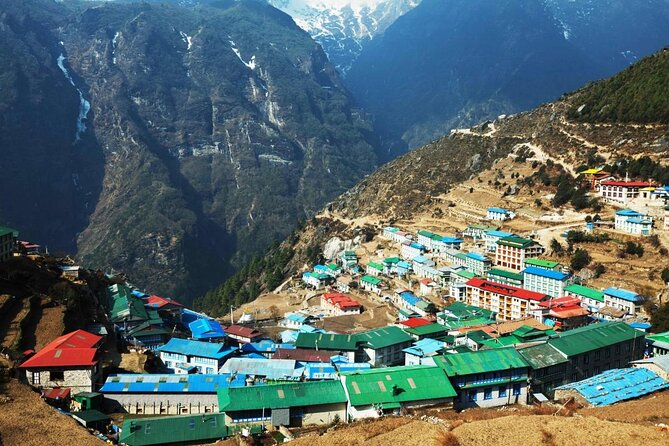
The Everest region is famous for big views, but what makes this trek feel human is how much time you spend around Sherpa villages. In this plan, you don’t just pass through; you stop in places connected to everyday life and the Sherpa migration history in this region of Sagarmatha National Park.
Khumjung and Khunde are built into the itinerary as a day-hike format. That helps you do two things at once: you get higher altitude exposure while staying within a “move gently” zone, and you pick up context about community, monasteries, and local life. When you later look up at higher peaks, you’re not only seeing rock—you’re also remembering the people and stories that live below those ridgelines.
If you’re traveling as a couple or with a family group, this is also a good part of the trek to enjoy together. Day hikes are usually flexible. You can take slower breaks without derailing the whole week.
Tengboche and the monastery pause: a mental breather at altitude
Day 6 takes you from Namche to Tengboche (listed at 3,860m) in about five hours, with a monastery visit. This kind of stop is more than a box tick. Monasteries in this region often give you a quiet moment when your legs feel like they’re working overtime and your lungs feel like they’ve joined a different union.
Then Day 7 moves you onward to Dengboche (listed at 4,410m) again in about five hours. This is the start of deeper altitude work, and it’s where many trekkers notice their energy changes. The good news is the plan keeps the days in a consistent rhythm, with time to rest after each walk.
One thing I appreciate here is how the itinerary uses walking time plus cultural time instead of turning the trail into a nonstop marching test. It helps you stay focused when the climb gets monotonous.
Dengboche and Nagarjun Peak: acclimatization with a purpose
On Day 8, you do a day hike to Nagarjun Peak (listed at 50,85m) for about five hours and then overnight in Dengboche. The number on the plan looks like it might be a formatting hiccup, but the intent is clear: you’re getting a higher viewpoint day without trying to sprint to Everest’s crown.
If you’re the kind of traveler who likes a “why” behind the route, this day makes sense. It helps your body adapt while giving you a higher vantage point and a stronger sense of place. You also get another chance to watch weather patterns and clouds. On later days, being able to read the sky is half the battle.
Then Day 9 shifts to Lobuche (listed at 4,910m) in about four hours. At this stage, you’re moving into the Everest corridor. The air feels thinner. Your daily pace usually slows. That’s normal. Don’t fight it.
Lobuche to Gorak Shep: getting close, then staying patient
Day 10 takes you to Gorak Shep (listed at 5,140m) in about four hours. Day 11 is the big move: trekking to Everest Base Camp (listed at 5,364m) and overnight at Gorak Shep in about six hours.
This is the part where patience pays. Base Camp is special, but it can also be busy and weather-dependent. You want to keep your energy for the full arc of the trip, not just one highlight photo. Overnight in Gorak Shep also matters because it sets you up for the Kala Pattar morning.
Practical note: at these elevations, you’ll feel the cold and the exertion more. The plan includes all meals (breakfast, lunch, dinner) and hot drinks and beverages like tea, coffee, and hot chocolate, plus treated drinking water. That support helps you avoid the tired, grumpy math of figuring out what you can afford to buy versus what you can carry.
Kala Pattar at 5,550m: the payoff day you train for
Day 12 is built around one major goal: a climb of Kala Pattar (listed at 5,550m) for about four hours, then trekking to Pheriche (listed at 4,210m) in about four hours. This is the classic rhythm of Everest-area treks: rise early for a viewpoint day, then drop in elevation to recover.
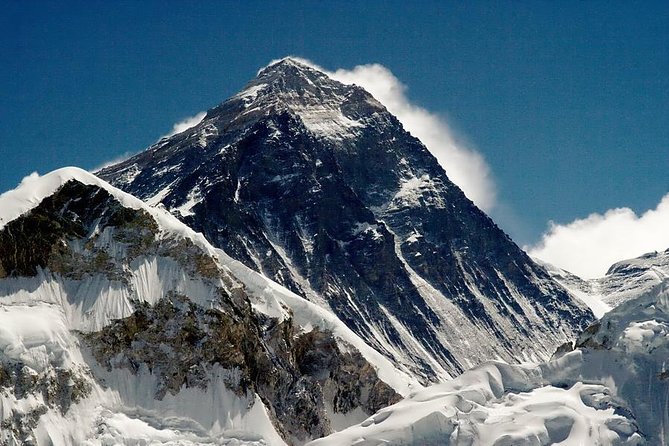
Kala Pattar is where the trek earns its reputation. Even if you’ve seen Everest photos before, the angle, the scale, and the way clouds move in that high zone tend to hit you differently. It’s also the day that can make or break your mood depending on how you manage pace and breathing.
I’m glad this plan doesn’t stop at Kala Pattar and call it finished. It gives you a descent to Pheriche afterward, which helps your body bounce back. That’s smart planning for a 17-day itinerary that still has return days.
The return down: Namche and Lukla, with one flexible “real life” day
Day 13 returns to Namche (listed at 3,440m) in about six hours. After all that high altitude time, the downhill can feel easier on paper and harder on the knees in real life. Take it slow. Shorter steps help.
Day 14 heads back to Lukla (about six hours) with evening free time. Then Day 15 includes an early morning flight to Kathmandu and a free day. Day 16 is another free day in Kathmandu that doubles as an emergency day for the Lukla–Kathmandu flight.
That “emergency day” is one of those details you’ll be thankful for if weather or scheduling delays mess with the Lukla flights. Since this trek includes round-trip domestic flights, having a backup day reduces stress. It also gives you room to recover if your body needs one extra day after all the altitude work.
What’s included (and why it adds real value)
This trek is priced at $2,000 per person, which is not cheap on the surface. But a lot is bundled here that usually costs extra or requires more planning on your side.
Here’s the value lens I’d use:
- Transportation coverage: Private airport-hotel-airport transfers by vehicle, plus round-trip domestic airfares KTM–Lukla–KTM with domestic airport taxes. Flights to Lukla are a major piece of Everest logistics, and getting them handled matters.
- Lodging coverage: Four nights of 3-star hotel accommodation in Kathmandu on twin-share BB basis. That’s your comfort buffer before and after the trek.
- Trek operations: Permits (Conservation/National Park and local/government taxes), an Experience Sherpa Trek Guide, plus support Sherpa staff and required porters. They also provide a trek duffle bag to each trek member.
- Day-to-day fueling: All meals—breakfast, lunch, dinner—and all hot drinks and beverages, plus treated drinking water. This means you can focus on eating on schedule instead of hunting for small purchases.
- Safety basics: A trek first aid kit, and insurance for guide and porters with emergency rescue support.
And one extra point I really like for real-world travel: the plan includes a farewell celebration dinner. After weeks where meals are basic and the air is thin, a proper dinner feels like a reset.
What’s not included: the stuff you should budget early
To keep the budget sane, plan for what’s not in the package:
- Your own medical/personal high risk insurance is not included, and it must cover emergency evacuation cost.
- International airfare plus major meals in Kathmandu are not included.
- Personal trek gear is not included.
- Personal expenses like calls and laundry.
- Bottle water/boiled water, soft drinks, and beers.
- Tips for the guide and porters.
- Extra costs from unforeseen circumstances.
This doesn’t mean the trip is a bad deal. It just means you’ll want to treat it like a real climbing-adjacent experience, not a cheap trek where you hope to wing it. The biggest “don’t skip” item is the insurance that covers evacuation. At Everest altitude, that’s not a theoretical concern.
Who this Everest Base Camp trek suits best
This is a private tour, meaning only your group participates. That tends to be better for families and small groups who want their pace and priorities respected. The plan is also described as a fit for moderate physical fitness, which makes sense because the route is paced over 17 days rather than crammed into a shorter, more brutal window.
I’d say this trek fits you if:
- you want a structured acclimatization flow (not just hiking harder each day),
- you value Sherpa culture stops like monastery visits and village days,
- you prefer having meals, permits, and logistics handled,
- you’re okay with cold mornings and the mental shift that comes with high altitude.
If you’re a high-experience mountaineer who wants a more independent style, you might find the support helpful but still prefer to manage more yourself. If you’re new to altitude trekking, the guided setup here is a comfort.
Should you book this 17-day Everest Base Camp trek with Dream Himalaya?
If your goal is Everest Base Camp plus Kala Pattar, with fewer logistics headaches, I think this is a strong option. The bundle is sensible: flights to Lukla, permits, guide + porters, daily meals, and hot drinks are all part of the package. That’s the kind of structure that keeps you on the trail instead of shopping for supplies at altitude.
I’d book if you’re ready to respect the pace and altitude, and if you’ll handle the one big homework item: your own evacuation-ready insurance. Also check your personal packing so you’re not relying on “maybe I’ll find it in town.”
I’d hesitate only if you know you struggle with cold, motion sickness, or altitude discomfort and you haven’t built a plan for managing those. Everest rewards consistency. This trek is designed for that, day by day.
FAQ
How do I travel from Kathmandu to the Everest area?
You fly from Kathmandu to Lukla (listed at 2,840m), then start trekking to Phakding. Near the end, you trek back to Lukla and take an early morning flight to Kathmandu.
Are permits and national park fees included?
Yes. The package includes trekking permits for Conservation/National Park plus local and government taxes.
What kind of hotel stays are included in Kathmandu?
You get four nights in a 3-star hotel on a twin-sharing basis with breakfast.
Do I need travel insurance, and what should it cover?
Yes. Medical/personal high risk insurance is not included, and it must cover emergency evacuation costs. The package includes insurance for the guide and porters with emergency rescue, but that doesn’t replace your own coverage.
Are meals and drinks included during the trek?
Yes. All meals (breakfast, lunch, dinner) are included, along with hot drinks and beverages like tea, coffee, and hot chocolate, plus treated drinking water.
What happens if the Lukla flight is delayed?
There is an emergency day in Kathmandu listed for the Lukla to KTM flight. Day 16 is free in Kathmandu and is intended to cover flight issues.