REVIEW · RISHIKESH
6 Days Phulara Ridge Trek
Book on Viator →Operated by Himalaya Shelter · Bookable on Viator
Phulara Ridge turns a walk into a full-on mountain daydream. I love the big ridge panoramas that open after a tough but satisfying descent, and I love that the trek balances forests, meadows, and quiet camp nights. You’ll sleep in proper camping setup with meals handled for you, so you can focus on the trail and the views.
A key plus for me is the support system on the ground: a certified guide, cook, and staff who keep the rhythm smooth, plus tents and sleeping gear that are clean and ready. The one thing to think about is permits and luggage—non-Indians need an extra forest permit, and porters for personal bags cost extra.
In This Review
- Key Highlights
- Getting To Sankri: The Start That Feels Like Part of the Trek
- Day 1 To Day 2: Kedarkantha Pine Woods, That One Dhaba, and Juda ka Talab
- Karsu Thatch and Bhoj Gadi: Wooden Bridges, Rhododendrons, and Yellow Wildflowers
- Phulara Ridge Day: Sunrise, a Narrow Ridge Edge, and Pushtara Bugyal
- Day 5 Descent: Taluka Village, Langoor Stops, and Wildflower Memories
- Day 6 Wrap-Up: Dehradun Return and Optional Rishikesh or Tapovan Time
- Price and Value: Why This $215 Trek Can Feel Like a Deal
- Camp Life Reality: Clean Setup, Real Food, and Sleeping Gear That Works
- Wildlife and Trail Moments You Can Actually Notice
- How Difficult Is It: Moderate Fitness, Long Days, and Altitude Awareness
- Who This Trek Fits Best (and Who Should Rethink It)
- Should You Book Phulara Ridge Trek?
- FAQ
- Where does the Phulara Ridge trek start and end?
- What time does the trek start?
- How long is the trek?
- What is the price per person?
- What’s included in the tour?
- Is a forest permit included for non-Indian passport holders?
- Are porters provided for personal luggage?
- How many travelers are in the group?
- What fitness level do I need?
- Cancellation and weather
Key Highlights
- Phulara Ridge panoramas at over 12,000 feet, with views across Garhwal ranges
- Juda ka Talab excursion from the Kedarkantha route, plus a legendary-feeling alpine lake day
- Forest-to-meadow camp changes (pine woods, rhododendrons, wildflower clearings, bugyals)
- Small group size (max 11 travelers), so the pace stays human
- Comfort details in camp: sleeping bags, mats, and dedicated kitchen/dining/toilet tents
Getting To Sankri: The Start That Feels Like Part of the Trek
The trek starts with a long but scenic drive from Dehradun to Sankri, about 8–10 hours. You pass through Uttarkashi district towns like Purola, and the Tons river adds a steady, calming soundtrack. The last stretch includes a road through Govind National Park, which matters because it sets the tone: you’re already moving through a protected Himalayan setting before you even hike.
When you reach Sankri, you get those first big mountain impressions over the Swargarohini ranges. This is also your chance to stretch your legs, wander a bit, and catch sunset. It’s not just waiting around; it’s your mental warm-up for the next mornings.
One practical note: this trip runs from 6:30 am at the meeting point in Dehradun (Prime Surgicals, Doon Plaza Complex, Gandhi Road, Prince Chowk, Paltan Bazaar area). If you hate rushing, plan to arrive early the night before so the morning feels calm.
You can also read our reviews of more tours and experiences in Rishikesh.
Day 1 To Day 2: Kedarkantha Pine Woods, That One Dhaba, and Juda ka Talab
After settling into Sankri, day 2 begins with a gentle uphill start through dense pine forest. It’s the kind of trail where you actually notice birds—treepies, woodpeckers, and drongos—because the route isn’t just a straight line to exhaustion. There’s also a point where the trees open into a clearing, and that’s where the only trek “Dhaba” shows up.
This isn’t a marketing gimmick. The trek design here seems built for small moments like that—maybe a villager greeting you with flute music, maybe just the feeling that someone locally still owns this trail. Those bits are what make the trek feel human instead of industrial.
Later, you reach Sikolta and pause for an excursion to Juda ka Talab, an alpine lake. If you like seeing a landscape switch from forest-green to open, high-view stillness, this is the payoff. Camp overnight follows, and then you resume trekking the next day.
What to watch: the days are listed as about 12 hours. That doesn’t mean all hiking is nonstop, but it does mean you should be ready for long days of moving, eating, and settling into camp. If you want a relaxed pace, this trek probably feels busy.
Karsu Thatch and Bhoj Gadi: Wooden Bridges, Rhododendrons, and Yellow Wildflowers
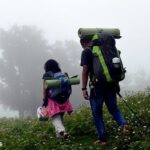
On day 3, the trail keeps the forest theme but adds character. You pass a wooden bridge and you can hear the brook beneath it, which sounds small but helps you stay present while you walk. After a short steep patch, the path opens into Karsu Thatch, described as a verdant stretch with yellow wildflowers.
Then you hit a scene that hikers love: an abandoned wooden house that looks like a postcard backdrop. I like these moments because they give your eyes somewhere to rest besides just the ground in front of you.
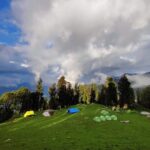
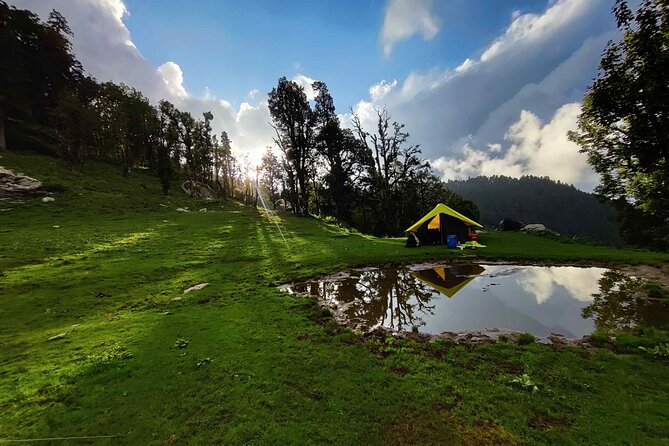
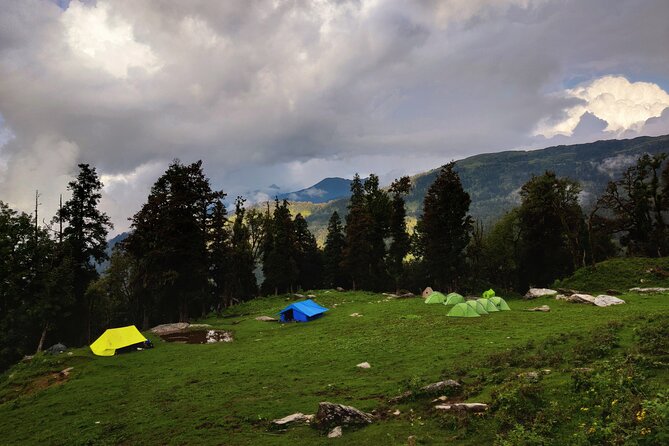
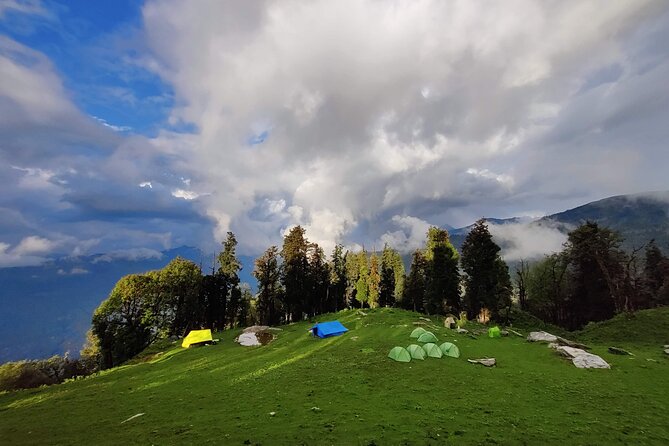
After that, rhododendrons line parts of the way, then the trail leads to the meadow campsite at Bhoj Gadi. The big image here is snow-capped peaks plus vast grasslands behind the camp. This is the kind of place where dinner tastes better because your legs and lungs finally feel like they’re working for a reason.
And yes, you’re in camping life now. The trek includes clean sleeping bags and mats, and the setup includes tents beyond just sleeping—kitchen and dining tents, plus toilet tents. That makes a huge difference once you’re living outdoors.
Phulara Ridge Day: Sunrise, a Narrow Ridge Edge, and Pushtara Bugyal
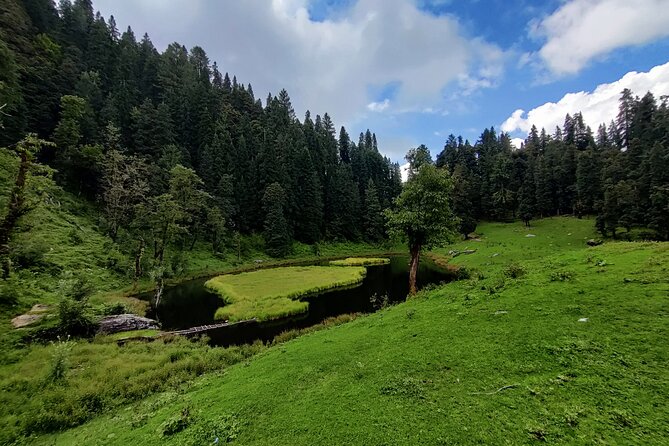
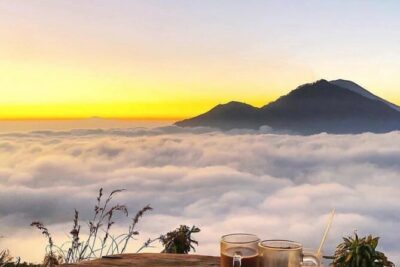
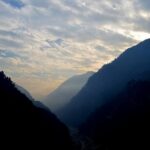
Day 4 is the headline day. You start with sunrise and then trek about an hour from Bhoj Gadi before descending toward Phulara Ridge. The key detail is the ridge itself: narrow edges that drop into valleys on both sides. This is where the view opens across a wide span—reported as around a 250-degree view—so you’ll want to slow down and take it in. Your neck might get sore from looking around, which is a very good problem.
The ranges you’ll see include Swargarohini, Kalanag, and Bandarpoonch, among others. If you like dramatic mountain geometry—peaks stacked like layers—you’ll probably keep walking just to find new angles. This is also the day that makes the earlier forest sections feel worth it.
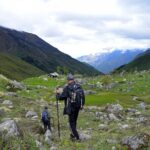
After you cross the ridge, you descend into Pushtara Bugyal (the Pushtara meadows). This is a welcome shift from ridge intensity to wide-open walking on verdant greens. You’re still exposed to big views, but the mood is calmer. Meadows also mean you’re more likely to notice how the trail changes with seasons, especially the mix of grasses and wild growth.
If you’re sensitive to heights or fear narrow paths, tell your guide early. The route is described as narrow, so you want to move slowly and safely.
Day 5 Descent: Taluka Village, Langoor Stops, and Wildflower Memories
By day 5, the trek leans toward the finish. You start descending toward Taluka village, and after crossing the Pushtara meadows you pass through forests again. This day is still scenic, but it has a different feel: it’s more about transitioning out of wilderness time.
Along the trail, you’ll notice yellow wildflowers again—these repeats help tie the whole trip together visually. There’s also wildlife: groups of langoors moving through trees. If you enjoy animal sightings but don’t want to gamble on luck, this is a nice “probably happens” moment that helps keep the walk fun.
As you near scattered settlements, you’ll eventually reach the quaint village, where friendly villagers and curious children may interact with you. A tiny part of mountain travel that I like is the human contact at the end of a long day, when everyone is tired and kind at the same time.
Then you switch from feet to vehicles: a vehicle takes you back to Sankri, where you spend the night. It’s a smart design because it prevents you from “bonking” on the final day and still keeps you feeling like you finished with dignity.

Day 6 Wrap-Up: Dehradun Return and Optional Rishikesh or Tapovan Time
Day 6 is the exit day. You head back toward Dehradun and reach it by late afternoon or early evening, so you can book your onward transport without panic. Your trip ends back at the meeting point in Dehradun, which makes it simple to plan your next steps.
If you want a softer landing after days of hiking, you can add time in Rishikesh or Tapovan. This works well because it gives you something to do that doesn’t involve altitude, long climbs, or heavy gear.
Price and Value: Why This $215 Trek Can Feel Like a Deal
At about $215 per person for roughly 6 days, the value is in what’s included, not just the price tag. You’re paying for logistics: a mini bus with an air-conditioned ride, guides and support staff, camping equipment, and a planned meal schedule. The trek also includes accommodation on the first day through the second last day on double/triple occupancy.
The camping gear list is meaningful: clean sleeping bags and mats, plus dome or A-shaped tents, kitchen and dining tents, camping stools, and toilet tents. Those details matter because they reduce the guesswork. You don’t need to bring a full camp system, and your “night comfort” doesn’t depend on luck or personal packing skills.
Two cost considerations are worth factoring in early:
- Forest permit for non-Indians: an additional INR 1000 is required for non-Indian passport holders.
- Porter charges for personal luggage: porters and mules handle camping equipment but not personal luggage. Personal luggage porter/mule costs are INR 450 per day per bag (under 12 kg).
If you’re traveling with a single light bag and you follow the luggage rules, you’ll likely feel like this price is fair.
Also, the group is small, with a maximum of 11 travelers. That usually means less waiting around, quicker decisions in the field, and a better chance your guide can adjust pace to the group.
Camp Life Reality: Clean Setup, Real Food, and Sleeping Gear That Works
One of the most praised parts of this trek is camp comfort. People specifically call out the food as awesome, and they also mention tents and sleeping gear being in perfect condition and clean. That’s not a small thing. After long hike hours, food and sleep quality can decide whether a trek feels magical or merely difficult.
The trek structure includes five dinners, four lunches, and five breakfasts. That kind of predictable schedule helps your body keep going. You’re not left hunting for meals after a long day, which keeps you from wasting energy and time.
It also helps that the team runs a professional setup: there’s a kitchen tent and dining tents, and toilet tents are included. When infrastructure exists like this, the experience feels less like roughing it and more like camping with standards.
If you’re the type who cares about comfort, you’ll probably appreciate this. If you’re the type who loves super minimalist treks, you may find the camp structure a touch more managed than you expected—but most hikers will prefer this over a chaotic “figure it out” vibe.
Wildlife and Trail Moments You Can Actually Notice
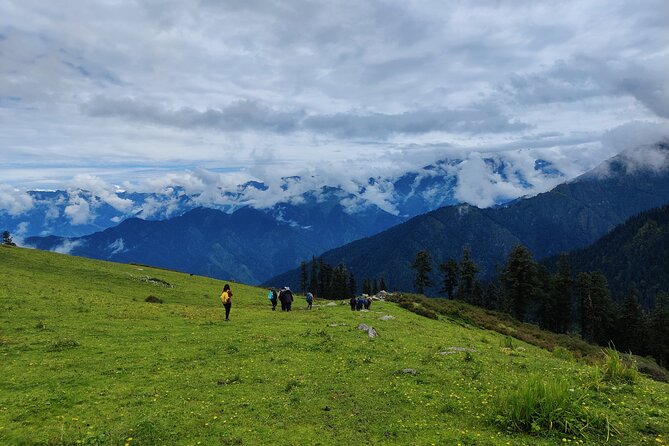
This trek gives you multiple chances to see nature instead of just walking through it. In the pine forest, you have bird activity like treepies and woodpeckers. On the trail through meadow areas, you get lots of wildflowers and rhododendron-lined stretches.
The ridge day is the best for views, but the meadow days are where you’ll feel the scale of the Garhwal range. Pushtara Bugyal in particular is described as a pleasant change after the ridge. I like treks that don’t punish you with steepness every day, and this one intentionally mixes energy levels.
You’ll likely also spot langoors while descending toward Taluka. This is one of those small wildlife moments that makes the last stretch feel less routine.
How Difficult Is It: Moderate Fitness, Long Days, and Altitude Awareness
The trek is described as suitable for travelers with moderate physical fitness. That lines up with the pattern here: long day hours (around 12 hours on several days), mixed walking terrain, and a major view day where the ridge is narrow and exposed.
The route includes heights over 12,000 feet on the ridge day. Even if you’re fit, altitude can affect breathing and stamina. My practical advice: keep your pace steady. Don’t sprint the ridge approaches. Let your body adjust and keep enjoying the scenery—your breathing will already be working.
Also, the experience runs only when weather supports it. It’s stated that good weather is required, and if it’s canceled due to poor weather, you’re offered a different date or a full refund. That means you should pack your expectations for flexibility.
Who This Trek Fits Best (and Who Should Rethink It)
This trek is a great match if you want:
- Strong mountain views with a clear “main moment” on Phulara Ridge
- A mix of forests, meadows, and alpine-lake time
- Camp comfort and meals handled for you
- A small group pace (max 11)
It may not fit if you:
- Dislike long hiking days (around 12 hours on multiple days)
- Feel uneasy on narrow ridge edges where you’ll likely want to move carefully
- Plan to bring heavy personal luggage you expect to be portered (personal luggage porter charges apply)
One more fit check: service animals are allowed, which can help some travelers feel more secure. If that’s relevant to you, mention it during booking so the team can plan accordingly.
Should You Book Phulara Ridge Trek?
I think you should book it if you want a mountain trek where the views are the main event and the logistics don’t steal your energy. The best signs for value are the included camping comfort (clean sleeping bags and mats, tents, kitchen/dining/toilet setup) and the steady staff support. If you care about organization and good food after hard walking days, this trek has the right ingredients.
I’d pause before booking if you know you’ll struggle with long days, or if narrow ridge exposure makes you nervous. Also, do the math early if you’re traveling as a non-Indian passport holder due to the INR 1000 forest permit, and if you’re carrying multiple bags.
If you want a Himalayan ridge experience that stays focused on real trekking and real mountain time, this one is worth your attention.
FAQ
Where does the Phulara Ridge trek start and end?
It starts in Dehradun at PRIME SURGICALSSHOP NUMBER 107, DOON PLAZA COMPLEX, 59, Gandhi Rd, Prince Chowk, Dhamawala Mohalla, Paltan Bazaar, Dehradun, Uttarakhand 248001. It ends back at the same meeting point.
What time does the trek start?
The listed start time is 6:30 am.
How long is the trek?
The duration is about 6 days.
What is the price per person?
The price is $215.00 per person.
What’s included in the tour?
Included items include an air-conditioned mini bus, accommodation on the first day to the second last day on double/triple occupancy, a certified guide, cook and support staff, forest entry charges for Indian nationals, clean sleeping bags and mats, tents and camp setup (kitchen, dining, and toilet tents), and porter and mule support to carry camping equipment (not personal luggage). Meals include five dinners, four lunches, and five breakfasts.
Is a forest permit included for non-Indian passport holders?
No. For non-Indian passport holders, there is an additional charge of INR 1000 for the forest permit.
Are porters provided for personal luggage?
Porters and mules carry camping equipment only, not personal luggage. Personal luggage porter/mule charges are INR 450 per day per bag (under 12 kg).
How many travelers are in the group?
The maximum group size is 11 travelers.
What fitness level do I need?
The trek is for travelers with a moderate physical fitness level.
Cancellation and weather
If you cancel up to 24 hours in advance, you get a full refund. The experience requires good weather, and if it’s canceled due to poor weather, you’ll be offered a different date or a full refund.