REVIEW · RISHIKESH
Kedarkantha Trek (Dehradun to Dehradun)
Book on Viator →Operated by Kaushik's Cafe & Trek · Bookable on Viator
Sunrise at Kedarkantha is the kind of goal you can plan for. This guided 5-day Kedarkantha Trek (Dehradun to Dehradun) mixes big mountain views with a very workable pace, plus round-trip transfers from Dehradun and meals that keep you from thinking about food all day. I like that it includes two nights in tents and two nights in a homestay, so you get variety without losing comfort. I also like that the plan is group-friendly, with a small cap of 25 travelers and real guidance on the ground, named in the reviews like Munraj bhaiya and Surendra bhaiya. One consideration: you’ll need a moderate fitness level and you should be ready for cold-weather traction needs (think micro spikes) if conditions demand it.
You’ll start at Prince Chowk, Dehradun and ride to Sankri on Day 1, then spend Days 2 and 3 trekking up to base areas before the Day 4 summit attempt timed for sunrise. The best part is how the trip builds: arrive, settle, trek to camps, then push for the summit early, then head back down for a warm lunch and an overnight rest in Sankri.
In This Review
- Key points worth your attention
- From Prince Chowk to Sankri: the real start of the trek
- Days 2 and 3: building altitude without turning it into a grind
- Day 2: Juda ka Talab and the National Park feel
- Day 3: Talkahata and Kedarkantha Base Camp
- Day 4 sunrise summit: the high point, and how the timing works
- Sleeping arrangements: tents for the experience, homestays for recovery
- Meals and the included first-aid kit: simple, useful, not fancy
- Guides and group vibe: the kind of support you want on summit day
- Price and logistics: what you’re really paying for (and what you’re not)
- Packing for Kedarkantha: traction and warmth come first
- Timing on the last day: arriving back in Dehradun
- Should you book Kedarkantha Trek with this operator?
- FAQ
- Where do I meet for the Kedarkantha Trek (Dehradun to Dehradun)?
- How long is the Kedarkantha Trek?
- What’s included in the price?
- What meals should I expect during the trek?
- Where do you sleep each night?
- Is gear included?
- What fitness level do I need?
- What’s the earliest start time for the summit day?
- What if weather is poor?
- Are service animals allowed?
Key points worth your attention
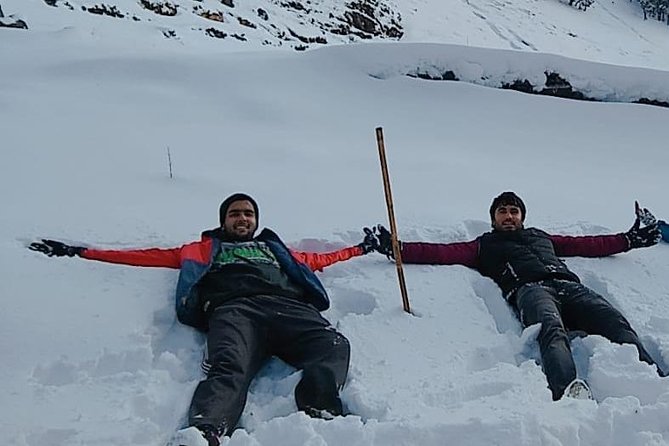
- Transfers + meals included: you’re not paying extra to keep the trek moving, and meal planning is handled.
- Tents plus homestays: two nights under canvas, then two nights in a homestay to recover.
- Sunrise summit schedule: the trek starts early so you can reach the top around sunrise timing.
- Guides make the difference: in the reviews, guides like Munraj bhaiya, Surendra bhaiya, and Amit bhaiya are praised for patience and support.
- Weather-dependent: the experience requires good conditions, so flexibility matters.
- Cold-weather gear may cost extra: micro spikes and other gear are only included if the group is big enough.
From Prince Chowk to Sankri: the real start of the trek
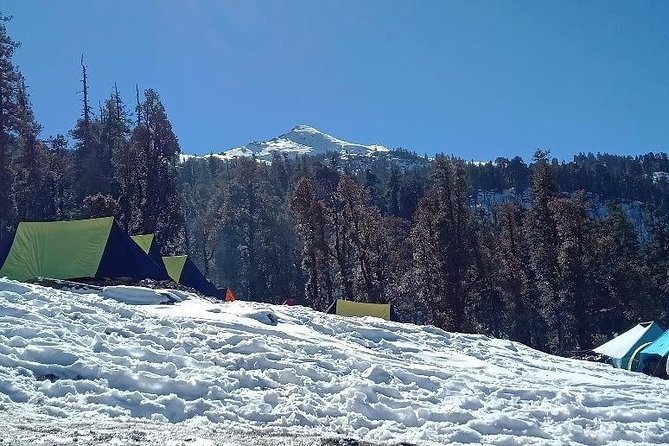
Most people think of a trek as the walking part. With Kedarkantha, Day 1 is about getting you to the right starting zone without turning your trip into a travel circus.
You begin at Prince Chowk, Dehradun during the morning window (listed hours run 6:00 AM to 8:30 AM, Monday through Sunday). Then you cover a long distance—around 200 km—to Sankri, with the drive itself described as roughly 15 hours. It’s a big day, but that’s also why the trek feels smoother overall: you’re not scrambling to arrange transport, and you arrive with the right local base already sorted.
Along the route, there are halt points where you can eat chicken bhaat and machhli bhaat (as part of the day’s stops). That matters more than it sounds. When you’re headed into the mountains, you want food that sticks with you and doesn’t leave you hunting for snacks once the trekking starts.
What to expect: a long first day, then trekking begins on Day 2. If you’re the type who needs a strict routine, bring a little patience for Day 1 travel time.
You can also read our reviews of more tours and experiences in Rishikesh.
Days 2 and 3: building altitude without turning it into a grind
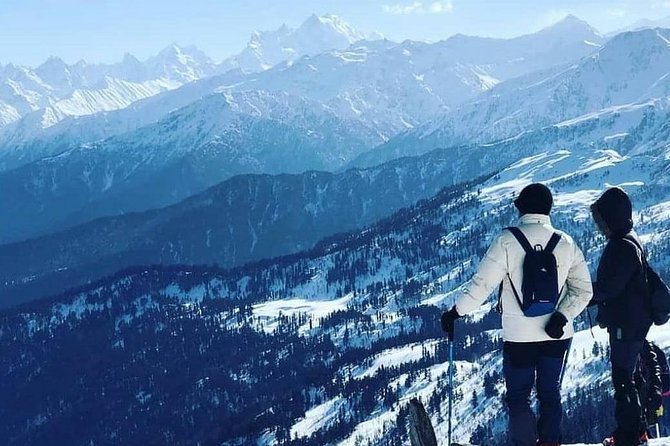
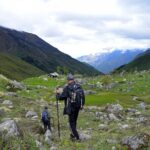
Days 2 and 3 are where the trek earns its reputation as doable for a lot of people with moderate fitness. Instead of jumping straight into a brutal ascent, you walk in stages toward base areas.
Day 2: Juda ka Talab and the National Park feel
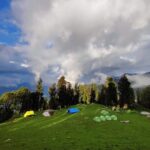
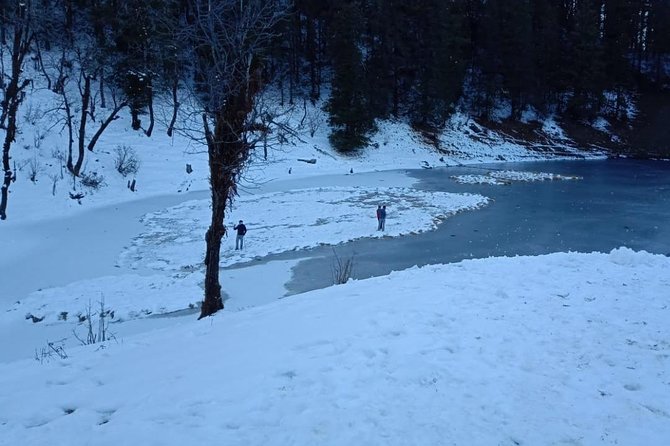
On Day 2, you trek about 4 km over an estimated 3–4 hours, reaching Juda ka Talab—your first base camp stop after arriving at Govind Pashu Vihar National Park & Sanctuary. You then retire to tents and lodge off your bags so you can settle in.
This day is a good “warm-up” in both senses. It gives you time to get your legs moving, but you’re not so exhausted that tents and rest feel like punishment. Also, being in a protected area means you’ll likely get the sense that you’re in real mountain nature, not just a single hiking corridor.
One practical tip: plan on arriving a little tired and treat Day 2 as your body’s time to adjust.
Day 3: Talkahata and Kedarkantha Base Camp
Day 3 is another staged move: roughly 3 km with a 2–3 hour trek to Kedarkantha Base Camp (Talkahata). After you reach camp, it’s the same pattern—tents, organize your stuff, and use the remaining energy for a calm evening rather than a big sprint of activities.
Why this matters: Kedarkantha Day 4 is the heavy one (summit timed for sunrise). So Days 2 and 3 are basically your foundation. If you’re thoughtful here—eat well, hydrate, sleep enough—you make Day 4 feel less like survival and more like a goal.
Day 4 sunrise summit: the high point, and how the timing works
This is the day people remember. The trek starts early so you can witness sunrise, and the plan calls for you to stay at the top for about 30 minutes to 1 hour, depending on weather, before you head back down.
That top-of-mountain window is short on purpose. You’re there for the moment and the photos, then you return for the work of staying warm and moving safely on the descent.
After the summit, you head back to Kedarkantha Base Camp for a hot lunch, then relax before continuing back to Sankri for the night in a homestay.
Why this structure is smart: you get the reward (sunrise and summit views), and then you get real recovery time. Many treks rush the day and leave you hungry and cold. Here, warm lunch and a return to homestay set you up to finish feeling human.
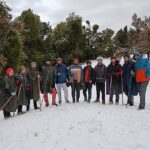

Sleeping arrangements: tents for the experience, homestays for recovery
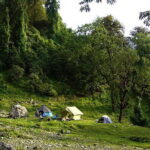
This trek uses a nice mix: two nights in a tent and two nights in a homestay.
That’s not just a comfort upgrade—it changes how you’ll feel. Tents are part of the mountain experience. Homestays are what keep the end of the trip from turning into a sleep-deprived slog. By Day 4, when you’ve done the summit attempt, being back in Sankri for the night is a big deal.
So if you’re weighing whether to tough it out the entire time, this itinerary gives you the best trade-off: you get the outdoors feel without sacrificing the chance to recover properly.
Meals and the included first-aid kit: simple, useful, not fancy
This trek includes meals in the price. You get:
- Breakfasts (4)
- Lunches (3)
- Dinners (4)
Plus snacks x 4.
That’s a practical win. When you’re trekking at altitude, you don’t want to waste mental energy figuring out meals. You want calories and you want them on schedule.
There’s also a first-aid kit listed with items like Dettol, cotton, bandaid, vicks, Saridon, Crocin, Digene, Betadine, and Volini. That doesn’t mean you should ignore safety. But it does mean the organizer has planned for common issues and minor bumps, instead of leaving you to improvise.
Guides and group vibe: the kind of support you want on summit day
The biggest difference between an okay trek and a great one is often the guide. In the feedback, guides are repeatedly described as patient and helpful—especially during tough steps.
Names that show up clearly include:
- Munraj bhaiya
- Surendra bhaiya
- Amit bhaiya
That matters for you because Kedarkantha’s Day 4 is an early-morning summit push. When the cold bites and your pace slows, it helps to have someone keeping you steady, encouraging you, and explaining what to do next. The reviews also point to a group feeling where you meet people who help run the trek and keep trekkers cared for.
With a maximum of 25 travelers, you’re likely in a group that’s large enough to feel social but small enough that guidance doesn’t disappear into the crowd.
Price and logistics: what you’re really paying for (and what you’re not)
At $108.80 per person, the value comes from what’s included versus what’s left to you.
Included that reduces your hassle:
- Round-trip transfers from Dehradun
- Two nights in tents + two nights in a homestay
- All meals (breakfast, lunch, dinner, plus snacks)
- A guide
- A first-aid kit
- A mobile ticket and group discounts (when applicable)
Not included, where you should budget ahead:
- If the group has fewer than 6 persons, certain gear may be excluded. The list mentions headlamp, trekpole, shoes, micro spikes, gaiters, and poncho/rainsuit. If the group is small, gear is available on payment of INR 700.
- Private transportation beyond the included transfers.
That gear note is important. Micro spikes, gaiters, and a headlamp are not optional for many people if conditions are icy or snowy. Even if you already own some items, double-check what you personally have so you don’t get stuck on Day 1 or Day 4.
Packing for Kedarkantha: traction and warmth come first
The trek doesn’t list a full gear list in detail, but it does flag traction and weather-ready items. So pack with a cold-weather mindset.
At minimum, think in these categories:
- Headlamp: sunrise starts early, and early mornings can mean dark footing.
- Trek poles: especially useful on ascents and descents.
- Micro spikes + gaiters: mentioned as excluded gear when groups are smaller, and they’re exactly the kind of item you’ll be glad you have if the trail turns icy.
- Poncho/rainsuit: the listing includes it as potentially excluded gear, which tells you weather can change.
- Comfortable trekking shoes: shoes are on the excluded gear list too if group size is small.
Also: the trek is described as requiring moderate physical fitness, so you should plan to walk, not just pose for photos. If you’re new to trekking, build a habit of short walks with hills or stairs before you go.
Timing on the last day: arriving back in Dehradun
Day 5 is the unwind and return. You’ll arrive in Dehradun between 2–6 pm, depending on departure timing from Sankri.
This is helpful because it means you can plan the rest of your travel without guessing too much. But it also means you’ll want to keep your energy for the final descent period. Don’t schedule a long bus connection immediately after arrival unless you’re sure you can handle delays.
Should you book Kedarkantha Trek with this operator?
You should consider booking if you want:
- A guided, group-friendly Kedarkantha trek with a structured pace
- Meals handled and tents + homestay for a balanced experience
- A summit day that’s timed for sunrise, with a realistic return for hot lunch and rest
You might rethink if:
- You don’t have the cold-weather gear you’ll likely need (especially traction like micro spikes)
- You struggle with early starts and a long Day 1 transfer
- Your fitness level is below moderate and you expect to push through without pacing
If you’re aiming for an authentic Kedarkantha experience without turning the trip into logistics, this setup is a strong match. The strongest part is the way the trip is designed around recovery: base-camp trekking first, sunrise summit, then warm food and a homestay night to reset.
FAQ
Where do I meet for the Kedarkantha Trek (Dehradun to Dehradun)?
You start at Prince Chowk, Dehradun, Uttarakhand 248001, India. The listed opening hours run 6:00 AM to 8:30 AM.
How long is the Kedarkantha Trek?
It’s listed as 5 days (approx.), ending back at the same meeting point in Dehradun.
What’s included in the price?
The price includes a guide, round-trip transfers from Dehradun, two nights in tents and two nights in a homestay, and all meals plus snacks x 4. A first-aid kit is also included.
What meals should I expect during the trek?
You’ll get Breakfast x 4, Lunch x 3, Dinner x 4, and snacks x 4.
Where do you sleep each night?
The trip includes two nights in a tent and two nights in a homestay (with the homestay stop in Sankri after the summit day).
Is gear included?
Gear is included only if the group is large enough. If there are fewer than 6 persons, items like headlamp, trekpole, shoes, micro spikes, gaiters, and poncho/rainsuit are excluded, with gear available for INR 700.
What fitness level do I need?
The tour says moderate physical fitness is required.
What’s the earliest start time for the summit day?
The trek starts early in the morning for sunrise, and you stay at the top for about 30 minutes to 1 hour depending on weather.
What if weather is poor?
The experience requires good weather. If it’s canceled due to poor conditions, you’ll be offered a different date or a full refund.
Are service animals allowed?
Yes, service animals are allowed.