REVIEW · POKHARA
Pokhara: 5-Day Ghorepani and Poon Hill Private Trek
Book on GetYourGuide →Operated by Linkage Tour & Travel · Bookable on GetYourGuide
Pokhara turns into a mountain mission fast. This 5-day Ghorepani and Poon Hill Private Trek is built around big payoff views, especially the sunrise from Poon Hill, plus a walk through rhododendron forests and picture-postcard villages. My favorite part is how the route mixes easy-going hiking with moments that feel movie-famous, without locking you into a long, strenuous schedule. One thing to plan for: this trek includes lots of stair climbing and a very early morning for sunrise.
I also like the private guide setup because it helps you keep a pace that fits you. Guides such as Paras and Bidur are known for customizing needs, sharing context about the mountains and the towns you pass through, and handling the practical stuff like ordering meals at guesthouses. If you’re the kind of traveler who hates rushing, this route’s structure can feel pleasantly gentle—until the stairs and the pre-dawn start remind you you’re still in the Himalayas.
In This Review
- Quick Hits: What Makes This Poon Hill Trek Special
- Why This 5-Day Ghorepani and Poon Hill Trek Works So Well
- Price and Value: What $187 Gets You (and What It Doesn’t)
- Your Altitude Game Plan: The Heights That Shape the Trek
- Day 1: Pokhara to Nayapul to Tikhedhunga (820–1,570 m)
- Day 2: Tikhedhunga to Ghorepani (1,570–2,850 m)
- Day 3: Sunrise at Poon Hill (3,210 m) and Then Tadapani (2,610 m)
- Day 4: Tadapani to Ghandruk (2,610–1,940 m)
- Day 5: Ghandruk to Nayapul and Back to Pokhara (1,940–820 m)
- The Private-Guide Touch: Paras, Bidur, and Real Pace Control
- Meals, Stairs, and Other Practicalities You’ll Want to Know
- Who Should Book This Trek (and Who Might Want a Different One)
- Should You Book This Private Ghorepani and Poon Hill Trek?
- FAQ
- How long is the Ghorepani and Poon Hill Private Trek?
- Where does the trek start and end?
- What is the highest altitude on this trek?
- What are the main stops and altitudes by day?
- Is accommodation included?
- Are meals included in the price?
- What’s included in the tour price?
- What’s not included?
- What cancellation options do I have?
Quick Hits: What Makes This Poon Hill Trek Special
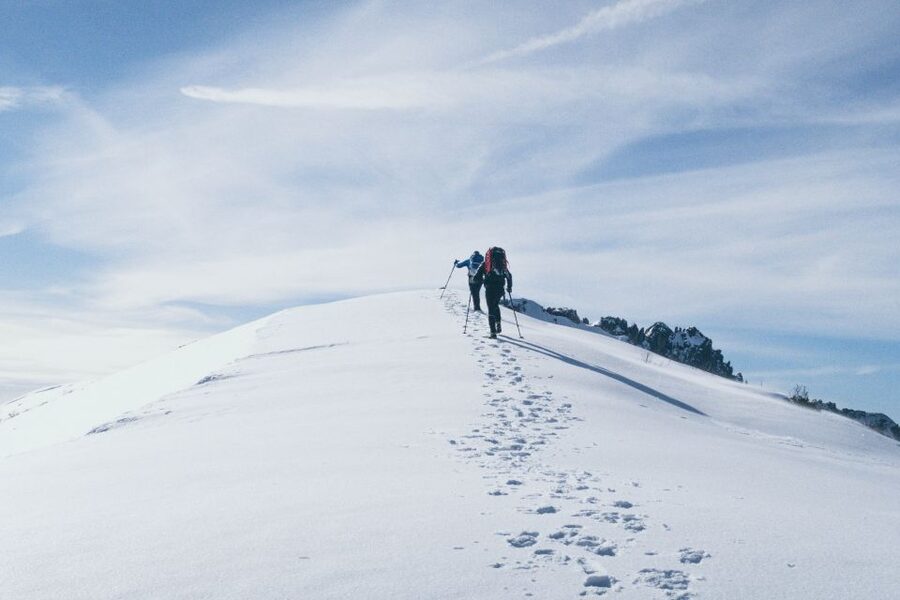
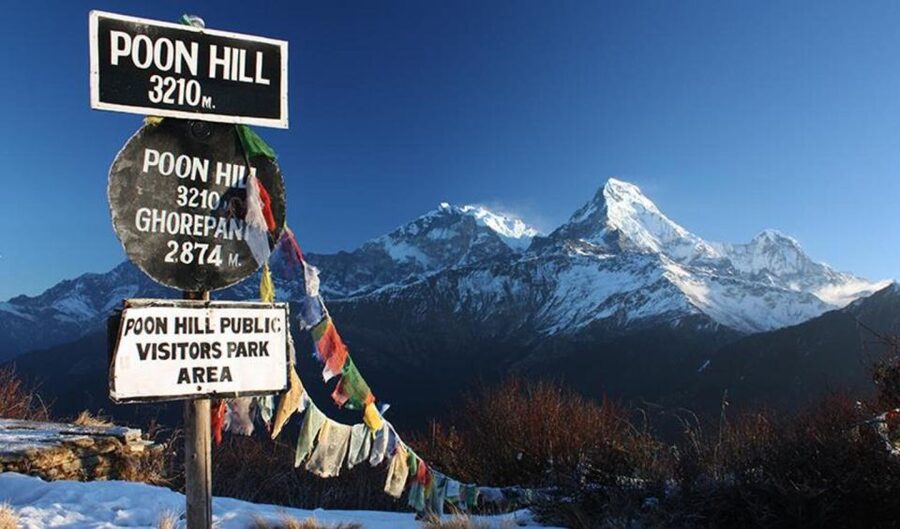
- Poon Hill sunrise at 3,210 meters: classic Himalayan viewpoints with named peaks in the mix.
- Rhododendron forests: you’ll hike through greenery that turns the trail into more than just a staircase slog.
- Ghandruk (1,940 meters): a Gurung village with traditional architecture and cultural heritage.
- Balanced day-by-day altitude changes: you go up gradually, then come down steadily by day five.
- A private, English/Hindi guide: including support for ordering meals and keeping your schedule realistic.
Why This 5-Day Ghorepani and Poon Hill Trek Works So Well
If you want the Annapurna region without giving up your whole vacation, this is one of the most practical choices you’ll find. The trek is designed as a five-day loop-style experience: a drive from Pokhara, a gradual rise into the foothills, a sunrise push, then a final descent back toward Pokhara’s lakeside life.
What makes the route work is the pacing. You don’t spend every day climbing from the lowest point to the highest point. Instead, the itinerary builds in time at different elevations, with guesthouse nights in place so you can recover, eat, and walk the next day without turning it into an all-day survival exercise.
And yes, the trail is scenic in a real way. You’ll move through terraced farmland, forests, and villages—not just a line on a map. Even the drive portion matters here because it sets you up emotionally: you start in Pokhara, then transition into trekking territory at Nayapul.
You can also read our reviews of more tours and experiences in Pokhara.
Price and Value: What $187 Gets You (and What It Doesn’t)
At $187 per person, the value comes from what’s handled for you. Your trip includes taxes and service charges, entrance fees (TIMS and permits), an English-speaking experienced guide, four nights in guesthouse accommodation, and round-trip transportation. That’s the stuff that usually turns into time-draining admin if you try to DIY the whole thing.
What’s not included is also clear: all meals are available for purchase, and rescue costs are not included. In practice, this means you should budget for breakfast and dinners during the trek days. Teahouse-style eating is part of the experience, but it’s still an added cost you’ll want to plan for.
If you like having your trekking permits and basic logistics sorted, this price often feels fair. If you travel with a strict budget for every meal, the headline price is only half the story—you’ll still need funds for meals along the way.
Your Altitude Game Plan: The Heights That Shape the Trek
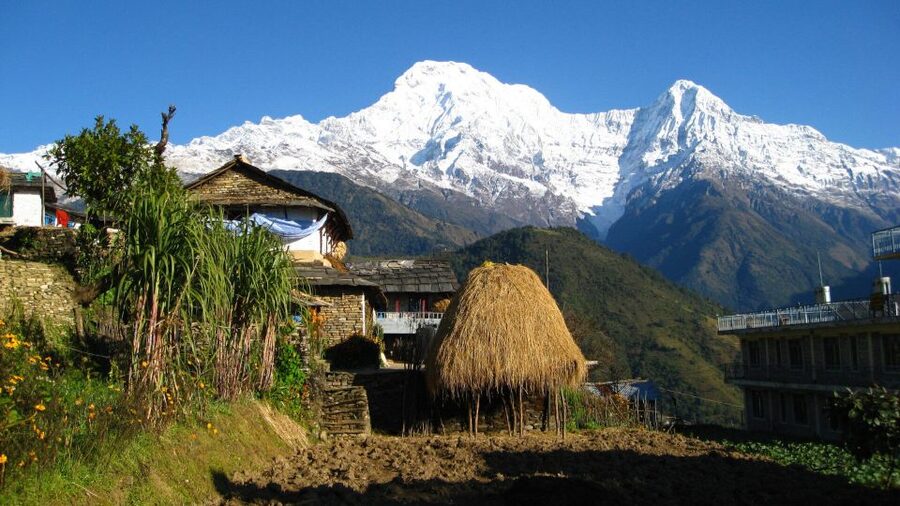
This trek’s “feel” is tied closely to elevation. Here’s the altitude flow you should visualize before you start:
- Day 1: Pokhara 820 m → Nayapul 1,070 m (road) → Tikhedhunga 1,570 m (trek)
- Day 2: Tikhedhunga 1,570 m → Ghorepani 2,850 m
- Day 3: Ghorepani 2,850 m → Poon Hill 3,210 m (sunrise) → Tadapani 2,610 m
- Day 4: Tadapani 2,610 m → Ghandruk 1,940 m
- Day 5: Ghandruk 1,940 m → Nayapul 1,070 m (trek) → Pokhara 820 m (drive)
The highest point is Poon Hill at 3,210 meters, reached early on day three. The good news: this route is commonly chosen as a relatively easy trek for limited time, and the day-to-day design keeps you from stacking too much altitude gain into one punchy day.
Day 1: Pokhara to Nayapul to Tikhedhunga (820–1,570 m)
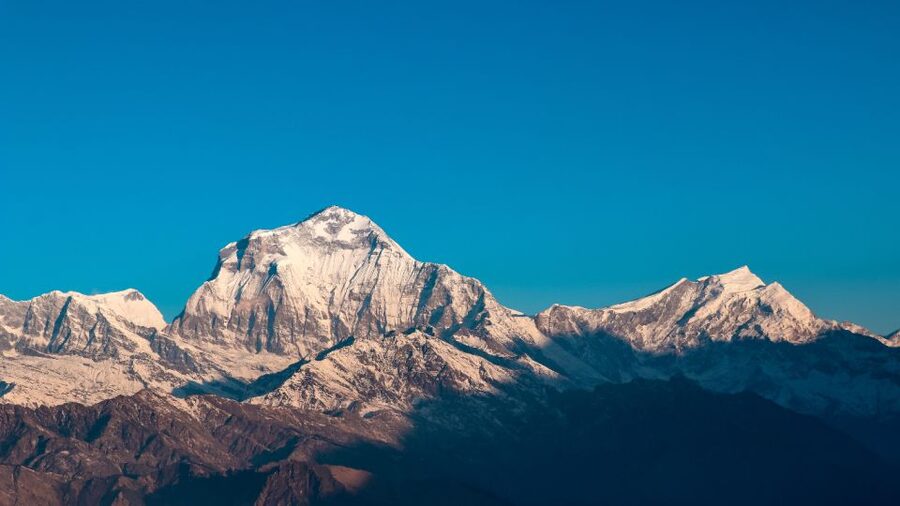
You start in Pokhara (820 m), then take a scenic drive to Nayapul (1,070 m). From there, you begin trekking toward Tikhedhunga (1,570 m). This first day is about getting your legs working while you ease into the Annapurna region vibe—villages, terraced farmland, and mountain views that show up when the trail opens.
A practical note: day one often decides whether the rest of the trek feels relaxed or stressful. If you’re prone to going too fast early, rein it in. Your guide can help set a pace that stays comfortable, and the payoff shows up later when the route asks more of you.
By night, you’re in Tikhedhunga area (1,570 m), ready for a higher day two. Guesthouse accommodation here keeps things simple.
Day 2: Tikhedhunga to Ghorepani (1,570–2,850 m)
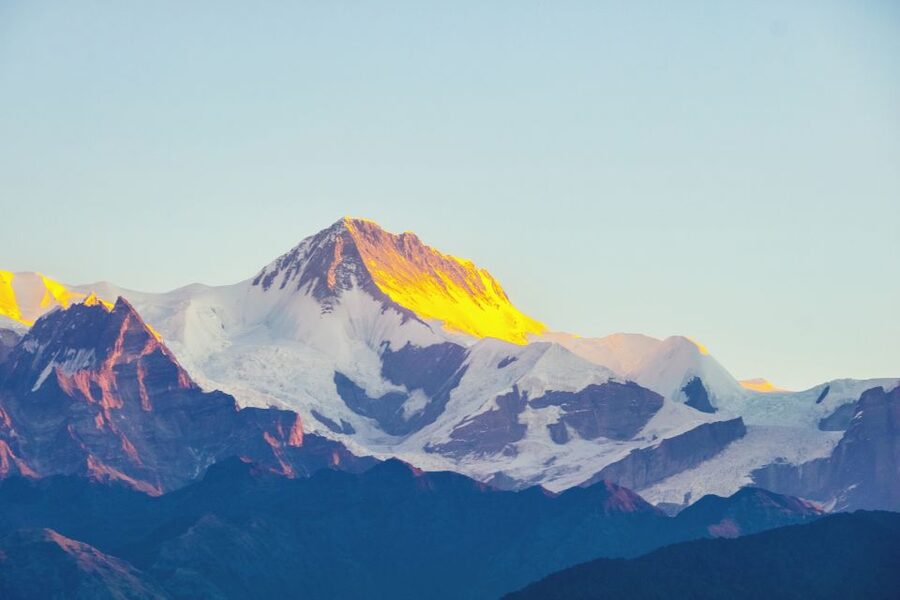
Day two is the big altitude jump: Tikhedhunga up to Ghorepani at 2,850 meters. Expect a steady trekking day that gradually changes the scenery as you rise—more views, more forested sections, and more of that teahouse rhythm where you stop, refuel, and keep moving.
Ghorepani itself is a charming base village with traditional houses and teahouses. It’s also where you benefit from the altitude jump being spread out over a day instead of slammed on you all at once. It gives you time to acclimatize before the sunrise effort.
This is also a good time to think about your sunrise plan. If you’re worried about the early morning, you’ll usually feel better once you’ve already climbed to the Ghorepani height and settled in.
Day 3: Sunrise at Poon Hill (3,210 m) and Then Tadapani (2,610 m)
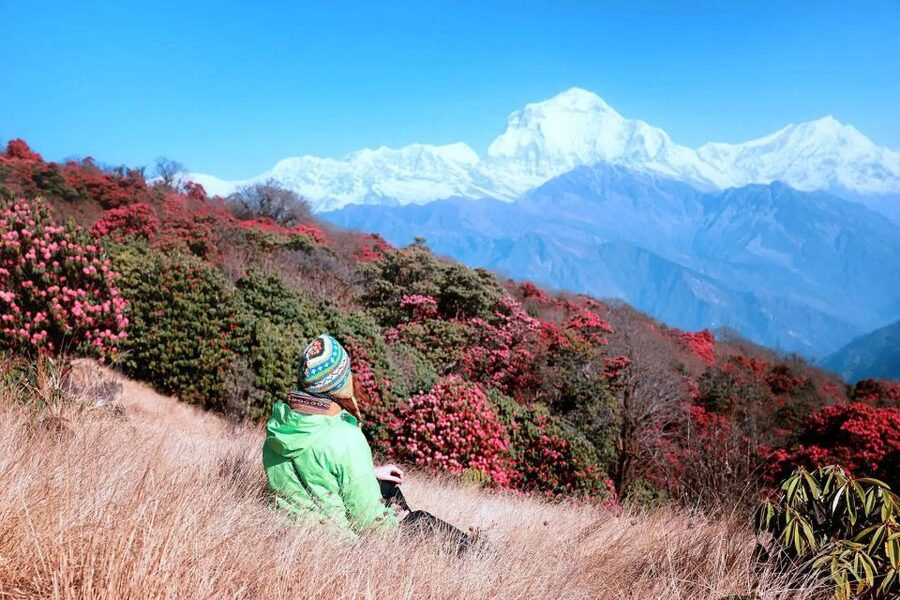
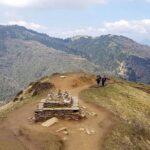
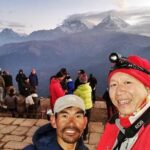
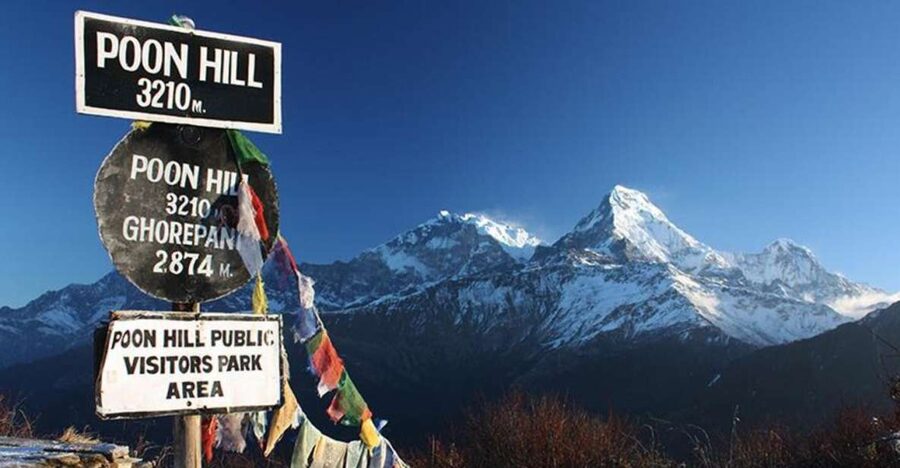
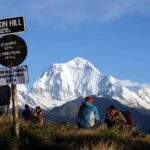
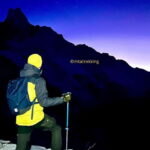
This is the day that makes the trek famous. You wake up early for a hike up to Poon Hill (3,210 meters) for sunrise, then after the views you return for breakfast and continue on to Tadapani (2,610 m).
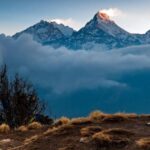
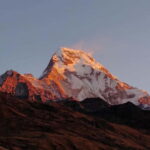
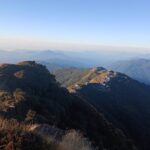
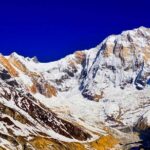
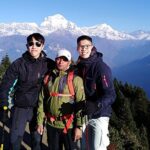
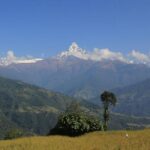
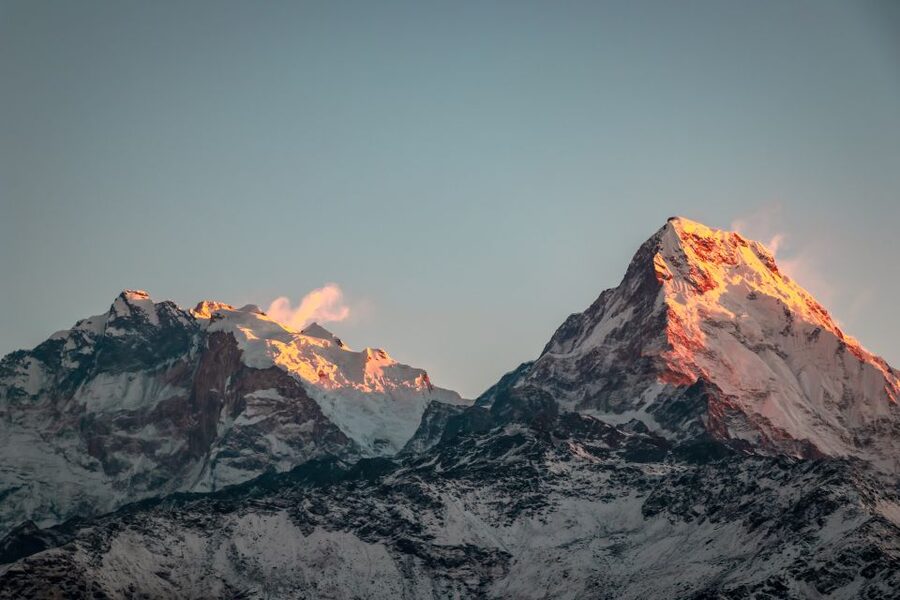
From the top, you get sweeping views of several major peaks, including Mt. Dhaulagiri, Annapurna South, Hiunchuli, and Machhapuchhre. Sunrise is the highlight, but the bigger value is how the view pulls the whole trek together. You’ve been climbing through forests and villages, and suddenly the effort lands all at once.
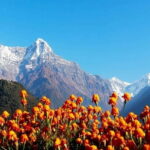
After breakfast back at Ghorepani, you shift into the afternoon trek through beautiful rhododendron forests to Tadapani. This is where the walking feels more varied. Instead of only focusing on getting higher, you’re moving through a route with personality—green, fragrant (when in season), and visually alive.
Day 4: Tadapani to Ghandruk (2,610–1,940 m)
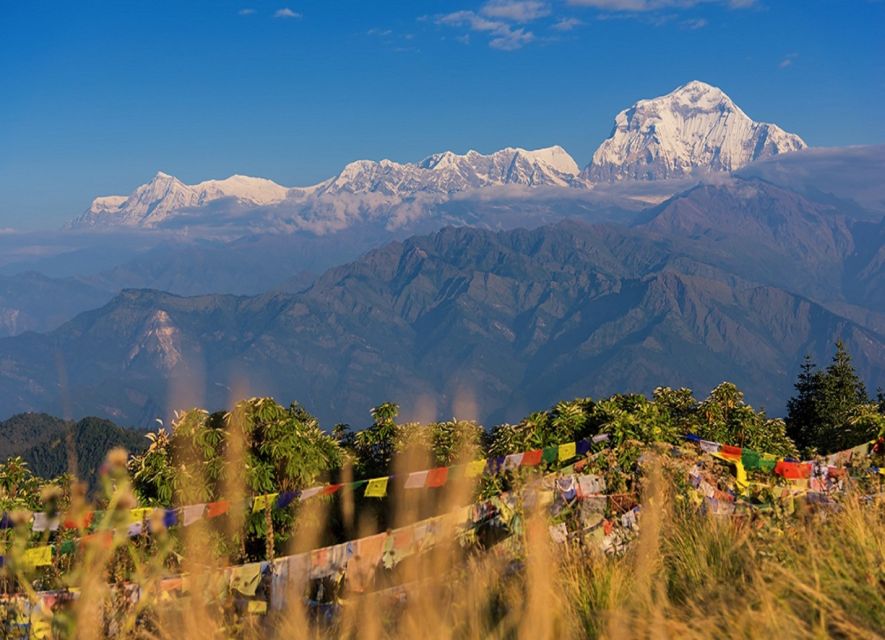
Day four drops you down in altitude from Tadapani (2,610 m) to Ghandruk (1,940 m). That descent matters. It can make the day feel easier on your body while still giving you fresh scenery and a meaningful destination.
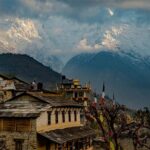
Ghandruk is a Gurung village known for traditional architecture and cultural heritage. The view from here is also a major reason people come. You’ll have strong sightlines toward Annapurna and Machhapuchhre, and the village setting gives you more than just mountain photography—you get a real sense of local life in the Annapurna region.
One of the nicest parts of a trek like this is the mix of nature and culture. Ghandruk delivers that balance: forests and trekking earlier in the trip, then a human-scale village experience at the end of the main climbing days.
Day 5: Ghandruk to Nayapul and Back to Pokhara (1,940–820 m)
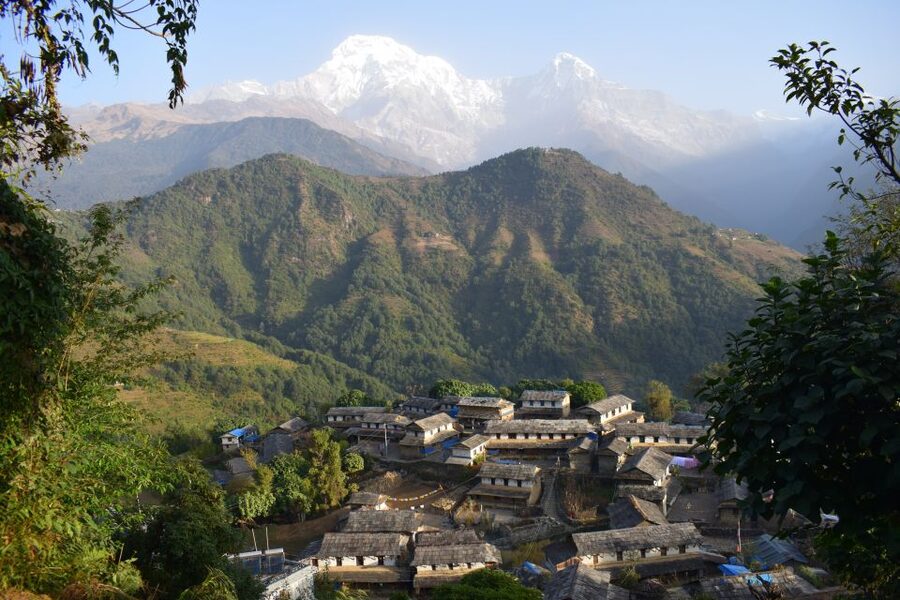
Your final day is a downhill finish: hike down from Ghandruk (1,940 m) to Nayapul (1,070 m), then drive back to Pokhara (820 m). This is the “reset day” where your body catches up and you remember you’re basically headed back to civilization.
Even though it’s the last day, don’t assume it’s effortless. Stairs and descents can still feel like work, especially if your knees are sensitive. The good part is the end is clear—one more push, then you get your familiar Pokhara routine again.
Once you’re back in Pokhara, you can relax and enjoy the lakeside city atmosphere. After five days of mountain air and guesthouse rooms, even a simple evening walk feels earned.
The Private-Guide Touch: Paras, Bidur, and Real Pace Control
What sets a private trek apart from a mass-group scramble is control. You can slow down. You can stop for photos without feeling like you’re holding up a line of strangers. That matters most on a route with lots of stair climbing and a very early morning.
In the experience, guides like Paras and Bidur come up again and again for a reason. Paras is described as great at customizing the trip to needs, while Bidur is praised for explaining mountains and the names and language behind towns you pass through. That kind of context changes how you look at the same view. It’s no longer just a pretty mountain—it becomes a story tied to place.
There’s also real practical support. Bidur is noted for helping order meals and handling details at restaurants and home stays, including helping with Wi-Fi. Another person mentioned Patrik as part of the planning conversation from home before arriving in Pokhara. If you like someone sorting out the small stuff so you can focus on walking, this setup fits that style well.
Guides speak English and Hindi, which is a big deal if you want explanations (and not just directions).
Meals, Stairs, and Other Practicalities You’ll Want to Know
This trek runs on teahouse and guesthouse logic, with meals available for purchase. That’s normal for this kind of route, but it does mean your budget needs a little flexibility each day. A guide can often help you order and avoid menu confusion, which keeps things smooth, especially when you’re tired.
The other headline practical issue is effort. One of the strongest pieces of feedback for this trek is to be prepared for a lot of stairs. Even if you’re an active person, stairs can be wearing when you’re carrying energy at altitude. Plan on taking breaks. Let your guide set a pace that feels sustainable, not heroic.
Finally, you’ll do a sunrise hike that starts early enough to require mental switching gears. If early mornings are a struggle for you, you can still do this trek—but treat it as a priority, not an afterthought.
Who Should Book This Trek (and Who Might Want a Different One)
This trek is a great fit if you want:
- A short five-day trek in the Annapurna region
- The famous Poon Hill sunrise experience
- Cultural time in Ghandruk with Gurung village life
- A private guide who can help manage pace and practical decisions
It might be less ideal if you hate stairs or early mornings and want a trek that feels like a gentle stroll every day. The route is described as relatively easy in overall commitment, but it still asks for climbing effort. You’ll feel it most on the stair-heavy segments and on the pre-dawn sunrise push.
If your idea of a perfect trek is maximum solitude and long wilderness segments with minimal village life, you might prefer a quieter, less popular trail. But if you want the best mix of views, villages, and manageable time, this one fits the bill.
Should You Book This Private Ghorepani and Poon Hill Trek?
I’d book it if you want the Annapurna highlights without gambling on logistics. The included permits (TIMS and other necessary paperwork), guide support, guesthouse nights, and round-trip transportation remove the main headaches that usually turn treks into stressful trips.
Choose it confidently if you care about sunrise views, rhododendron forest walking, and a real village stop in Ghandruk. The private format also makes it easier to match the trek to your body, not the other way around.
If stairs and early starts are deal-breakers, then you’ll need to think harder. Otherwise, this is a strong value way to get high-impact mountain memories in just five days.
FAQ
How long is the Ghorepani and Poon Hill Private Trek?
The trek lasts 5 days.
Where does the trek start and end?
You’ll be picked up in Pokhara (from any hotel or the airport). The route includes transport to Nayapul and ends with a return drive back to Pokhara after trekking down to Nayapul.
What is the highest altitude on this trek?
The highest point is Poon Hill at 3,210 meters.
What are the main stops and altitudes by day?
Day 1: Pokhara (820 m) to Nayapul (1,070 m) by road, then to Tikhedhunga (1,570 m).
Day 2: Tikhedhunga (1,570 m) to Ghorepani (2,850 m).
Day 3: Ghorepani to Poon Hill (3,210 m) for sunrise, then to Tadapani (2,610 m).
Day 4: Tadapani (2,610 m) to Ghandruk (1,940 m).
Day 5: Ghandruk (1,940 m) to Nayapul (1,070 m), then drive back to Pokhara (820 m).
Is accommodation included?
Yes. It includes 4 nights of accommodation in a guest house.
Are meals included in the price?
No. All meals are not included, but you can purchase meals along the trek.
What’s included in the tour price?
Included items are taxes and service charges, entrance fees (TIMS and permits), an English-speaking experienced trekking guide, guesthouse accommodation (4 nights), and round-trip transportation.
What’s not included?
Meals are not included, and rescue costs in case of emergency are not included.
What cancellation options do I have?
Free cancellation is available up to 24 hours in advance for a full refund. The booking also offers a reserve now & pay later option.
If you want, tell me your hiking comfort level (stairs, early mornings, and any past altitude issues), and I’ll help you judge whether this specific 5-day pacing feels right for you.