REVIEW · CHIANG MAI
Inthanon national park, Trekking and Sightseeing in one day.
Book on GetYourGuide →Operated by Journey D Travel · Bookable on GetYourGuide
You’ll feel Thailand change when the road climbs. This one-day Inthanon trip mixes Wachirathan waterfalls with a forest hike and village visits, then finishes at culture-heavy stops up on Doi Inthanon. I like the practical flow: you get active time outside, not just photo stops.
Two things I especially liked. First, the Pha Dok Sieo Trail hike (guided, with local help) hits that sweet spot between effort and payoff, with misty forest air along the way. Second, the way Eddy (and his team, including Bass on one departure) handles the day makes history and culture feel human, not like a lecture.
One possible drawback: you’re doing a full day with walking time, and the base price doesn’t include the main park and pagoda entry costs. Add those up, and you’ll also want to watch the weather, since rainy and misty conditions can change how you experience the viewpoints.
In This Review
- Key takeaways before you go
- A nine-and-a-half-hour mix of waterfalls, hikes, and temples
- Wachirathan waterfalls and the Pha Dok Sieo Trail
- Karen hill-tribe coffee tasting and meeting local people
- Lunch at Mae Klang Luang Village
- Doi Inthanon: Thailand’s highest mountain at 2,565 meters
- Twin pagodas and the culture you can’t buy at a market
- Hmong market shopping: local products, not a speed-run
- Price and tickets: what $80 really means
- Logistics you should plan for: pickup, timing, and weather
- Should you book this Inthanon one-day trip?
- FAQ
- What is the meeting point for the tour?
- Is hotel pickup included?
- How long is the experience?
- What time does the tour start?
- What does the tour include in the price?
- What entry tickets are not included?
- Is lunch included?
- Do I need to pay for the hiking part?
- What should I bring?
- Is this tour suitable for everyone?
Key takeaways before you go
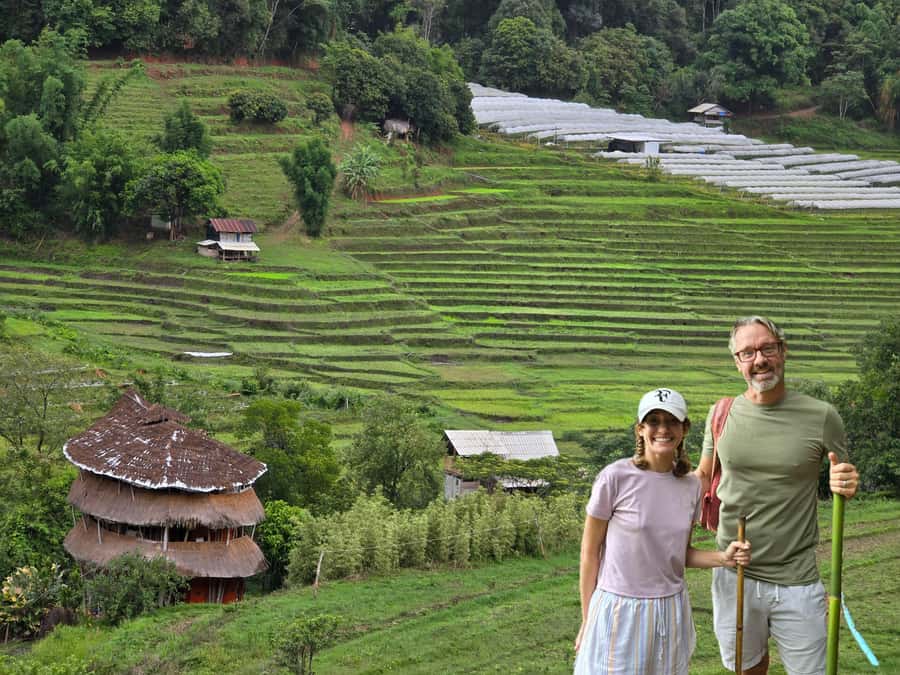
- Waterfall + trail combo: Wachirathan sets the tone, and the Pha Dok Sieo route gives you a real nature walk.
- Highest-mountain stop: Doi Inthanon tops out at 2,565 meters, so expect cool, fresh air when clouds roll in.
- Village time that isn’t rushed: Karen hill-tribe coffee tasting and local village lunch turn the day from sightseeing into culture.
- Eddy’s history focus: Guides can steer the day toward temples and stories, and Eddy has a track record for adding context.
- Bring cash for tickets: Park entry and the twin pagodas cost extra, plus there’s a hiking ticket per group.
A nine-and-a-half-hour mix of waterfalls, hikes, and temples
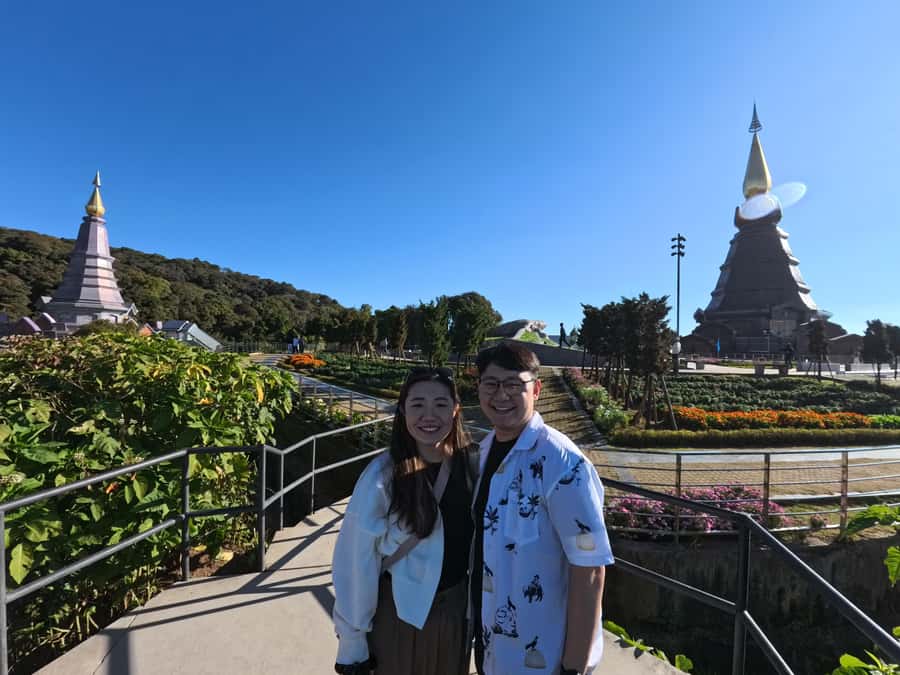
This is a long day, but it’s built to keep you moving. The schedule starts with hotel pickup around 8:00 AM (or you meet at the front of Three King Monument if you’re not using pickup), then you roll out toward the Inthanon area and the waterfall zone. You’re on the road long enough to make the trip feel like a proper excursion, not a quick half-day.
The day is paced with a few purposeful switches: nature (waterfalls and forests), then culture (Karen village and a local market), then the big “wow” points (Thailand’s highest mountain and the twin pagodas). At the end, you’re back in Chiang Mai by about 5:30 PM, which is a nice turnaround if you still want dinner and an evening stroll in the old city.
One thing I’d underline: this isn’t a purely gentle “look but don’t touch” tour. You’ll hike for about 1 hour 45 minutes on the Pha Dok Sieo Trail. That hike is the heart of the day, so plan your energy like you’re going to use real muscles, especially if rain makes the ground slick.
You can also read our reviews of more tours and experiences in Chiang Mai.

Wachirathan waterfalls and the Pha Dok Sieo Trail
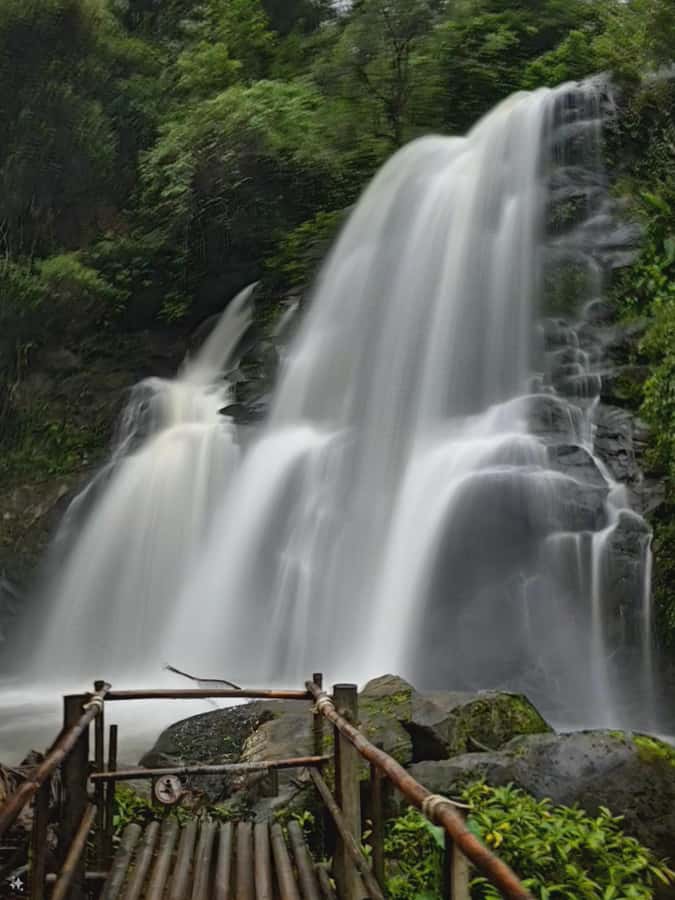
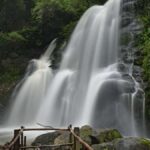
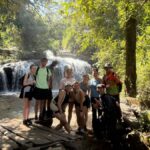
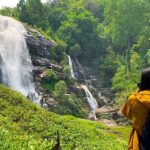
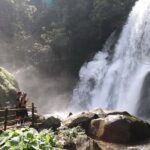
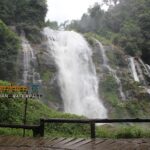
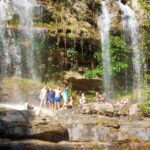
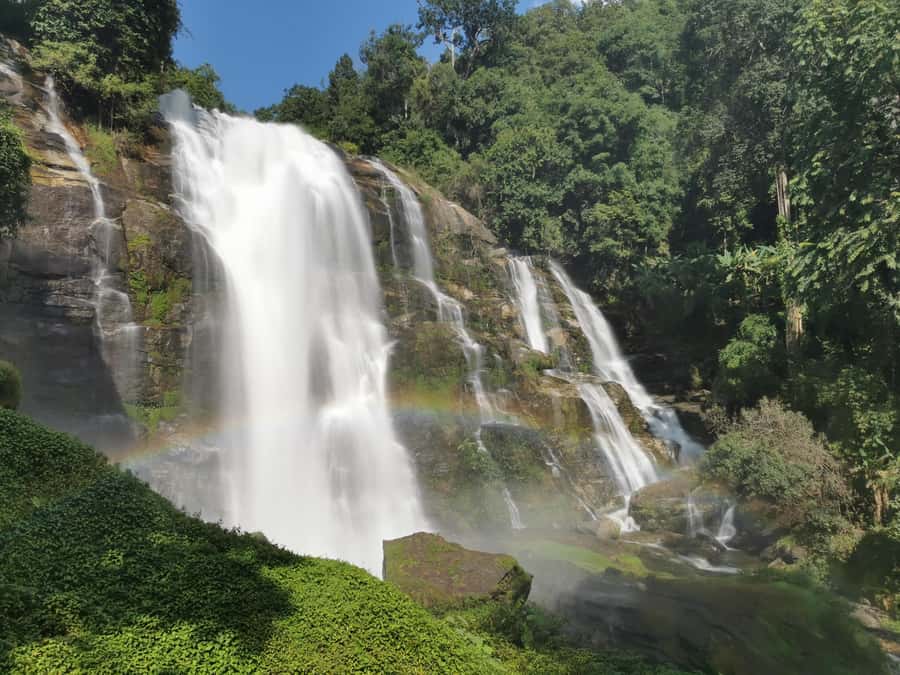
Wachirathan waterfalls are usually the first big nature moment, and it makes sense to hit them early. When you arrive around 9:30 AM, you’re set up for the classic feeling of cooler air, mist, and that constant sound of water. Even if the sky is gloomy, the waterfalls still do their job.
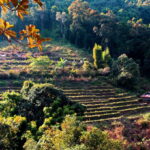
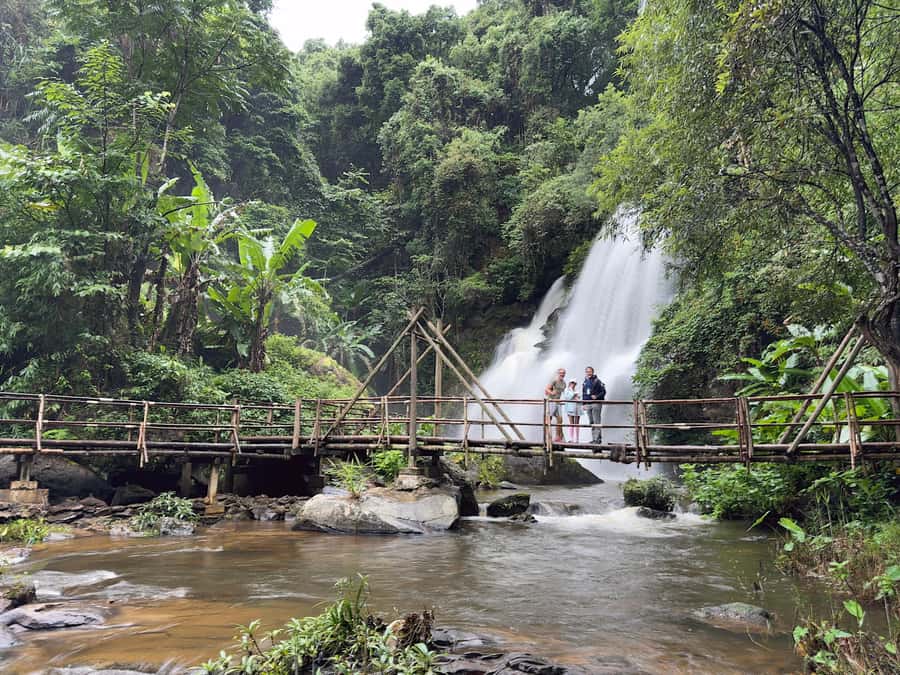
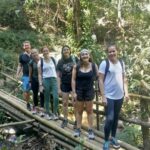
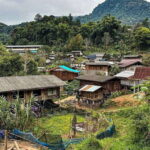
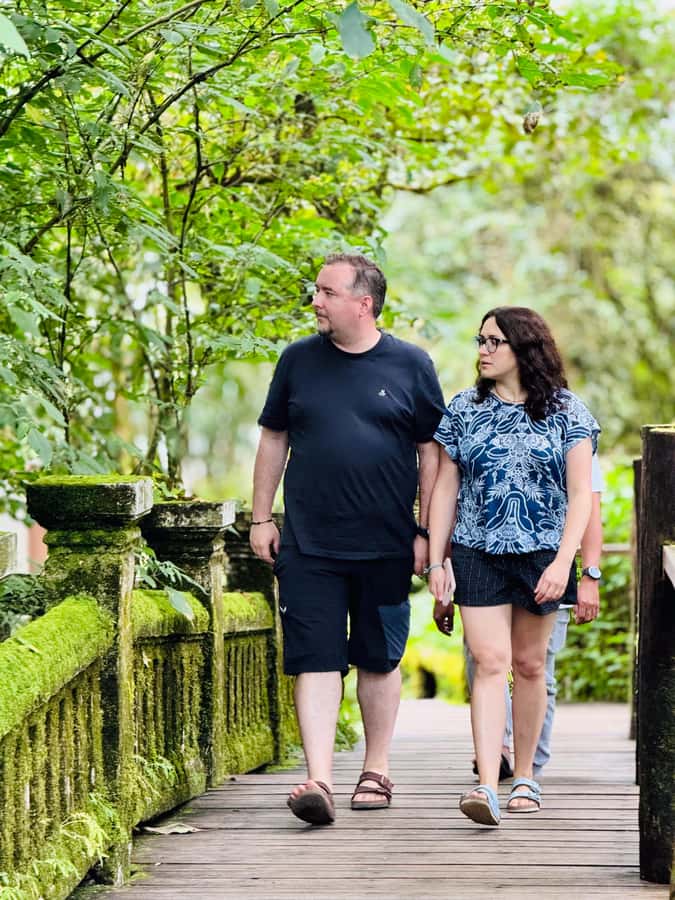
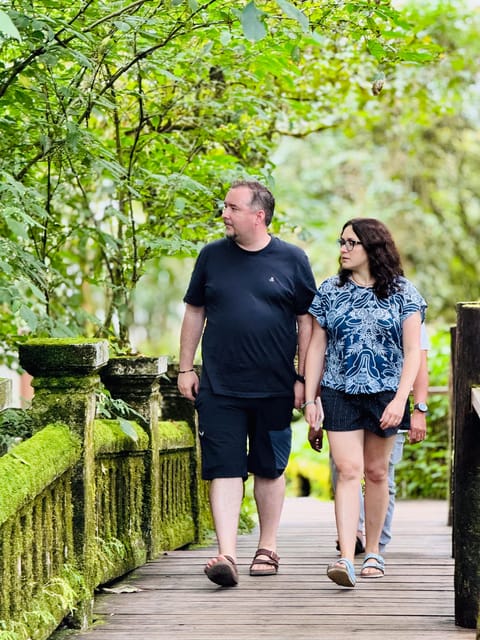
Then comes the main walking segment: a 1 hour 45 minute hike on the Pha Dok Sieo Trail. What I like about this part is the variety in the walk. You’re not only in the forest; you pass through village and agricultural areas in the valley, where you can spot the Northern Thailand style of terrace cropping. That mix helps the hike feel like you’re moving through the region, not just walking in a single ecosystem.
Bring insect repellent. Seriously. This is the kind of environment where small bites turn into a long day. Also, if you’re prone to getting cold, pack a light layer; even when the rest of Chiang Mai feels warm, the higher elevations and mist can shift temperatures.
If the weather is rainy and misty, don’t panic. One departure still ran a fantastic programme despite damp conditions, and the forest hike stayed worthwhile. Rain can reduce visibility on viewpoints, but it can also make the waterfall experience more dramatic—so you’re not automatically “ruined.”
Karen hill-tribe coffee tasting and meeting local people
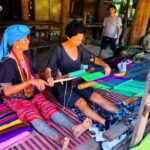
Sometime around late morning, you’ll stop at a traditional coffee plantation and taste local coffee at a Karen hill-tribe village. I like this timing because it breaks up the day nicely. It’s not a random shopping stop; it’s an “in-the-moment” culture break that fits the theme of the region’s highland communities.
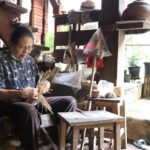
Coffee here isn’t just a caffeine moment. It gives you an easy entry point to conversation, and it pairs well with the rest of the day: forests, waterfalls, then humans adapting and living in these landscapes. If you’re the type who enjoys asking small questions—what they grow, how they process it, what daily life looks like—this stop will probably feel satisfying.
One practical tip: coffee tasting doesn’t replace lunch, so don’t treat it like a meal. Also, have cash on hand for anything that’s optional. The tour doesn’t include drinks or snacks, so you’ll want money ready if you decide to buy extra water or small treats on the go.
Lunch at Mae Klang Luang Village
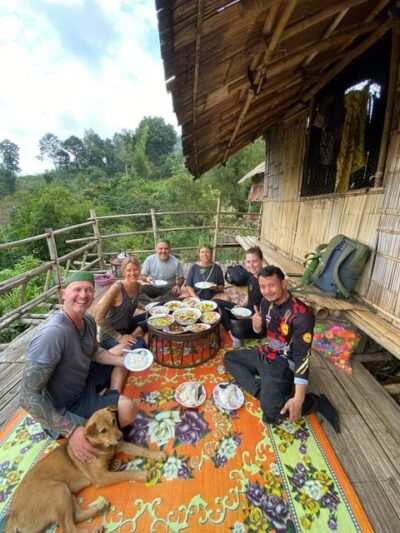
After the coffee and walking break, you’ll have lunch at a local restaurant around 12:15 PM in Mae Klang Luang Village. This is one of those stops that can make or break a day trip, and in this case it’s a solid mid-day anchor.
Lunch being included matters. When you’re spending the whole day outside, you don’t want the stress of finding food in between viewpoints. It also keeps the schedule cohesive so you’re not constantly catching up to the group.
That said, lunches in small villages can be spicy, and not every meal is designed for adventurous eaters. If you have dietary restrictions, this tour data doesn’t spell out special options, so plan accordingly and keep your expectations flexible.
Doi Inthanon: Thailand’s highest mountain at 2,565 meters
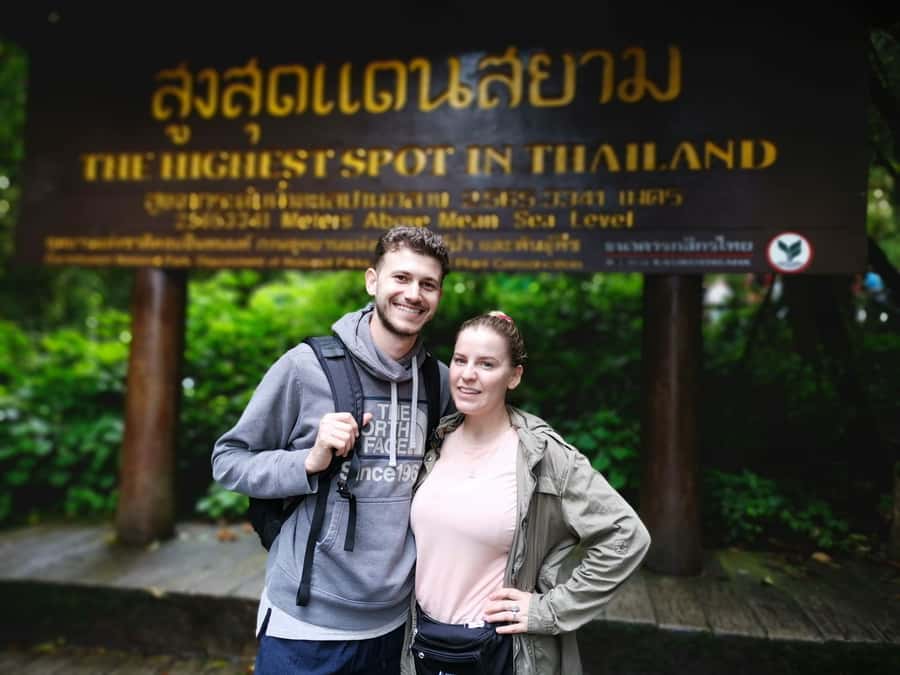
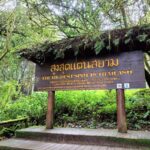
Around 1:30 PM, you’ll arrive at Inthanon National Park and Doi Inthanon, Thailand’s highest mountain at 2,565 meters above sea level. This is the altitude moment. If you’ve ever noticed Chiang Mai feels different when the air clears, you’ll get that here—cooler, fresher, and often cloud-misted.
What I like about including the highest peak area on a day like this is how it “synthesizes” everything you did earlier. You go from waterfalls and valleys to the mountain ecosystems, then you end the natural portion by slowing down enough for scenic views and a guided tour through the park’s forest variation.
Rain can wrap the mountain in fog, which can blur distant views. Still, the forest feel tends to stay strong, and your guide can keep you oriented so you’re not just standing there hoping the clouds lift. If the weather cooperates, the day can feel extra rewarding because you get both the active portion (walking) and the contemplative portion (high-elevation sights).
Twin pagodas and the culture you can’t buy at a market
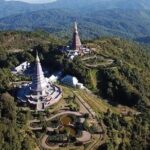
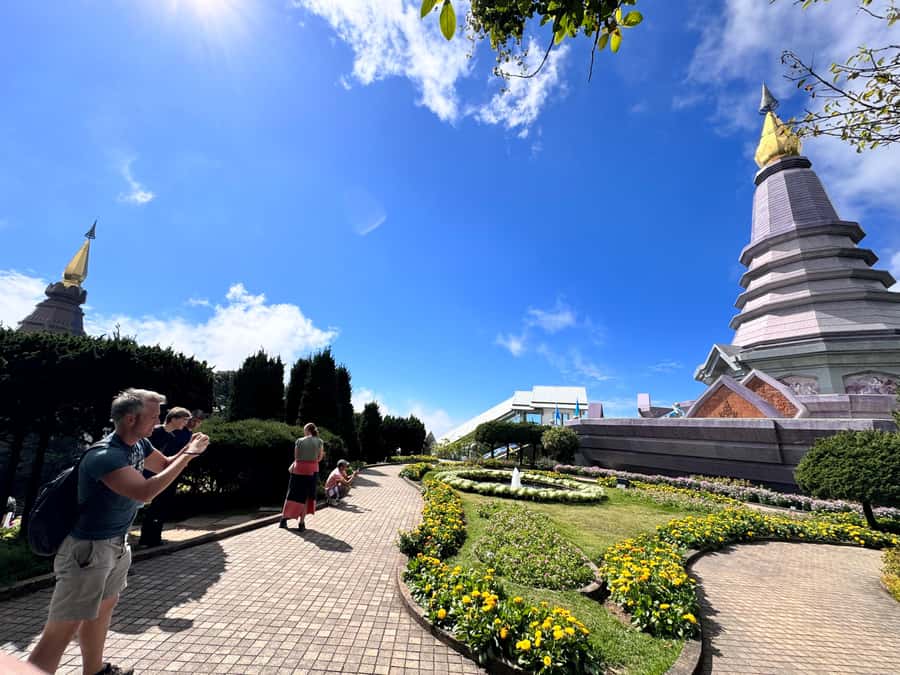
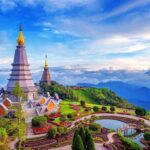
Next up, you visit the twin pagodas with tickets sold separately. These are a big cultural component of the day. The practical side: you’re paying extra for the site entrance (twin pagodas ticket), but the trade-off is that this stop connects the region’s spirituality and heritage to your earlier nature walk.
I like this pairing because it prevents “nature overload.” If your day is only waterfalls and hiking, you can end up tired and underfed on context. The twin pagodas give you a different kind of payoff: views and architecture plus meaning, explained by your guide.
Eddy’s history interest shows up here in the way the day is guided. In at least one case, his passion for Thai history turned temple stops into actual learning moments, not just quick photo time. If you’re the type who likes knowing why places exist, you’ll probably appreciate that approach.
A small practical note: because this part costs extra, it’s smart to budget ahead. The base price doesn’t include the twin pagodas ticket, so the total cost will be higher than $80 by the time you’re done.
Hmong market shopping: local products, not a speed-run
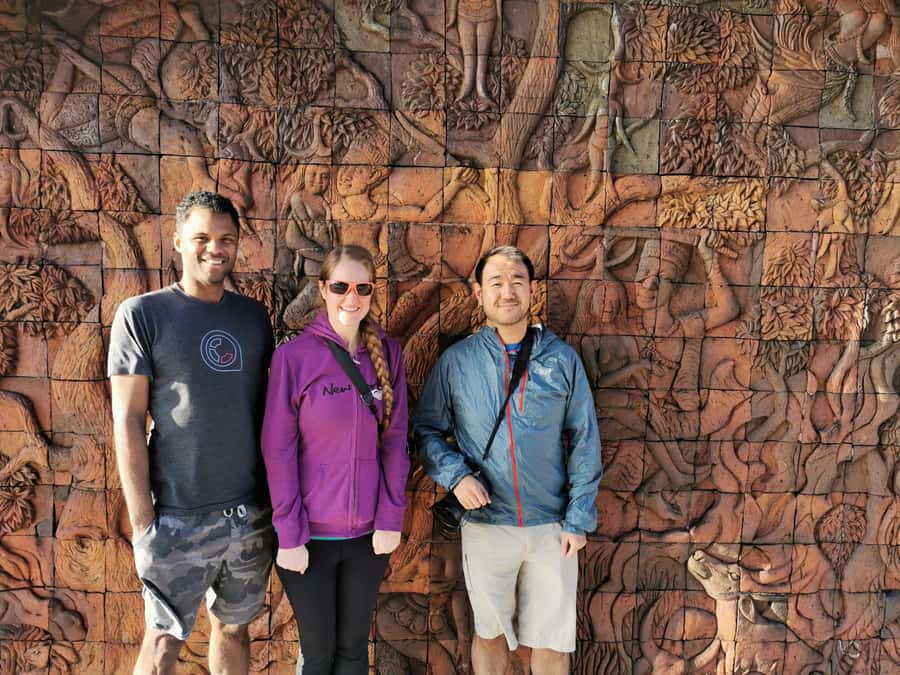
After the pagodas, you’ll head to the Hmong market around 3:45 PM. This is the final cultural shopping stretch of the day, and it’s time for browsing local products—handicrafts and small items that reflect hill-tribe life.
I generally like markets that come near the end of the tour. You’re less likely to buy impulsively at the first stall, and you’ve already seen the area’s communities earlier in the day. If you want to buy something as a souvenir with a story, this is the right time to do it.
Just keep expectations realistic. Markets are also where you might see pricing that feels tourist-driven. If you’re buying gifts or clothing, take your time, ask questions, and compare. And again: bring cash.
Price and tickets: what $80 really means
The advertised price is $80 per person and the day runs about 570 minutes (around 9.5 hours). That includes a quality air-conditioned vehicle, a guide who speaks English and Chinese, transportation, and first-class insurance.
The money math is the part you should do before you book:
- Entry tickets: 300 THB per person
- Twin pagodas ticket: 100 THB per person
- Lunch: not included
- Drinks and snacks: not included
- Hiking ticket: 330 THB per group
In other words, you’re paying $80 for the vehicle, guiding, and the structure of the day. You’re paying extra on top for park access, specific attractions, and the hike-related fee.
So is it good value? Often, yes—if you care about getting guided time with local storytelling plus a proper hike plus multiple major sights in one day. People who try to self-drive to all of these places usually end up spending time navigating, then paying separate guides or missing the parts that make the day feel connected.
Also, consider group size. The tour offers private or small groups. A small group often means fewer bottlenecks at photo spots and a better chance your guide can tailor pacing.
Logistics you should plan for: pickup, timing, and weather
Pickup is optional depending on your selected option, and the meeting point is the front of the Three King Monument. If you’re self-cycling through Chiang Mai, plan to arrive early enough to avoid stress.
Expect a full day: you’ll be out from morning through about 5:30 PM. Comfortable walking shoes matter. The hike is long enough to need foot support, and rainy conditions can make paths slippery.
Weather matters a lot in the higher parts of Doi Inthanon. You can’t control mist, but you can control preparation. Insect repellent is non-negotiable. Bring cash for entry fees and any snacks or drinks you want. Dress in layers because mountain air can feel cooler than the city.
And because this is a vehicle-based tour, the rules matter too: no smoking in the vehicle, and no drinks or alcohol inside the vehicle are allowed. Drones aren’t allowed either, so skip the drone fantasies.
Should you book this Inthanon one-day trip?
Book it if you want one day to cover real nature time plus major cultural stops, with guiding that includes context. I think it’s a great match for active travelers who don’t mind a hike, and for people who like meeting locals rather than only looking at monuments.
Skip it (or choose a gentler alternative) if you’re sensitive to long days or uneven terrain. This tour isn’t listed as suitable for wheelchair users, and it also isn’t suggested for very young children or pregnant women. Also, if you hate paying multiple add-on fees at the door, the extra entry costs can feel annoying.
If you do book, go in prepared: good shoes, insect repellent, and cash. And if your guide is Eddy, you’ll likely get a day that feels thoughtful—especially on the temple and history side, where his passion has a real effect on how the stops connect.
FAQ
What is the meeting point for the tour?
Please wait at the front of Three King Monument.
Is hotel pickup included?
Pickup is optional. If you choose pickup, you’ll be collected from your hotel lobby in the Chiang Mai area.
How long is the experience?
The duration is 570 minutes (about 9.5 hours).
What time does the tour start?
Hotel pickup is around 8:00 AM, and you’ll arrive at Wachirathan waterfalls around 9:30 AM.
What does the tour include in the price?
The price includes an air-conditioned vehicle, an English-Chinese speaking guide, transportation, and first-class insurance.
What entry tickets are not included?
Entry tickets are 300 THB per person, and the twin pagodas ticket is 100 THB per person.
Is lunch included?
No. Lunch is not included in the price.
Do I need to pay for the hiking part?
Yes. A hiking ticket is 330 THB per group.
What should I bring?
Bring insect repellent and cash.
Is this tour suitable for everyone?
It is not suitable for wheelchair users, and it’s also not recommended for very young children. People over 95 years are also not suitable based on the tour guidelines.