REVIEW · KUTA
Mount Ijen Crater Trekking Tour from Bali
Book on Viator →Operated by PT.WAHYU MANDIRI TOUR · Bookable on Viator
Blue flames are worth the long night. This overnight Mt Ijen experience sends you from Bali by ferry to East Java, then out before dawn to chase the Ijen Crater blue fire and crater views. I also like that it’s run as a limited-group tour (up to 10), so the hike doesn’t feel like a cattle drive.
The setup is very practical: you get pickup in South Bali, a local guide with safety gear (flashlight and gas mask), and a structured day that ends back in Bali with lunch and drop-off. One drawback to think about up front is the difficulty and the schedule: it’s an overnight trek with long transfers, and the ascent and descent both demand real stamina.
In This Review
- Key things I’d plan for
- Blue fire and a crater full of workers
- The Bali to East Java overnight route (starting around 5pm)
- The hike itself: about 3 km, but it’s not a casual stroll
- Summit before dawn: blue fire chance and breakfast on the mountain
- Descent stress and a late morning ferry back to Bali
- What’s included, what’s not, and how to pack smart
- Small group benefits, plus one logistics hiccup to expect
- Price and value: what $153.85 really buys you
- Should you book this Mt Ijen tour from Bali?
- FAQ
- What time does the Mt Ijen tour pickup start?
- How long is the Mt Ijen trekking experience?
- Where do they pick you up in Bali?
- What meals are included on this overnight tour?
- What should I wear or bring for the trek?
- How close can you get to Ijen Crater?
- What is the minimum age to join?
- Who should avoid this tour for health reasons?
- What if weather is bad or Ijen is closed?
Key things I’d plan for
- Limited to a max of 10 travelers, which helps keep the experience calmer on a very chaotic mountain at night.
- Hotel pickup from South Bali and a ferry transfer from Gilimanuk to East Java, landing around midnight.
- Safety briefing + flashlight + gas mask before you start hiking toward the crater area.
- Miner encounters on the route, including porters carrying heavy sulphur blocks using traditional shoulder baskets.
- Blue fire depends on conditions, and the crater viewing has a maximum 500-meter approach rule.
- Bring the right clothes for cold/windy conditions near midnight and sulphur haze near the crater.
Blue fire and a crater full of workers
Mt Ijen isn’t just another volcano outing where you hike, look, and leave. The big draw is the timing. You’re starting your hike so you reach the summit area before dawn, which gives you the best chance to see the famous blue flames—though your view is always weather-dependent.
What makes this tour feel more real is that you’re not walking through a tourist set-up. You’re sharing the route with sulphur miners who work in harsh conditions. Along the way, you’ll see them carrying sulphur blocks weighing roughly 60–80 kg with bamboo pole baskets over their shoulders. It’s not staged; it’s the kind of work you notice immediately because it looks physically punishing.
The crater viewpoint also has rules for a reason: you’re in a hazardous zone. You’ll be asked to stay within 500 meters of the crater, follow local safety restrictions, and avoid activities like littering, smoking, or lighting anything in the crater area. That matters, because it keeps the experience focused on what you came for: the view and the cultural moment of watching how the mountain’s economy works.
You can also read our reviews of more tours and experiences in Kuta.
The Bali to East Java overnight route (starting around 5pm)
This is one of those tours where the clock starts before you’re ready. Pickup begins in the late afternoon from selected hotels in Kuta, Legian, Seminyak, Jimbaran, or Nusa Dua. The official start time is 5:00 pm, but your exact pickup time is confirmed after reconfirmation.
From there, you’re transferred to Gilimanuk Harbor in West Bali. You cross by ferry to Banyuwangi area in East Java, arriving around midnight. This timing is key: it means the drive to the trailhead can happen quickly, and you’re positioned to start the hike at night rather than late morning.
One practical detail: you should expect some waiting time as the group assembles and moves together. The experience includes coordination, and that can mean a stop where you sit briefly until everyone is ready to leave. It’s not the kind of thing you can control, so plan to stay patient and conserve energy.
The hike itself: about 3 km, but it’s not a casual stroll
Your guided trek starts after a safety briefing. You’ll get equipment that’s meant for the conditions at Ijen, including a flashlight and a gas mask. You’ll also be told how to handle the environment around the crater—sulphur fumes, uneven footing, and night visibility.
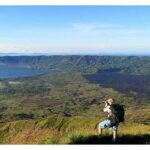
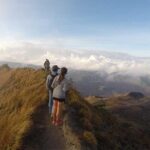
The hike distance to the summit area is listed as about 3 km (roughly 1 mile). The time estimate is 1–2 hours, and that range fits the reality of volcano terrain: some parts will feel steady, while other sections are uphill and slow. Even if you’re not a mountaineer, you’ll likely feel the altitude-like strain and the cold night air once you’ve been walking for a while.
What you’ll remember most in the dark is the human scale. You’ll meet sulphur miners during the approach. Their method is traditional: they use iron rods in their mining work and carry the sulphur using bamboo pole baskets across their shoulders. You may notice they don’t wear the kind of protective equipment that tourists get. It’s a strong reminder that this is a workplace, not a theme park.
Before you go, take the physical fitness note seriously. This tour explicitly isn’t recommended for people with heart complaints, asthma, or other serious medical conditions. The route may be short on paper, but it’s an overnight push that needs a healthy baseline.
Summit before dawn: blue fire chance and breakfast on the mountain
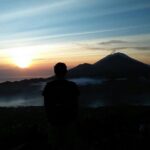
When you reach the summit area before dawn, you’re in position for the reason you signed up. The blue fire sighting depends on conditions, so you’re going to have moments of waiting and careful looking rather than instant payoff the second you arrive.
Once you’re up there, you’ll pause for a light breakfast on the mountaintop. This isn’t a luxury meal, but it’s practical fuel—especially if your body is still half asleep from the evening schedule.
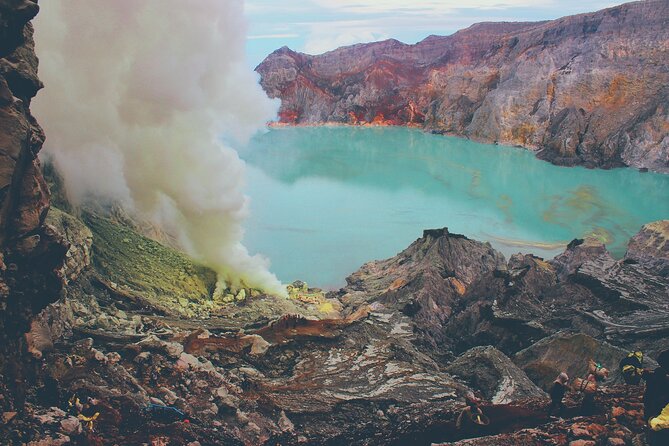
Then you’ll head down for a closer look and more photo opportunities from the crater viewpoint. The important boundary is the 500-meter maximum rule. That limit is part of the safety system, and you should follow it without trying to win an extra photo. It also affects how you shoot: you’ll want to frame around the permitted viewing area rather than expecting to get right up to the edge.
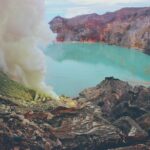
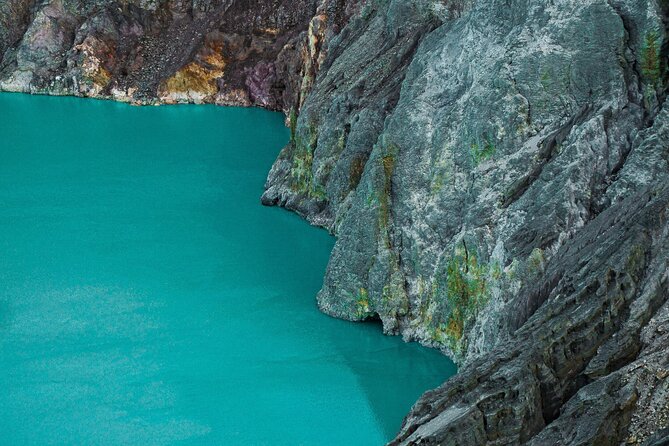
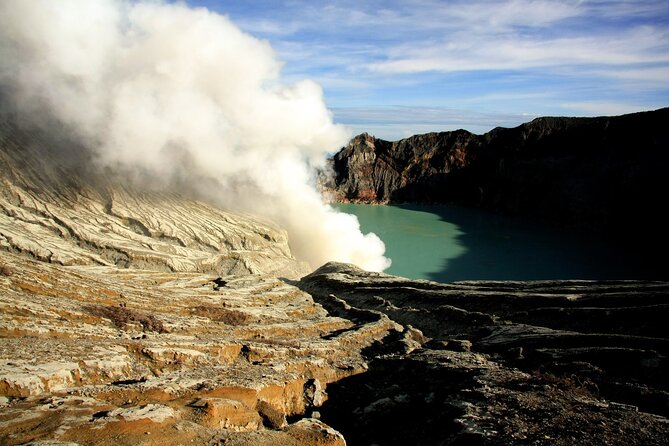
Ijen Crater is described as Java’s largest acid lake. Even without getting science-y, you’ll feel how intense the environment is once you’re standing in the right spot. The air can be sharp and hazy, and the fumes are part of why the mask matters.
Descent stress and a late morning ferry back to Bali
The descent is where the workout really shows. Even though the climb time is estimated at 1–2 hours, the going down can feel tougher because your footing changes and your body gets tired. One key review note reflected this reality: the descent into the crater area can be challenging, with difficult conditions and dramatic scenery.
After the crater stops and photo moments, you’ll transfer to Banyuwangi Harbor. The return ferry is scheduled for late morning. Then you’ll have lunch at a local restaurant before being dropped off back at your hotel in Bali during the afternoon.
That lunch is the final meal included on the tour. Drinks and dinner aren’t included, so if you’re the type who needs water breaks between meals, plan ahead. Also remember that you’re wrapping up after a long sleep-recovery cycle. Treat the afternoon as recovery time, not sightseeing time.

What’s included, what’s not, and how to pack smart
The value here isn’t just the “blue fire” idea. It’s the logistics that make it possible in one organized block.
Included:
- Hotel pickup and drop-off from selected South Bali hotels
- Driver as cum guide from Bali to Banyuwangi
- Local guide for the Mt Ijen blue fire trekking
- Light breakfast
- Lunch (Balinese food)
- All taxes, fees, and handling charges
- Safety equipment used during the hike, including a flashlight and gas mask
Not included:
- Dinner
- Drinks
Packing recommendations are very clear, and you should follow them closely because the environment shifts fast from evening air to crater fumes:
- Long pants
- Sports shoes or hiking shoes
- Sweater (jumper)
- Gloves
- Hat
- Bring own medicine
- The Ijen rule list also calls for sport wear, mask, jacket, gloves
One more tip that saves trouble: wear layers you can manage. If you start cold and warm up quickly, you’ll waste less energy adjusting clothing and you’ll hike more comfortably.
Also, the tour requires a physical baseline. Bring your own health responsibility to this one:
- Minimum age is 16 years
- Not recommended for child aged 15 and under
- Not recommended for participants with heart complaints, asthma, or other serious medical conditions
- You’re advised to bring a health certificate from a doctor, valid up to 3 days from the tour date. If you don’t have it, they may take you to a nearby doctor.
Small group benefits, plus one logistics hiccup to expect
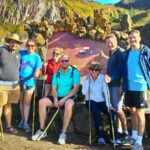
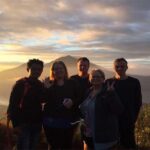
This tour caps at 10 travelers, and that matters for two reasons. First, it keeps the crater viewpoints from feeling like a crowd crush. Second, it makes it easier for your local guide to keep eyes on the group during safety-sensitive sections.
You’ll also notice how the staff handle safety during the briefing and hike. The general tone is accommodating, with an emphasis on watching out for the conditions. You should still take responsibility yourself: follow the crater approach limits and use the mask correctly.
One snag you might run into is a waiting moment before leaving on the road. It’s usually because the group has to assemble together before rolling as one unit. If you’re the type who hates delays, mentally file this under overnight-tour normal and you’ll feel calmer.
Price and value: what $153.85 really buys you
At $153.85 per person, this isn’t a bargain-basement excursion. But it’s also not only paying for a guide and a ticket. You’re paying for a full overnight chain: South Bali pickup, ferry travel from Gilimanuk, coordination into East Java at about midnight, a local guide for the crater trek, and two meals (light breakfast + Balinese lunch). Add in the included handling and taxes, and a chunk of the cost makes sense.
Where you might feel the cost is in what’s missing: drinks and dinner aren’t included, and you’ll still need to invest in the right clothing and health documents if you’re required to bring a certificate.
If you price this out as separate travel segments, you’d quickly spend time solving the same transport puzzle (ferry timing, night start, meeting points, and guide access). This tour packages that for you—so the money goes toward reducing planning friction.
Also note the calendar reality: it’s commonly booked around 5 days in advance. If you’re traveling in high season, don’t wait until the last minute.
Should you book this Mt Ijen tour from Bali?
Book it if you want a volcano experience with a strong sense of place. The blue fire chance is the headline, but what really sells the tour is the combination of predawn crater timing, the miner encounters, and the small-group structure. If you’re comfortable with night driving, cold-to-warm layering, and an overnight schedule, you’ll likely find this memorable in a way that a day trip can’t match.
Skip it (or at least reconsider) if you don’t handle long transfers well, or if your body or breathing is limited. The tour is explicit about not being suitable for people with heart complaints, asthma, or serious medical conditions. It’s also not aimed at kids or older people, and it has a minimum age of 16.
One last check: Mount Ijen is closed on the first Friday of the month for cleaning. If your dates land on that, you’ll need to shift your plan.
If you want your Mt Ijen to feel organized rather than stressful, this tour is a solid choice. Just go in with eyes open: it’s an overnight workout with real safety rules, not a relaxed walk with a quick souvenir stop.
FAQ
What time does the Mt Ijen tour pickup start?
The tour start time is listed as 5:00 pm. Your exact pickup time is confirmed after reconfirmation, depending on where you’re staying.
How long is the Mt Ijen trekking experience?
The duration is approximately 23 hours.
Where do they pick you up in Bali?
Pickup is offered from selected hotels in South Bali, including Kuta, Legian, Seminyak, Jimbaran, and Nusa Dua.
What meals are included on this overnight tour?
You get a light breakfast and lunch (Balinese food). Dinner is not included, and drinks aren’t included either.
What should I wear or bring for the trek?
The tour recommends long pants, sports shoes, a sweater, gloves, and a hat. It also lists the crater rule requirements: sport wear, hiking shoes, mask, jacket, gloves, and own medicine.
How close can you get to Ijen Crater?
You must stay within maximum 500 meters from the crater.
What is the minimum age to join?
The minimum age is 16 years. It’s not recommended for children aged 15 and under.
Who should avoid this tour for health reasons?
It’s not recommended for participants with heart complaints, asthma, or other serious medical conditions.
What if weather is bad or Ijen is closed?
This activity needs good weather. If it’s canceled due to poor weather, you’ll be offered a different date or a full refund. Also, Mount Ijen is closed on the first Friday of the month for cleaning, so avoid travel dates on that schedule.