REVIEW · KUTA
Mount Batur Sunrise Trekking with Natural Hot Springs
Book on Viator →Operated by Krisna Bali Trekking Tour · Bookable on Viator
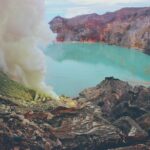
Sunrise on a live volcano sounds intense. What makes this day special is the chance to watch the light bloom from the crater rim and then soak afterward in natural hot springs that are described as sulfur-smell free. Add in the mountain breakfast cooked by volcanic heat, and you get a full morning that feels both dramatic and practical.
You’ll also like that the tour is built around not worrying about logistics. You’re picked up early and driven back and forth from key areas, and the climb is guided in a small group (up to 15). One real consideration: the start is very early—pickup is around 2:00–3:00 AM, so plan for a short night and a cold, dark beginning.
In This Review
- Key things to know before you go
- Mt. Batur sunrise: why this early start pays off
- 2–3 AM pickup and the small-group rhythm (up to 15)
- Climb to the crater rim: what the 4:00 AM trek really means
- Descent to Toya Bungkah Village and the hot spring reset
- Coffee plantation stop: a short cultural finish without stealing your day
- Price and value: is $70 a fair deal for a 10-hour volcano day?
- What to bring for a dark-to-sunrise trek
- Weather matters: how to think about cancellation and the sunrise gamble
- Who this Mt. Batur package fits best
- Should you book this tour?
- FAQ
- What time do you get picked up?
- How long is the experience?
- What time does the trek start?
- When do you reach the crater rim for sunrise?
- Is breakfast included, and how is it prepared?
- Are natural hot springs included?
- Does the tour include a coffee plantation visit?
- Is lunch included?
- What is the cancellation policy?
Key things to know before you go
- Sunrise timing at the crater rim so you’re in the right place before the sky fully wakes up
- Small group max of 15, or you can upgrade to a private tour setup
- Round-trip hotel transfers from Ubud and the main south Bali hot spots, so you skip the dark driving stress
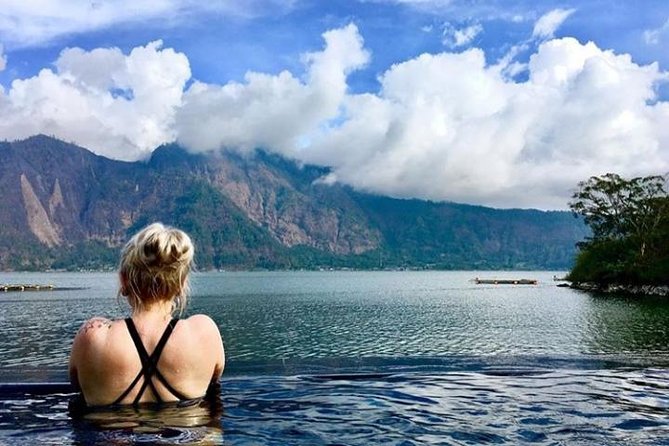
- Toya Bungkah Village stop + natural hot spring soak after the descent
- Breakfast included, cooked by volcanic heat, to keep you fueled for the climb
- Coffee plantation visit later in the day to round out the outing
Mt. Batur sunrise: why this early start pays off
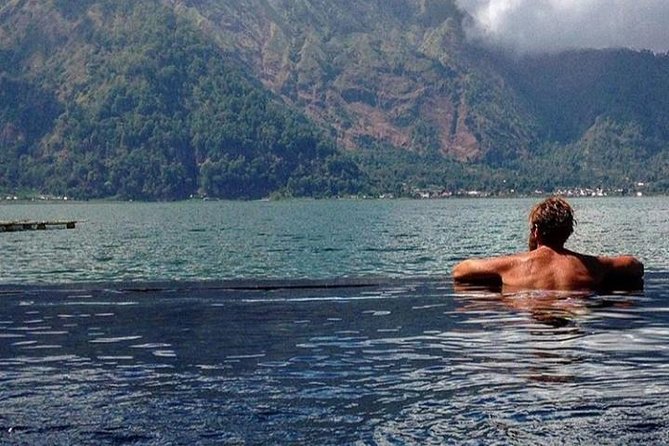
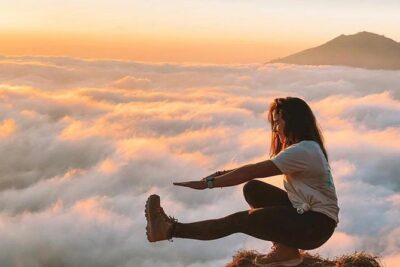
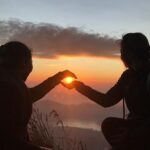
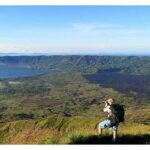
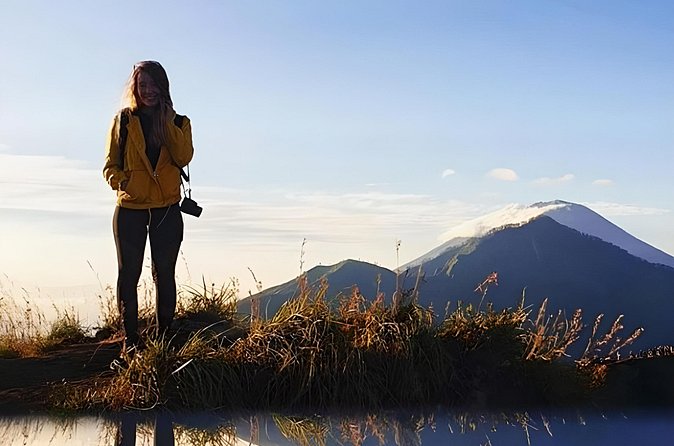
Watching sunrise from Mt. Batur’s crater rim is the main event, and it’s not the kind of view you get by accident. You’ll be aiming for a specific moment—light over the volcanic caldera—so the day has to start early and move with purpose.
I like that the schedule protects your experience. You’re guided to the summit in time, you spend the key viewing window there, then you’re guided down before the day gets too hot and busy. In other words, you’re not just hiking for hiking’s sake; you’re hiking for a precise payoff.
That early start also shapes how you experience Bali. You see a different side of the island—quiet roads, the sky turning color, and the volcano framed against darkness. It’s intense, but it feels special because it’s paced for sunrise rather than random sightseeing.
You can also read our reviews of more tours and experiences in Kuta.
2–3 AM pickup and the small-group rhythm (up to 15)
The tour is built to remove one big headache: finding your way in the dark. Pickup time depends on where your hotel is, typically around 2:00–3:00 AM, and then you’re on the road with transportation arranged for you.
The group size matters more than it sounds. With a maximum of 15, you get a social experience without feeling like cattle. You can ask questions, adjust at breaks, and keep your pace without constantly getting stuck behind a huge line.
You’ll also appreciate that the human factor shows up in the small details. In past outings, the team has included drivers like Mr. Arta who kept the long road feel friendly, and guides such as Eca noted for keeping the group’s well-being in mind. You’re not just “on a hike”—you’re being looked after from pickup to return.
Climb to the crater rim: what the 4:00 AM trek really means
The trekking day typically kicks off at 4:00 AM, after pickup. That means you’re starting in dim light, often before the sky fully clears. The climb itself is guided, and your local guide is the person who helps you stay steady—especially when footing and timing matter.
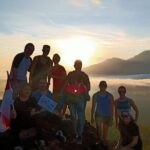
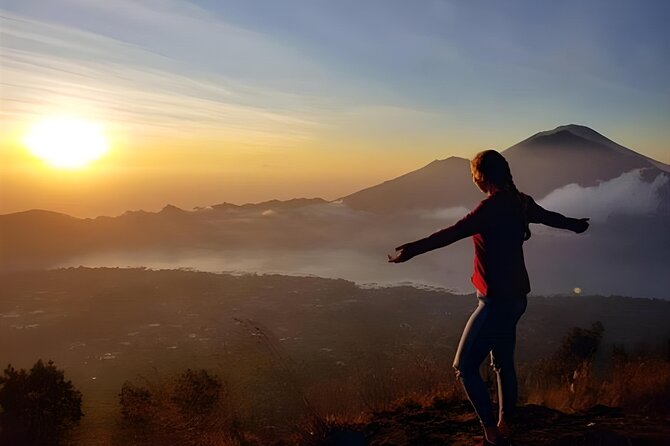
Once you arrive around 6:15 AM, the volcano view shifts from shadowy to sharp. This is where the day earns its name: you’re at the summit crater rim to witness the sunrise at the time it counts, not after you’ve rushed in late.
Breakfast is included, too, and it’s cooked by volcanic heat. That detail is more than trivia. For a tough morning start, having food ready reduces the “hangry” problem and helps you keep energy for the descent. It also makes the breakfast feel tied to the place, not like a random add-on.
Practical reality: the climb is early, and you’ll want to keep yourself comfortable from the first step. The guide is there to manage the group pace, but your job is to show up ready—good shoes, layers you can handle, and a steady mindset.
Descent to Toya Bungkah Village and the hot spring reset
After the sunrise moment, the day pivots to recovery. You’ll begin descending at about 8:00 AM and arrive in Toya Bungkah Village around 9:00 AM. That stop is important because it breaks up the day: you’re not just marching down and then immediately packing up for more driving.
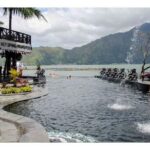
Then comes the part people usually remember best after the view: a soak in the natural hot springs. You’ll have time to relax and bathe starting around 9:10 AM. The tour is positioned as volcanic hot springs with no sulfur smell, which matters if you’ve ever had that strong, unpleasant scent ruin a soaking experience.
Why this feels like good value: after a night-before start and a steep climb, your body wants heat and downtime. The hot spring segment isn’t just “nice to have”—it’s the reset button that makes the day end on a softer note.
One consideration to keep in mind: there’s no lunch included. If you’re sensitive to timing after the hot spring, plan to eat when you can later in the day (there’s a coffee plantation stop afterward, but lunch itself isn’t part of what’s included).
Coffee plantation stop: a short cultural finish without stealing your day
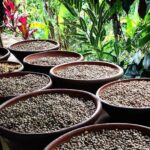
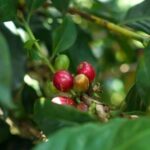
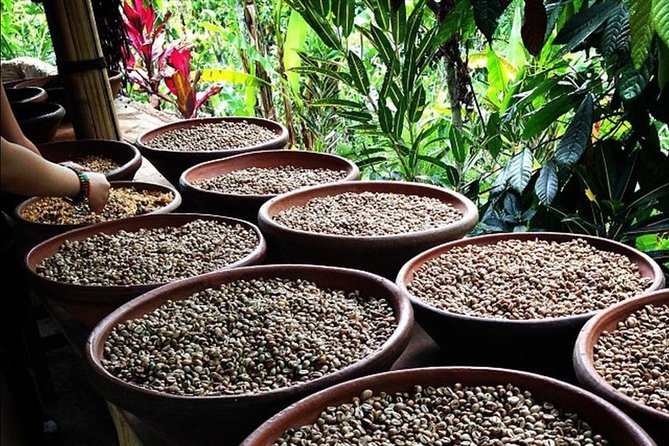
Later in the morning, usually around 11:30 AM, you’ll stop at a Balinese coffee plantation. This is a nice change of pace after the volcano and the soak: you’re off your feet, you can warm up, and you get a slice of how the island markets and produces coffee.
To set expectations: this is not positioned as a full-day coffee experience. It’s a stop—use it to stretch your legs, refuel with whatever snacks/drinks are available there, and learn enough to make the purchase or tasting feel meaningful.
If you like getting one culture stop that doesn’t overstuff your schedule, this fits well. If you prefer only active experiences, treat it as a relaxing break, not a must-see landmark.
Price and value: is $70 a fair deal for a 10-hour volcano day?
At $70 per person, the best way to judge value is by what’s bundled, not by the headline price. You’re getting:
- a local guide
- breakfast cooked by volcanic heat
- natural hot spring access
- all entrance tickets
- round-trip private transportation (pickup and return from your hotel area)
And there’s the hard-to-price benefit: you don’t have to manage early-morning driving. For a start around 2:00–3:00 AM, that convenience can be the difference between enjoying the day and just trying to survive the logistics.
You’re also traveling in a structured way. You’re guided to the summit in time for sunrise, then guided back down, and then the day flows to the hot spring and coffee stop. That kind of “handled for you” pacing is exactly what you pay for with tours like this.
The main cost you’ll likely add yourself is lunch, since it’s not included. Still, even with lunch on top, you’re generally paying for a packed day of transport + guide + key experiences rather than a basic hike with everything extra.
What to bring for a dark-to-sunrise trek
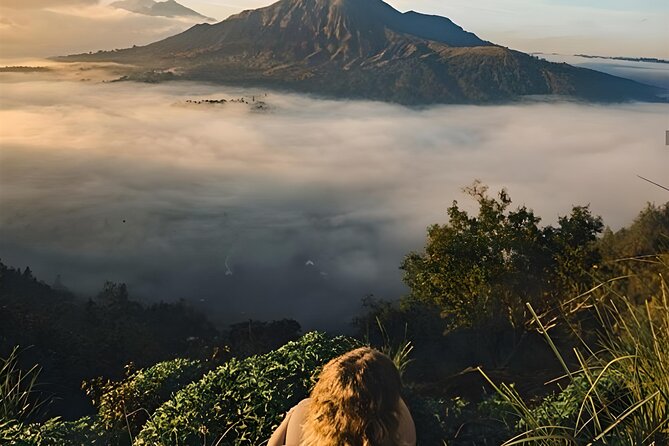
Because your day starts before dawn, comfort matters more than fancy gear. I’d plan for a big temperature swing and damp conditions that can show up early mornings in mountainous areas, even if later feels warm.
Here’s what I’d bring (simple, practical items):
- Comfortable hiking shoes with solid grip
- Warm layers you can peel off as the climb starts heating up
- A headlamp or flashlight for getting oriented at pickup and during any pre-sun light moments
- A small water bottle (you may want sips between segments)
- A change of clothes or something to dry off after the hot spring
If you’re doing the private upgrade, the logistics are similar—you’re still following the same sunrise timing. The difference is the experience feels less crowded and you may get more flexibility within your group.
Weather matters: how to think about cancellation and the sunrise gamble
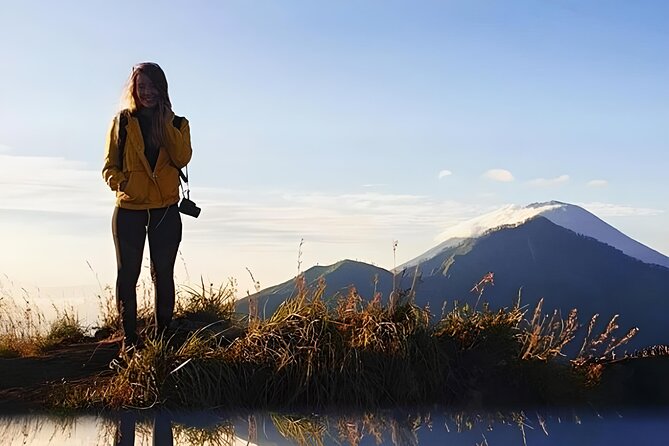
This is a weather-dependent day. The experience requires good weather, and if it gets canceled because conditions aren’t right, you’ll be offered a different date or a full refund.
Sunrise on a volcano is the kind of plan where weather can make or break the view. So I recommend you treat this like a high-visibility activity—worth doing, but not something you should tie to a single “only possible” day with a flight the next hour.
If your schedule is flexible, the odds improve that you’ll catch a clear sunrise window.
Who this Mt. Batur package fits best
This tour is a strong fit if you want:
- a guided sunrise hike without figuring out transport at 2 AM
- a volcano experience that ends with recovery (hot springs) rather than just stopping after the climb
- a small-group feel (max 15) or a private option
It’s also good for people who like the rhythm of a structured day: pickup, trek, summit moment, descent, soak, coffee stop, and return by mid-afternoon.
If you’re the kind of traveler who hates early mornings or struggles with physically demanding climbs, this may not be for you. The good news is the tour notes that most travelers can participate—but sunrise treks still require a level of stamina and willingness to start in the dark.
Should you book this tour?
Book it if you want a complete Mt. Batur sunrise day with pickup, guide, breakfast, hot springs, and key entry tickets handled for you. The $70 price makes the most sense when you value convenience and want the sunrise crater-rim moment without the stress of getting there yourself.
Skip it (or reconsider your plans) if you’re not ready for a 2:00–3:00 AM pickup or if you’re on a super tight schedule where a weather-related change would be a problem. And remember: lunch isn’t included, so plan food for after the coffee stop or bring snacks when appropriate.
FAQ
What time do you get picked up?
Pickup is usually between 2:00 AM and 3:00 AM, depending on where your hotel is located.
How long is the experience?
It runs about 10 hours.
What time does the trek start?
The trek begins around 4:00 AM.
When do you reach the crater rim for sunrise?
You arrive at the summit crater around 6:15 AM to see the sunrise from the rim.
Is breakfast included, and how is it prepared?
Yes. Breakfast is included and is cooked on the mountain using volcanic heat.
Are natural hot springs included?
Yes. After you descend and reach Toya Bungkah Village, you can relax and bathe at the natural hot springs.
Does the tour include a coffee plantation visit?
Yes. There’s a stop at a Balinese coffee plantation around 11:30 AM.
Is lunch included?
No, lunch is not included.
What is the cancellation policy?
You can cancel for a full refund up to 24 hours before the experience’s start time. The experience requires good weather; if it’s canceled due to poor weather, you’ll be offered a different date or a full refund.