REVIEW · KATHMANDU
Annapurna Circuit Trek
Book on Viator →Operated by Nepal Trail Finder Treks & Expedition · Bookable on Viator
That first high pass day is a real brain-and-body moment. This trek strings together Tibetan Buddhist villages, changing river valleys, and big mountain viewpoints like Thorong La Pass and Muktinath, with a clear, steady route plan and included meals plus a government-registered guide. One thing to plan for: the schedule includes long travel stretches and a demanding altitude day at 5,416m, so you’ll want a calm, prepared mindset.
I like that this trip handles the paperwork and the hard logistics up front. You get TIMS cards and the ACAP permit sorted, you travel with an experienced guide and porter team, and your time on the trail is supported with tea/coffee and menu-choice meals. Still, you’ll need to bring your own snacks and patience for the weather factor, since this experience depends on good conditions.
In This Review
- Key Things to Know Before You Go
- Annapurna Circuit as a Nepal Story in 14 Days
- Kathmandu Warm-Up: Pickup, Prep, and Getting Your Bearings
- Day 3 to Day 6: From Jagat Upward Toward the Higher Valleys
- Manang Days: Exploring Culture and Using Rest Day Smartly
- Higher Push: Ledar, Thorong Phedi, and the Build-Up to Thorong La
- Thorong La Pass Day to Muktinath: The Big Moment and the Descent
- Kali Gandaki Side: Tatopani Hot Springs, Marpha Feel, and the Descent Payoff
- Poon Hill and Ghorepani: Why These Viewpoints Are Worth the Effort
- Pokhara and Back to Kathmandu: A Real Transition, Not Just Travel
- Food, Tea, and What’s Included During the Trek
- Guide and Porter Team: Why Gyanu’s Approach Can Make the Difference
- Price and Value: What $1,175 Actually Covers
- Who This Annapurna Circuit Tour Fits Best
- Should You Book This Annapurna Circuit Trek?
- FAQ
- What’s included in the trek meals?
- Do I need to arrange permits for the trek?
- How much of the trip involves travel between cities and the trek?
- Is there a rest day during the itinerary?
- What’s the highest point on this itinerary?
- Is pickup offered in Kathmandu?
- What’s the cancellation policy?
Key Things to Know Before You Go
- A route that ramps up altitude step-by-step with days like Thorong Phedi (4,450m) and Thorong La (5,416m) built into the plan
- Guiding that’s more than directions because you’ll be trekking with a government-registered team and luggage support
- Big-view stops built into the descent including Tilicho Lake (as a detour option) plus Poon Hill and Ghorepani viewpoints
- Real comfort basics on the trail: tea or coffee with meals, and breakfast/lunch/dinner you can choose from menus
- Village culture stops that feel practical—Manang gives you time to explore, and the Kali Gandaki-side towns connect scenery with daily life
- Hotel nights where you need them: bed-and-breakfast in Kathmandu and Pokhara to reset before and after the trek
Annapurna Circuit as a Nepal Story in 14 Days
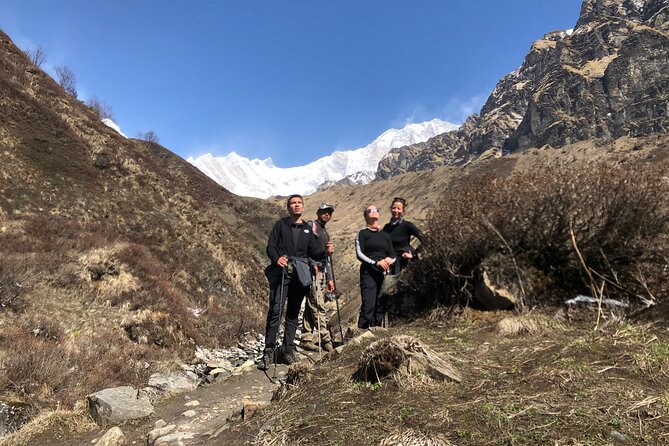
The Annapurna Circuit doesn’t feel like one long hike. It feels like moving through different versions of Nepal, day after day. You start around Kathmandu at 1,350m, work your way through warmer foothill patterns, then gradually push into colder, drier mountain country. Along the way, you’re not just walking between dots on a map—you’re passing through communities that look and act different from the last valley.
Two parts I’d highlight right away. First, you get a route that includes major “where am I now?” moments: Manang, the Thorong La Pass area, and Muktinath after the crossing. Second, you have viewpoint anchors like Tilicho Lake (listed as a stop) and Poon Hill and Ghorepani (also listed) that turn the trek into more than mileage.
One practical note: this isn’t a casual walk with frequent shortcuts. Some days are full hikes, and travel days are long. If you’re expecting a vacation that’s mostly chill, you’ll be happier adjusting your expectations: this is a trekking-and-mountain experience with comfort built in only where it matters.
You can also read our reviews of more tours and experiences in Kathmandu.



Kathmandu Warm-Up: Pickup, Prep, and Getting Your Bearings
The trip starts in Kathmandu with an arrival day and a preparation day. You’re not just dropped off. Pickup is offered, and your first full day includes sightseeing plus time for trek prep. That matters because the Annapurna Circuit is mostly about timing—what you pack, when you sleep, and how you handle early starts.
You also get your core admin handled: TIMS and ACAP paperwork is included. That’s not just convenience. It helps you avoid the stress of trying to coordinate forms while you’re jet-lagged or still figuring out Nepal logistics.
If you’re the type who likes to ask questions and get clarity, this kind of setup helps. Your guide can also help you understand the rhythm of the trek—when the days are uphill, when you’ll need to slow down, and what to expect on the big pass day.
Day 3 to Day 6: From Jagat Upward Toward the Higher Valleys
Day 3 is a long transfer: Kathmandu to Jagat by local transport, about 9 hours, reaching around 1,300m. This is where you feel the change from city pace to trekking pace. You’ll likely spend much of the day seated and then wake up the next morning ready to move.
Day 4 climbs from Jagat up toward Danakyu/Dharapani, around 5 hours, reaching about 2,300m. Day 5 continues to Chame in about 5 hours, around 2,670m. These are solid acclimatization days because the climbs are real, but they’re not the hardest day on the route. You also start seeing the kind of scenery that comes with higher elevations: thicker mountain community routes, more exposed terrain, and a different feel in the air.
By Day 6, you’re hiking to the upper Pisang area for about 5 hours up to around 3,300m. This is the point where the trek starts feeling more “high” and less “hills and valleys.” Even if you’re fit, you’ll want to keep your effort steady rather than sprinting early.
Manang Days: Exploring Culture and Using Rest Day Smartly
Day 7 moves you up to Ghyaru village and then toward Manang, about 6 hours, around 3,540m. Day 8 is a rest day to explore Manang. That rest day is a big deal on this itinerary, because it gives your body time to adjust before the higher push.
Manang itself is a useful pause. It’s not just a place to eat and sleep; it’s also where you can slow down, walk around at your own pace, and take in the Himalayan village atmosphere. You also get a buffer if your energy is a bit low that day.
You may also see a detour to Tilicho Lake built into the Manang-phase portion of the trek. Tilicho Lake is listed as a stop, and the route is designed for that kind of add-on during the higher-elevation stretch. If Tilicho is part of your plan, think of it as “worth the effort when weather is cooperating,” because lake-side conditions can influence what you enjoy most.
Higher Push: Ledar, Thorong Phedi, and the Build-Up to Thorong La
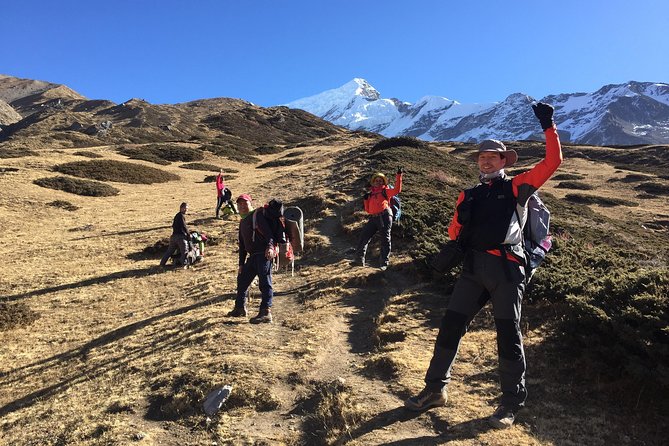
On Day 9, you hike up to Ledar for about 4 hours, reaching around 4,200m. This is one of those days where you’ll feel altitude in your breathing even if your legs are okay. The point isn’t to rush—it’s to keep moving comfortably and let the higher elevation settle into a rhythm.
Day 10 then goes to Thorong Phedi in about 3 hours, around 4,450m. Getting to Thorong Phedi matters because it sets you up for the big day. You’ll likely spend the evening thinking about gear, sleep, and pace. Don’t underestimate this: the pass day often starts very early, and good rest on the night before is half the battle.
The itinerary’s “moderate physical fitness” note makes sense here. You don’t need to be an ultra-athlete, but you do need the stamina to keep a steady hiking pace and the common sense to avoid going out too hard too fast.




Thorong La Pass Day to Muktinath: The Big Moment and the Descent
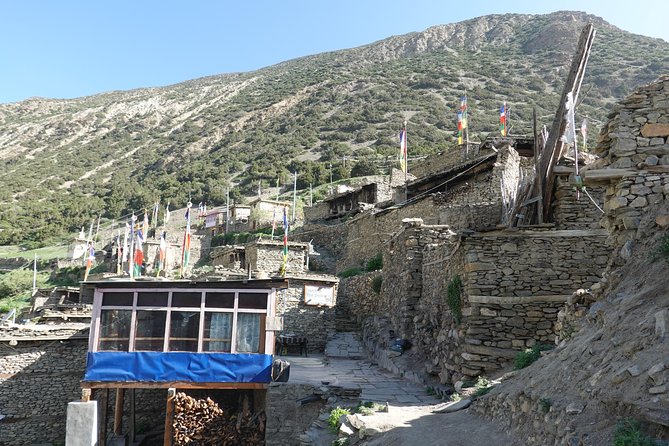
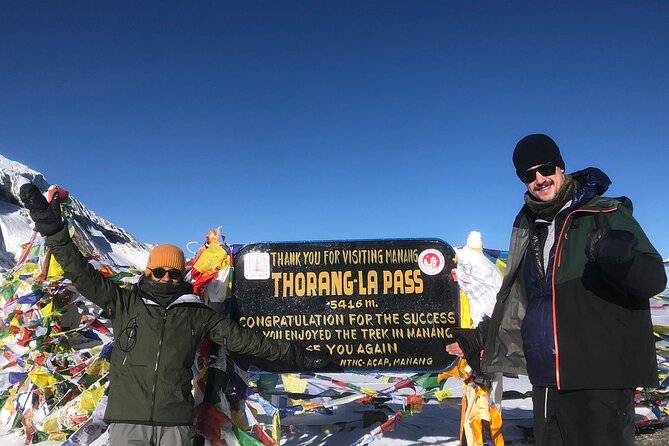
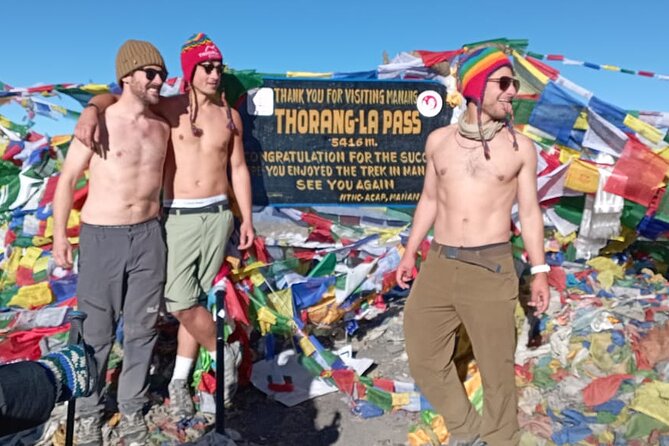
Day 11 is the headline. You hike up to Thorong La Pass at 5,416m for about 8 hours, then trek down to Muktinath. This is the kind of day where success is less about speed and more about control—slow steps, steady breathing, and listening to your body.
Thorong La is where the trek shifts fully into serious high-mountain terrain. You’ll want to have layers ready, keep wind protection in mind, and accept that visibility and conditions can change fast at high altitude. After the pass, the descent to Muktinath becomes a different kind of work—your knees will feel it, and your pace may change as the trail drops in elevation.
Muktinath is more than a checkmark. The itinerary includes the temple stop (Muktinath Temple), and that cultural anchor gives the day emotional payoff beyond just reaching a high point.
Kali Gandaki Side: Tatopani Hot Springs, Marpha Feel, and the Descent Payoff
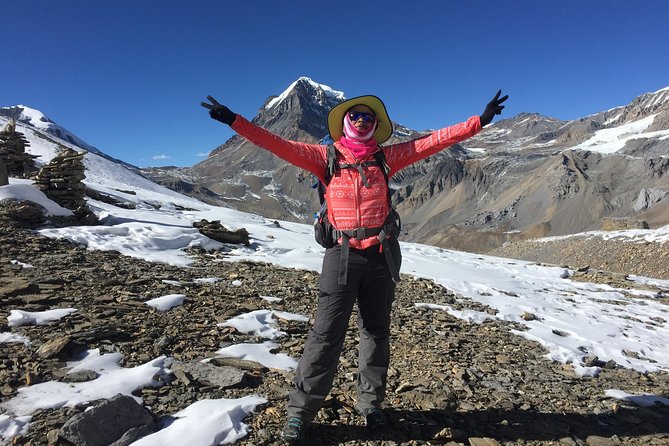
Once you’re past Thorong La, the trek becomes a mix of downhill effort and valley travel. Tatopani is included as a stop, and it’s known for hot springs. That’s exactly the kind of recovery you want after a high pass day. Think of it as your “reset button” for tired legs.
Marpha is also referenced in the route overview. It’s described as having a distinctive feel—small religious community life, narrow cobbled roads, and apple plantations. Even if your main goal is trekking mileage, these towns matter because they’re where you see daily routines in mountain Nepal. You’re not just moving through; you’re briefly part of how people live.
As you continue, the trek plan also connects you toward the viewpoint side of the circuit with stops like Poon Hill, Ghorepani, and Gurunghe Hill. Those are the places where sunrise-style mountain views tend to be the goal. Whether it’s clear or hazy, these viewpoints are a strong reason to take this route rather than a shorter alternative.
Poon Hill and Ghorepani: Why These Viewpoints Are Worth the Effort
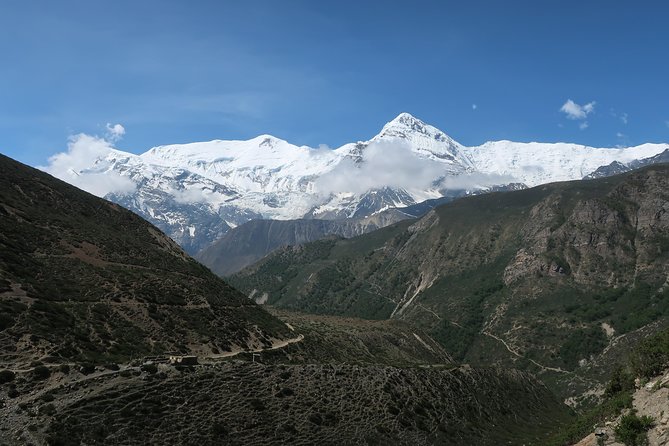
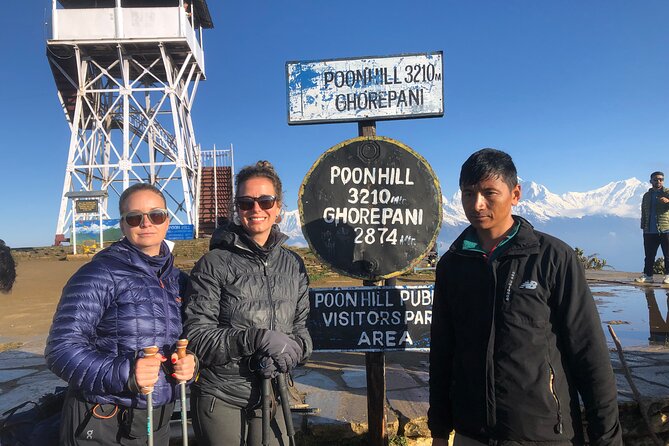
Poon Hill is listed as a stop, with Ghorepani and Gurunghe Hill also in the itinerary stops. This area is valuable because it gives you a concentrated dose of mountain panorama without requiring you to climb another major pass.
You can expect to see a wide spread of peaks across the Annapurna and Dhaulagiri ranges from the Poon Hill viewpoint area (the plan even notes 20+ mountains). If you’re trekking for big views, this is where those views get packaged into an achievable plan.
One practical angle: since this is a viewpoint segment, bring extra attention to timing and weather. Clouds can happen, so you’re going to rely on local conditions. It’s also a reason the operator notes that the experience requires good weather.
Pokhara and Back to Kathmandu: A Real Transition, Not Just Travel
Day 12 takes you from the trek area to Pokhara by drive, about 6 to 7 hours. This is a classic “change in mode” day. Instead of hiking, you’re sitting and absorbing the fact that the hardest walking is done (even if you’re not fully recovered yet).
Day 13 is Pokhara to Kathmandu by tourist bus, about 8 hours. Then Day 14 is a flight from Tribhuvan International Airport. You get the balance of road and air so you don’t spend your last two days entirely on winding highways.
There’s also hotel value here. You get bed-and-breakfast accommodation in Kathmandu and Pokhara, and your trekking lodge nights are covered during the trek (private/share and single/double room options in the mountain). That’s not a luxury guarantee; it’s a logistics guarantee. It helps you focus on your route rather than searching for sleep each night.
Food, Tea, and What’s Included During the Trek
This itinerary includes coffee and/or tea with each meal. It also includes breakfast, lunch, and dinner during the trekking days, with a menu choice at each stop. That’s a lot of value on a long route because food quality can shape how your body performs.
It also means you don’t have to worry about packing every snack and hunting meals every day. That said, you still should bring your own extra snacks. Alcoholic beverages, soda/pop, and additional personal items aren’t included.
In Kathmandu and Pokhara, meals aren’t included. So you’ll want to budget for meals on those city days, even though lodging there is included on a bed-and-breakfast basis.
A small comfort win: first aid box is included, and the guide/porter team covers their salaries, equipment, food, lodging, and insurance. That’s the kind of “invisible support” that often determines whether the trek feels smooth.
Guide and Porter Team: Why Gyanu’s Approach Can Make the Difference
The most strongly praised part of this style of trekking is the human support. One review highlights Gyanu, describing him as a go-to trekking guide with expertise, warmth, patience, and dedication that made the journey feel unforgettable. That matches the value you’re paying for here: you’re not only buying a route; you’re buying experienced decision-making.
Because the tour includes a highly experienced government registered guide and porter (with luggage support), you’re better positioned to hike with less load stress. It also reduces the chance of small confusion turning into big time-wasters on route.
Practical tip for you: when your guide offers advice on pacing, don’t treat it like optional chatter. On a trek with a pass at 5,416m and multiple elevation steps (Ledar 4,200m, Thorong Phedi 4,450m), pacing is not “mindset only.” It’s survival-by-sense.
Price and Value: What $1,175 Actually Covers
At $1,175 per person for about 14 days, the headline price can look simple. The real value is in what’s included versus what’s not.
Included highlights that matter on this specific trek:
- Permits and documentation (TIMS cards and ACAP permit)
- Guide and porter support (salaries, equipment, food, lodging, insurance)
- Mountain lodging options during the trek (private/share, single/double room)
- Hotels in Kathmandu and Pokhara on a bed-and-breakfast basis
- Most trek meals (breakfast/lunch/dinner) plus tea/coffee with meals
- An air-conditioned vehicle for included transfers
Not included highlights you should budget for:
- Nepal visa fee (and international airfare)
- Travel insurance
- Tipping and donations
- Alcohol, soda/pop, snacks
- Meals in Kathmandu and Pokhara
So for me, the cost makes sense if you want a guided, supported route where the paperwork, meals, and sleep are planned. If you’re the type who already has logistics handled and wants to travel independently, you might compare alternatives. But if you want a “do the trek, not the admin” experience, this package is aiming at exactly that.
Who This Annapurna Circuit Tour Fits Best
You’ll likely enjoy this trek most if you:
- have moderate physical fitness and can hike 3–8 hours on multiple days
- like structure and want paperwork (TIMS/ACAP) and support handled
- care about cultural stops like Manang, Muktinath Temple, and side-town life such as Marpha
- want both a big pass moment and viewpoint days like Poon Hill and Ghorepani
It may feel like too much if you want minimal hiking days, or if you struggle with early starts and long travel days between Kathmandu, the trek start, and Pokhara.
Should You Book This Annapurna Circuit Trek?
Book it if you want a classic high-pass trek with the “hard parts handled” approach: guide and porter support, permits handled, meals included on trek days, and enough structure to keep you from second-guessing logistics every few days. The Thorong La Pass day and the combination of Muktinath, hot springs at Tatopani, and viewpoint stops like Poon Hill are a strong trio for getting real mountain payoff.
Hold off if you’re unsure about altitude comfort or if your schedule can’t handle early departures, long drive/bus segments, and weather dependencies. Since good conditions matter, plan to be flexible in your expectations.
If your priority is a guided, supported circuit with real cultural stops and big viewpoints, this one is built for that.
FAQ
What’s included in the trek meals?
The tour includes tea or coffee with each meal and provides breakfast, lunch, and dinner during the trekking portion. In each place, you can choose a breakfast, lunch, and dinner from the menu.
Do I need to arrange permits for the trek?
No. TIMS cards and the ACAP permit are included as part of the tour’s included items.
How much of the trip involves travel between cities and the trek?
You’ll have major travel days: Kathmandu to Jagat (about 9 hours) early in the itinerary, then a drive to Pokhara (about 6 to 7 hours), and a tourist bus back to Kathmandu (about 8 hours), followed by a flight from Tribhuvan International Airport.
Is there a rest day during the itinerary?
Yes. Day 8 is a rest day to explore Manang village.
What’s the highest point on this itinerary?
The itinerary includes crossing Thorong La Pass at 5,416m.
Is pickup offered in Kathmandu?
Yes. Pickup is offered.
What’s the cancellation policy?
You can cancel for a full refund if you cancel at least 24 hours before the experience start time. The policy also notes that if weather is poor and the trek can’t run, you’ll be offered a different date or a full refund.