REVIEW · KATHMANDU
Upper Mustang Trekking
Book on Viator →Operated by Sherpa Expedition & Trekking · Bookable on Viator
One early flight can change how you see Nepal. This Upper Mustang trek is built around a rare, culture-focused taste of Lo-Manthang, where restored monasteries and stubborn traditions still shape daily life. I like that it’s structured like a smart logistics plan, not just a vague route, and I also like that the essentials are bundled in—meals, lodging, and the paperwork you need to enter this restricted region.
The biggest thing to keep in mind is that this is a short, fast-moving itinerary and it depends on good weather, plus you’ll want a moderate fitness level. On a practical note, I’ve seen this operator handle date changes smoothly in the past—so if your schedule is fragile, that’s a comfort.
In This Review
- Key things that make this Upper Mustang trek worth your time
- Upper Mustang in 2 days: what you’re actually signing up for
- Lo-Manthang, Tibetan links, and why the culture feels so specific
- Permits and TIMS: the unglamorous part that protects your trip
- Getting from Kathmandu to Mustang: Day 1 travel flow that keeps you on track
- Day 2: the return plan and how to think about the pace
- Lodging and meals: what’s included, what’s not, and how it affects your comfort
- Guide + porter: what one porter for two people means for you
- Price and value at $2,666.67 per person
- Weather, fitness, and what to prepare mentally
- Who should book Upper Mustang Trekking, and who should skip it
- Should you book this Upper Mustang trek?
- FAQ
- Where does the Upper Mustang trek start?
- Is airport pickup included?
- How long is the tour?
- What transportation is included?
- What permits and cards are included?
- Do I get a guide and porter?
- What meals are included?
- What lodging is included?
- Do I need to bring trekking equipment?
- What extra costs should I plan for?
Key things that make this Upper Mustang trek worth your time
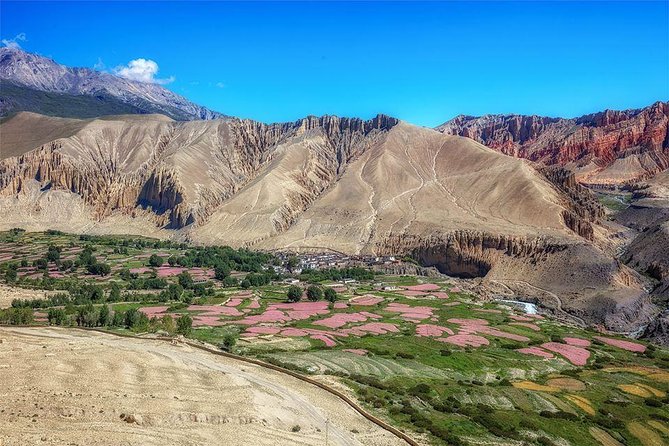
- Special-access paperwork included (ACAP, Upper Mustang special permit, and TIMS)
- A real guide + porter plan (one porter for two people)
- Lo-Manthang highlights tied to the old Tibetan Kingdom of Gungthang
- Built-in meals and city lodging to reduce daily hassles
- Kathmandu and Pokhara overnights with breakfast included
Upper Mustang in 2 days: what you’re actually signing up for
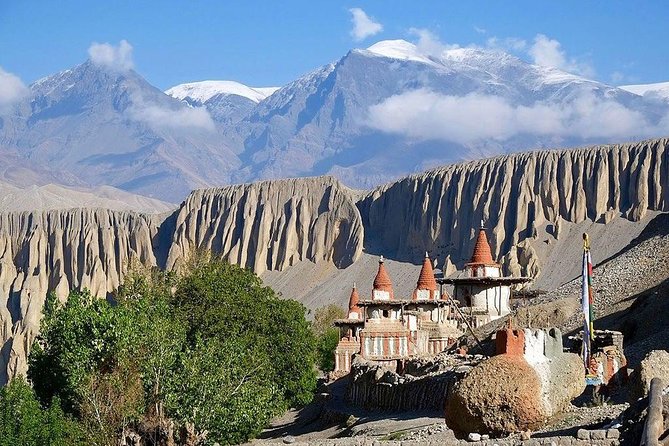
A lot of people hear Upper Mustang and picture a long trek with days of hiking. This version is shorter. That’s not a dealbreaker—it just means your goal is concentration, not distance. You’ll be spending your limited time on the core experience: getting the permits done, getting you to the Mustang gateway towns, and then focusing on what makes Upper Mustang feel different from the rest of Nepal.
Because the trip is tightly scheduled, you’ll want to travel light and think in terms of “move, look, learn, recover.” If you’re the type who gets annoyed by early starts or fast transitions between stops, this may feel like a sprint. If you’re excited by the idea of seeing Lo-Manthang’s culture without burning a week, the format can be a great match.
Also, you’re not just going for scenery. Upper Mustang is about a living cultural zone that stayed distinct for a long time. In Lo-Manthang, you’ll hear and see daily rhythms shaped by Buddhist study and monastic life. And even as change reaches the region, the area still clings to its unique identity—harder than you’d expect.
You can also read our reviews of more tours and experiences in Kathmandu.



Lo-Manthang, Tibetan links, and why the culture feels so specific
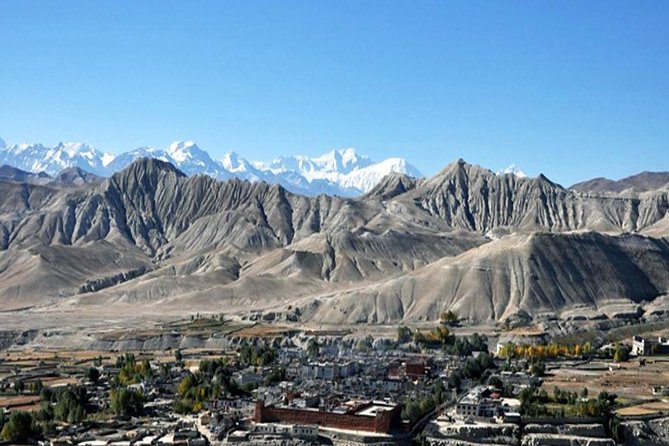
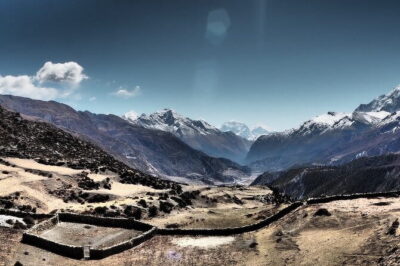
Lo-Manthang was part of the Tibetan Kingdom of Gungthang until the 1830s, and its early story is more myth and legend than straight recorded history. That matters because it shapes how people understand place there. It’s not a museum. It’s a community with a past that people still reference.
You’ll also get details that help you connect the dots while you’re there: Lo-Manthang has around 275 houses and four castes. That kind of fact isn’t trivia—it gives you a way to read what you see on the street and in community spaces.
One of the more meaningful parts of the experience is the mix of old and recovering. The area’s artworks are being restored, and crumbling monasteries have been rebuilt. The result is not just prettier buildings—it’s a return of sound and routine: you may see shaved-headed children in robes studying traditional Buddhist teachings. That’s the moment when Upper Mustang stops being an exotic idea and becomes a place with ordinary, steady life behind the dramatic walls.
If you love travel that has a human center—people, rituals, study rooms, daily work—this trek hits that note better than many “look at mountains” trips.
Permits and TIMS: the unglamorous part that protects your trip
Upper Mustang is not a casual destination. Your tour includes the ACAP, the Upper Mustang special permit, and the TIMS card fee. I love when this is handled upfront because it keeps you from scrambling mid-trip for documentation and rules.
Why it matters: restricted areas and regulated trekking routes can change access. Having the permits bundled reduces your stress and lowers the chance of delays caused by paperwork gaps. It also usually means your provider already has the local process dialed in.
The included guide and porter support also ties into permits in a practical way. Nepal’s regulations around guides have tightened over time, and having a guide is not just tradition—it can be the difference between smooth access and avoidable friction.
Getting from Kathmandu to Mustang: Day 1 travel flow that keeps you on track
The trip starts early at Tribhuvan International Airport (Ring Rd, Kathmandu) with a 6:15 am start time. You’re met for pickup by private car or jeep, which is a small detail that pays off fast. Arriving at the airport is chaotic. The pickup removes one layer of chaos before the long day begins.
From there, the core transport rhythm is:
- Kathmandu to Pokhara to Kathmandu by tourist bus
- Pokhara to Jomsom (and back) by flight
On Day 1, you’ll be doing the run that positions you for the Mustang side: you move between Kathmandu and Pokhara, then you catch the flight to Jomsom. The practical value here is time. Instead of spending days on road travel, you trade comfort and schedule stability for a short flight segment.
There’s also a benefit for first-timers: Jomsom is a known pivot point for Mustang routes, and using it as a base helps you reduce logistical uncertainty. When you’re traveling on a restricted itinerary, “known pathways” matter.
What you should watch for on Day 1 is pacing. Two cities plus a flight can make you feel like you never fully arrive. If you’re the type who needs time to decompress, plan a simple mental routine: hydrate, eat what’s offered, and keep your schedule flexible in your head even if the itinerary is strict.
Day 2: the return plan and how to think about the pace
Day 2 keeps the same transportation logic: airport pickup/drop by private car or jeep, tourist bus between Kathmandu and Pokhara, and flight fare covering the Pokhara to Jomsom route again.
Because this trek is roughly 2 days in total, you won’t have the slow-burn experience of a week-long trek where each day builds on the last. Instead, you’re doing a focused experience with fewer nights on the trail and more emphasis on getting into and out of the Mustang region smoothly.
That can be a good deal if you:
- want a taste of Lo-Manthang culture
- have limited vacation time
- prefer an organized framework where most decisions are already made
It can feel less ideal if your dream is to spend long days walking and slowly bonding with a trail community. If that’s you, you might find a longer Upper Mustang trek style better matches your pace.




Lodging and meals: what’s included, what’s not, and how it affects your comfort
This tour includes two nights accommodation in Kathmandu with breakfast, plus two nights in Pokhara with breakfast. It also includes breakfast, lunch, and dinner during the trek period, along with coffee and/or tea.
That matters because meals and lodging are often the hidden cost of “cheap” trekking packages. Here, you’re already covered for many of the big expenses—especially during the core travel days when you’d rather not hunt for food and you don’t want to worry about budgeting every meal.
What’s not included is equally important:
- Lunch and dinner in Kathmandu and Pokhara
- WiFi and laundry
- Hot water / hot shower (not promised)
- Personal expenses
So here’s my practical advice: treat Kathmandu and Pokhara evenings like “eat once, keep it simple.” Decide ahead of time whether you’ll want to spend for dinner out or keep it casual. And if you’re sensitive to hot water availability, plan around it.
Also note the tour provides an included first aid kit, which is a comfort item you don’t always get on shorter trips.
Guide + porter: what one porter for two people means for you
You’ll have a trekking guide and a porter. The setup is one porter for two people. That tells you the trip is designed for shared load, not for each person to have a dedicated handler.
For you, that means:
- You should pack in a way that makes sharing realistic.
- Don’t overload the porter with extra items you could have carried or left behind.
- You’ll want to keep your own essentials easy to reach.
This porter ratio also affects “how light you need to be.” If you travel with bulky camera gear, multiple shoes, or heavy items, you’ll feel it. If you keep things sensible, the porter arrangement can make the trip feel much more relaxed.
Your guide is also not a decoration. On regulated routes like Upper Mustang, having a guide helps keep the process clean—especially when permits, access rules, and route details matter.
I like that the tour includes a trekking t-shirt and a duffel bag, too. Small perks, but they save you from scrambling for storage and a souvenir that actually has a purpose.
Price and value at $2,666.67 per person
Let’s talk value, not just sticker price. At $2,666.67 per person, this is not a budget trip. But it isn’t pricing you like it’s “just a scenic walk,” either.
Here’s what’s bundled that usually costs real money elsewhere:
- Permits and fees for restricted access (ACAP, Upper Mustang special permit, TIMS)
- Airport pickup and movement between Kathmandu and Pokhara
- Flight fare between Pokhara and Jomsom (round-trip coverage as listed)
- Two sets of city lodging with breakfast
- Trek meals (breakfast/lunch/dinner) during the trekking portion
- A guide and porter support
- Basic safety support via a first aid kit
Then there are included “soft” costs that reduce your planning time: confirmation handling, and even the included gear items like the t-shirt and duffel bag.
Where you may still spend extra:
- Your Nepal entry visa fee
- Meals in Kathmandu and Pokhara not covered (lunch and dinner)
- Travel insurance (not included)
- Tips for trekking staff
- Personal trekking equipment
So the value equation depends on your baseline. If you hate paperwork, dislike booking flights around niche permits, or want meals and lodging handled so you can focus on the experience, this price can feel fair. If you’re a DIY planner and already have guides/permits lined up, a private-organized package might feel expensive.
Weather, fitness, and what to prepare mentally
The tour requires good weather, and it can be moved to another date or refunded if canceled due to poor conditions. That’s a big deal in Mustang. Even with tight schedules, weather can force changes.
The tour also asks for moderate physical fitness. With a short route, you’re not training for a mountaineering goal, but you still need to be comfortable with days that start early, involve travel legs, and include walking segments that may not be fully “stroll pace.”
Practical takeaway: don’t book this expecting a lazy vacation. Book it if you can handle structured days and quick transitions.
Who should book Upper Mustang Trekking, and who should skip it
This tour suits you if:
- You want a fast, culture-focused hit of Upper Mustang and Lo-Manthang
- You prefer a guided, permit-handled setup
- You’d rather pay for organized logistics than solve travel puzzles at the last minute
- You like the idea of seeing monastery restoration work and Buddhist learning life
You might skip it if:
- You want a long multi-day hiking journey as the main event
- You dislike early starts and tight schedules
- You need guaranteed hot shower comforts (not promised)
- You’re looking for a low-cost adventure
There’s also a fit factor based on your travel style. This is a private tour, so it’s just your group. That’s great for pacing and privacy. But it also means you’re paying for that exclusivity.
Should you book this Upper Mustang trek?
If your goal is to experience Upper Mustang without weeks of planning, I’d say this is a strong option. The biggest reasons are the included permits, the supported guide/porter setup, and the fact that so much logistics is handled for you—especially city lodging, core meals, and flight coverage between Pokhara and Jomsom.
Book it if you can handle a short, structured itinerary and you’re ready for the weather factor. Skip it if your dream is long, slow trekking or if you want guaranteed creature comforts like hot showers.
If your dates are flexible or you’ve got a tight schedule, a provider that’s shown adaptability (like handling COVID-era date shifts) is worth trusting.
FAQ
Where does the Upper Mustang trek start?
It starts at Tribhuvan International Airport on Ring Rd, Kathmandu. The start time is 6:15 am.
Is airport pickup included?
Yes. The tour includes pickup and drop-off by private car or jeep.
How long is the tour?
The duration is listed as 2 days (approx.).
What transportation is included?
You’ll travel by tourist bus between Kathmandu and Pokhara, and you’ll have flight fare between Pokhara and Jomsom included.
What permits and cards are included?
The package includes ACAP, Upper Mustang special permit, and the TIMS card fee.
Do I get a guide and porter?
Yes. A trekking guide is included, and a porter is included with the note that it’s one porter for two people.
What meals are included?
The tour includes breakfast, lunch, and dinner (for the trek portion), plus coffee and/or tea.
What lodging is included?
You get two nights accommodation in Kathmandu with breakfast and two nights accommodation in Pokhara with breakfast, plus all accommodation during the trek.
Do I need to bring trekking equipment?
Personal trekking equipment is not included, so you should bring what you need.
What extra costs should I plan for?
You’ll need to budget for the Nepal entry visa fee, lunch and dinner in Kathmandu and Pokhara (not included), travel insurance, personal expenses, and tips for trekking staff.