REVIEW · MEDAN
3D2N Jungle Trek | 2 Night accommodation | Pick up and drop off
Book on Viator →Operated by Sumatra tour and travel · Bookable on Viator
Sumatra jungle trekking feels simple until you’re under the canopy. This 3D2N trek from Medan to Bukit Lawang puts you in the hands of local guides, porters, and support staff who live and work with the rainforest. I like the clear eco rules: waste is handled responsibly and the team keeps distance from wildlife. One heads-up: the jungle is hot and humid, and if rain hits, the ground can get slippery and muddy fast.
What makes this itinerary work is that it’s built around real jungle days, not just checkpoints. I especially like the mix of trekking, camp nights, and included food like jungle pancakes at breakfast, plus a river ride back on a tube raft. The main tradeoff is physical: you’ll be walking for hours each day, and it’s best for people with moderate fitness and a good attitude for rougher trails.
In This Review
- Key Things That Make This Jungle Trek Worth Your Time
- Medan Pickup to Bukit Lawang: the Ride That Preps You
- The Bambu Restaurant Meeting and the Safety Briefing That Matters
- Day 2 Trek Into the Rainforest: Long Steps, Real Jungle Time
- Day 3: Deeper Forest Trekking and the Pace Check
- Day 4 Early Morning Wildlife Time and the River Return
- Tube Rafting on the River: Not a Theme Park, Just Logistics Plus Fun
- What You Actually Get for the Money (Why It Adds Up)
- Price and Logistics: Private Trek, Real Team, Real Expectations
- Practical Tips for a Rainy, Humid Trek You Can’t Ignore
- Who This Jungle Trek Fits Best (and Who Might Want Something Easier)
- Should You Book This 3D2N Jungle Trek in Bukit Lawang?
- FAQ
- FAQ
- Where do you get picked up in Medan?
- How does the tour start once you arrive in Bukit Lawang?
- Is this tour private?
- What meals are included during the trek?
- Are national park entrance fees included?
- Do I need to bring camping or tent equipment?
- Is tube rafting included?
- What’s the cancellation policy?
- What costs are not included?
Key Things That Make This Jungle Trek Worth Your Time
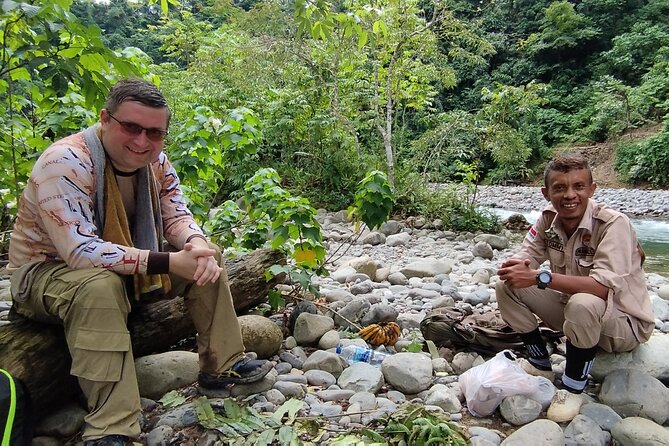
- Local guides and porters: the whole team is trained by life in the forest, not just a brochure role
- Eco-minded operation: they work with jungle authority and take waste seriously
- Meals are included: breakfasts, lunches, and dinners plus coffee/tea all trip long
- Trek + camp gear handled: you get tent setup and equipment, so you travel lighter
- Tube rafting included: a practical, fun way to get back from the river area
Medan Pickup to Bukit Lawang: the Ride That Preps You
Your trip starts with pickup from the airport or a hotel near the airport in Medan, then a transfer to Bukit Lawang that takes about four hours. Along the way, you’ll pass two cities and stretches of rural land where palm oil plantations show up in the scenery. That kind of transition matters more than you might think: it’s the shift from traffic-and-traffic-life to quiet road edges, then to the Bukit Lawang area where the jungle finally feels close.
If you like knowing what to expect, plan for that day to feel like logistics day number one. You’re not yet grinding up trails, but you are moving into the region and getting synced with the team that’ll be with you for the trek.
A practical detail from past experiences on this route: there can be a stop to grab cash from an ATM in Medan. It’s not guaranteed in every case, but it’s smart to have a little flexibility and not assume you can pay everything by card.
You can also read our reviews of more tours and experiences in Medan.


The Bambu Restaurant Meeting and the Safety Briefing That Matters
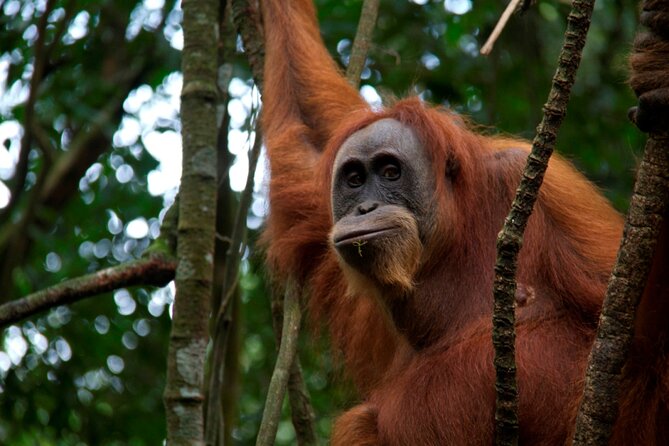
On day two, the guide meets you around 8:30–9:00 AM at the Eco Lodge Bambu Restaurant (or at your lodge if you’re staying nearby). This is where the trek becomes real. Expect a short briefing that covers the route and, importantly, the jungle safety rules.
You’ll also hear the eco-guidelines: how to handle waste and how to behave around animals. The team emphasizes keeping distance from wildlife, which isn’t just a moral point. It’s also how you avoid dangerous surprises when you’re walking close to where monkeys, birds, and other creatures live.
One thing I like about this kind of briefing is that it helps you pack better for the conditions. They specifically mention packing essentials, which is helpful because Bukit Lawang trekking isn’t just about distance—it’s about heat, humidity, and how quickly you get uncomfortable if you’re under-prepared.
Day 2 Trek Into the Rainforest: Long Steps, Real Jungle Time
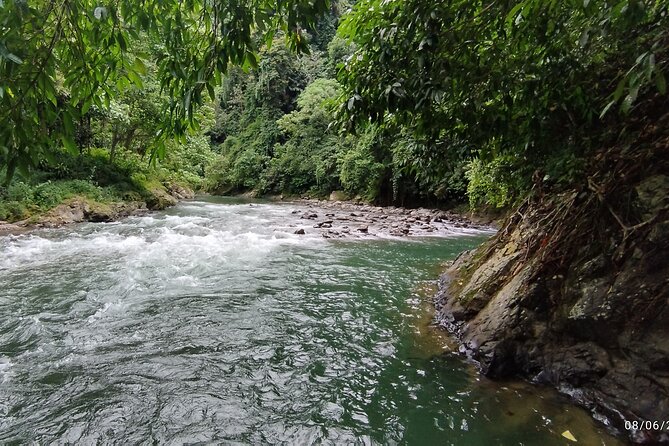
Your main trek starts after the meet-up, and the day runs around seven hours. You’ll begin with the core route into the jungle, guided by a team that’s used to working in rainforest conditions.
This is where you should mentally switch from vacation mode to “workout mode,” even if you’re not training. The jungle makes every step feel slower: air holds heat, humidity clings to you, and you can lose momentum when you stop too often to look around. The good news is that this is exactly why a local guide system matters. You’re not just hiking through trees—you’re moving with people who know where the ground tends to be tricky, where wildlife is more likely, and how to manage pacing.
Eco responsibility is part of the trip rhythm. The team works with jungle authority and takes waste seriously, so you’re trekking in a way that doesn’t leave mess behind. That’s a big value point for me, because it’s easy for “eco tours” to say they care. Here, the operation is built around it.
Day 3: Deeper Forest Trekking and the Pace Check
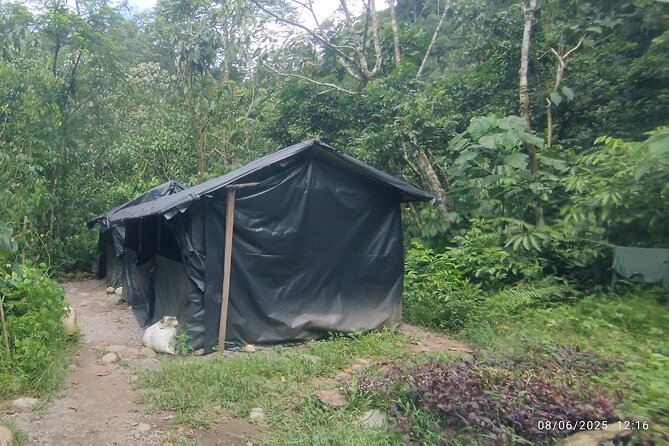
Day three begins with breakfast in camp: think jungle pancakes, fruit, and tea or coffee. Then you pack up and continue trekking further into the forest interior.
The walking stretch is described as about 4–5 hours, but the whole day still runs close to the same timeframe you had on day two (around seven hours). Translation: you should expect day three to feel like progress, not a recovery day.
This is also when you’ll notice the rainforest’s moods. One of the most practical truths of Sumatra jungle trekking is that rain doesn’t just change the sky—it changes footing. If the previous night was wet, expect slick spots and mud. That’s not a reason to cancel. It’s a reason to bring footwear that grips and to walk with intention.
The best way to handle day three is to keep a steady pace and give your guide room to choose the safest line through the terrain.
Day 4 Early Morning Wildlife Time and the River Return
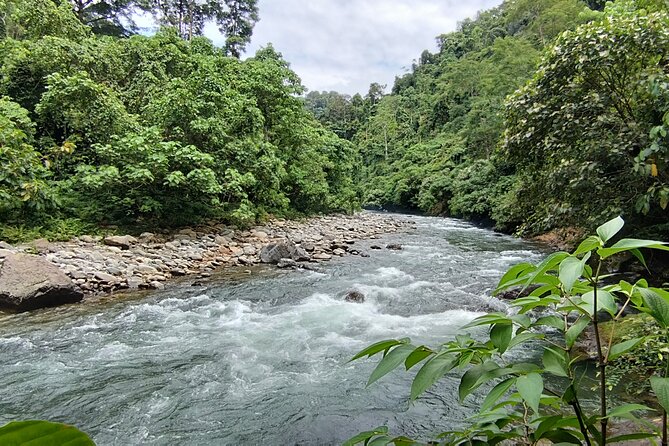
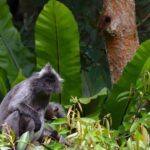
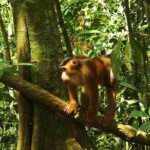
Day four starts early, with an optional morning routine focused on wildlife and sound. If you wake up for it, you might catch monkey calls in the early hours, when the jungle is active and the chances for animal sightings are often better.
There’s also a light trek to a nearby viewpoint or river area for wildlife spotting, with gibbons mentioned as active early. This matters because it sets the day’s tone: you’re not just trekking for distance; you’re timing your effort with the rhythm of the forest.
Breakfast follows (again including pancakes, fruit, tea or coffee), and then the day continues with trekking before you head back toward Bukit Lawang.
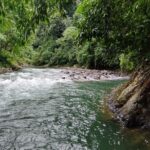
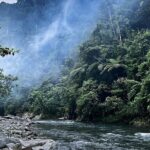
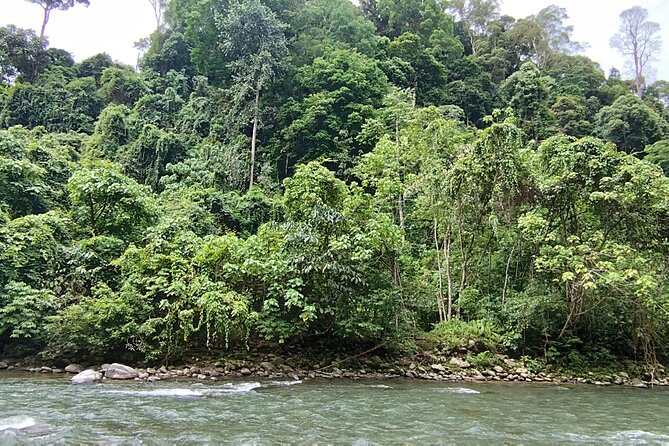
Later in the day, you’ll transfer from the jungle back to Bukit Lawang village using a tube raft along the river. That river ride is about one hour, and it’s included. It’s the kind of reset that makes the long walking days feel balanced. You go from heavy trekking effort to a slower, flowing return that still keeps you in the jungle environment.

Tube Rafting on the River: Not a Theme Park, Just Logistics Plus Fun
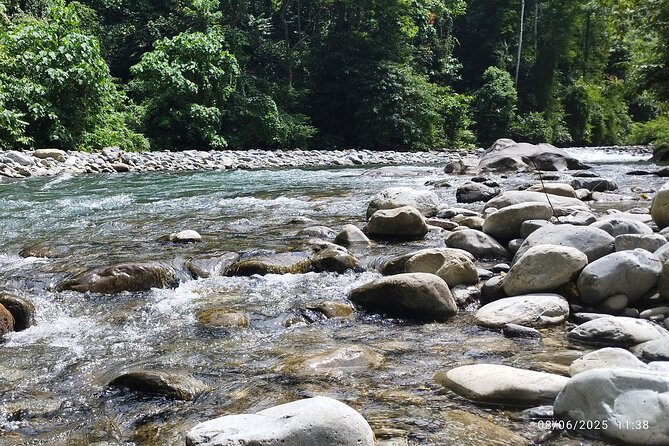
The tube raft part is included, and it’s there for a reason. It’s practical transport, but it’s also a relief after mud and steep-ish forest walking.
You’re moving downriver on a simple raft setup, which means you’ll get sights and air in a different way than you do on foot. It’s also a moment where you can catch your breath without losing the jungle setting.
The main thing to remember: the river ride is part of the day’s schedule, so keep your stamina steady. Don’t burn out early on day four or you’ll feel it when you sit down and then get back up to continue.
What You Actually Get for the Money (Why It Adds Up)
At $404.32 per person for about 5 days (including 2 nights), the value comes from what’s bundled rather than from any “single wow factor.”
Here’s what’s included:
- National Park entrance fee
- Camping and tent equipment, with tent setup provided
- Coffee and/or tea served during the trip
- Snacks and tropical fruit during breaks
- Meals: 3 breakfasts, 3 lunches, and 2 dinners
- Tube rafting on the river
- Mobile ticket
For budgeting, those included items are a big deal. Many jungle treks look cheap at first glance, then add on park fees, guide costs, and equipment rentals. This package groups the essential stuff, so you can focus on being ready for the trail and not worrying where the next extra fee is hiding.
The included camping setup also means you don’t need to travel with a tent. That’s real convenience if you’re flying into Sumatra and trying to keep luggage manageable.
Price and Logistics: Private Trek, Real Team, Real Expectations
This is a private tour, meaning it’s only your group. That’s a plus if you want your pace and your guide attention focused on you. It can also change the feel of the trip: you won’t be pushed into someone else’s rhythm, which is useful when trails get muddy and visibility drops.
The itinerary runs as a true trek format—hours of walking day two, continued trekking day three, and a structured wildlife-focused morning on day four. That’s why the tour notes moderate physical fitness as the target.
So ask yourself one question before booking: do you handle hot, humid conditions and long hikes when the ground is uneven? If yes, you’re in the right lane. If your fitness is mostly flat-ground walks, this might still be doable, but you’ll want to train a bit first.
Practical Tips for a Rainy, Humid Trek You Can’t Ignore
Because the jungle can turn quickly, your best preparation is simple and physical.
Footwear and grip
Mud and slippery surfaces can happen when it rains. If you’ve ever stepped in wet forest soil, you know how fast balance goes. Bring shoes with real tread and expect to walk slower than you do on city sidewalks.
Clothing that dries
You’ll likely get sweaty and possibly wet. You don’t want your whole trip to depend on one heavy, slow-drying outfit.
Light rain layer
Rain is part of the region’s reality. A packable layer can help you stay comfortable long enough to enjoy the day.
Cash and small expenses
Personal expenses aren’t included, and one past group noted an ATM stop. That suggests having a bit of cash on hand can save you stress. Bring it just in case, even if you prefer card.
Ask your guide for the day’s best plan
Your guide’s job is safety and enjoyment, and they’re running the route with the rainforest in mind. If conditions change, trust their judgment on pacing and footing.
Who This Jungle Trek Fits Best (and Who Might Want Something Easier)
This trek suits:
- couples and friends who like the outdoors and don’t mind a workout
- travelers who want authentic jungle logistics with local guides
- people who care about responsible travel, not just seeing animals from far away
- anyone who enjoys early mornings and quiet jungle sound
It may not be the best match if you:
- get miserable in heavy heat and humidity
- want a mostly easy walk with lots of rest breaks
- prefer comfortable footing the whole time
Should You Book This 3D2N Jungle Trek in Bukit Lawang?
I’d book it if you want a jungle experience that feels run by people who genuinely belong there—guides, porters, and support staff who take safety, waste, and wildlife distance seriously. The included basics (park fees, tent setup, meals, tube rafting, and the coffee/tea rhythm) help you get good value without nickel-and-diming your budget.
I would pause before booking if you’re sensitive to muddy conditions or if you’re expecting an easy hike. This is a real rainforest trek with real physical effort. If that matches your style, you’ll likely find it memorable for all the right reasons.
FAQ
FAQ
Where do you get picked up in Medan?
Pickup is offered from the airport or from a hotel near the airport in Medan.
How does the tour start once you arrive in Bukit Lawang?
On day two, your guide meets you at Eco Lodge Bambu Restaurant or at your lodge in the area around 8:30–9:00 AM for a route and safety briefing.
Is this tour private?
Yes. It’s listed as a private tour/activity, meaning only your group participates.
What meals are included during the trek?
The package includes 3 breakfasts, 3 lunches, and 2 dinners, plus coffee and/or tea and snacks with tropical fruit during breaks.
Are national park entrance fees included?
Yes. The national park entrance fee is included.
Do I need to bring camping or tent equipment?
No. Camping and tent equipment are provided, and tents are set up for you.
Is tube rafting included?
Yes. Tube rafting by the river is included as part of the return to Bukit Lawang.
What’s the cancellation policy?
You can cancel for a full refund up to 24 hours before the experience starts. The tour also depends on good weather, and if canceled due to poor weather, you’ll be offered a different date or a full refund.
What costs are not included?
Personal expenses aren’t included. Everything else listed under Included covers the main trekking essentials.