REVIEW · CHIANG MAI
Private Doi Inthanon, Nature Trail, Wat Phra That Doi Kham
Book on GetYourGuide →Operated by CHIANGMAI SIAM TRAVEL LTD.,PART. · Bookable on GetYourGuide
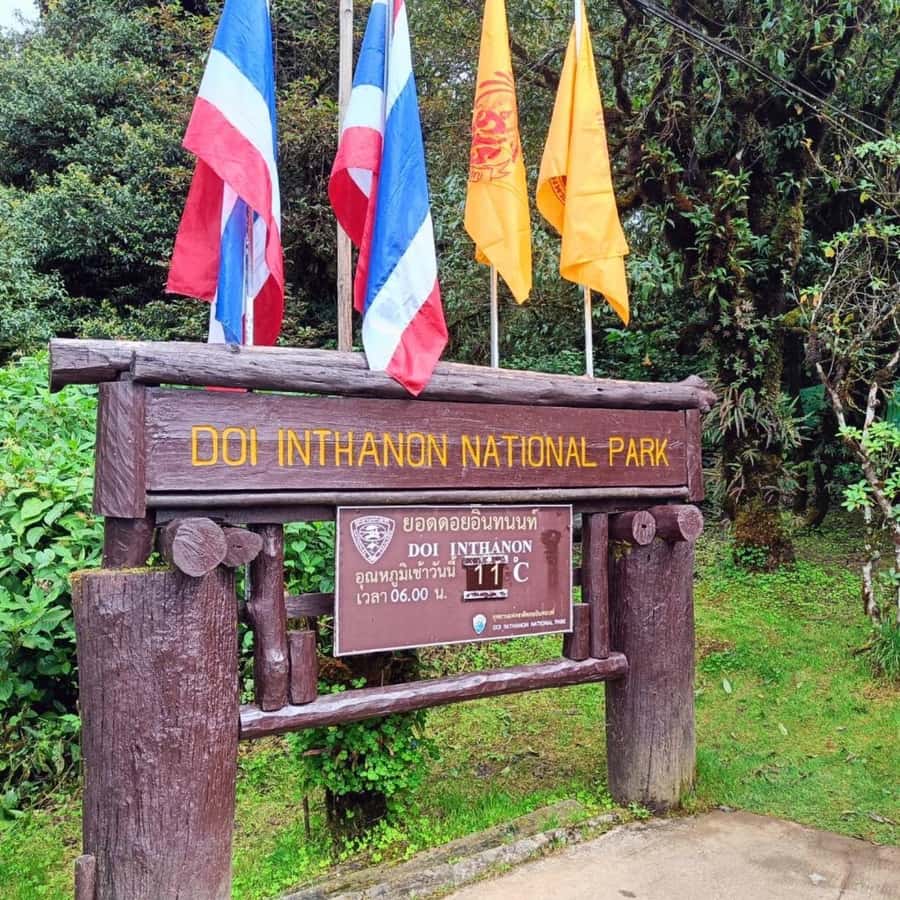
Cold air and big views start it all. This private day trip takes you to Thailand’s highest point at Doi Inthanon and the King & Queen pagodas with gardens and wide mountain scenes.
You’ll also get a proper walking day with a hill-tribe-guided trek on the Pha Dok Siew Nature Trail (about 2 hours), then finish with a hillside temple viewpoint over Chiang Mai. The only real drawback: it’s a long, packed day, and the park can feel humid and cold—so plan for weather swings and walking time.
In This Review
- Key highlights to watch for
- Getting up to Doi Inthanon: the ride, the air, and the altitude
- Pha Dok Siew Nature Trail: your 2-hour walk with a hill-tribe guide
- Rak Jung waterfall: optional swim, real forest vibes
- Mae Klang Luang and the layered hills: farms, rice fields, and views
- Karen village coffee: a small finish that feels surprisingly special
- King & Queen pagodas: gardens plus panoramic views
- Lunch and the waterfall shift: how to handle the schedule
- Wat Phra That Doi Kham: ancient temple on the hill above Chiang Mai
- Price and value: what $167 per person covers
- Guides matter: clear explanations and patient pacing
- Who should book this private Doi Inthanon and Doi Kham day
- Should you book this tour?
- FAQ
- How long is the private Doi Inthanon, Nature Trail, and Wat Phra That Doi Kham tour?
- What’s included in the price?
- How long is the trekking on the Pha Dok Siew Nature Trail?
- Is swimming at Rak Jung Waterfall guaranteed?
- Where does the tour start and end?
- What should I bring for this tour?
- Is the tour wheelchair accessible?
Key highlights to watch for
- Thailand’s highest point (2,565 m): Cold, misty conditions that make the views feel extra dramatic
- Pha Dok Siew Nature Trail trek: About 2 hours with a local hill-tribe guide
- Rak Jung waterfall stop: A possible swim when weather and water levels cooperate
- Karen village coffee: Finish the trek with freshly grounded local coffee
- King & Queen pagodas: Beautiful gardens and panoramic lookouts
- Wat Phra That Doi Kham: Over 1,300 years old with a viewpoint above Chiang Mai
Getting up to Doi Inthanon: the ride, the air, and the altitude
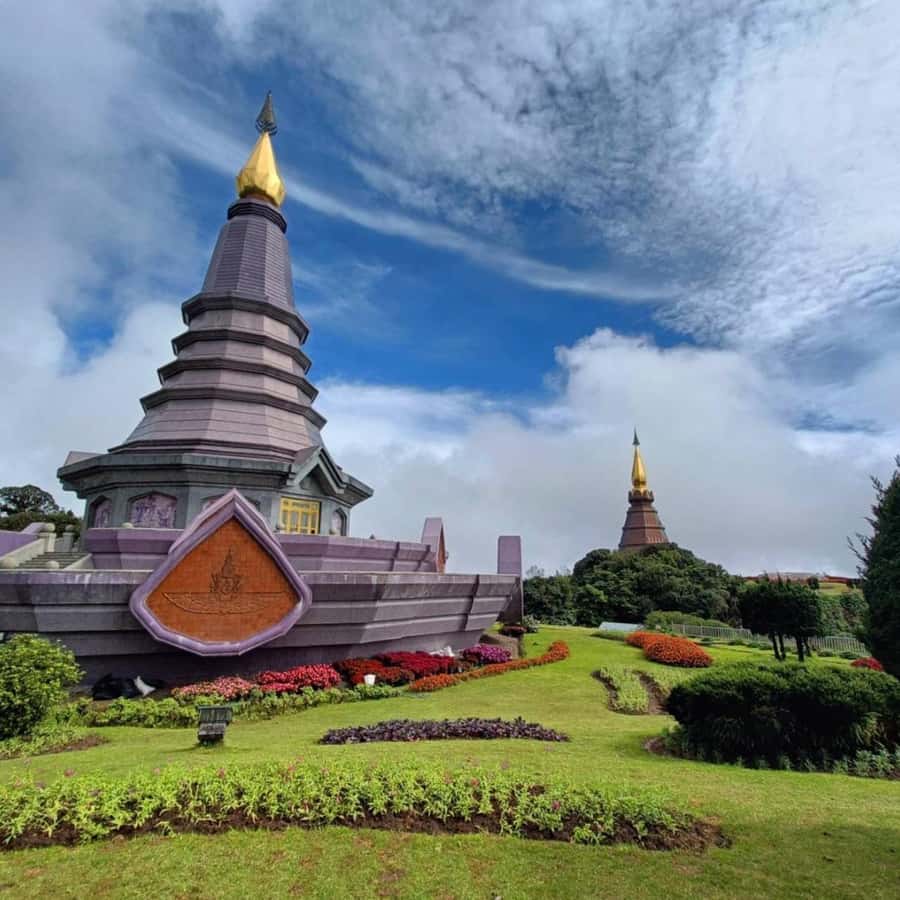
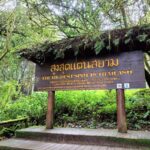
The day starts with pickup from your Chiang Mai accommodation by private, air-conditioned car. You’re then looking at a drive of about 1 hour 45 minutes into Doi Inthanon National Park. It’s not just “getting there.” The change in weather is part of the experience.
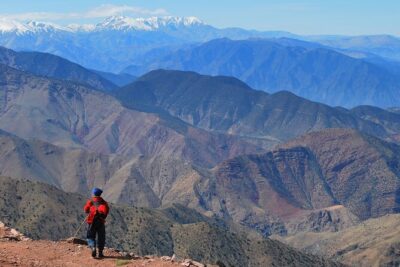
Once you reach the park, expect a mix of high humidity and cool temperatures, and that’s true all year round. At the park’s highest spot (2,565 meters above sea level), the air can feel very different from Chiang Mai city. If you only pack for tropical heat, you’ll feel it. Bring layers you can manage, and don’t rely on the sky looking sunny—mountain weather can shift fast.
This is also where the tour earns its value: you’re not doing a confusing day of transfers. You have transportation, entrance fees, an English-speaking guide, and a full schedule that connects the high points, waterfalls, trekking area, and temple viewpoint without you playing route-planning roulette.
You can also read our reviews of more tours and experiences in Chiang Mai.

Pha Dok Siew Nature Trail: your 2-hour walk with a hill-tribe guide
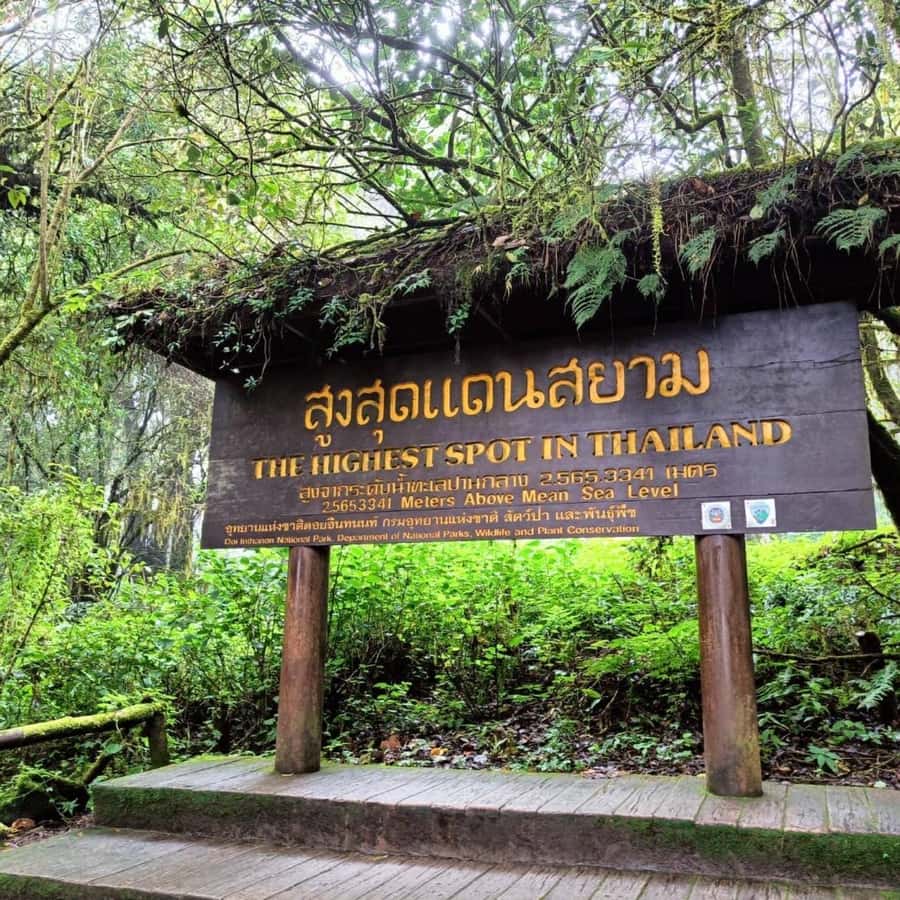
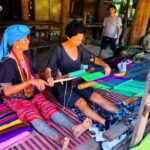
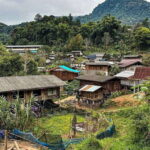
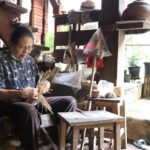
One of the best parts of this experience is the way the trek is handled. You meet a local hill-tribe guide, and they take you onto the Pha Dok Siew Nature Trail. The trek time is about 2 hours, which is long enough to feel like a real nature outing, but not so long that the day collapses into fatigue.
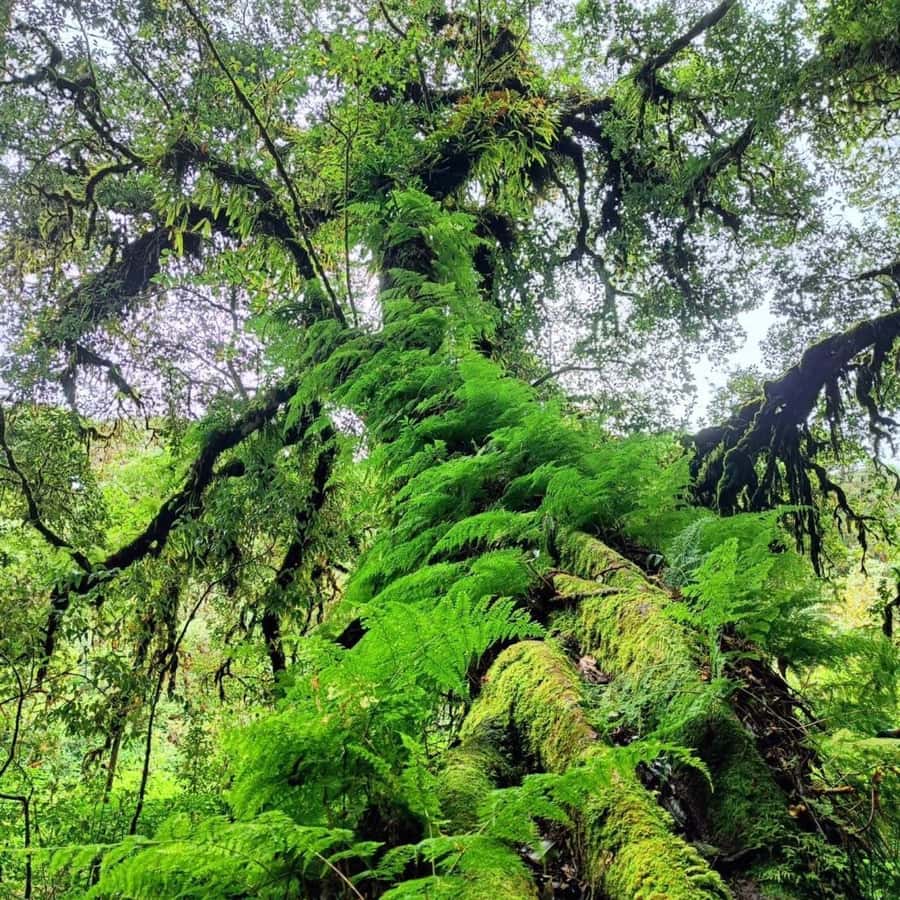
What you’re walking through matters. The route includes forest sections and hillside areas linked with local farming. That’s where the guide’s role becomes practical. You’re not just looking at trees—you’re learning about different plants and trees as you go, which turns “a walk in the woods” into something more memorable and useful.
This section is also where you’ll want to think about your own pace. If you’re comfortable walking on a natural trail, you’ll likely enjoy it. If you’re sensitive to cool air, bring something warm enough to stay comfortable during stops and slower parts of the trail.
Rak Jung waterfall: optional swim, real forest vibes
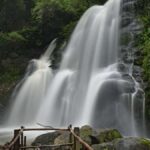
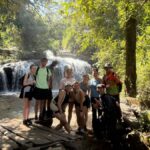
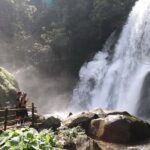
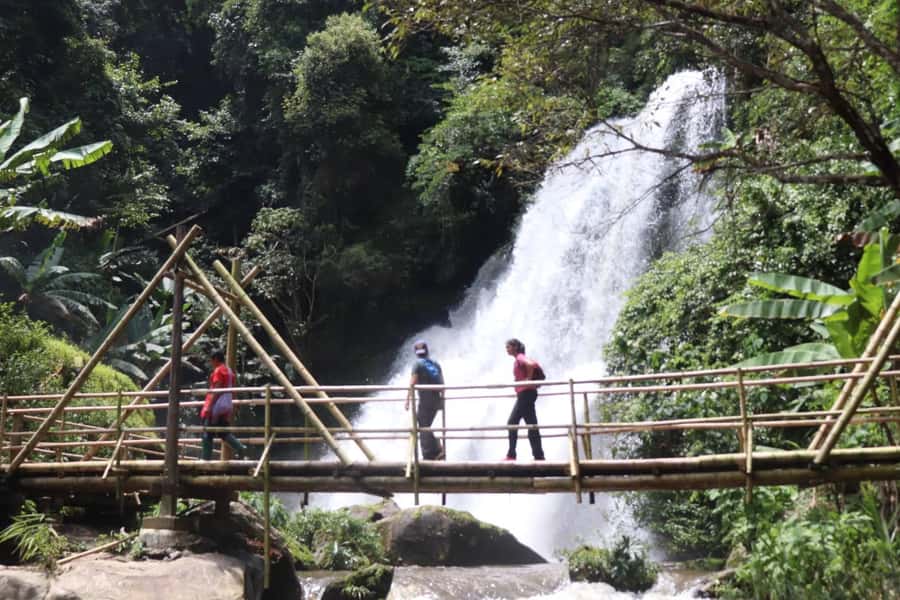
During the trek area, there’s a stop at Rak Jung waterfall. The big practical note here: you can swim if conditions allow. Whether swimming is possible depends on weather and water levels, so treat it as a maybe, not a guarantee.
Even when you don’t swim, a waterfall stop breaks up the trek and gives you a reason to slow down. The tour frames it well: you’re moving through the forest and along hillside farms, so the waterfall feels like part of the ecosystem rather than a random roadside photo stop.
Tip that comes straight from the reality of waterfall days: if you bring swimwear and a towel, you’ll be ready. If you don’t, you’ll end up sitting out when water conditions are perfect. The tour specifically suggests you pack for this, so plan accordingly.
Mae Klang Luang and the layered hills: farms, rice fields, and views
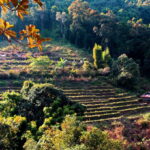
After the waterfall segment, you’ll pass through local areas around Ban Mae Klang Luang. This is where the tour gets visually rewarding, especially if your timing lines up with seasonal farming.
The rice fields are mentioned as being dependent on the season. That means the views you get here can vary, and that’s normal. In a season with active rice, you’ll see those patchwork patterns and the sense of the hills being worked by people who live there year-round. In other seasons, the hillside will look different—but you’ll still be moving through the same cultural landscape.
If you like learning on the go, this is a strong stretch. The guide’s plant-and-tree explanations continue, and the hillside farming context helps you understand what you’re seeing instead of just snapping pictures.
The viewpoint effect also builds over time. By the time you finish this section, the “mountains plus farms” scenery tends to stick in your mind more than the single best waterfall photo. It’s the layered feeling that makes it worthwhile.
Karen village coffee: a small finish that feels surprisingly special
The trek ends in a white Karen hill tribe village, and the tour adds one of those small details that can make a day feel complete: you get a cup of freshly grounded, locally grown coffee.
This isn’t just a drink stop. After walking in cooler air and moving through forest and farm landscapes, hot coffee (especially when it’s made from local beans) feels like a reset button. It also gives you a sense of place, because the coffee connects the natural area you walked through to everyday local life.
The practical takeaway: by the end of the trek, you’ll likely be ready for a break. This stop gives you that without turning the day into a long waiting game.
King & Queen pagodas: gardens plus panoramic views
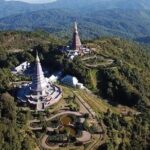
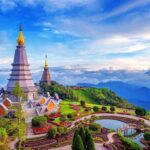
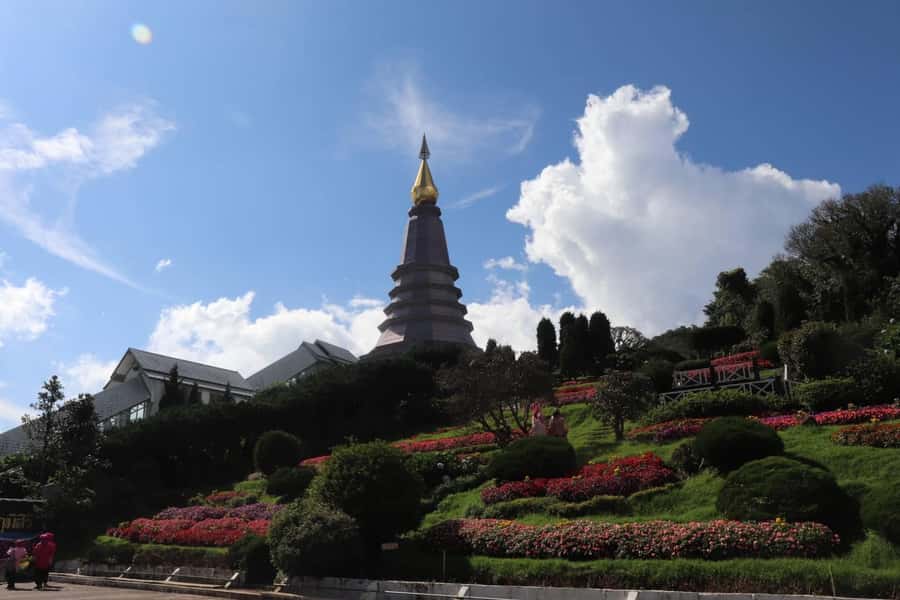
After the trek, the tour shifts from walking-focused nature to a sightseeing-style highlight: the King & Queen’s pagodas. These pagodas are known for two things that matter on a day like this: you get very beautiful views, and the grounds include pleasant gardens.
This is a smart pairing after a trek. Your body has worked, and now you can pause without rushing. The pagodas sit in an area where the mountain perspective helps—on clear days, you’ll get a wider sense of the park and surrounding hills. Even when visibility isn’t perfect, the gardens and viewpoints still make the stop feel worth your time.
If you’re traveling with someone who doesn’t love long walks, this is also the section where they can still feel like they got “the main stuff.” It’s scenic, calm, and easier than the trail.
Lunch and the waterfall shift: how to handle the schedule
Lunch comes after the pagodas. Having it in the middle of the day matters because you’re combining trekking, cool-weather exertion, and multiple stops. You don’t want to run the risk of skipping a meal or eating too late while still trying to enjoy the next waterfall and temple.
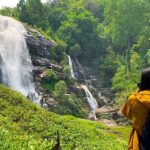
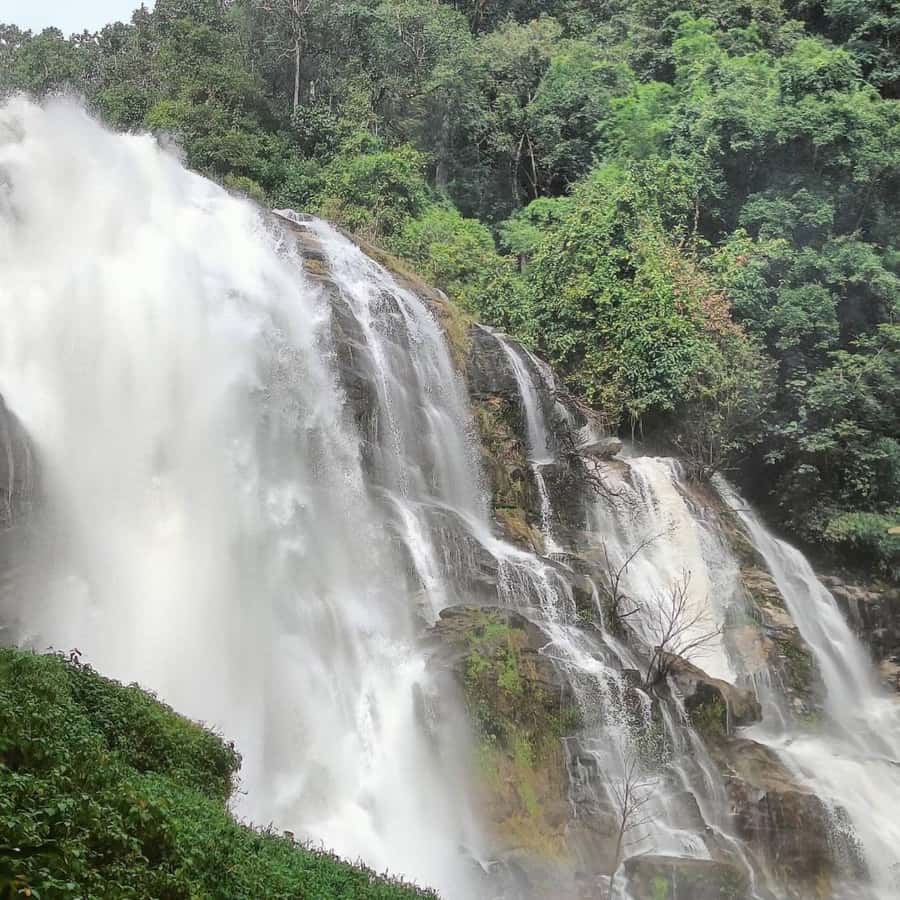
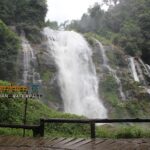
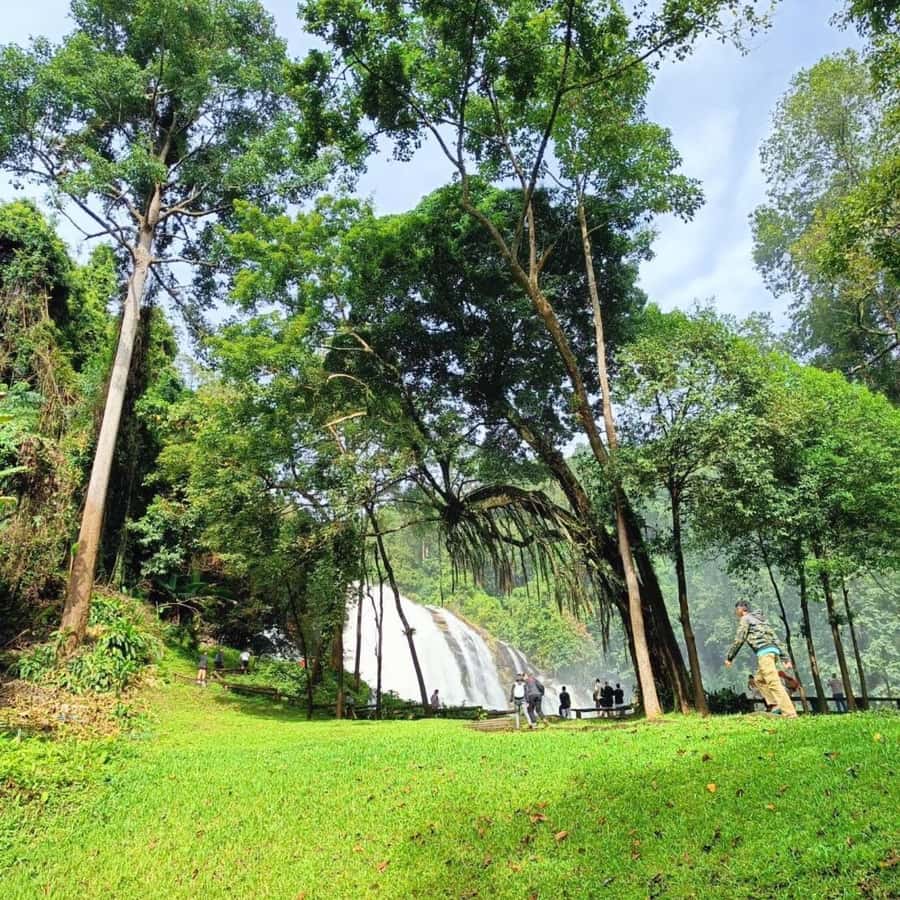
Next up is Wachirathan Waterfall. The tour frames it as a sightseeing visit. Since you don’t have detailed timing in the info, here’s the practical way to think about waterfall stops: bring patience and keep your camera handy. Waterfall viewing can be affected by day conditions, and even when water flow isn’t dramatic, the setting itself is often the point.
What I like about this structure is that it avoids “one big waterfall and done.” You get a waterfall earlier around the trek area, then another later with time to reset. It keeps the day varied.
Wat Phra That Doi Kham: ancient temple on the hill above Chiang Mai
The final major highlight is Wat Phra That Doi Kham, an important temple in Chiang Mai Province that’s over 1,300 years old. It’s located on Doi Kham hill, behind the Royal Ratchaphruek Park.
This stop stands out for practical reasons: you’re getting a viewpoint plus a spiritual site, and the elevation makes the “above Chiang Mai” feel real. The temple is described as being about 140 meters above the Chiang Mai plain, and roughly 465 meters above sea level.
Inside, you’ll find the ancient Phra Chao Than Jai Buddha image, which is said to grant wishes instantly and is over five hundred years old. Even if you’re not deeply focused on temple art, the age and the viewpoint combination gives the stop weight.
If you like photos, this is often the better place to slow down for them. After the earlier nature parts of the day, you want at least one final segment where you can stand, look out, and let the city spread below you. This temple does that.
Price and value: what $167 per person covers
At $167 per person for an 11-hour private outing, the value comes from the mix of included services and “less hassle” logistics.
Here’s what’s included:
- Private pickup and drop-off by air-conditioned car (plus entrance fees)
- English-speaking guide
- Lunch and drinking water
- Accident insurance
- The major stops: Doi Inthanon National Park highlights, trek, waterfalls, pagodas, and Wat Phra That Doi Kham
What costs extra:
- Personal expenses
- If your accommodation is more than 5 kilometers from downtown, you pay additional transportation
Is it cheap? No. But compared with piecing together transport, entrance fees, and guide time across multiple scattered stops, the pricing makes sense. You’re paying for an all-in day with a guide who handles the flow and reduces the awkward gaps—like figuring out where to go next after a waterfall or how to manage the trekking portion without confusion.
One more value note: private tours tend to work best when weather changes. If it’s colder, wetter, or the timing shifts, you can usually adapt without ruining everyone’s day. That flexibility is part of what you’re paying for.
Guides matter: clear explanations and patient pacing
The quality of the day hinges on the guide. This tour runs through several different “modes” of experience—trekking, learning, waterfall viewing, pagodas, and temple time—so you want someone who can keep the pace comfortable and explain what you’re seeing.
I’ve seen strong praise for guides like Austin, described as patient, kind, and knowledgeable with great explanations. Another guide name that came up is Bird, praised for availability and patience. You don’t need fancy big talk. What you need is someone who can guide you through the nature trail, support the timing, and help you understand the places you’re visiting.
If you care about learning something real—like plant and tree knowledge on the trek—this matters a lot.
Who should book this private Doi Inthanon and Doi Kham day
This is a great fit if you want:
- A nature-focused day with a real walking portion (about 2 hours)
- Scenery variety: mountains, waterfalls, gardens, and a temple viewpoint
- A private format where your guide can set the pace
- English support throughout
It’s less ideal if:
- You hate cold weather or dislike walking on trails (the park can be humid and cold, and the trek is built in)
- You need wheelchair access, since it’s not suitable for wheelchair users
This tour is also a strong choice for couples and small groups because the day flows logically and doesn’t require you to constantly regroup. Everyone stays together, and you’re not hunting down directions between stops.
Should you book this tour?
If your idea of a great Chiang Mai day is mountains, misty cool air, a hill-tribe guided nature walk, and a temple viewpoint to close the loop, then yes—this is worth booking. The included guide time, transportation, and meals reduce the usual friction of doing Doi Inthanon well.
I’d say book it if you’ll pack for the weather and bring what you need for a possible waterfall swim (swimwear, towel, change of clothes). If you’re thinking of skipping layers because Chiang Mai is warm in the city, reconsider—Doi Inthanon’s altitude is a different world.
If you want a calm day with no trekking at all, this isn’t the match. But for anyone who can handle a 2-hour nature trail and likes variety, this private tour hits the right mix of nature and culture in one long, satisfying day.
FAQ
How long is the private Doi Inthanon, Nature Trail, and Wat Phra That Doi Kham tour?
The duration is 11 hours.
What’s included in the price?
Pickup and drop-off by private air-conditioned car, entrance fees, lunch, drinking water, an English-speaking guide, and accident insurance are included.
How long is the trekking on the Pha Dok Siew Nature Trail?
The trek is about 2 hours.
Is swimming at Rak Jung Waterfall guaranteed?
No. Swimming depends on weather conditions and water levels.
Where does the tour start and end?
It starts with pickup from your Chiang Mai accommodation and returns you to Chiang Mai for drop-off around 18.30.
What should I bring for this tour?
You should bring swimwear, change of clothes, a towel, camera, sunscreen, insect repellent, and personal medication.
Is the tour wheelchair accessible?
No, it is not suitable for wheelchair users.