REVIEW · SA PA
Sapa: Ta Phin Village Trek & Red Dao Herbal Bath
Book on GetYourGuide →Operated by ASu Sa Pa Trekking Tour · Bookable on GetYourGuide
Your trek ends with hot herbal relief. You’ll walk with a local guide in a small group, pass through Black H’mong and Red Dao villages, and finish with a Red Dao herbal bath that turns tired legs into melted butter.
I also like that this feels practical and real: you get village time with farming and daily-life conversations, not just photo stops. The one thing to think about is the effort—this covers about 12–14 km, so it’s easy to moderate, but it’s still a full day of walking (and it’s not suitable for children under 6 or mobility impairments).
In This Review
- Key Things You’ll Love About This Sapa Village Trek + Herbal Bath
- Meeting at Nhà Thờ Đá Sapa: starting your rural Sapa day the right way
- Suoi Ho Village walk: Black H’mong daily life, not a stage set
- Ma Tra Village: school and craft conversations that make culture make sense
- Lunch in Ta Phìn: a picnic or homestay meal with real views
- Ta Phìn Village and Red Dao culture: embroidery and herbal medicine threads
- The Red Dao herbal bath in a wooden tub: hot, calming, and targeted
- How long is the trek really, and what pace should you expect?
- Small group size (max 10) and guide-led depth: why it changes the day
- What’s included for your money (and what you still need to carry)
- Who should book this Sapa trek, and who should skip it
- Should you book the Sapa Ta Phìn village trek with herbal bath?
- FAQ
- How long is the Sapa Ta Phìn Village Trek and Red Dao herbal bath?
- How far do you trek on this tour?
- Where does the tour start and where do you end?
- Which villages do you visit during the day?
- Is lunch included?
- What is the Red Dao herbal bath like?
- How big is the group, and what languages are available?
- Can I cancel or pay later if my plans change?
Key Things You’ll Love About This Sapa Village Trek + Herbal Bath
- Black H’mong and Red Dao village visits in Suoi Ho, Ma Tra, and Ta Phin
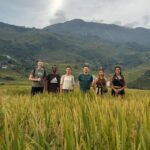
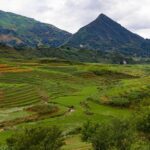
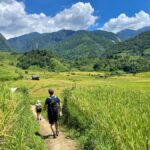
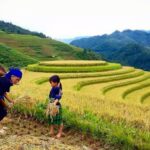
- An easy-to-moderate trekking day across rice terraces and pine forests
- Lunch included either as a picnic or a meal at a local homestay
- A traditional Red Dao herbal bath in a wooden tub with aromatic medicinal herbs
- Small group size (max 10) with an English/Vietnamese-speaking guide
Meeting at Nhà Thờ Đá Sapa: starting your rural Sapa day the right way
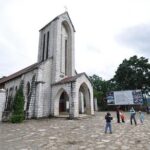
I like tours that start with you already oriented. This one meets at Nhà Thờ Đá Sapa (Sapa Main Church), and it keeps the day moving with a guide from the very beginning.
The early start also matters. You’ll want to be ready around 9:00, since the day is built around multiple village stops and the herbal bath later in the afternoon. If you’ve been tempted to sleep in while in Sapa, this trek will quietly judge you.
You can also read our reviews of more tours and experiences in Sa Pa.

Suoi Ho Village walk: Black H’mong daily life, not a stage set
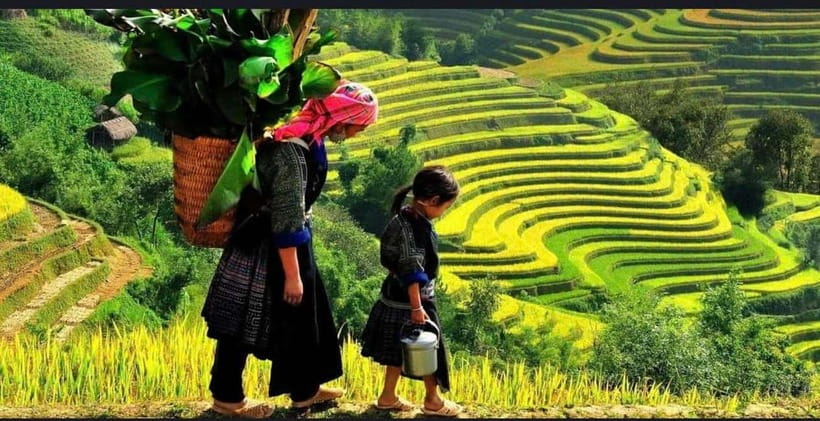
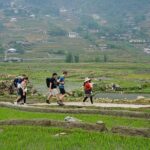
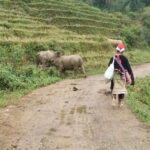
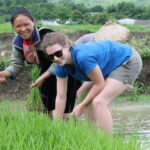
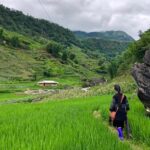
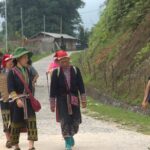
You begin with a short walk out toward Suoi Ho Village, a peaceful Black H’mong community. From there, your guide brings the place to life with everyday details—how people farm, how they manage animals, and how daily routines shape the landscape of village life.
In my mind, this is the best kind of cultural visit: you’re not rushing through a checklist. You’re actually in the rhythm of the community, asking questions and getting explanations as you go. This is also where a trek earns its keep. You’re not just transported—you’re walking through the areas people actually live around.
Practical tip: wear comfortable shoes and bring insect repellent. The itinerary may be “easy to moderate,” but the outdoors still does outdoors things.
Ma Tra Village: school and craft conversations that make culture make sense
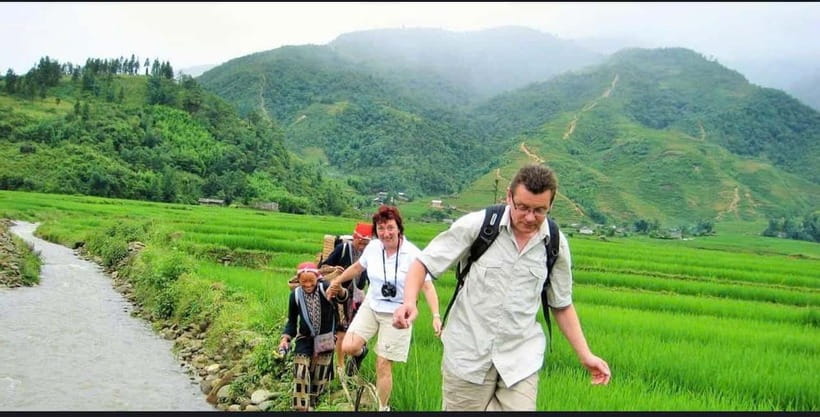
Next comes Ma Tra Village, where you typically get time to visit a local school or chat with villagers about customs and crafts. Even when the visit is short, it often hits harder than a longer museum stop because you’re seeing how knowledge and skills are passed along.
Craft talk is especially valuable here. Embroidery and handiwork are more than souvenirs—they’re part of how families survive, celebrate, and identify themselves. If your brain likes connecting dots, this stop usually does it quickly.
One caution: this is a village, not an open-air workshop. Keep questions respectful, and don’t expect everything to be staged for your camera. Let the guide set the pace.
Lunch in Ta Phìn: a picnic or homestay meal with real views
Around late morning, you’ll stop for lunch, either as a picnic lunch or a meal at a local homestay. Either way, the goal is the same: traditional dishes in a setting that’s closer to local life than restaurant tourism.
I like that the tour doesn’t treat lunch as a boring box-check. People often remember where they ate more than what they ate, and here you’re getting a view with it—mountain air, village surroundings, and time to refuel before the Red Dao section of the day.
Also, if you have dietary needs, it’s worth knowing the lunch can include options beyond a single set menu. The data you’re working from says traditional dishes, and at least one group noted vegetarian availability—still, it’s smart to mention your needs ahead of time so your guide can coordinate.
Ta Phìn Village and Red Dao culture: embroidery and herbal medicine threads
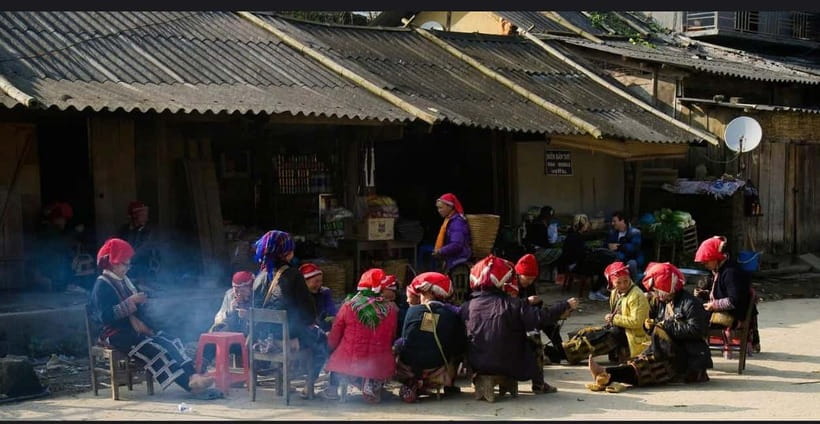
After lunch, the trek moves onward to Ta Phìn Village, home of the Red Dao ethnic group. This is where the day gets its signature cultural focus, with time to learn about Red Dao traditions—especially embroidery techniques and herbal medicine traditions.
What I like about this stop is that it explains identity through practical skills. Embroidery isn’t just art; it’s how clothing, meaning, and technique get carried across generations. Herbal medicine isn’t presented as magic, either—it’s tied to the knowledge people use in daily life.
If you’re the type who likes to ask questions, you’ll probably have a good time here. Guides on this route (including people like Su and Gao, based on past departures) tend to be good at connecting what you’re seeing to how people live.
How to get more out of this part: keep your questions simple: what you see, what it’s used for, and how long it takes to learn a skill.


The Red Dao herbal bath in a wooden tub: hot, calming, and targeted
Then comes the payoff: the traditional Red Dao herbal bath. You’ll soak in a wooden tub filled with aromatic medicinal herbs, and it’s believed to help with muscle pain relief and circulation.
I’m a fan of ending a hike with something that actually supports recovery. After several hours of walking, that warm soak can feel like a reset—like you’ve taken your legs offline for an hour. And because it’s herbal and hot, it tends to feel like more than a quick rinse.
Two practical notes based on what you’ll be doing:
- Bring an open mind: it’s hot and herbal-scented, by design.
- If you’re sensitive to heat, plan to take it slow and tell your guide what feels right for you.
How long is the trek really, and what pace should you expect?
This is listed as a 6-hour experience with trekking distance around 12–14 km, rated easy to moderate. In plain terms: most people can do it, but it’s not a casual stroll. You’ll be walking between villages, and the day ends back in Sapa by car.
The itinerary’s structure also matters. You meet in the morning, walk to Suoi Ho, move to Ma Tra, stop for lunch around late morning, then reach Ta Phìn and wrap with the bath in the early-to-mid afternoon. Return timing is set so you’re not stuck out past your day.
Your best strategy is to pace yourself early. If you sprint to “make time,” you’ll feel it later—especially once you’re carrying your energy through the final stretch to Ta Phìn.
Small group size (max 10) and guide-led depth: why it changes the day
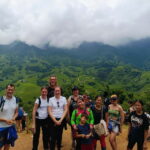
This tour runs as a small group with a maximum of 10 participants and a live guide in English and Vietnamese. I like small groups on a trek because it reduces the “herding cats” feeling and makes it easier to ask questions without shouting.
It also helps that guides vary by day but often bring real person-to-person explanations. Past departures included guides like Su (noted for strong English, sometimes with a bit of French) and Gao. The common thread is that they share details about village life, crops, and day-to-day routines—not just the name of the place.
If you want your day to feel conversational, this format supports that.
What’s included for your money (and what you still need to carry)
The price is $26 per person, and you’re not only paying for “someone to walk with you.” Your included costs cover:
- A local guide
- Picnic lunch or a meal at a local homestay
- The Red Dao herbal bath
- Transportation back to Sapa
That’s solid value for a day that includes both cultural visits and a real activity at the end. Where you still need to be responsible is on the basics you carry:
- Comfortable shoes
- Water
- Insect repellent
- Weather-appropriate clothing
- A daypack
If you forget the shoes, your legs will file a complaint in writing. Same for water—Sapa trekking days can add up fast.
Who should book this Sapa trek, and who should skip it
I think this tour is a great fit if you want a day out of Sapa that feels rural and community-focused. It’s especially appealing if you like walking between villages and learning how people grow food, keep traditions, and use herbal knowledge.
It’s also a good choice if you prefer a finish that isn’t just another viewpoint. The herbal bath is a clear, memorable end to the day, and it’s designed for relaxation after trekking.
You should probably skip it if you have mobility limitations or if you’re traveling with children under 6, since the trek and village walking aren’t designed around accessibility needs.
Should you book the Sapa Ta Phìn village trek with herbal bath?
Yes—if you want a full-day Sapa experience that mixes village culture with a practical activity endcap. The value is strong for $26 because lunch, the herbal bath, guiding, and transport back to Sapa are all included.
Book it if you can handle about 12–14 km of easy-to-moderate walking and you’re comfortable being outside for most of the day. Skip it if your ideal Sapa day is mostly flat, or if you know you won’t manage the walking sections comfortably.
If you’re on the fence, your decision should come down to one question: do you want to spend your day with people in their villages, with a guide leading your questions—and then soak in hot herbs to recover?
FAQ
How long is the Sapa Ta Phìn Village Trek and Red Dao herbal bath?
It runs for about 6 hours, starting around 9:00 and finishing in Sapa by around 3:30.
How far do you trek on this tour?
The trekking distance is listed as approximately 12–14 km.
Where does the tour start and where do you end?
The tour starts with pickup at Nhà Thờ Đá Sapa (Sapa Main Church) and ends back at the same location in Sapa.
Which villages do you visit during the day?
You visit Suoi Ho, Ma Tra, and Ta Phìn villages.
Is lunch included?
Yes. You’ll have either a picnic lunch or a meal at a local homestay with traditional dishes.
What is the Red Dao herbal bath like?
You relax in a traditional Red Dao herbal bath in a wooden tub filled with aromatic medicinal herbs.
How big is the group, and what languages are available?
The group is small, limited to 10 participants, and the live guide works in English and Vietnamese.
Can I cancel or pay later if my plans change?
Free cancellation is available up to 24 hours in advance for a full refund, and you can reserve now and pay later.