REVIEW · KATHMANDU
From Kathmandu: Guided Everest Base Camp Trek
Book on GetYourGuide →Operated by Info Nepal Tours and Treks · Bookable on GetYourGuide
Everest Base Camp is the kind of goal you remember forever. This 12-day guided trek blends iconic high-altitude scenery with Sherpa culture stops and a smart acclimatization rhythm. I especially like the focus on classic landmarks like Namche Bazaar and Tengboche, and I like that the support is built around an English-speaking guide who can keep you moving safely.
One thing to consider: this route is physically demanding and altitude is real business. If you’re sensitive to heights—or you show up with a training gap—this itinerary will feel tough fast, even though it includes rest and acclimatization days.
In This Review
- Key takeaways before you commit
- Why Everest Base Camp Feels Like a Real Adventure, Not a Checklist
- Price and Logistics: What $408 Covers (and What It Doesn’t)
- From Kathmandu to Lukla to the Base Camp Area: The Route in Plain Terms
- Day-by-Day: What You’ll Experience (and Why Each Part Matters)
- Day 01: Fly to Lukla and trek to Phakding (2610m)
- Day 02: Trek to Namche (3440m)
- Day 03: Acclimatization day in Namche Bazaar (3440m)
- Day 04: Trek to Tyangboche (3800m)
- Day 05: Trek to Dingboche (4400m)
- Day 06: Rest day in Dingboche (4400m)
- Day 07: Trek to Lobuche (4900m)
- Day 08: Trek to Gorak Shep (5150m) and continue to Everest Base Camp (5365m)
- Day 09: Kala Patthar (5545m) and trek to Pheriche (4200m)
- Day 10: Trek back to Namche (3440m)
- Day 11: Trek to Lukla (2800m)
- Day 12: Fly back to Kathmandu
- Guides and Organization: Why This Trek’s Support System Matters
- The Real Challenge: Terrain, Altitude, and Pace
- Sherpa Culture and Monastery Days: The Best Non-View Moments
- What You’ll Take Home: Views, Photos, and That Accomplishment Feel
- Should You Book This Everest Base Camp Trek?
- FAQ
- How long is the Everest Base Camp trek from Kathmandu?
- Does the price include domestic flights to Lukla?
- Will I have an English-speaking guide?
- Are permits for Sagarmatha National Park included?
- Is food included during the trek?
- What is not included in the tour price?
- Is this a small-group trek?
Key takeaways before you commit
- Lukla to Everest Base Camp in 12 days, with planned breaks to help you adjust
- Namche Bazaar acclimatization plus a full rest day in Dingboche
- Tengboche Buddhist monastery stop for prayer rituals and panoramic views
- Kala Patthar for a close look at Everest during sunrise timing (when conditions allow)
- Small-group feel with an English live guide and strong organization from Rajesh
- Real support on the trail, including guide help with pace and gear when needed
Why Everest Base Camp Feels Like a Real Adventure, Not a Checklist
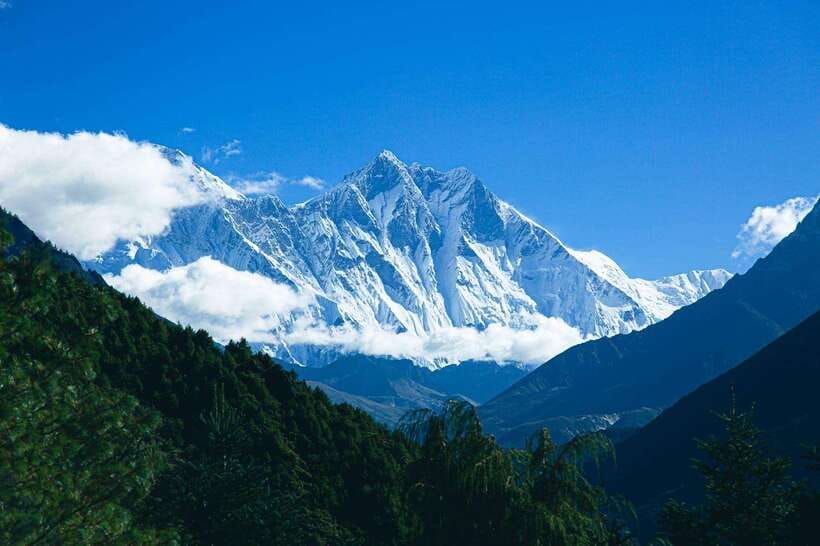
The Everest Base Camp trek works because it hits both sides of travel: big sights and human moments. You’ll spend days looking at some of the highest mountains on Earth, but you’ll also be walking through Sherpa communities with monasteries, prayer flags, and everyday life that keeps going even when the altitude steals your breath.
I like that the route doesn’t treat culture as a side quest. Stops around Namche Bazaar and the Tengboche monastery give you context for why this region matters. And because the trek runs through Sagarmatha National Park, it’s also tied to protected Himalayan wildlife—think snow leopards, musk deer, and Himalayan tahr, even if you won’t reliably see them.
There’s also a practical advantage: this trek has a reputation, so you know what you’re buying. You’re paying for a guided plan that matches how the trail actually behaves—slow climbs, long descents, and plenty of chances for big-photo moments.
You can also read our reviews of more tours and experiences in Kathmandu.
Price and Logistics: What $408 Covers (and What It Doesn’t)
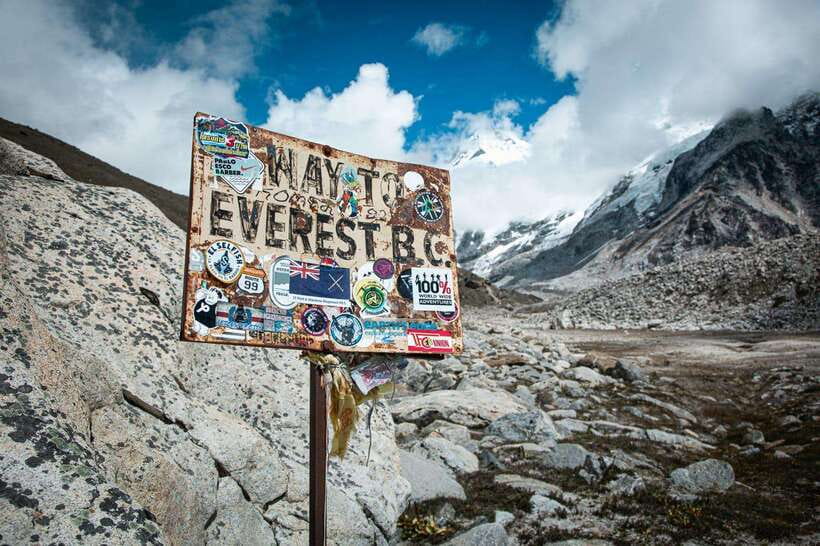
At $408 per person for 12 days, this trek is priced for value if you want the structure. You’re not just getting a route. You’re getting real “moving parts” covered: a guide, trekking map, a first-aid kit, and a Sagarmatha National Park permit. You also get trekking-day accommodation included, plus the guide’s accommodation and meals.
The big catch is that some costs depend on your selected options. The trek includes roundtrip domestic flights from Kathmandu to Lukla only if you pick the option selected. Also, food and drinks are included only if you choose the full board option. On top of that, the Nepal visa fee and travel insurance are not included.
Here’s the honest way to judge the value: if you’re comfortable handling visa and insurance yourself and you select the domestic flights option, $408 starts to look like you’re paying mainly for coordination, permits, and a guide who can manage the day-to-day reality of trekking.
From Kathmandu to Lukla to the Base Camp Area: The Route in Plain Terms
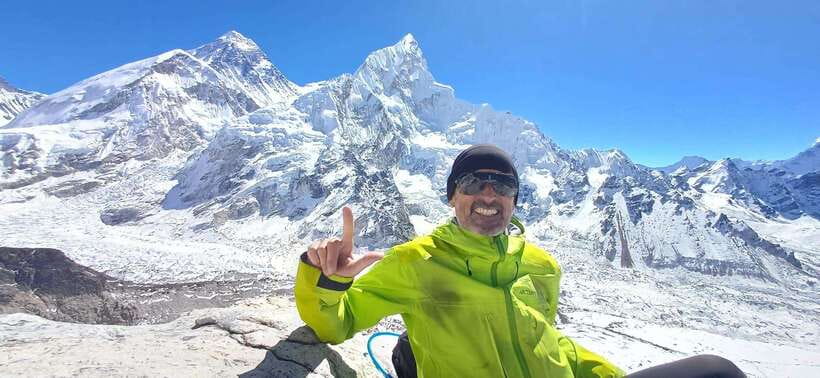
This is a classic walk higher, then adjust itinerary. You start with a flight to Lukla, then work your way through Khumbu villages and markets, gradually increasing elevation. The plan gives you acclimatization in Namche Bazaar and a rest day in Dingboche, which matters because altitude problems are not something you can “push through” like a normal hike.
The final push runs from the high settlement area around Gorak Shep to Everest Base Camp, then up to Kala Patthar (for the Everest view) before dropping down toward Pheriche and back to Namche and Lukla.
If you remember one thing, make it this: the trek isn’t only about reaching Everest Base Camp. It’s about making it there feeling functional enough to enjoy it.
Day-by-Day: What You’ll Experience (and Why Each Part Matters)
Day 01: Fly to Lukla and trek to Phakding (2610m)
You land in Lukla and start walking right away. This first leg sets the tone: shorter distances, lots of stops for views, and time to settle into trekking mode. If your legs feel heavy, that’s normal—day one is about getting moving, not racing.
Day 02: Trek to Namche (3440m)
Today you climb significantly to reach Namche Bazaar, the gateway town of the Everest region. Expect a mix of trail and village life as the altitude rises. Namche is also where the trek starts feeling more “alive,” because it’s the hub for shops, viewpoints, and meeting other trekkers.
Day 03: Acclimatization day in Namche Bazaar (3440m)
This is one of the smartest parts of the itinerary. Acclimatization here helps reduce the odds of altitude issues later. You’ll have time to explore Namche, pick up snacks or small gear items, and take in surrounding mountain views without the pressure of trekking uphill all day.
Day 04: Trek to Tyangboche (3800m)
You head higher toward the Tengboche area, known for the Buddhist monastery and its daily rituals. This is a spiritual and scenic day at the same time. The monastery stop typically gives you a calmer moment in a trek that can feel intense—plus, the views from the region are the kind you stop talking long enough to stare.
Day 05: Trek to Dingboche (4400m)
Now the trek climbs again, bringing you into a higher, thinner-air zone. Dingboche is a classic stop for Everest-region trekkers because it sets you up for the higher days ahead. The scenery gets more rugged, and the walking pace usually has to slow down just to stay comfortable.
Day 06: Rest day in Dingboche (4400m)
Another key safety buffer. A rest day here helps your body adjust before the tougher elevations. Use it to hydrate, eat steadily, and keep your efforts light. This isn’t “extra time for fun,” even if it feels like a bonus—it’s part of how you make the next days possible.
Day 07: Trek to Lobuche (4900m)
This day pushes higher again. Lobuche sits in a zone where the environment feels more stark and the air gets thin enough that breathing becomes more deliberate. Expect a tough climb with payoff in the increasing drama of the surrounding peaks.
Day 08: Trek to Gorak Shep (5150m) and continue to Everest Base Camp (5365m)
This is the major transition day. You’ll reach Gorak Shep, then continue toward Everest Base Camp. The altitude is high, and the trail feels more demanding, but this is the day where the trek starts to feel like you’re really “there.”
What makes it memorable is not just standing at Everest Base Camp (5365m). It’s the way you see the surrounding glaciers and the Khumbu Icefall area from a distance. Even if you’re not a mountaineering nerd, you’ll feel how serious this place is.
Day 09: Kala Patthar (5545m) and trek to Pheriche (4200m)
Kala Patthar is the classic viewpoint for getting a close-up look at Everest. Many trekkers target the sunrise timing for that top-of-the-world feeling, though conditions can affect visibility. Then you drop down to Pheriche, which is a relief for your legs after the altitude push.
Day 10: Trek back to Namche (3440m)
You’re descending now, but don’t treat it as an easy day. Descents can still be hard on knees, and the pace tends to be careful. You’re moving back through familiar territory, which helps you connect the dots between villages and viewpoints.
Day 11: Trek to Lukla (2800m)
This day usually feels like the endgame, even though you’re still working. The altitude is lower than the base camp zone, so breathing tends to feel easier. You’ll be thinking about the flight home and the strange mix of relief and “wait, it’s over?”
Day 12: Fly back to Kathmandu
You return to Kathmandu by flight. After days of trail time, Kathmandu feels busy again, but in a good way. You’ll likely notice how much easier everyday movement feels after the thin-air days.
Guides and Organization: Why This Trek’s Support System Matters
A guided Everest Base Camp trek lives or dies by how the guide handles the details that you can’t control. The English-speaking component is big for confidence on the trail. In the trip’s feedback, guides like Saran and Prayas are praised for being helpful and for keeping communication smooth, including when English isn’t your strongest language.
I also like how the organization shows up before you even start walking. The agency organizer Rajesh is described as quick to respond on WhatsApp and proactive about what you need. That kind of pre-trek clarity helps you pack and plan better, which matters when you’re heading into a high-altitude environment.
And support isn’t just theory. One solo traveler mentioned getting medical assistance when she fell ill near the end and receiving a porter for the last day. That’s a reminder: plans are great, but flexibility is what gets you across the finish line.
The Real Challenge: Terrain, Altitude, and Pace
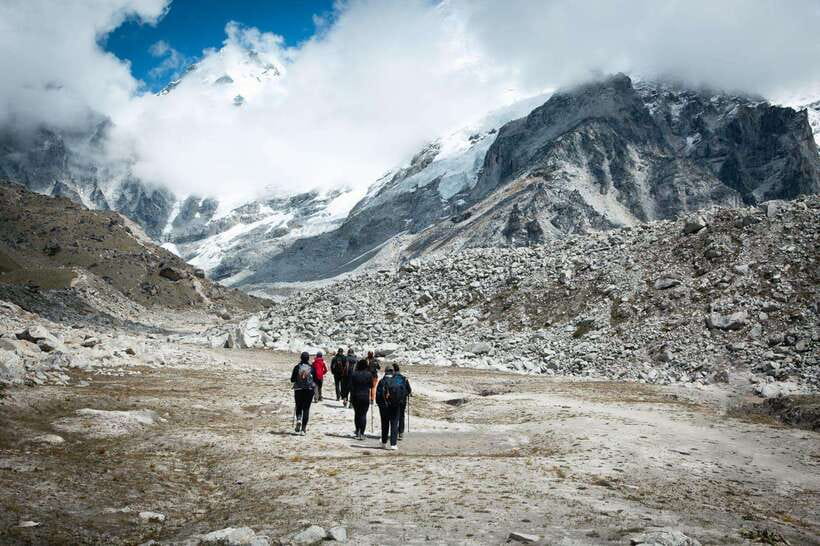
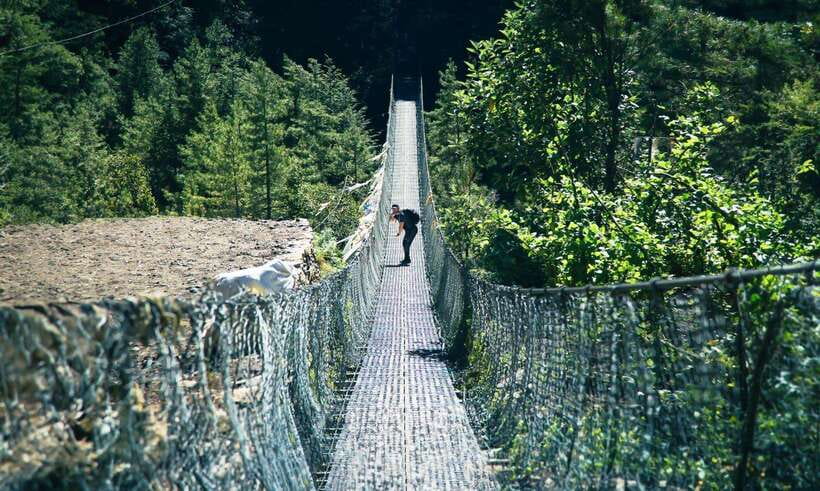
The route includes challenging ascents and descents, suspension bridges, and rocky trails. That mix keeps you working your balance and footing. More than once, the trail will feel slow not because it’s long, but because your body is adjusting to altitude.
This is why the itinerary’s built-in stops matter. Namche acclimatization and Dingboche’s rest day aren’t just “nice.” They’re the difference between finishing and feeling wrecked too early. If you tend to push hard at the start, this plan will coach you to slow down.
Quick practical advice that fits this itinerary:
- Keep your pace controlled, especially on the climbing days.
- Hydrate consistently, not in giant bursts.
- Dress in layers so you can manage temperature swings as you gain and lose elevation.
- Bring a small stash of easy-to-eat snacks so you’re never forced into last-minute hunger.
If you respect the rhythm, you’ll have more energy for the views—especially the big ones around Tengboche and Kala Patthar.
Sherpa Culture and Monastery Days: The Best Non-View Moments
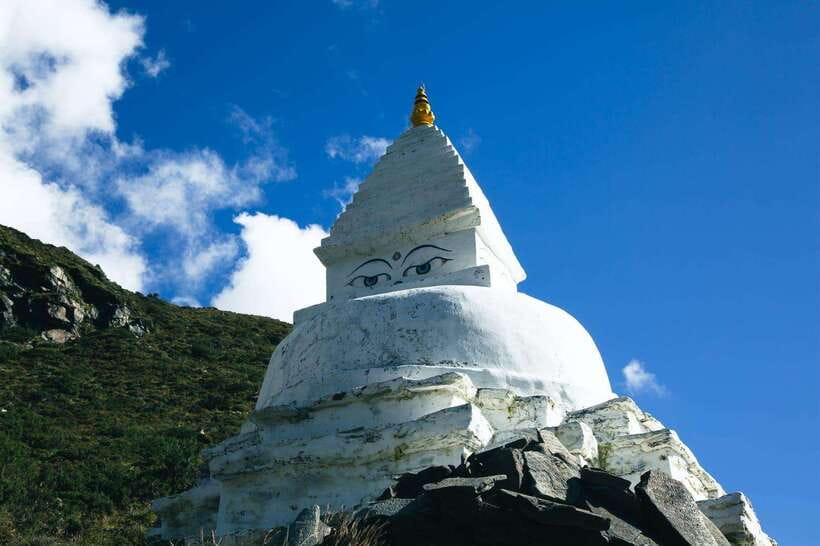
Some treks feel like a string of photo stops. This one leans more human. You’ll pass through Sherpa communities where mountaineering culture is part of local identity, not an outside spectacle. There’s also mention of Sherpa dress and a chance to visit a museum, which helps turn what you’re seeing into something you understand.
The Tengboche monastery stop stands out because it’s not only scenic. It’s about watching daily rituals and ceremonies in a place that’s been functioning for generations. Even if you don’t know the prayers, you’ll understand the mood: quiet focus, community routine, and a view that’s powerful enough to make you shut up for a minute.
Then there’s the environment side: trekking through Sagarmatha National Park puts you in a protected zone. That means you’re not just walking near mountains—you’re walking inside a conservation area tied to rare Himalayan wildlife like musk deer and (if you’re lucky) snow leopards.
What You’ll Take Home: Views, Photos, and That Accomplishment Feel
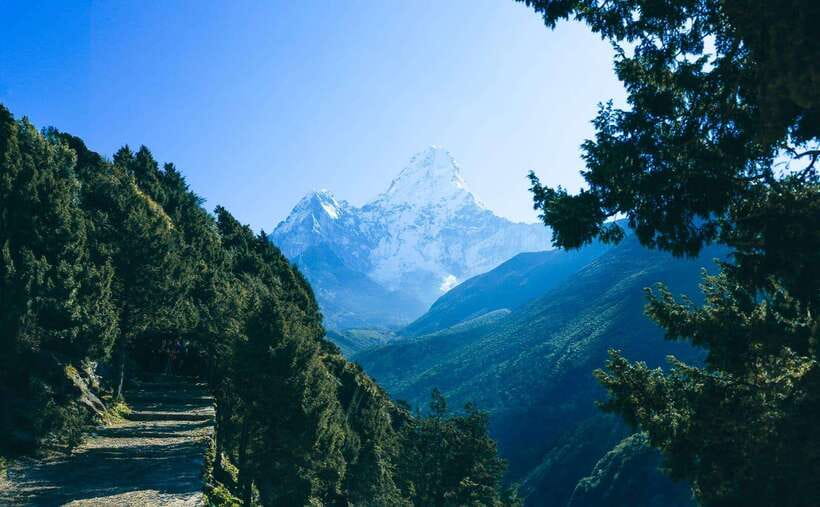
This trek is famous because it keeps its promise. You’ll reach Everest Base Camp at 5365m, then chase the stronger close-up from Kala Patthar (5545m). Those two targets are the reason most people book.
But the strongest memories in this style of trip often come from small things: how your guide handles timing, how your group moves together, and the way photos happen naturally because the views keep appearing. One traveler specifically highlighted that their guide helped with photos and even created a video, which is exactly the kind of extra value that makes a trek feel complete.
You’ll also come away with a new understanding of how Sherpa communities live with the mountains. That’s part of why EBC stays iconic long after the photos fade.
Should You Book This Everest Base Camp Trek?
Book it if you want:
- A guided, small-group approach where someone else manages the permit and route rhythm
- An itinerary that includes acclimatization in Namche and a rest day in Dingboche
- A trek that pairs major sights with Sherpa culture stops like Tengboche monastery
Skip or rethink if:
- You’re not ready for a tough, altitude-heavy trek.
- You’re trying to minimize logistics costs and you didn’t plan for the fact that visa fees and travel insurance aren’t included, and Lukla flights depend on your option.
My take: if you choose this with the right expectations and you respect the pace, it’s a solid value way to do the classic Everest Base Camp route with real human support behind it.
FAQ
How long is the Everest Base Camp trek from Kathmandu?
It runs for 12 days, including the flights between Kathmandu and Lukla.
Does the price include domestic flights to Lukla?
Roundtrip domestic flights from Kathmandu to Lukla are included only if you select the option for them.
Will I have an English-speaking guide?
Yes. The tour includes a live guide in English.
Are permits for Sagarmatha National Park included?
Yes. The Sagarmatha National Park permit is included.
Is food included during the trek?
Accommodation is included during the trek. Food and drinks are included if you choose the full board option.
What is not included in the tour price?
Nepal visa fee and travel insurance are not included.
Is this a small-group trek?
Yes. The tour is offered as a small group.