REVIEW · KATHMANDU
Annapurna Base Camp Trekking 09 Days
Book on Viator →Operated by Adventure Vision Treks and Travels · Bookable on Viator
High peaks start right after Kathmandu. This Annapurna Base Camp trek stands out because it delivers sunrise views and safety-first guidance from pros like Milan and Tony, plus it loops you through classic villages and tea houses without feeling like you’re rushing every hour. I also like that permits and local taxes are handled for you, and you’re fed well on trekking days with tea-house breakfasts plus lunches and dinners. One real consideration: haze can soften the views early in the climb, before things clear up later.
The best part for practical planners is how the route starts fast. A drive takes you to Jhinu Danda, the furthest accessible point by road, so your first real walking day feels like the trek begins immediately—then you come back the same way, with time to recover in Pokhara and finish in Kathmandu (including a farewell dinner in Thamel).
In This Review
- Key Highlights Worth Your Attention
- Why Annapurna Base Camp Feels More Manageable Than Everest
- Getting There: Kathmandu and the Coach Runs You’ll Actually Appreciate
- Pokhara Lake-Side Stop: Your Soft Landing Day
- From Jhinu Danda to Sinuwa: The First Real Taste of the Trail
- Deurali Guest House to Annapurna Sanctuary: Getting Serious About Views
- Annapurna Sunrises and the Descent to Bamboo: Where Energy Comes Back
- Pokhara Back Again, Then Kathmandu and Thamel Farewell
- Price and Value: What $900 Covers (and What It Doesn’t)
- Guides Like Milan, Tony, Akal, and Bisho: Why the Right Person Changes Everything
- Weather, Timing, and Optional Shortcuts You Can Ask About
- Should You Book This 9-Day Annapurna Base Camp Trek?
- FAQ
- Where does the trek start and end?
- What’s included in the price?
- What meals are not included?
- Do I need a permit?
- How do transfers work between cities?
- What fitness level is required, and can plans change for weather?
Key Highlights Worth Your Attention
- Road-to-Jhinu Danda start: you’re not stuck spending days just getting into the mountains
- ABC plus Machhapuchhre Base Camp pass: you get a classic high point of the trail
- Meals and tea-house breakfast included on trekking days: less day-to-day deciding, more hiking
- Pokhara lake-side downtime: a real decompression stop before Kathmandu
- Guides who stay on top of safety and pacing: names like Tony, Akal, Milan, and Bisho show up repeatedly in strong feedback
- Flex options like flying or helicopter changes: the team has handled requests such as helicopter options and route tweaks
Why Annapurna Base Camp Feels More Manageable Than Everest
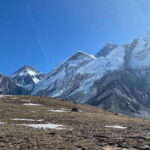
If you’re choosing between Annapurna Base Camp and Everest Base Camp, you’ll probably like ABC because it’s often described as shorter and easier than the Everest route, while still giving you that same high-altitude sense of reaching a big destination. The key is that you still get the emotional payoff of walking into the Annapurna region and standing close to huge peaks—without needing the same level of time on the trail.
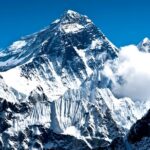
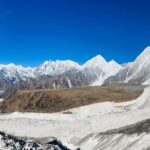
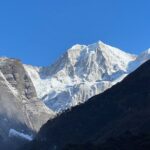
From the way this route is paced, it feels built for people who want the big scenery plus a reasonable chunk of structure: planned overnight stops, included guide support, and a clear back-and-forth plan between Kathmandu, Pokhara, and the trekking corridor. You’re also treated to mountain-name views that are genuinely specific—peaks like Mt. Fishtail, Annapurna I, Annapurna South, Annapurna III, Gangapurna, Barachuli, and Himchuli—not vague skyline promises.
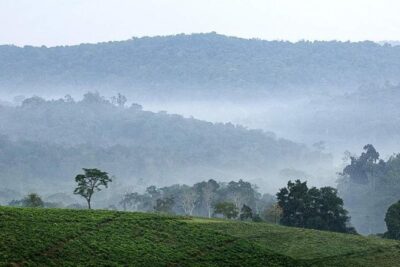
The one trade-off is that high-mountain views aren’t always guaranteed day one. Even in strong seasons, haze can show up early, so your best photos and peak clarity may come later in the trek. I’d plan on that in your expectations: treat early days as building days, not the day-everything-is-perfect lottery.
You can also read our reviews of more tours and experiences in Kathmandu.
Getting There: Kathmandu and the Coach Runs You’ll Actually Appreciate
This trip is designed around simple logistics: start in Kathmandu, and end back in Kathmandu. You’ll be picked up from your international airport, then you’ll ride to Pokhara by tourist coach. After the trek, you’ll return to Kathmandu by coach as well.
That matters because trekking success isn’t only about legs. If you have to fight transfers every step of the way, you end up tired before you even start climbing. Here, the key transportation pieces are included: Kathmandu to Pokhara both ways, plus public transport fare from Pokhara to Jhinu and back. The less you worry about those segments, the more energy you keep for the mountains.
Also, you’re not guessing about where you’ll eat during trekking days. Tea-house breakfast is included, along with meals on trekking days (the package specifies meals as lunch and dinner during trekking days, plus lunch on at least one day plan). In plain terms: you should be able to focus on moving rather than constantly budgeting and hunting.
One more practical note: this is a private activity for your group. Group discounts may apply, but you’re not packed into a giant free-for-all. That usually means a smoother pace and fewer awkward waits on narrow trails.
Pokhara Lake-Side Stop: Your Soft Landing Day
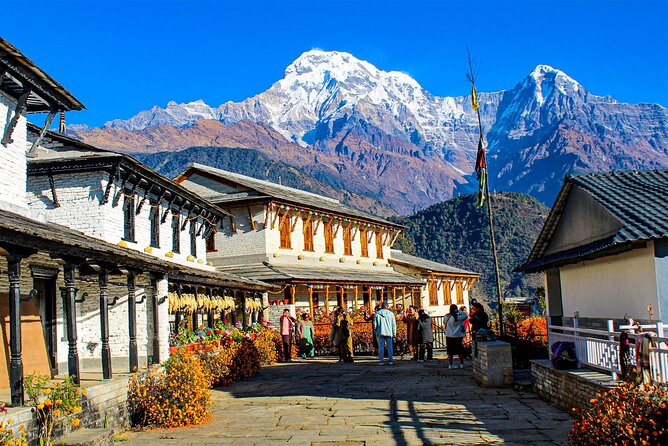
Pokhara is the buffer between city life and mountain effort. After an early ride, you’ll get time to roam around the lake-side area in the evening, with an overnight at a hotel by the lake.
This isn’t just a casual extra day. It’s a useful reset. You’ll be mentally ready for trekking by the next morning, instead of treating Pokhara like a quick layover. If you want easy walking and scenic downtime without committing to a whole second tour, this is where you’ll likely enjoy yourself most.
What’s included here is your vehicle and the overnight base. What’s not included: meals in Kathmandu and Pokhara. So you’ll want to budget for dinner and breakfast in these cities on your own, and pick based on what feels good rather than what’s on a schedule.
If you’ve booked the lighter or shorter customized options (like flying instead of longer rides), you may shift the timeline—but the overall idea stays the same: use Pokhara as your rest pocket before trekking starts for real.
From Jhinu Danda to Sinuwa: The First Real Taste of the Trail
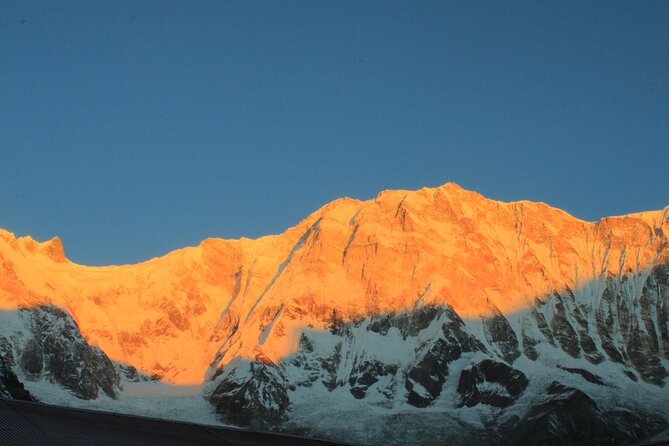
The mountain journey proper starts with a ride from Pokhara to Jhinu Danda, which is the trekking starting point used for this package. From there, you trek up toward Chhomrong, where you take lunch, then continue toward Sinuwa.
This first full trek day is one of the most important parts of the whole trip. Early days set the tone for your pacing. If you come in too hot, you’ll feel it later. If you go steady, you get to enjoy the walking and the gradual ramp into higher terrain.
You’ll trek from the lower Sinuwa area to upper Sinuwa and overnight there. That means you’re not just walking to a point and sleeping flat—you’re building height as the days progress. Since this trek is known for being shorter than Everest Base Camp routes, it makes sense that the rhythm is consistent: enough climbing to matter, enough structure to keep you from guessing.
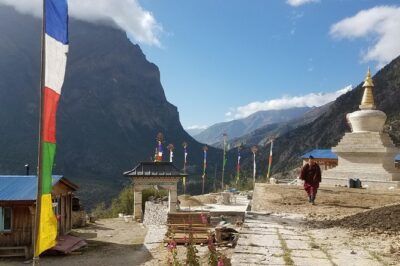
In terms of expectations, the trail type can feel varied rather than one-note. In the feedback from recent hikers, people describe passing through village segments and forested trail sections, with glimpses of peak scenery when the sky cooperates. Even when views are muted, the route still feels alive—there’s motion, small settlements, and constant scenery changes.
Deurali Guest House to Annapurna Sanctuary: Getting Serious About Views
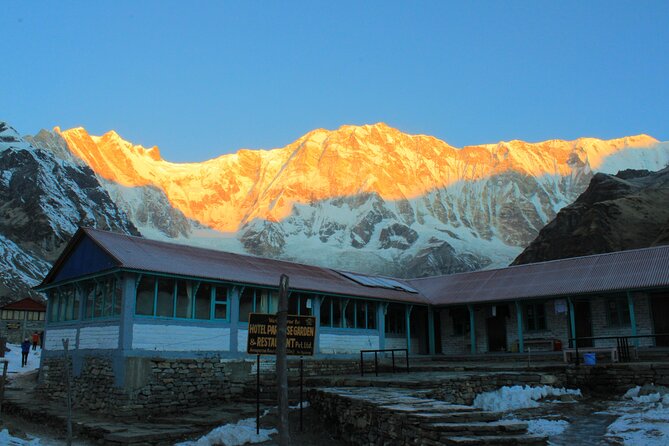
After breakfast, you’ll trek onward through bamboo, dovan, and himalaya areas before reaching Deurali for the night. This day matters because it’s a bridge between early climb and the moment you start looking at the Annapurna Sanctuary like it’s a real place you can reach.
Then comes the big target day: from Deurali into the Annapurna Sanctuary, where you’ll reach Annapurna Base Camp (ABC) and overnight there. On the way, you pass Machhapuchhre Base Camp (MBC)—a highlight that many trekkers treat as a checkpoint for the kind of scenery that makes ABC famous.
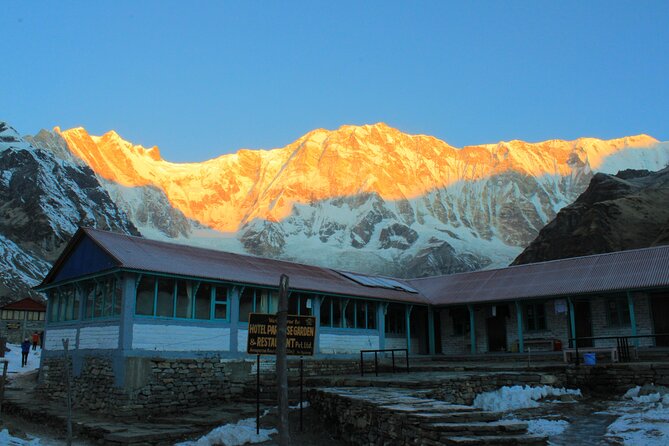
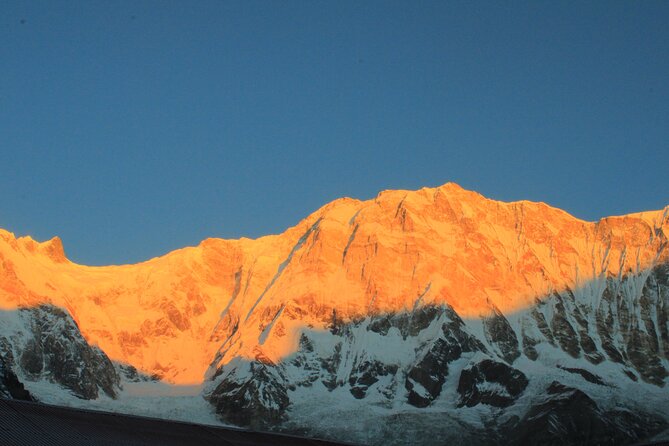
Also, sunrise and morning skies are huge in the Annapurna region, and you see that pattern reflected again later in the itinerary with another sunrise moment on the way down. The package timing supports that: you’re moving early enough to catch the light when it’s best.
Reality check: base camp life is not a luxury retreat. At ABC, facilities are limited. You should expect simple, functional conditions rather than comfort-city standards. The payoff is the setting and the sense of arrival: you’ve walked to the point where the peaks feel close enough to be real.
If you’re sensitive to discomforts, treat the base camp overnight as part of the experience, not a service complaint. You’ll likely get more enjoyment by focusing on the views and the achievement rather than trying to rate it like a hotel.
Annapurna Sunrises and the Descent to Bamboo: Where Energy Comes Back
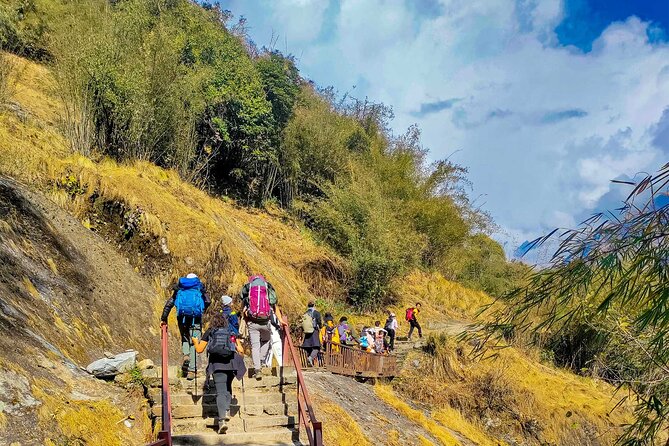
One of the most memorable moments in this trek pattern is the morning routine. Early on, you get a chance to see sunrise at the Annapurna range, then you start trekking down to Bamboo.
The descent path is still active hiking, not a slow stroll. You pass back through segments you saw earlier: Machhapuchhre Base Camp (MBC), Deurali, Himalaya, and Dovan, before reaching Bamboo for overnight at a hotel.
The reason this section can feel emotionally different is that you’ve already reached the main goal. Descents often feel easier mentally even if they’re still physically demanding. You’ve already paid the hard entry fee, now you’re collecting the last views as you leave the highest point behind.
Also, Bamboo is the kind of stop where you start breathing a little easier. It breaks up your final push back toward Pokhara and helps you avoid the classic mistake of burning out right after reaching ABC. In many trekking styles, the last days are where people get sloppy. Here, your itinerary gives you a clear, structured out.
From the strong feedback you’ll read about guides, one common theme is smooth pacing and keeping everyone moving safely. Hikers talked about guides that stayed attentive, explained what was happening along the way, and kept the group in sync. Names like Akal, Bisho, and Tony show up repeatedly as good examples of that supportive style.
Pokhara Back Again, Then Kathmandu and Thamel Farewell
After Bamboo, you trek down to Jhinu Danda, and then you take a vehicle ride back to Pokhara for an overnight. That’s a long day, but it’s also a satisfying one: you’re closing the loop.
Then you head back to Kathmandu by tourist coach. You’ll arrive, and in the evening you can enjoy a farewell dinner at Thamel by Adventure Vision Treks. That’s a nice way to bring the story together: mountains all day, then Kathmandu food and conversation at night.
Since meals in Kathmandu and Pokhara aren’t included, you’ll want to plan your spending for those city dinners. But that also means you get freedom to choose what suits you after you’ve been on trekking meals for several days.
If you’re thinking about comfort and recovery, this part is important. The trek ends, your body needs real downtime, and Pokhara offers that middle landing. Kathmandu finishes the trip, and Thamel is a good place for a final night because it’s practical and easy to navigate.
Price and Value: What $900 Covers (and What It Doesn’t)
At $900 per person, this package looks value-focused on the core costs that usually add up: a guide, trekking permits and local taxes, tea-house breakfast, and the meals scheduled during trekking days. You also get major transportation included—Kathmandu to Pokhara both ways by tourist coach, plus Pokhara to Jhinu public vehicle fare both directions.
What you don’t get is also clear. Nepal visa fees are not included, and meals in Kathmandu and Pokhara aren’t included. Alcoholic beverages are also not included.
So is $900 a good deal? For many hikers, yes—because the package covers the big administrative and on-trail pieces. The biggest cost wins are typically: guide time, permits, and not having to arrange every transfer yourself. When those are included, you reduce uncertainty, and uncertainty is expensive in both money and energy.
One more value point: the trek can be customized. If you choose options that involve flying to and from Pokhara, the itinerary can be reduced by about two days. You’d be paying for convenience, but it may be worth it if you’re trying to fit the trek into a tighter vacation window.
Guides Like Milan, Tony, Akal, and Bisho: Why the Right Person Changes Everything
A trekking route is the bones. The guide is the spirit.
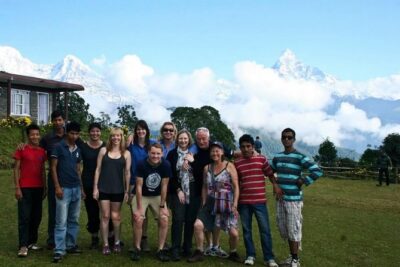
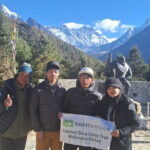
In the feedback tied to this experience, people repeatedly highlight guides who are professional but not cold. Milan is described as easy going, very informative, and helpful throughout the journey. Tony is praised for safety focus and keeping things organized near and after the hardest parts. Akal is credited with being a very good guide, and Bisho gets singled out as friendly and smiling.
That matters because Annapurna Base Camp is physically demanding, but it’s also mentally demanding. Weather can shift. Paths can feel longer than expected. Altitude can make everything slightly harder than it should be. A good guide helps you interpret what you’re seeing and keeps your group from drifting into chaos.
There’s also a pattern of strong team support beyond the main guide. Feedback includes porters described as friendly and helpful, and trip coordination credited to Jiban with strong communication. People also talked about the team handling modifications without fuss, including requests like adding family members and helicopter options.
In practical terms: if you need reassurance, pace setting, or plain good coordination, this type of team is exactly what you want.
Weather, Timing, and Optional Shortcuts You Can Ask About
This experience requires good weather. That’s not just a legal line—it’s reality on the Annapurna route. Visibility can make or break how amazing those named peaks look, and haze early in the trek is a known challenge.
If you get delayed by conditions, your best option is flexibility. The package is built around planned day stops that give you a realistic framework. It’s also worth remembering that this trip has seen adjustments like route modifications and helicopter options, so the team likely has a process for reworking plans when needed.
Also, you can shorten the overall trip by choosing options that involve flying to or from Pokhara. That’s a useful lever if you want less time on ground transport.
Fitness-wise, the package is aimed at people with moderate physical fitness. That doesn’t mean it’s a walk in the park. It means you don’t need to be a mountaineer to have a shot, but you should go into it prepared for steady daily hiking.
Should You Book This 9-Day Annapurna Base Camp Trek?
Book it if you want a classic Annapurna Base Camp experience with solid structure and minimal friction. You’ll likely appreciate the included guide support, the permits handled for you, and the fact that key transportation segments and trekking meals are part of the deal. You’ll also enjoy the way the itinerary gives you a real rest pocket in Pokhara and a friendly wrap-up in Thamel.
Skip it or think twice if weather is your biggest stress point. Haze can reduce early-day visibility, base camp facilities are limited, and you’ll still be hiking daily. If you’re okay with those trade-offs—and you want the mountains to be the main event—this is a strong choice.
If you’re aiming for an Annapurna Base Camp trek that feels reachable, organized, and guided by people who take safety seriously, this 9-day route is the kind of trip that makes the effort feel worth it.
FAQ
Where does the trek start and end?
The overall trip starts and ends in Kathmandu. The trek itself starts from Jhinu Danda, then you hike up to Annapurna Base Camp and return back to Jhinu Danda.
What’s included in the price?
Included are a trekking guide, trekking permit and local taxes, tea-house breakfast, and meals during trekking days (including lunch and dinner as specified). Transportation is included for Kathmandu to Pokhara both ways by tourist coach, plus Pokhara to Jhinu public vehicle fare both ways.
What meals are not included?
Meals in Kathmandu and Pokhara are not included. Alcoholic beverages are also not included.
Do I need a permit?
Yes, trekking permits and local taxes are included in the package. Nepal visa fees are not included.
How do transfers work between cities?
You’ll be picked up from the international airport, taken by tourist coach to Pokhara, then later return by tourist coach to Kathmandu. Pokhara to Jhinu (and back) uses public available vehicle fare.
What fitness level is required, and can plans change for weather?
The trek is suited to travelers with moderate physical fitness. The experience requires good weather, and if it’s canceled due to poor weather you’ll be offered a different date or a full refund.