REVIEW · KATHMANDU
Annapurna Circuit Trekking -17 Days
Book on Viator →Operated by Annapurna Foothills Treks Expedition Pvt. Ltd. · Bookable on Viator
Thorung La is calling.
This 17-day Annapurna Circuit trek is interesting because it moves from terraced village paths to high, spare mountain air around the Annapurna massif, with the big payoff being the Thorung La Pass crossing.
I like the way the trip is run for real hikers: you get an English-speaking, government-licensed Sherpa guide plus lodge meals most days, so you’re not guessing your way through logistics. One possible drawback: it’s not a stroll—strong fitness is required, and altitude is a serious factor even with an acclimatization day in Manang.
In This Review
- Key things that make this Annapurna Circuit plan work
- Entering the Annapurna rhythm: how the trek actually feels
- Kathmandu (Day 1): landing at 1,300m and getting your bearings
- The drive into the mountains: Kathmandu to Besisahar, then Bhulbule (Day 2)
- Village trails and steady climbing: Bhulbule to Tal (Days 3–4)
- Timang at altitude: the days get longer (Day 5)
- Pisang and Manang approach: bigger elevation, bigger views (Days 6–7)
- Manang acclimatization day (Day 8): why this pause matters
- Toward 4,000m: Yak Kharka and Phedi (Days 9–10)
- The Thorung La Pass day to Muktinath (Day 11): the long, dramatic pivot
- Tatopani and the switch back to comfort (Day 12)
- Ghorepani/Hile rhythm: legs keep moving (Days 13–15)
- Pokhara and the return to Kathmandu (Days 16–17)
- What’s included in the price—and what that really covers
- Your guide and porter setup: how to use it well
- Gear, altitude, and the honest “pace check”
- Should you book this Annapurna Circuit trek plan?
- FAQ
- Where does this Annapurna Circuit trek start and end?
- How long is the trek?
- What’s included in trekking accommodation and meals?
- Do I need to arrange permits myself?
- Is there an English-speaking guide?
- How does transportation work on the ground?
- Do I get a porter?
- What costs are not included?
Key things that make this Annapurna Circuit plan work
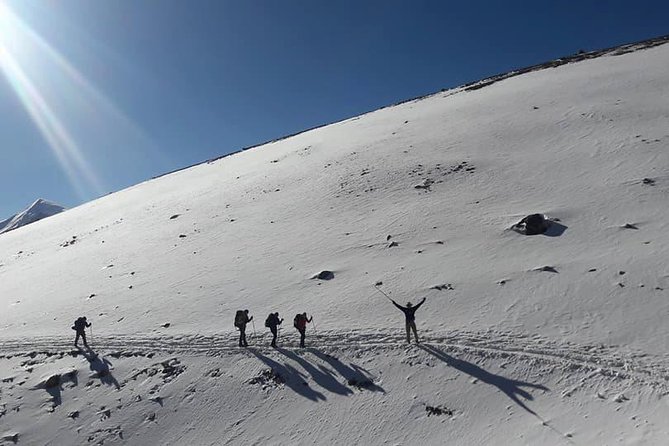
- A classic in-the-valley start: early days through the Marsyangdi Valley farms and villages keep the pace sensible.
- A full Manang acclimatization day: you pause at 3,540m to help your body adjust before the steep push.
- Thorung La Pass is the headline: you’re scheduled over the 5,141m pass, then keep going toward Muktinath.
- Permits and conservation fees are included: TIMS plus Annapurna Conservation Fee and official documentation are handled.
- Guides bring more than directions: past groups highlighted guides like Mr. Dendi for support and Ngima for clear explanations of Buddhist spirituality.
Entering the Annapurna rhythm: how the trek actually feels
The Annapurna Circuit has a reputation for a reason: the route keeps changing. You’ll walk through terraced fields and small settlements at lower elevation, then the culture and atmosphere start to shift as you get higher and closer to the high Tibetan-influenced world.
The itinerary is set up to avoid the most common mistake people make on treks: going too hard too early. You start with shortish days that let you settle in, then you build toward bigger altitude days—especially around Manang and the Thorung La Pass crossing.
You can also read our reviews of more tours and experiences in Kathmandu.
Kathmandu (Day 1): landing at 1,300m and getting your bearings
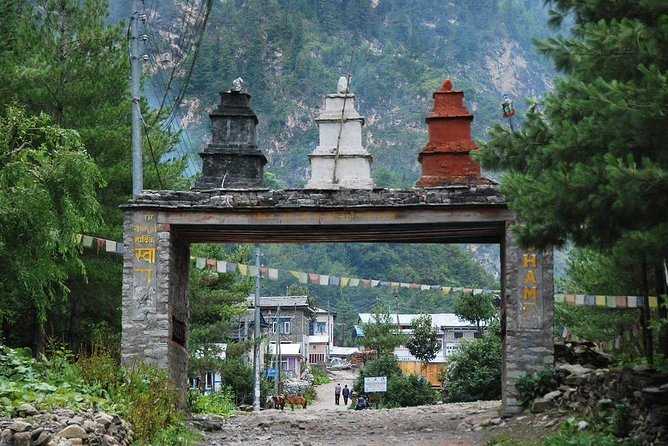
You begin in Kathmandu at about 1,300m. Day 1 is arrival and getting organized, which matters more than it sounds—treks like this depend on small details: sleep, hydration habits, and making sure your gear works for you.
Most of your ground time is kept simple: the program includes two nights in Kathmandu with bed and breakfast, so you can arrive, charge devices, and do any last-minute buying without rushing.
The drive into the mountains: Kathmandu to Besisahar, then Bhulbule (Day 2)
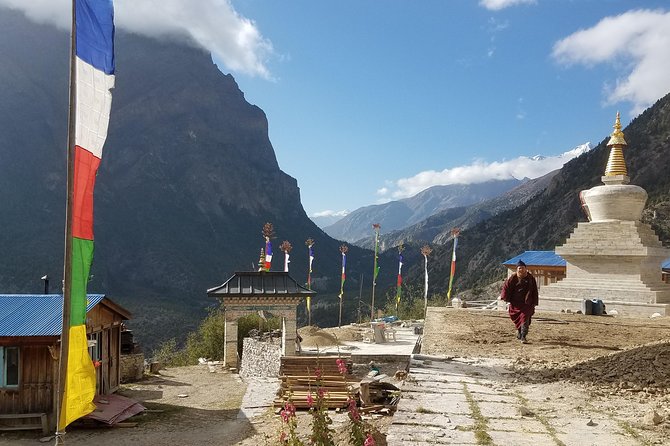
On Day 2 you drive roughly 184 km to Besisahar. Then you start hiking toward Bhulbule at about 820m, covering around 7 km in about 2 hours.
This is a smart “first footsteps” day. You’re not climbing a lot yet, and you’re using the walk to adjust from city life to the slower pace of trekking. If you’re prone to getting cold early, this is also the day to test layers, because morning and evening temperatures can swing.
Village trails and steady climbing: Bhulbule to Tal (Days 3–4)
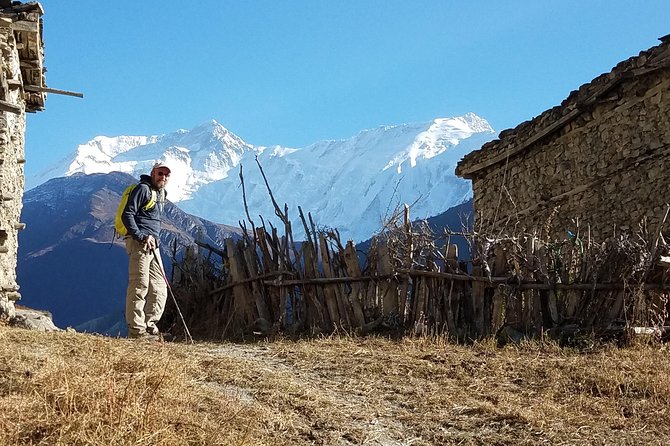
Day 3 takes you to Ghermu Phant at about 1,136m after roughly 15 km, typically 5–6 hours. Day 4 continues to Tal at about 1,700m, around 18 km and about 5 hours.
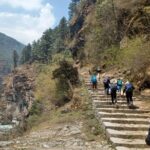
What you’ll feel here is the gradual shift from busier trail hubs to more everyday mountain life. These days are long enough to count as trekking, but they don’t throw you straight into high-altitude misery. Expect terraced farms, village paths, and plenty of chances to stop without feeling like you’re “behind.”
A practical tip: pack your most-used items where you can reach them quickly. On these days, you’ll be stopping often—sometimes for views, sometimes for a snack, sometimes because the path asks you to.
Timang at altitude: the days get longer (Day 5)
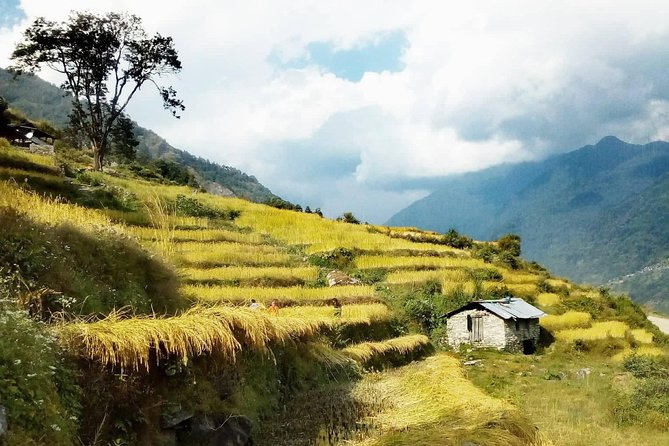
On Day 5 you climb to Timang at about 2,780m. The schedule lists about 21 km and 5–6 hours.
Timang sits in that “you can feel it” altitude zone—enough height to make breathing notice itself, but not so high that you’re in immediate survival mode. This is a day where steady effort beats speed.
If you tend to race uphill when you’re feeling good, resist it here. Going slower now usually saves you later, especially once you’re closer to 4,000m.
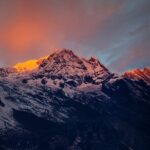
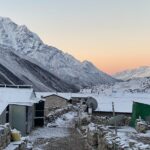
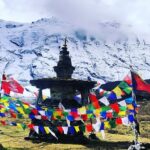
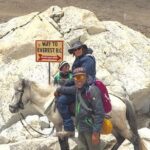
Pisang and Manang approach: bigger elevation, bigger views (Days 6–7)
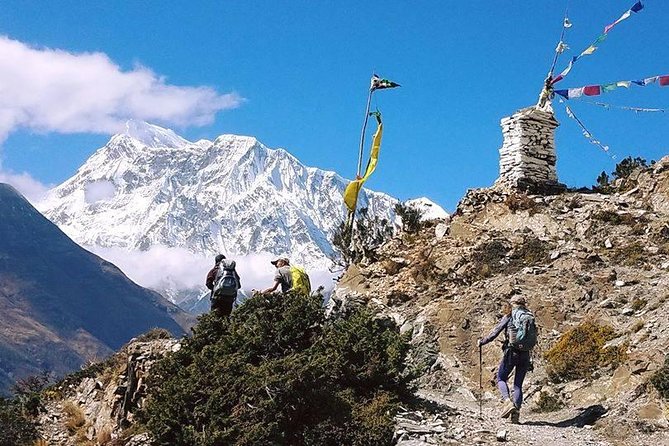
Day 6 takes you to Pisang at about 3,200m. The plan is around 27 km and 7–8 hours, which is a serious day even before you reach Manang.
Day 7 moves onward to Manang at about 3,540m, around 22 km and 6–7 hours.
This segment is when the mountains start to look less like scenery and more like a ceiling around you. You also spend more time walking through areas where the air feels thinner—again, this is the slow-and-steady phase of “earn the altitude” rather than “beat the clock.”
Manang acclimatization day (Day 8): why this pause matters
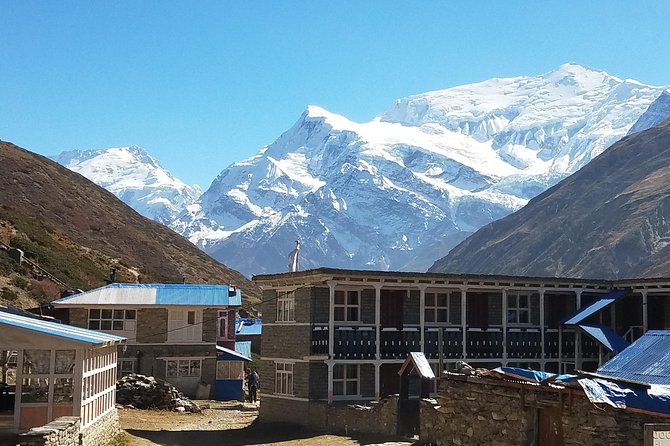
Day 8 is set aside as an acclimatization day in Manang at about 3,540m. This is one of the best parts of the itinerary because the next stretch pushes you higher quickly.
An acclimatization day isn’t just a rest. It helps you manage symptoms before they get worse. Even if you feel fine, your body is still adapting to oxygen levels, and that takes time.
Also, Manang is a place where you can regroup. If you’re carrying a lot of anxiety about the pass day, this is your moment to calm it down with routine: eat well, hydrate, and get enough sleep.
Toward 4,000m: Yak Kharka and Phedi (Days 9–10)
Day 9 goes to Yak Kharka at about 4,000m. The plan lists about 10 km and 4–5 hours.
Day 10 climbs further to Phedi at about 4,545m, around 8.5 km and 3–4 hours.
These two days are crucial because they place you close to where the pass crossing day can hit hard. The walking distance isn’t the main issue—oxygen is. Expect your breathing to slow your pace, and accept it as part of the plan.
What I like about this schedule is the spacing: you’re not jumping straight from Manang to the very top of the pass zone. You’re given time to stage your body at Yak Kharka and then Phedi.
The Thorung La Pass day to Muktinath (Day 11): the long, dramatic pivot
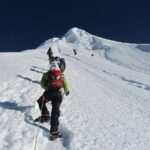
Day 11 includes the big crossing via Thorung La Pass, and then you keep descending toward Muktinath. The schedule notes a pass elevation around 5,141m, with the total day listed as about 16 km and 9–10 hours, ending near Muktinath at about 3,694m.
This is where you earn the Circuit’s reputation. At the pass, the air is thin and the terrain feels exposed. Afterward, the descent toward Muktinath brings relief in elevation, but not always in energy.
The biggest consideration here is weather. The trip requires good conditions, and the higher you go, the more the day becomes about visibility and safety. If clouds roll in, you’ll follow your guide’s judgment and stay flexible.
Tatopani and the switch back to comfort (Day 12)
Day 12 is a drive to Tatopani at about 1,160m (roughly 60 km, 5–6 hours). That’s a major elevation drop, and it usually feels like someone turned the volume down on the altitude.
Tatopani is a good reset point. You’re back into lower-elevation trekking energy, and your body gets a break from the constant high-altitude strain.
Ghorepani/Hile rhythm: legs keep moving (Days 13–15)
Day 13 takes you to Ghorepani at about 2,850m, around 17.5 km and 6–7 hours.
Day 14 goes to Hile at about 1,400m, around 12 km and 5–6 hours.
Day 15 is a shorter trek to Nayapul at about 1,010m (about 7 km, 3 hours), then you drive to Pokhara.
These days are great for two reasons. First, you’re still trekking and staying in rhythm. Second, the elevation changes make it feel like you’re finishing a journey, not just recovering from the pass.
By Day 15, you’ll likely appreciate the short final walk. It’s a gentle landing into the world of roads and restaurants.
Pokhara and the return to Kathmandu (Days 16–17)
Day 16 is the drive back to Kathmandu (about 1,345m). Day 17 is departure.
Pokhara gives you room to decompress, celebrate, and reset your sleep schedule before the flight day. The program includes one night in Pokhara with bed and breakfast, which is just enough to feel like a real break without turning the whole trip into a vacation detour.
What’s included in the price—and what that really covers
The trip is priced at $1,400 per person for about 17 days. That number feels very reasonable only if you look at what’s included: guide support, most meals during trekking, permits, and multiple nights of lodging in Kathmandu and Pokhara.
Included highlights that matter day-to-day:
- Local lodges for 13 nights with breakfast, lunch, and dinner
- An English-speaking Sherpa guide (government trained/licensed)
- Trek staff costs (salary, insurance, equipment, food, accommodation)
- Energy supplies like Snickers, Mars, Bounty, plus fresh fruits
- A first aid medicine kit
- TIMS and Annapurna Conservation Fee plus required official permits
- Ground transfers: Kathmandu to Besisahar by public bus; Nayapul to Pokhara by private vehicle
Optional or separate costs to plan for:
- Nepal entry visa fee
- Personal travel insurance
- City meals in Kathmandu/Pokhara (you’ll need to budget about $10–$14 per meal in tourist restaurants)
- Drinks and water purchases (soft drinks, mineral water, boiled water, beer)
So the value story here is pretty clear: your big logistical load is handled, and your daily hiking is supported by food, permits, and a trained guide. You’re not paying extra just to figure out where to sleep or which documents to carry.
Your guide and porter setup: how to use it well
This is described as a private tour/activity, meaning only your group participates. That often feels better than big mixed groups because communication stays simple and your guide can adjust pacing to your comfort.
You also have porter support arranged on request: 1 porter between 2 clients. That’s a helpful compromise if you want to hike light enough to enjoy the day, without turning the trek into a fragile-wrist fitness test.
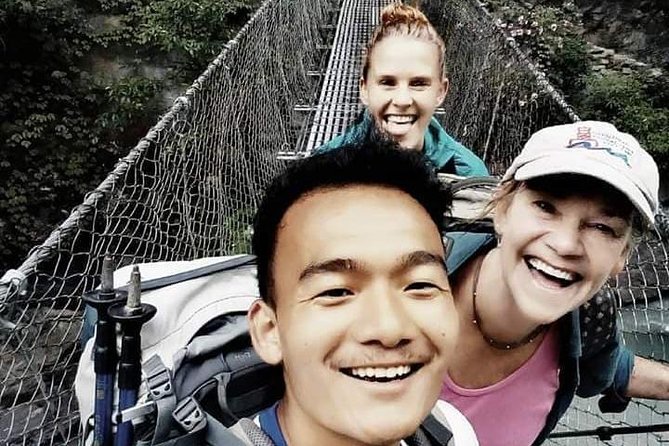
In past groups, guides like Mr. Dendi were praised for being amazing and well-organized, and Ngima was highlighted for explaining Buddhist spirituality clearly. Even if your guide’s style differs, it’s a sign you’re likely to get more than route recitation—you’ll get context, and that makes the walk feel purposeful.
Gear, altitude, and the honest “pace check”
The program is explicit that you should have strong physical fitness. That doesn’t mean you need to be a mountaineer, but it does mean you should be comfortable walking for 4–8 hours most days.
The altitude progression is the real challenge:
- You start around 1,300m in Kathmandu
- You move up gradually toward 3,500m in Manang
- You stage at Yak Kharka (~4,000m) and Phedi (~4,545m)
- Then you cross Thorung La Pass at ~5,141m
- Finally you descend to lower elevations and keep going
If altitude makes you nervous, focus on what you can control: slow uphill effort, steady hydration, and good sleep. You’ll also benefit from the included snack system—those candy bars and fruit aren’t there for fun; they help you keep energy up on longer walking hours.
And remember: the trek requires good weather. It’s not an itinerary where you win just by having the right passport. Conditions matter.
Should you book this Annapurna Circuit trek plan?
I’d book it if you want a well-run Circuit that handles permits, meals, lodge stays, and the hardest parts of scheduling. The Manang acclimatization day is a big plus, and the route pacing is designed to build rather than shock.
I’d think twice if you’re not confident with long hiking days, even at slower pace. Also, if you’re very strict about your exact travel timing, keep in mind the trek depends on weather and good conditions near high points.
If you’re ready to work for big views with a clear support team behind you, this is a solid way to do the Annapurna Circuit without turning the journey into a self-managed puzzle.
FAQ
Where does this Annapurna Circuit trek start and end?
The start meeting point is Thamel, Kathmandu, Nepal (44600). The activity ends back at the meeting point.
How long is the trek?
It runs for 17 days (approx.).
What’s included in trekking accommodation and meals?
During the trek you get 13 nights in local lodges, with breakfast, lunch, and dinner included.
Do I need to arrange permits myself?
No. The price includes Annapurna Conservation Fee, TIMS permits, and all required permits or official documentation.
Is there an English-speaking guide?
Yes. You’ll have an English-speaking experienced Sherpa guide who is government trained/licensed.
How does transportation work on the ground?
Ground transfers include Kathmandu to Besi Shar by public bus, and Nayapul to Pokhara by private vehicles. The itinerary also includes a drive back to Kathmandu.
Do I get a porter?
A porter is available on your request, arranged as 1 porter between 2 clients.
What costs are not included?
Not included are personal travel insurance, the Nepal entry visa fee, lunch and dinner in cities (budget about $10–$14 per meal in tourist restaurants), and beverages (soft drinks, mineral water, boiled water, beer). Tips for guide, porters, and drivers are also not included.