REVIEW · HANOI
Sapa – Bac Ha Trek Tour – Night Train & Bus & Homestay overnight
Book on Viator →Operated by Go Asia Travel · Bookable on Viator
Night trains and rice terraces—this route is efficient. I like the hassle-free Hanoi to Sapa plan (including an overnight train option) and the Ta Van homestay portion, where you wake up inside valley life instead of bouncing between hotels. The one drawback to plan for: Sapa weather can swing cold and rainy, and that affects how comfortable (and how safe) the longer trekking legs feel.
What makes this experience practical is the structure. You get a local English-speaking guide in Sapa, a small group capped at 15 people, and most meals handled, so you’re not constantly hunting food or figuring out transport after you arrive tired from the train.
The tour also isn’t pretending the homestay is a hotel. Expect basic village-style facilities and a public bathroom, plus some trekking segments that aren’t for everyone. If you’re going with the right expectations—and pack for the cold—you’ll have a very smooth go of it.
In This Review
- Key things I’d zoom in on before booking
- From Hanoi to Sapa: overnight train logistics that actually help
- Day 1: Cat Cat with a local H’Mong guide, then Lao Chai footpaths
- Ta Van village overnight: the homestay that shapes the whole trip
- Day 2: Giang Ta Chai village and another night with your host
- Day 3: Bac Ha market on Sunday, plus Hoang A Tuong’s castle
- Optional add-on: keep going to Ha Giang
- Price and value: what $54.20 covers (and where you’ll spend extra)
- Meals, pacing, and guide support: the part that makes the trip feel easy
- Packing for Sapa: cold weather and rain readiness are not optional
- Fitness level and safety: the long trek warning you should take seriously
- Should you book the Sapa to Bac Ha trek?
- FAQ
- Is this tour only for train travel, or can I use buses too?
- What meals are included during the 3 days?
- What’s the homestay like in Ta Van?
- Is Bac Ha market part of the itinerary every day?
- How physically demanding is the trek?
- What should I bring for Sapa weather?
- If my plans change, can I cancel?
Key things I’d zoom in on before booking
- Small-group trekking (max 15) makes it easier to keep track of the pace and get real guide help when paths get muddy.
- Overnight train to Sapa means you sleep on the way, then get an early start without burning an extra day to travel.
- Homestay in Ta Van is simple (shared room or single mattress), but it’s the heart of why this feels like a real valley visit.
- Bac Ha on Sunday mornings is built around the market day, with locals exchanging goods in the traditional-style way.
- Cold-weather packing matters in Sapa, especially from September through March, when warmth and rain readiness can make the difference.
From Hanoi to Sapa: overnight train logistics that actually help
This tour starts in Hanoi at 160 Đ. Trần Quang Khải, Lý Thái Tổ, Hoàn Kiếm. You’ll meet up with the group to catch the overnight train. Depending on the option you select, you either use the included overnight train from Hanoi to Sapa or you use bus transfers—either way, the goal is the same: you don’t have to assemble your own travel puzzle.
For the overnight train portion, the departure is listed at 21:30 using trains labeled SP1 / SP2 / SP3. Then the next morning you’re picked up at Lao Cai Train Station at 5:00 and transferred about 40 km to Sapa town (early morning arrival is the point here).
Why I like this setup for your trip: you avoid losing a full daylight window to intercity travel. You’re also arriving with a plan for what happens next—breakfast and a short trek leg—rather than wandering around Sapa trying to “figure it out.”
What to watch: an overnight train can be more tiring than a hotel bed. Bring whatever you need to manage sleep (and don’t count on perfect rest). It’s still efficient, but treat it like transit, not luxury.
You can also read our reviews of more tours and experiences in Hanoi.


Day 1: Cat Cat with a local H’Mong guide, then Lao Chai footpaths
Once you arrive in Sapa, you start light. After breakfast at your hotel, you prep a light bag and head out for a short trek to Cat Cat village with a local H’Mong guide.
Cat Cat is known here for the classic mix of village life and views. You’ll have time around:
- a waterfall
- the Muong Hoa stream
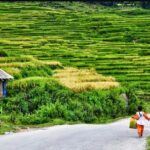
- terrace fields
- and the hydro electric power plan from the French time era (plus nearby school areas mentioned in the schedule)
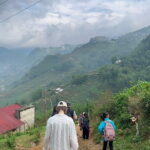
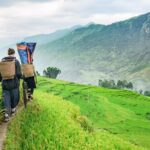
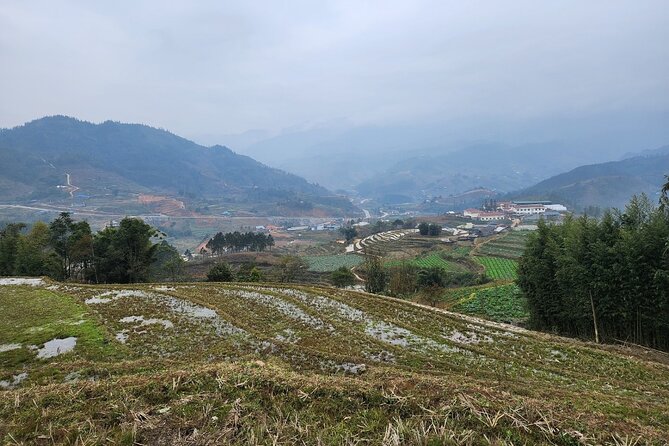
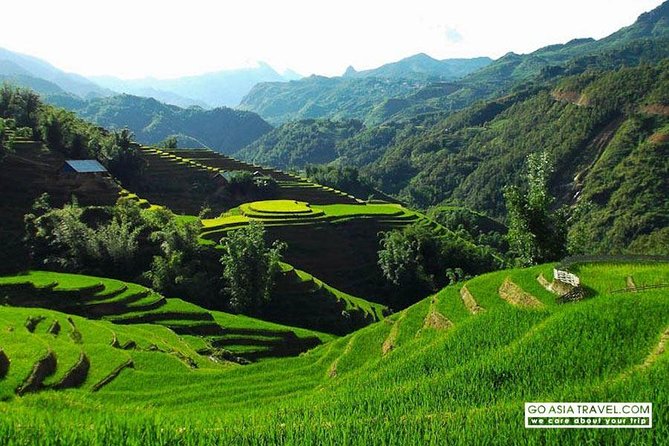
Then you continue to the Lao Chai trail, where Lao Chai is described as home of the Black H’Mong community. The route is set in the Muong Hoa valley and stream area, and it’s at the foot of Fansipan—so even when visibility isn’t perfect, you get that sense of being in the valley system rather than just walking through random streets.
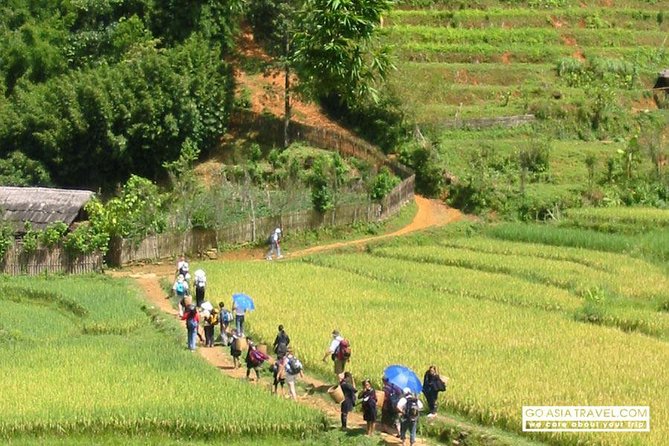
A practical note: trekking days in this region can feel longer than the official walking time, especially if the weather turns slick. Wear shoes that you trust on uneven ground. If it rains, slow down. It’s not a race.
Ta Van village overnight: the homestay that shapes the whole trip
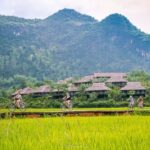
This is where the trip becomes something more than sightseeing. After your trekking legs on Day 1, you arrive at Ta Van village, described as a home of the Zday people and located by the Muong Hoa stream with “amazing” views and multiple trekking options.
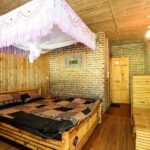
You stay overnight in a homestay in Ta Van. The accommodations are clearly not hotel-style:
- shared room or a single mattress
- and a public bathroom
That can be totally fine if you’re choosing this tour for the village experience. If you want a private bathroom, hot showers, and a perfectly quiet room—this isn’t that.
Why it’s still good value: you’re paying for the logistics and the access. Instead of paying extra for an independent homestay arrangement, the tour brings you in with a guide and handles the overnight stay. Plus, your next day starts from the valley, not from the highway.
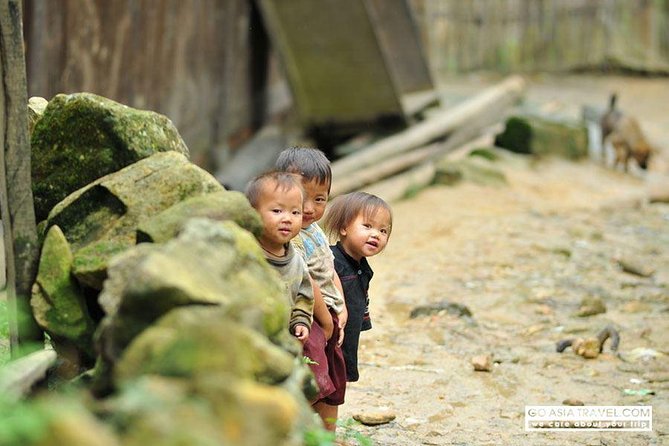
If you’re sensitive to cold at night, plan for it. Sapa can be chilly, and the tour specifically reminds you to bring warm clothes, scarves, hats/caps, and to expect unpredictable weather.
Day 2: Giang Ta Chai village and another night with your host

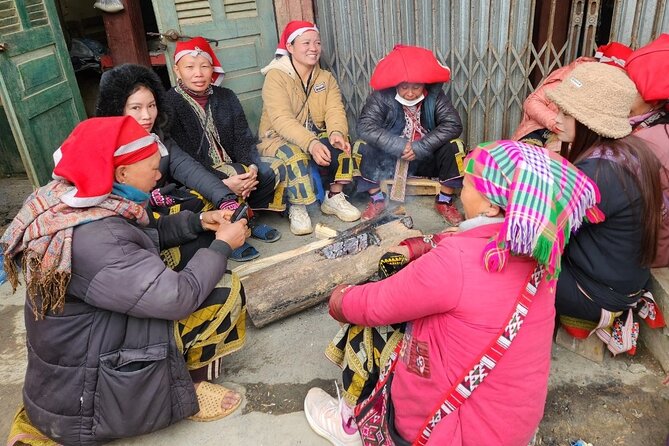
Day 2 continues the theme of being in the valley communities rather than only doing viewpoints. You visit Giang Ta Chai village, home to Red Zdao, Zday, and Black H’Mong communities living together.
The schedule highlights what you’ll likely notice on the walk:
- bamboo forest
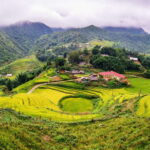
- rice terrace fields
- and views over the Muong Hoa valley
Then you stay with your host again at the homestay. This is a strong part of the experience because it keeps the pace human. You aren’t rushing from one stop to another purely for checkmarks—you get time to settle, rest, and absorb how the village day rhythm feels.
One consideration: Day 2 can feel mentally similar to Day 1 (more trekking and village time). That’s not bad, but it’s good to know. If you like cultural walking days and you don’t need constant novelty every hour, this works well.
Day 3: Bac Ha market on Sunday, plus Hoang A Tuong’s castle
On Day 3, the tour pivots to a different kind of Sapa-area culture: Bac Ha market. There’s an important timing detail here—Bac Ha market only takes place Sunday morning. If you want the market day experience, make sure your dates match.
The market experience is described as a look at older-style trading plus modern exchanges. You may see locals trading items like:
- pig
- souvenirs
- hens
for other products
After the market, you visit Hoang A Tuong’s castle, described as the place where the King of the H’Mong lived in the past. The schedule also notes it as the most luxurious residence for him and his family in that era.
Then you head to Pho village, close to Bac Ha market, with a short walk along peaceful roads to see daily life.
Why I think Day 3 is a smart pairing: you get the trekking valley experience for two days, then you switch to a regional market day where you see how people connect, trade, and gather. It’s the same human story, just told in a different setting.


Optional add-on: keep going to Ha Giang
There’s also an extra option if you don’t want to return to Hanoi at the end: you can go directly to Ha Giang from Sapa. Two departures are listed:
- 14:30
- 19:00
A limousine bus is mentioned for the 14:30 option, but the pickup details are truncated in the schedule. Still, the key point is you have a plausible onward route if you want to keep traveling rather than backtracking.
Price and value: what $54.20 covers (and where you’ll spend extra)
At $54.20 per person (approx.), this tour is structured like a “pay once, carry less” plan. The big value isn’t just the trekking—it’s that most of the uncomfortable logistics are handled for you.
Included items cover:
- overnight train Hanoi–Sapa (depending on options)
- transfers Hanoi–Sapa–Hanoi (limousine bus is listed depending on options)
- a local English-speaking guide in Sapa
- homestay in Ta Van
- a private tour to Bac Ha (private car & guide)
- entrance fees in Ta Van and Hoang A Tuong palace in Bac Ha
- and the government tax (8%)
- meals: dinner, plus three breakfasts and three lunches
Not included:
- drinks
- travel insurance
- personal expenses
- single supplement (important if you want private sleeping arrangements)
So where might you spend extra? Mostly on drinks, snacks, and any small purchases you spot at the market. Also, if you’re not already equipped, you may need to buy trekking shoes, rain protection, or sun/insect items on arrival.
Also worth noting: the tour uses a mobile ticket, which is convenient and reduces the “where’s my paper?” anxiety on travel day.
Meals, pacing, and guide support: the part that makes the trip feel easy
One reason I like this style of tour is that hunger doesn’t drive your decisions. The itinerary lists meals across the days: dinner plus multiple breakfasts and lunches. That matters on trekking tours because once you’re low on energy, everything feels harder—weather included.
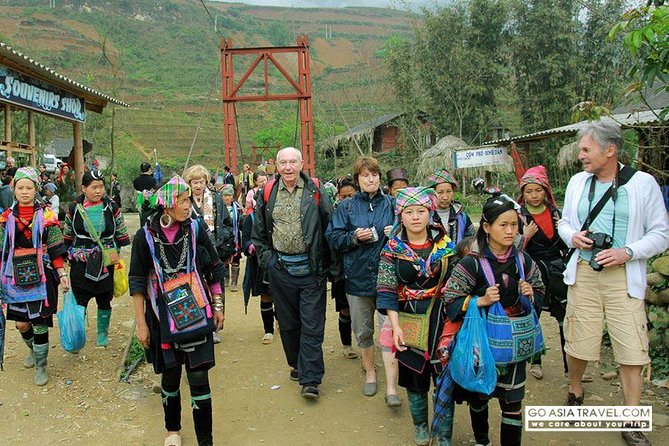
Your guide support is also built in. You’ll have a local English-speaking guide in Sapa, and for the Cat Cat leg you’ll trek with a local H’Mong guide. That two-layer guidance is handy: you get language coverage for logistics and explanations, then you still get village-level context from someone who knows the terrain and community.
The group size cap—max 15 travelers—usually means better organization than a huge bus tour. It helps on narrow trails and during transitions between stops.
Packing for Sapa: cold weather and rain readiness are not optional
Sapa’s weather is described as unpredictable, and the tour specifically calls out cold conditions during multiple months: September through March. Fog can also happen in December, January, February, and March. That affects views and walking comfort.
Pack for cold and for wet:
- warm clothes, scarf, hat/cap
- trekking shoes
- sunglasses
- sun cream (yes, still useful even when it’s cool)
- insect repellent
Also bring:
- cash in Vietnamese dong (banking in Sapa can be unreliable)
- a small medicine kit, since there are chemist shops but you should still be prepared if you get sick
If you’re the kind of traveler who thinks you can just buy whatever you need, consider this a reality check. You might find items in Sapa, but your best experience comes when you’re fully ready before you arrive.
Fitness level and safety: the long trek warning you should take seriously
This tour is marked for travelers with moderate physical fitness. But there’s a specific caution: old people should not attend the long trek (9 km) due to challenge and danger in rain.
There’s also guidance that:
- handicapped people should not attend
- children under 6 years old should not attend
So how should you judge fit? If you can walk 1–2 hours on uneven ground comfortably, you’re likely in the right zone. If you’re unsure, ask yourself a practical question: do you feel steady when it’s slippery or foggy? This matters more than you’d think in the Sapa hills.
Should you book the Sapa to Bac Ha trek?
Book it if you want:
- a structured, guided trekking itinerary in Sapa without managing transport and meals yourself
- an overnight experience that includes Ta Van homestay
- and you specifically want Bac Ha market on Sunday morning
Skip or reconsider if:
- you dislike basic accommodation and shared sleeping with a public bathroom
- you’re not comfortable with cold weather and possible rain
- you’re traveling with someone who may struggle with the longer walking leg (especially the 9 km caution)
If you book, treat it like a village-walking trip, not a luxury hotel break. Pack warm, wear proper shoes, bring some dong cash, and you’ll be set for a smooth Sapa valley experience.
FAQ
Is this tour only for train travel, or can I use buses too?
You can choose between bus or train transfers from Hanoi to Sapa. The tour also includes an overnight train option depending on your selected plan, and a limousine bus transfer back is listed as an included option depending on choices.
What meals are included during the 3 days?
Dinner is included, along with three breakfasts and three lunches. Drinks are not included, so plan for water and any beverages separately.
What’s the homestay like in Ta Van?
The homestay is described as very different from a hotel, with basic and simple facilities. You’ll use a shared room or a single mattress setup, and there is a public bathroom.
Is Bac Ha market part of the itinerary every day?
No. Bac Ha market only takes place on Sunday morning, and the tour’s Bac Ha market visit is scheduled around that.
How physically demanding is the trek?
The tour is for travelers with moderate physical fitness. There’s a warning that older travelers should not do the long trek (9 km), especially if rain is involved. Handicapped people and children under 6 are also not recommended for this tour.
What should I bring for Sapa weather?
Bring warm clothes plus a scarf and hat/cap, because Sapa can be cold and weather can be unpredictable. You’ll also want trekking shoes, sunglasses, sun cream, insect repellent, cash in Vietnamese dong, and some medicine in case you get sick.
If my plans change, can I cancel?
Yes. You can cancel for a full refund up to 24 hours before the experience starts. If you cancel less than 24 hours before, the amount paid isn’t refunded.