REVIEW · MARRAKECH
2-Days Toubkal Trek from Marrakech with Local Guide
Book on Viator →Operated by Atlas Trek Experience · Bookable on Viator
Toubkal in two days, with everything handled. I like the round-trip pickup from Marrakech and the way meals and mules are included, so you spend your energy on walking instead of logistics. The trade-off is the schedule is tight and the summit climb is challenging, so you’ll want a solid baseline of stamina before you go.
On this private trek, you’re not shuffled with strangers. You follow your guide’s route from Marrakech to Imlil, through Berber villages like Aremd, and up to the Toubkal Refuge for your overnight stop. Then you’re up early for the ascent in Toubkal National Park, with a big payoff in views.
One note to keep things real: private trekking still means long hours on uneven ground. If you’re hoping for a casual stroll, this isn’t that.
In This Review
- Key Things to Know Before You Hike Toubkal
- Two Days From Marrakech: What This Trek Really Feels Like
- Price and Value: Is $220.68 Actually Fair Here?
- Day 1: Marrakech to Imlil, Aremd Village, and the Toubkal Refuge
- Day 2: Early Summit Ascent in Toubkal National Park
- Transport, Mules, and Meals: The Comfort Pieces That Matter
- Your Guide and Berber Village Encounters: How It Adds Meaning
- Who This Trek Suits (and Who Should Think Twice)
- Should You Book This 2-Day Toubkal Trek?
- FAQ
- How long is the Toubkal trek?
- Where does the trek start and where do you end?
- Is pickup from my hotel in Marrakech included?
- Are meals included during the trek?
- Where do I stay overnight?
- Do I need to carry all my gear?
- Is this tour private?
- What fitness level is required?
- Are service animals allowed?
- What is the cancellation policy?
Key Things to Know Before You Hike Toubkal
- Door-to-door transport from Marrakech so you start and end with less hassle
- All meals included for both days, including lunch on the way back down
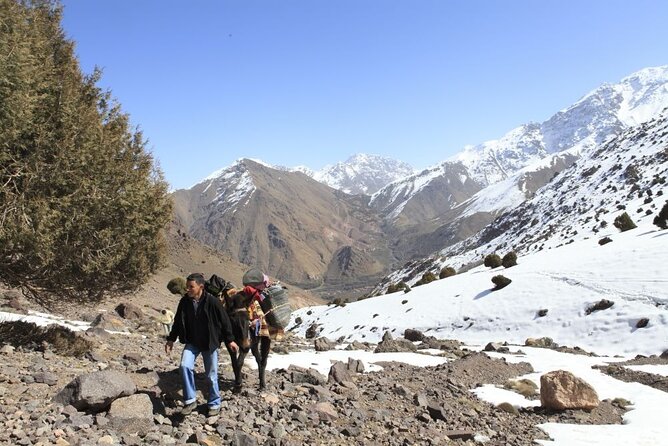
- Mules for your gear so you don’t carry everything yourself
- Berber village time in Aremd plus tea stops along the trail
- A summit attempt next morning in Toubkal National Park (the hard part)
Two Days From Marrakech: What This Trek Really Feels Like
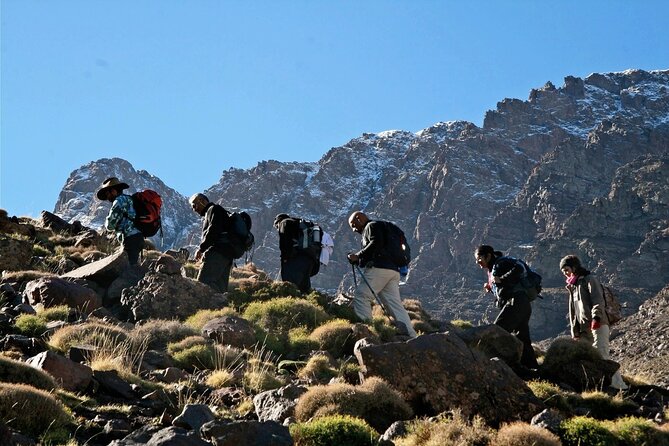
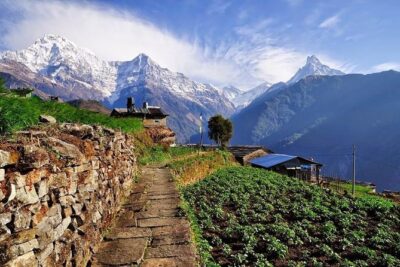
A 2-day Toubkal trek is short on paper and serious on foot. You’re driving from Marrakech to Imlil early on Day 1, then hiking into the Atlas foothills and up toward the Toubkal Refuge. Day 2 starts with an early wake-up and a push upward toward the summit, followed by a descent back to the refuge and then a return to Imlil and Marrakech.
What I like about the format is that you don’t have to plan the route, arrange mule support, or chase meals. Your guide handles the details—transport, accommodation at the refuge, mules to carry your gear, and meals—so you can focus on the trail and the people you pass.
The “private” part matters too. The pace is yours within reason, and you’re not negotiating bottlenecks with other groups. That said, the climb to the summit is still described as challenging, so you’re trading planning stress for physical effort.
You can also read our reviews of more tours and experiences in Marrakech.

Price and Value: Is $220.68 Actually Fair Here?
At $220.68 per person, this trek sits in the mid-range for guided Atlas trekking. The value comes from what’s included:
- Round-trip transport from Marrakech (not just a drop-off)
- Overnight stay at the Toubkal Refuge
- Mules to carry your gear
- Meals on both days
- A local guide who chooses the best trail pace for your group
If you tried to stitch this together yourself—transport, guide, lodging, mule support, and meals—it would be hard to match the convenience and likely hard to price-match. Also, the trek is booked around 95 days in advance on average, which is a good sign that dates fill up and planning matters.
Here’s the practical way to judge it for your wallet: if you want a guided, supported summit trek without sourcing three or four separate services, the bundled cost makes sense.
Day 1: Marrakech to Imlil, Aremd Village, and the Toubkal Refuge
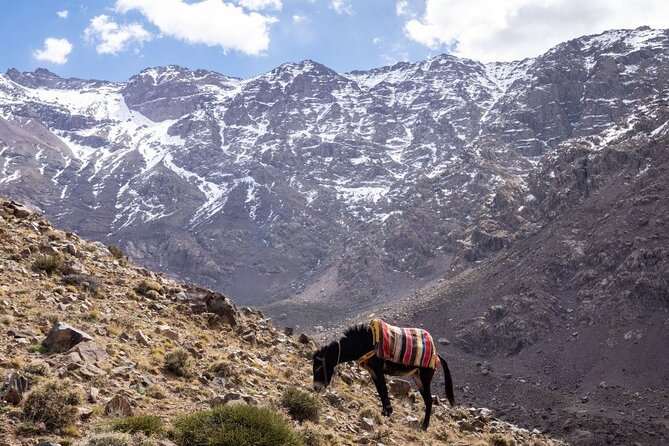
Day 1 starts with an early pick-up from your hotel in Marrakech. You head toward Imlil, which is the starting point of the trek. When you arrive, you meet your local guide and have a cup of tea before you begin walking.
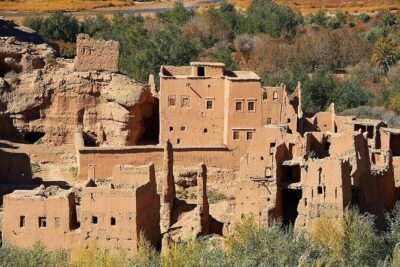
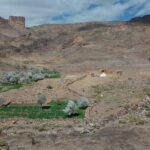
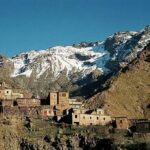
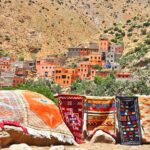
This first day is where the Atlas feels real—villages, trails, and a slow settling into the rhythm of mountain travel. One of the details I appreciate is the time through Aremd, a Berber village where you can stop, explore, and meet locals. It’s not just “walk past, take a photo, move on.” There’s room to slow down and pay attention.
From there, you continue onward to the Toubkal Refuge for your overnight stay. The hiking time on Day 1 is listed at about 5 hours once you’re underway toward the refuge.
A useful detail from one recent trek experience: the route can feel progressive and the group noted many water points along the way. That matters because it can reduce the constant worry about supplies during a long mountain day.
Another small but telling thing: the same experience mentioned stopping in a casbah area for tea, and even noted juice during an on-and-off storm plus access to toilets. That’s the kind of human comfort that doesn’t sound exciting in a listing, but it changes how you remember the day.
Day 2: Early Summit Ascent in Toubkal National Park
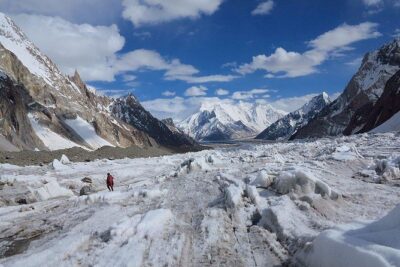
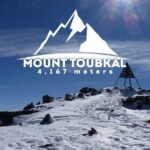
Day 2 is the big one. You wake up early and start the ascent in Toubkal National Park, aiming for the summit of Toubkal, the highest peak in North Africa. The climb is described as challenging, but the reward is framed as breathtaking views over the surrounding mountains and valleys.
What makes this trek work for most people is the structure: you don’t just start with the summit day from scratch. Day 1 gets you into the trekking rhythm, and you sleep at the Toubkal Refuge so you can go straight into the early push.
After reaching the summit, you descend back to the refuge for rest and lunch. Then you move on to Imlil and return to Marrakech.
The practical takeaway: you’ll want to treat Day 2 like a real hiking mission. That means pacing yourself from the start, keeping an eye on how you feel, and trusting the guide to manage your effort.
Even in a short 2-day format, this is a “push then recover then return” schedule. Plan to be tired afterward in the best way.
Transport, Mules, and Meals: The Comfort Pieces That Matter
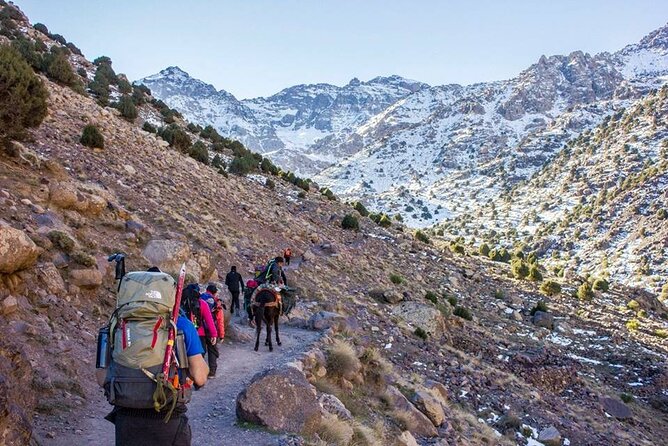
A lot of trekking offers “good vibes and views.” This one offers the less glamorous stuff that keeps your day from turning into a headache.
Transport: You get round-trip transport from Marrakech. That’s a big deal on a 2-day trek, because you’re not trying to coordinate taxis or figure out timing while you’re already tired.
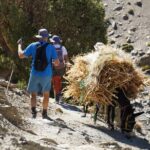
Mules: Your gear is carried by mules. This is the difference between enjoying the hike and fighting fatigue. You still walk, but you’re not hauling everything on your back.
Meals: All meals are provided, including lunch on Day 2 after the descent. That means you don’t need to bring food or constantly plan snacks around trail logistics.
In one shared experience, the trek included tea stops and the group referenced comfort breaks like toilets. Even without promising those exact stops every time, it’s a reminder that organized trekking often includes small shelter-from-stress moments.
Here’s my honest advice: pack light on the items that aren’t needed. You’ll feel better when you’re not overstuffed, and you’ll appreciate the mule support even more.

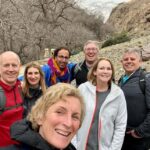
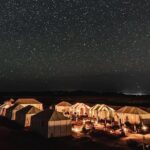
Your Guide and Berber Village Encounters: How It Adds Meaning
A guided trek can be two different things: a route with someone holding a map, or a route with someone explaining what you’re actually seeing. This experience is built for the second one.
You start with tea when you meet your guide in Imlil. Then you pass through Berber communities like Aremd, where you can explore the village and meet locals. On a trek like this, those pauses are what turn the day from exercise into understanding.
I also like that the guide isn’t presented as a performer. The tone is practical: follow your personal guide for the best trails, go at your own pace, and learn about the communities you pass.
Names matter here. One trek account mentioned a guide named Abdou, with Mohammed serving as the mule handler. That kind of detail is a good sign: it’s often a small, real team behind the scenes, not a rotating cast.
And while you’re focused on the trail, don’t skip the small social moments—tea, brief conversation, and the simple act of being present in a village rather than rushing through it.
Who This Trek Suits (and Who Should Think Twice)
This is best for hikers who want a short trek with a supported route and a summit-day goal.
You should feel comfortable with the physical demands if you have moderate physical fitness, since the itinerary includes a challenging ascent toward the summit. If you’re the type who gets anxious with long days, early mornings, and steep sections, this might feel like too much.
It’s also a good fit if you want:
- A private experience with only your group
- A guide-arranged trek where you don’t have to plan transport, food, or lodging
- Cultural time in Berber villages like Aremd
It’s also worth noting that service animals are allowed, which may matter for some readers planning a trek.
One more realistic point: “private” doesn’t mean easy. It means more control and less crowd pressure—but the mountains still do what the mountains do.
Should You Book This 2-Day Toubkal Trek?
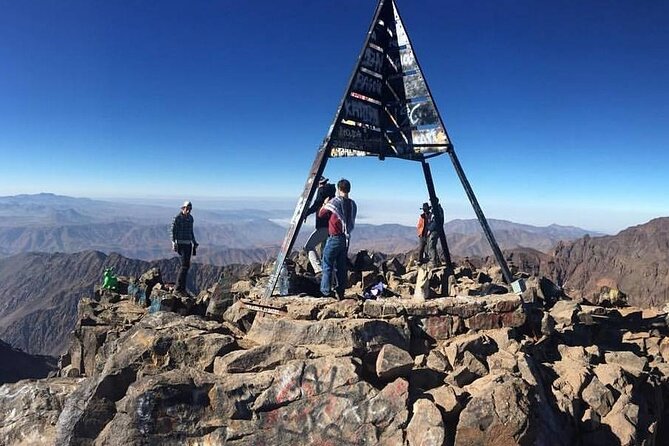
Book it if you want a guided, supported path to the summit area—plus door-to-door transport from Marrakech, mule support, and meals. It’s a strong choice when you value convenience and local guidance as much as the views.
Skip it (or consider a gentler trek) if you’re not ready for a challenging summit-day climb and a full day of hiking on Day 2. You’ll enjoy it most when you show up prepared to work for the payoff.
FAQ
How long is the Toubkal trek?
It runs for about 2 days.
Where does the trek start and where do you end?
The trek starts at Imlil (the starting point of the trek) and includes a return to Marrakech.
Is pickup from my hotel in Marrakech included?
Yes. An early pick-up from your hotel in Marrakech is included, with round-trip transport.
Are meals included during the trek?
Yes. All meals are provided, so you do not need to bring your own food.
Where do I stay overnight?
You stay overnight at the Toubkal Refuge.
Do I need to carry all my gear?
No. Mules are provided to carry your gear.
Is this tour private?
Yes. It’s a private tour/activity, and only your group participates.
What fitness level is required?
The trek is for travelers with moderate physical fitness.
Are service animals allowed?
Yes, service animals are allowed.
What is the cancellation policy?
You can cancel for free. A full refund is available if you cancel up to 24 hours in advance of the experience’s start time. Changes within 24 hours are not accepted.