REVIEW · HANOI
From Hanoi: 3-Day Sapa Trekking with Limousine Transfer
Book on GetYourGuide →Operated by DragonflyCruise.com · Bookable on GetYourGuide
Three days, one hard hike, lots of culture. I like that this trip pairs comfortable limousine transport with real time in Sapa’s minority villages, not just quick photo stops.
I especially love the mix of easy-to-start walking on Day 1 and the bigger trek on Day 2, plus the chance to meet communities like Black H’mong and Dzao in everyday settings. On previous trips with guides like Me and Trang, the English explanations made the villages feel understandable fast.
One thing to weigh: the Day 2 walking is legitimately challenging, and rainy weather can make it slower and more tiring.
In This Review
- Key highlights at a glance
- A Comfortable Ride Up to Sapa (Without Making It Painful)
- Day 1: Cat Cat Village and a Gentle Start You Actually Appreciate
- Day 2: Lao Chai, Ta Van, and the Remote Villages That Change the Mood
- Day 3: A Real Morning in Sapa Town (Plus Fansipan If You Want It)
- Ethnic Village Visits: What You Learn and What to Watch For
- Food, Meals, and Staying Fueled for Trekking
- Price and What You’re Really Buying for $199
- Packing for Sapa’s Cold, Rain, and Mud Reality
- Who This Trip Fits Best (And Who Should Skip It)
- Practical Tips That Make the Whole Thing Easier
- Should You Book This Sapa 3-Day Trek From Hanoi?
- FAQ
- What time are you picked up in Hanoi?
- How long does the limousine ride take to Sapa?
- How long and difficult is the trek on Day 1?
- How challenging is Day 2?
- Where do you visit on the trek day?
- What meals are included in the price?
- Do I need a ticket for Fansipan Peak?
- What kind of accommodation is provided?
- What should I bring for this trek?
Key highlights at a glance
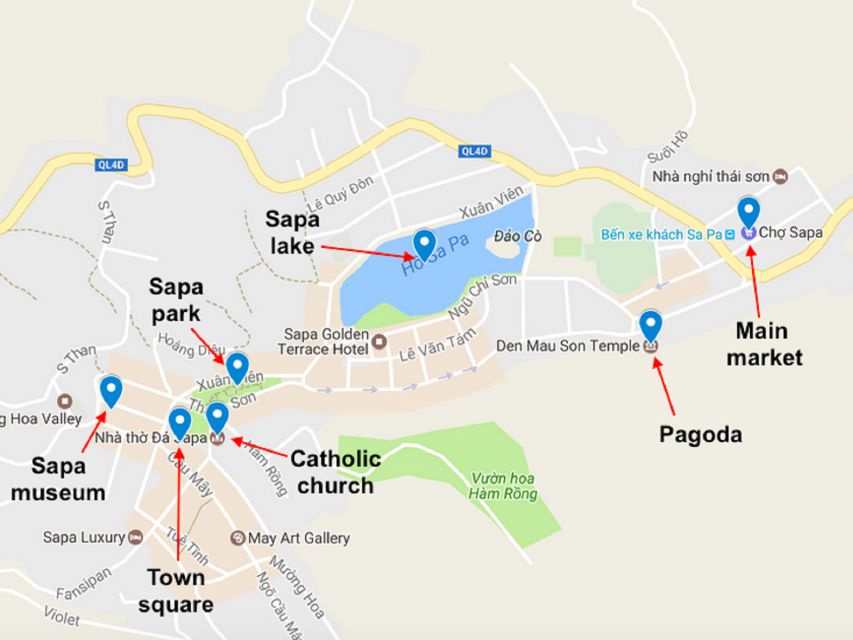
- Luxury limousine transfers with planned stops so you’re not white-knuckling the ride up and down
- Cat Cat Village on Day 1 with an easy start (about 4 km) and great introductions to local life
- Day 2 treks through Lao Chai, Ta Van, Y Linh Ho, and Ban Ho totaling about 12–15 km
- Small-group feel with an English-speaking guide for better pacing and questions
- Meals built in for low stress: 2 breakfasts and 3 lunches, with dinner left open
- Optional Fansipan Peak only if you want that extra effort and cost
A Comfortable Ride Up to Sapa (Without Making It Painful)
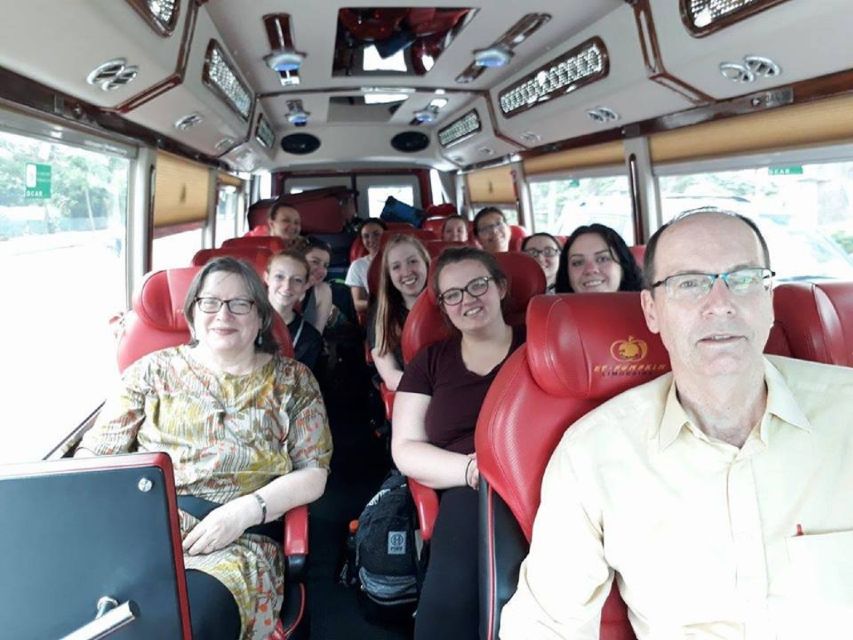
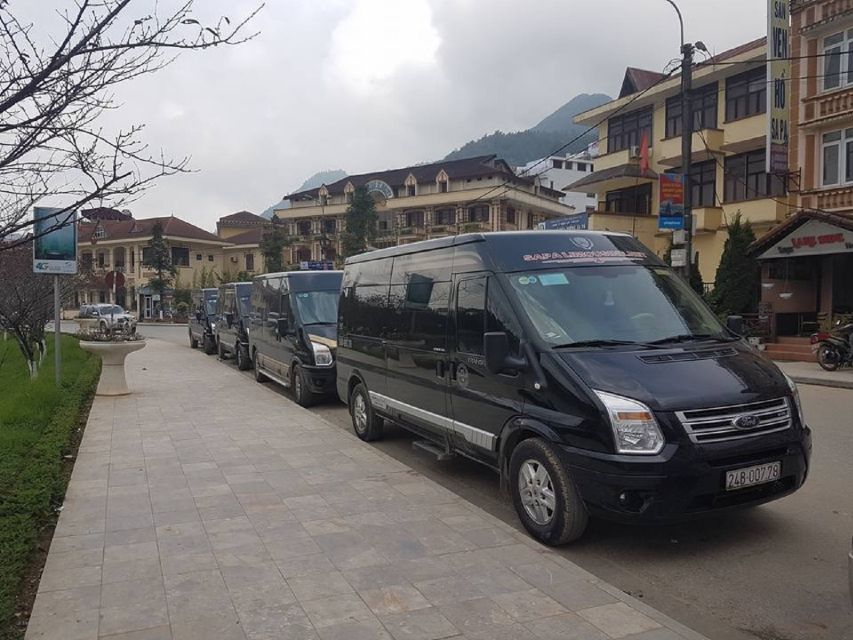
The main comfort win here starts before you even reach Sapa. You’ll be picked up in Hanoi’s Old Quarter at 31 P. Lò Sũ between 6:45 and 7:00, then the limousine minivan makes a couple of breaks before arriving around 12:30. It’s the kind of timing that feels workable: you lose the morning to travel, then you still get meaningful afternoon hours in Sapa.
You’re also not stuck on a tiny, bumpy vehicle. The transfer is modern and air-conditioned, and the group logistics are organized enough that you’ll spend energy on the hike, not on figuring out the schedule.
One practical note: you’re on Vietnamese time with a real mountain climate. Even if Hanoi is warm, Sapa can cool down quickly, and the cold months (and fog) can hit hard from around September through March. Bring the warm layers even if you think you won’t need them.
You can also read our reviews of more tours and experiences in Hanoi.

Day 1: Cat Cat Village and a Gentle Start You Actually Appreciate
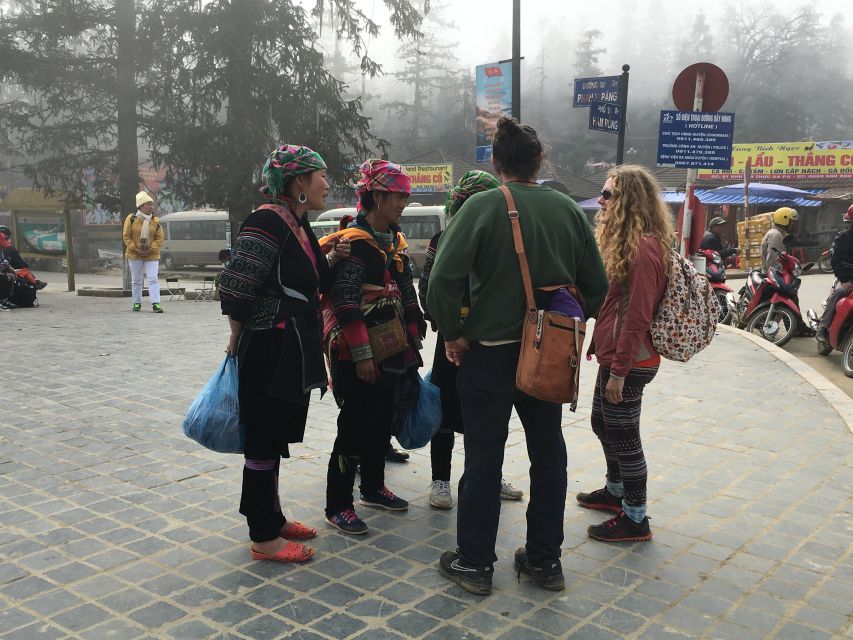
Day 1 is designed to get you oriented without immediately crushing your legs. After lunch and hotel check-in, you start an easy trek to Cat Cat Village, home to the Black H’mong. You’re walking down toward the valley, and the pace is guided—good for adjusting to altitude and mountain footing.
Here’s what makes Cat Cat a smart first stop: it’s right at the foot of Mount Fansipan, so even on a shorter walk you get a sense of the geography. Your guide introduces you to daily life and what to look for as you go through the area.
The hike itself is about 2 hours covering roughly 4 km (2.3 miles). That’s long enough to feel like a trek, but short enough that you’ll still enjoy the rest of the afternoon. In other words, you don’t spend the first day recovering.
In the afternoon, you head back to Sapa for dinner on your own and some free time. I like this setup because it gives you flexibility. You can wander the town, grab a warm drink, or just reset for the bigger Day 2.
Day 2: Lao Chai, Ta Van, and the Remote Villages That Change the Mood
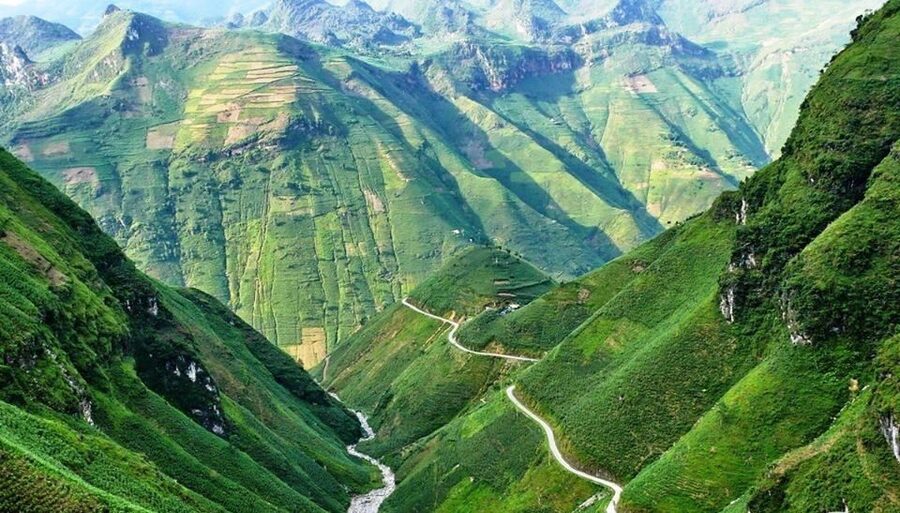
Day 2 is the reason people sign up. After breakfast, you go for a challenging trek totaling about 12–15 km, split into distinct village sections so the day doesn’t blur into one long slog.
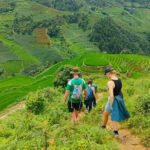
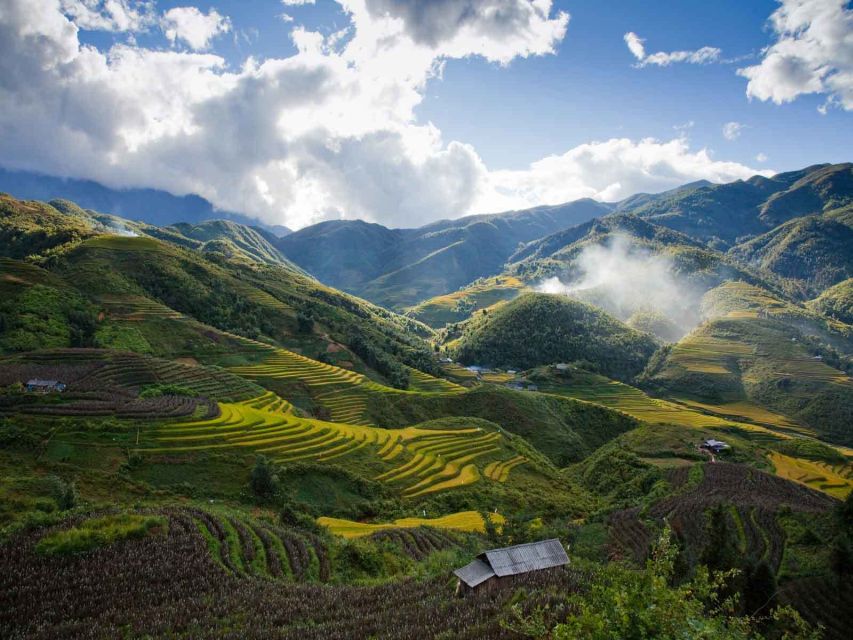
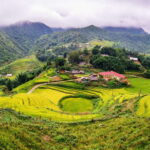
You start with about 5 km along rice terraces to Lao Chai, a Black H’mong village. Rice terraces are visually strong, but what I like most is how they force you to pay attention to how people farm here. The terraces shape both the walking and the communities built around them.
Then you move on to Ta Van village, home to the Dzao minority. Ta Van often feels more alive because it’s a hub for day-to-day village life, and the route gives you photo stops and guided points along the way. If you’re hoping to understand how names and ethnic groups connect to real daily routines, this is where you get it.
After that comes the part that many visitors miss: more remote areas like Y Linh Ho and Ban Ho. The plan explicitly takes you into zones that bring you closer to everyday hill-tribe life and away from the busiest paths.
A guide matters more on Day 2 than on Day 1. With good English explanations—like the kind you can get from guides such as Trang or Me—you’re not just walking; you’re learning how the villages function, what the landscape means for work, and what different communities value.
When the trek day is done, you return to your hotel for free time. That free time is important. You’ll want a shower, a snack, and a chance to sit without rushing to the next thing.
Day 3: A Real Morning in Sapa Town (Plus Fansipan If You Want It)
Day 3 keeps things lighter. After breakfast, you have an easy morning to explore Sapa town by yourself. This is a nice counterbalance to the earlier trekking—no scheduled hike, no forced wake-up at the crack of dawn.
If you want more views, you can head to Fansipan Peak on your own. You’ll need the Fansipan ticket, and it’s recommended to check with the hotel receptionist for help. If you’d rather not add another climb (or pay another cost), you can simply take the slow morning and enjoy town life.
By 11:30, you check out and have lunch. Then the return trip starts around 14:30, and you should arrive back in Hanoi around 21:00. That evening arrival is long, but at least it’s predictable, and the schedule keeps the whole 3-day loop tight.
Ethnic Village Visits: What You Learn and What to Watch For
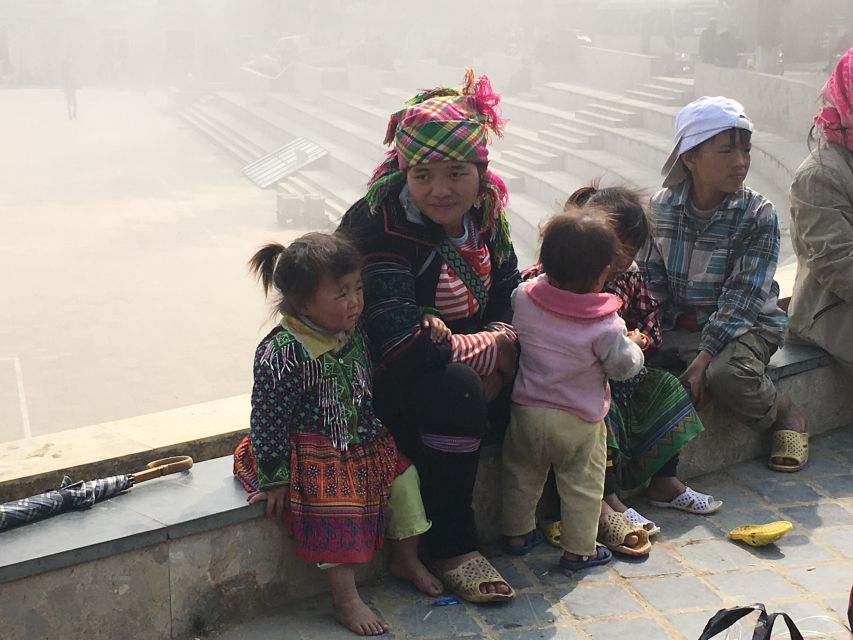
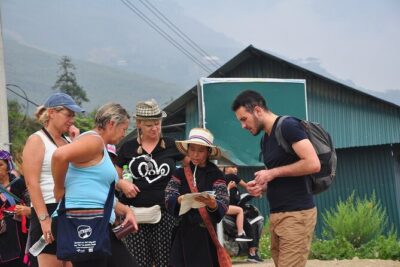
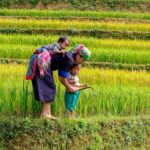
This tour doesn’t treat villages like a museum set. You meet community members from groups including H’mong, Dzao, and Tay, and you see the traditional clothing and daily routines that come with them. The goal is cultural understanding, not just scenery.
What’s valuable is that the tour guide helps you interpret what you’re seeing. With English explanations, it’s easier to understand:
- what you’re looking at during short walks and photo stops
- why certain locations matter to the community
- how daily life connects to farming, seasons, and paths
Also, the pacing matters. You’re not sprinting through each village. The itinerary builds in walking time, which gives you a steadier sense of place.
One thing to remember: the included items are mostly lunches and breakfasts, not dinners. That means your evening choices can affect the vibe of the trip. If you want a calm night, pick something simple and warm. If you want busy energy, Sapa town can give you that too.


Food, Meals, and Staying Fueled for Trekking

You get 3 lunches and 2 breakfasts included, which helps a lot in Sapa. It reduces the number of decisions you have to make when you’re already dealing with cold mornings and active afternoons.
In practical terms, this means you can plan around trekking without guessing where you’ll eat. You also avoid the common problem of spending energy searching for food after the hike.
Dinner is not included, so you’ll eat at your own pace on Day 1 and Day 2 evenings. My advice: eat early on the harder days so you can recover. On the last day, you’ll have lunch during the checkout window, so you’re covered until the ride back to Hanoi.
Price and What You’re Really Buying for $199
At $199 per person, this is aiming for a middle-ground experience: guided trekking plus comfortable transport. What makes the value make sense is that the price covers more than a walk. You’re paying for pickup and drop-off, a modern air-conditioned limousine, 2 nights of accommodation (hotel or homestay depending on your option), a local guide in English, and entry tickets to the listed sites.
Where you should be honest with yourself is what you’ll add on top:
- Dinner and drinks (not included)
- Fansipan tickets and related tour time if you choose to go
Even with those add-ons, the day structure is the value: you’re not coordinating transport, guide, and village pacing on your own. You just show up, follow the plan, and focus on the trek.
The reviews average sits at 4.3 from 30 reviews, and the strongest praise leans toward organization and guide quality. That matters because Day 2 is the kind of day where a clear plan can prevent wasted time and confusion.
Packing for Sapa’s Cold, Rain, and Mud Reality

This is a trekking tour, so packing isn’t optional. The essentials listed are a good start: comfortable shoes, sunglasses, and a sun hat. Add what you’ll need for Sapa’s mood swings.
Bring:
- trekking shoes (not just sneakers)
- sunscreen and insect repellent
- warm clothes, including a scarf, hat, and cap
- any special medication you require
Weather matters here. The tour notes that trekking can be challenging in rainy conditions. That means slippery steps, slower pacing, and more fatigue than you’d expect on a dry day. If you’re prone to getting cold, pack for warmth even if the forecast looks mild.
Also, the homestay option comes with basic amenities. If you’re the type who needs comforts like hot showers on demand, you might prefer the hotel option where available.
Who This Trip Fits Best (And Who Should Skip It)
This tour is a strong fit if you:
- want a guided cultural trek with minority village visits
- can handle Day 2’s 12–15 km walking
- like having transport and meals handled so you can enjoy the day
It’s not a fit if you have mobility limitations or if you’re traveling with children under 6. The tour is also not suitable for wheelchair users.
If you’re a solo traveler, the minimum booking requirement is 2 people per booking, so group availability matters. If you’re traveling in low season, expect confirmation to depend on availability.
Practical Tips That Make the Whole Thing Easier
A few small habits make a big difference on a 3-day trek:
- Bring Vietnamese Dong since banking can be unpredictable in Sapa, and carry cash for dinner
- Plan for the fact that the tour includes lunches but not dinner
- Use your free time Day 3 to pace your recovery; don’t schedule another big activity
- If you want Fansipan, factor time for tickets and the added cost
It helps to follow the guidance your guide gives during village sections. You’ll get more out of the day when you treat each stop as part of the route, not a quick photo break.
Should You Book This Sapa 3-Day Trek From Hanoi?
If you want a trekking-focused Sapa experience with organized logistics, I think this is a solid choice. The combination of limousine comfort, a guided easy Day 1, and a meaningful Day 2 trek into more remote villages gives you a good balance of learn-and-walk time.
Book it if you’re comfortable with active days and you’re okay with dinner being on your own. Skip it if you want totally gentle walking or you’re sensitive to rainy conditions and slippery ground.
If your top goal is views only, without walking, this might be more than you need. But if you want to understand Sapa beyond the town, this is one of the more practical ways to do it in just three days.
FAQ
What time are you picked up in Hanoi?
Pickup is available from the Old Quarter meeting point at 31 P. Lò Sũ between 6:45 and 7:00.
How long does the limousine ride take to Sapa?
The itinerary has the limousine leaving in the morning and arriving in Sapa at about 12:30 PM, with a couple of break stops.
How long and difficult is the trek on Day 1?
Day 1 includes an easy trek to Cat Cat Village that lasts about 2 hours and covers about 4 km (2.3 miles).
How challenging is Day 2?
Day 2 is the hard day. It includes trekking totaling about 12–15 kilometers, with sections such as rice terraces to Lao Chai and additional remote village walks.
Where do you visit on the trek day?
You’ll trek through or stop at Lao Chai, Ta Van, Y Linh Ho, and Ban Ho, plus you start Day 1 at Cat Cat Village.
What meals are included in the price?
The tour includes 2 breakfasts and 3 lunches. Dinner and drinks are not included.
Do I need a ticket for Fansipan Peak?
Fansipan tickets are not included. If you want to go on Day 3, you’ll need to buy the ticket yourself, and the hotel receptionist can help with support.
What kind of accommodation is provided?
You’ll get 2 nights at either a hotel or homestay, depending on the option selected. The homestay has only the most basic amenities.
What should I bring for this trek?
Bring a passport or ID, comfortable shoes, sunglasses, and a sun hat. The tour also suggests warm clothes, trekking shoes, sunscreen, insect repellent, and any special medication you need.