REVIEW · SAPA
Red Dao village trek and Herbal bath
Book on Viator →Operated by Sapa Trekking Hiking Tours · Bookable on Viator
A day in Sapa where your legs earn a hot reward. This Red Dao village trek around Ta Phin mixes rice-field walking, a quick cave visit, and a historic monastery stop, then ends with herbal smoke baths meant to loosen stress and tired muscles. The price is low for what you get, but the walking can feel like a real trek, especially in misty weather.
I really like the way the route stays practical: you get a local guide, entry fees, lunch, and a herbal bath included, so you’re not constantly deciding what to pay for. I also like that the experience focuses on Red Dao life at Ta Phin, plus a look at Ta Phin Cave and the monastery built in 1942. The main thing to consider is that the cave section involves a short walk in the dark on uneven ground, so it’s not the trip for anyone who hates cramped or slippery spots.
In This Review
- Key highlights to know before you go
- The feel of this trek: culture walking, not a photo loop
- Price and logistics: what $39 really covers
- Getting to Ta Phin: start time, group size, and pace
- Stop 1: Ta Phin Village and the Red Dao way of life
- Stop 2: Ta Phin Cave—short, dark, and a little bumpy
- Stop 3: Ta Phin Monastery and its 1942 story
- The herbal bath finish: four smoke baths for sore legs
- Lunch and the in-between moments that make it feel worth it
- Guides like May and Chacha: why a good guide changes the day
- What could feel awkward (and how to plan around it)
- Who should book this Red Dao trek (and who should skip it)
- Should you book this tour?
- FAQ
- What time does the tour start and where does it meet?
- How long is the Red Dao village trek and herbal bath?
- What’s included in the $39 price?
- What should I expect at Ta Phin Cave?
- What fitness level do I need?
- What if weather is bad or plans change?
Key highlights to know before you go
- Red Dao culture at Ta Phin: Most residents are Red Dao, with Hmong neighbors in the area.
- Ta Phin Cave: About a 30-meter walk in the dark on bumpy ground, then you reach a larger cave space.
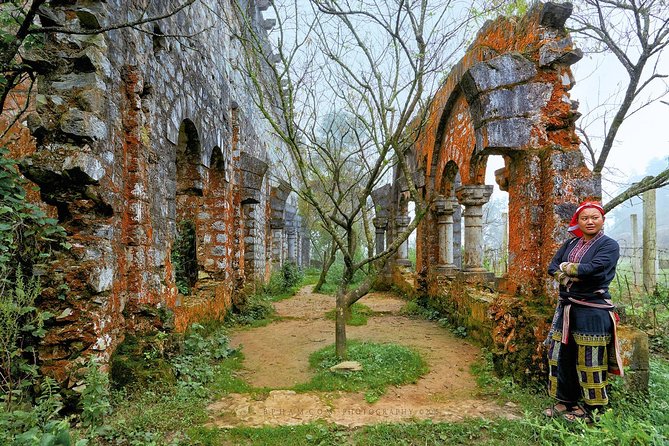
- A monastery with a 1942 origin: Ta Phin Monastery was built in 1942 for religious practice by ascetic nuns.
- Four herbal smoke baths: The finish is designed for stress relief after walking.
- Small group size: Up to 15 people, so it feels less like a cattle call.
- Good value at $39: Village entry, tickets, lunch, bath fees, and the ride back to Sapa are included.
The feel of this trek: culture walking, not a photo loop
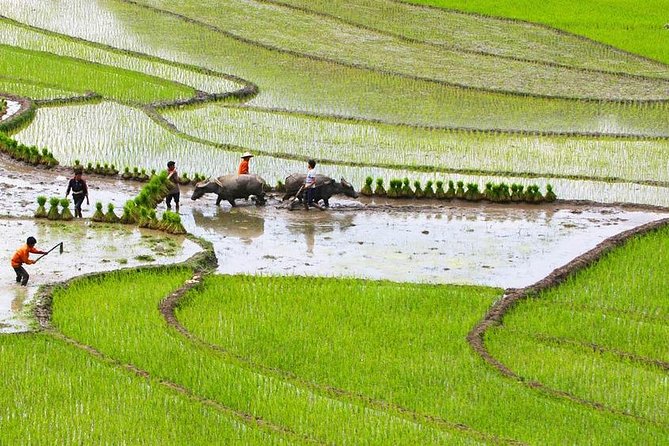
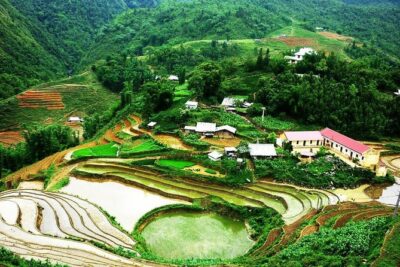
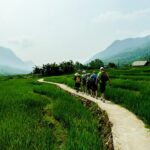
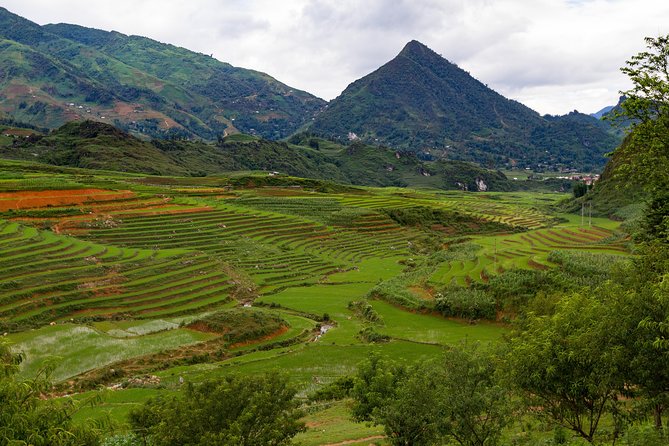
This is a half-day mountain experience built around moving through Ta Phin and meeting the people who live there. Expect terraced fields and cultivated areas like orchid gardens and farm plots along the way, plus a steady walk that’s more about the route and context than checking boxes.
What makes it appealing is the mix: you’re not only walking through scenery (literal views of hills and fields), you’re also getting placed into the human story of the Red Dao community. Then you finish with herbal baths—one of the best ways to turn a cold, sweaty trek into comfort.
Price and logistics: what $39 really covers
For $39, the big value is that you’re not paying extra for the major pieces. Your tour includes village entry fees, a local guide, lunch, and the herbal bath fee, plus transportation back to Sapa. You also get a small bottle of water.
A helpful note: the tour starts at Sapa Church at 9:30 am and ends back at the same meeting point. Pickup is offered, and you’ll also use a mobile ticket. If you’re trying to keep spending controlled, this is one of those deals where you can mostly show up and follow the plan.
Not included: personal travel insurance, any extra drinks at the homestay, and tips for the guide and driver. Since tips aren’t optional in practice, I suggest budgeting a little cash if your guide takes good care of you.
Getting to Ta Phin: start time, group size, and pace
You start at 9:30 am from Sapa Church (easy to find in town). The total time is about 6 hours, so you’ll be back in Sapa for an afternoon buffer.
The physical requirement is described as moderate fitness. In real terms, think of uneven paths and some uphill effort. One traveler highlight that matches this: the hike can feel challenging, but the guide adapts and offers help along the way, so it’s not just power-walking with no support.
Group size is capped at 15. That matters in Sapa, where crowds can dilute the experience fast. Smaller groups also help with timing, especially around the cave and bath portion where there’s more waiting and managing.
Stop 1: Ta Phin Village and the Red Dao way of life
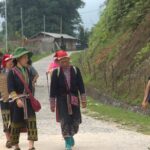
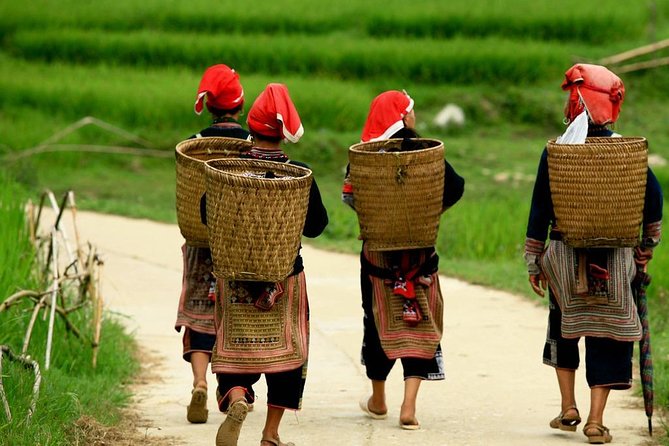
Ta Phin is a small community where both Red Dao and Hmong people live. The tour focuses strongly on Red Dao culture because most residents here are Red Dao, and that shapes what you’ll see and talk about.
On the ground, this is where the day becomes more than exercise. You’ll learn about daily life and cultural details tied to the community, and you’ll walk through areas that show how people farm and live in this mountainous region. If you enjoy simple, human-scale learning—how clothing, routines, and livelihoods connect to the land—this is the stop that delivers.
One practical consideration: you may encounter people in the area who want to sell small items. That’s part of visiting rural communities in Vietnam. If you don’t want to buy, a polite no and moving on is usually enough. If you do want to support local work, it’s better to do it calmly and with small bills ready rather than haggling aggressively.
Stop 2: Ta Phin Cave—short, dark, and a little bumpy
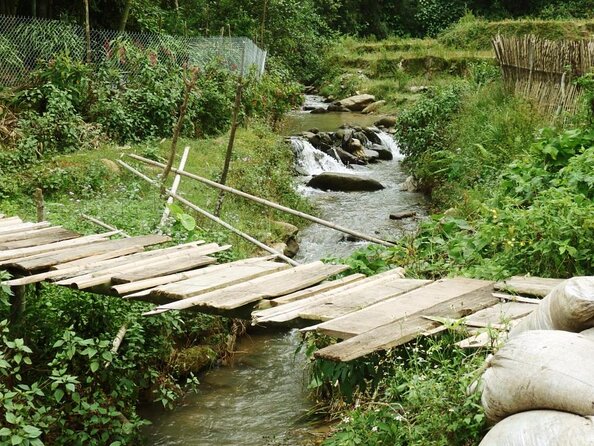
Ta Phin Cave is located within Ta Phin village area. It’s not a long spelunking session, but it’s specific in a way that you should know before you commit.
Here’s what to expect:
- About 30 meters of walking in the dark
- Uneven, bumpy footing in that first stretch
- Then you reach a larger cave space
The cave is described as roughly 5 meters high and 3 meters wide, which means you’ll likely be able to move without full crawling—but it’s still a cave, so bring your “slow and steady” mindset. If you’re wearing grippy sneakers and you don’t mind dim conditions, you’ll be fine.
Avoid this stop if you have strong claustrophobia, mobility limitations, or you’re expecting a fully well-lit experience. Even with a guide, cave paths can feel cramped and slippery when the ground isn’t dry.
Stop 3: Ta Phin Monastery and its 1942 story
Next comes Ta Phin Monastery at the foot of the mountain. It was built in 1942, and it previously served as a practice place for 12 ascetic nuns from the Congregation of the Sisters of the Catholic Church of Christian Conversion.
This isn’t a long museum-style stop. It’s more like a pause that gives you context for how religious history folded into everyday life in the area. If you like stopping for a few minutes to understand what a place used to be used for, this part gives you a good “why this exists” moment.
A key thing here: you’ll be near the mountain base rather than deep in town, so weather can affect comfort. If it’s misty or cold, this stop can feel chilly after walking. Layer up before you arrive.
The herbal bath finish: four smoke baths for sore legs
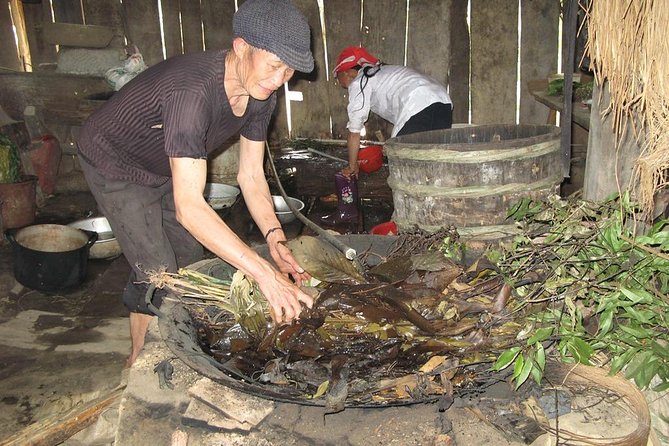
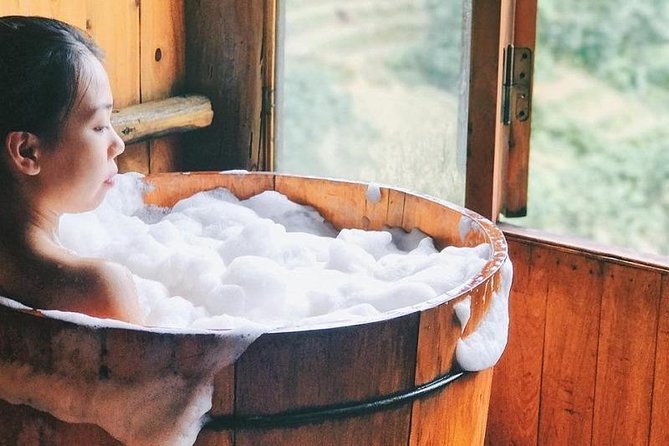
The last act is the herbal bath experience, and it’s the part people tend to remember. The idea is simple: after your trek, you get herbal heat and smoke-bath-style soothing to help relieve stress and tiredness from the day.
You’ll hear two ways the bath is described:
- A traditional herbal bath tied to the Red Dao community
- Four herbal smoke baths as part of the experience
Practically, plan to switch gears from “hike pace” to “slow recovery.” Wear clothes you can easily change out of, and don’t plan a tight schedule right after. Even if you feel fine during the bath, it’s usually nice to let your body cool down gradually afterward.
This is also where the day’s emotional payoff shows up. The mountain part can be tiring; the bath is the reset button. If you’ve spent time in Sapa before, this is one of the more direct ways to turn the cold air and steep paths into comfort.
Lunch and the in-between moments that make it feel worth it

Lunch is included, and it matters because Sapa hikes often force you into overpriced snacks. Having a meal planned and served during the route means you can stop eating decisions and just enjoy the walking.
The kind of lunch you’ll get isn’t described in detail, but the consistent theme is that it’s substantial. If you’re planning a full day, this is the difference between enjoying the trek and running out of energy halfway through.
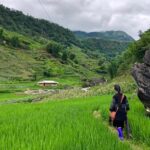
Between lunch, village walking, and the monastery stop, the route also gives you steady chances for quiet views—rice fields, bamboo areas, and corn fields close enough to feel like you’re passing through someone’s real workday, not just passing scenery from a viewpoint.
Guides like May and Chacha: why a good guide changes the day
Guide quality is a huge part of why this tour works. Two names show up strongly in the information you provided: May and Chacha.
What you can look for (and what these guides are known for in the material) is pacing and real explanations:
- May is described as friendly and supportive, with the ability to adjust the path depending on what you want—more difficult or easier routes.
- Chacha is described as meeting people directly in town and then leading through villages, rice paddies, corn, and bamboo areas while sharing context in a way that keeps it understandable.
That matters because some sections are physically more intense than they look on a map. A guide who checks in—especially if you’re unsure about steep or uneven paths—turns the day from stressful to manageable.
What could feel awkward (and how to plan around it)
No tour is perfect. Here are the realistic friction points based on the available details:
- The cave has a dark, bumpy stretch: if you dislike uneven footing or confined lighting, consider whether this fits you.
- The walk can be challenging: moderate fitness is the guideline, and it may feel tough in mist or after lunch if you’re not used to hills.
- Weather dependence: the experience requires good weather, so mist or heavy rain can affect whether the tour runs as planned.
- Operational hiccups can happen: one report in the provided material says a guide did not show up despite confirmation. That’s rare, but it’s a good reminder to keep a close eye on your confirmation messages and be ready to contact the operator if something feels off.
A simple strategy: keep your phone on, read your confirmation details the day before, and arrive at the meeting point with a little buffer.
Who should book this Red Dao trek (and who should skip it)
This is a great fit if you want:
- A culture-and-walking day, not just a short sightseeing ride
- Herbal bath time at the end to help recover
- A route that includes village life, a cave visit, and a monastery stop
- A smaller group pace (up to 15)
Skip (or at least think hard before booking) if:
- You don’t want any portion involving walking in the dark
- You have mobility limits that would make uneven cave ground hard
- You’re looking for an easy stroll with no “trek” feel
If you’re a first-timer in Sapa, this hits a strong balance of variety in half a day: fields and farms, then the historical monastery, then the herbal reset.
Should you book this tour?
I’d book it if you value included comfort (lunch + herbal bath fee + tickets) and you want your Sapa day to feel grounded in a real community at Ta Phin. The herbal bath finish is the best reason to choose this style of trek, especially if you want something restorative rather than just another walking route.
If you’re on the fence, ask yourself one question: are you okay with a short dark cave walk on uneven footing? If yes, you’re in for a memorable day that blends Red Dao culture with a practical, satisfying end.
FAQ
What time does the tour start and where does it meet?
It starts at 9:30 am and the meeting point is Sapa Church on P. Hàm Rồng in Sapa, Lào Cai, Vietnam. The tour ends back at the same meeting point.
How long is the Red Dao village trek and herbal bath?
The tour is listed as about 6 hours.
What’s included in the $39 price?
The price includes village entry fees, 1 small bottle of water, a local guide, lunch, the herbal bath fee, and transportation back to Sapa. Admission tickets are also included for the village, cave, and monastery stops.
What should I expect at Ta Phin Cave?
You walk about 30 meters in the dark on bumpy ground before reaching a larger cave area. The cave is about 5 meters high and 3 meters wide.
What fitness level do I need?
The tour is described as requiring moderate physical fitness level. The cave and walking route involve uneven ground and some challenge.
What if weather is bad or plans change?
The experience requires good weather, so it may be canceled due to poor conditions, with an option to switch dates or get a full refund. Free cancellation is available up to 24 hours before the start time for a full refund.