REVIEW · KATHMANDU
Everest Base Camp trek- 13 Days
Book on Viator →Operated by Outdoor Himalayan Treks P Ltd. · Bookable on Viator
One flight, then the real climb begins. This 13-day Everest Base Camp trek pulls you into the Khumbu step by step, with a Lukla landing you’ll never forget, Sherpa villages along the way, and big views from Kala Patthar at sunrise. I like that you get a licensed English-speaking guide plus a strong porter set up for you, and I also like the clear structure with acclimatization days built in. One thing to consider: the trek is at altitude and the tea houses are basic, with bathrooms outside, so comfort takes a back seat.
What makes this experience feel practical is how much is handled for you before you even lace up. You’re covered for permits (Sagarmatha National Park and Khumbu village), you get Kathmandu transfers, and you’re on a defined route with meals included each day. And from past experiences with this operator, the on-the-ground hosting has a real person behind it—manager Ram has been quick to respond with changes, and guides such as Krishna and Dipak have supported trekkers on the trail (with other helpers like Kamal showing up for extra days when schedules allow).
My main “watch-out” is not the marketing—it’s planning for the hard part: altitude, cold, and long days on foot. If you’re not sure you can handle a moderate fitness level and multi-hour hikes, you’ll feel it. If you can, you’ll likely love how close you get to Everest without it turning into a theme park.
In This Review
- Key points to know before you go
- Why this Everest Base Camp trek feels like more than a checklist
- Kathmandu prep: transfers, permits, and that 5:15am reality
- Lukla flight: part thriller, part normal logistics
- Tea houses and meals: simple by design, not an afterthought
- Acclimatization days in Namche and Dingboche
- Day-by-day: from Phakding to Everest Base Camp and back
- Day 1: Kathmandu (2840m start to Lukla) to Phakding (2610m)
- Day 2: Phakding to Namche Bazar (3440m)
- Day 3: Acclimatization in Namche
- Day 4: Namche to Tengboche (3860m)
- Day 5: Tengboche to Dingboche
- Day 6: Acclimatization in Dingboche
- Day 7: Dingboche to Lobuche
- Day 8: Lobuche to Gorak Shep, then Everest Base Camp and back
- Day 9: Gorak Shep to Kalapatthar (sunrise) to Pheriche
- Day 10: Pheriche to Tengboche
- Day 11: Tengboche to Namche Bazar
- Day 12: Namche Bazar to Lukla
- Day 13: Lukla to Kathmandu, plus a farewell dinner
- Tengboche Monastery and Sherpa culture, not as scenery but as context
- Price and logistics: what $1,300 buys you (and what it doesn’t)
- Group setup: private trek, real support
- Should you book this Everest Base Camp trek?
- FAQ
- What’s the trek length and start time?
- What’s included for flights, permits, and transfers?
- What kind of accommodation and bathroom setup should I expect?
- What meals are included on the trail?
- What support do you provide on the mountain?
- What’s not included, and what should I budget for?
Key points to know before you go
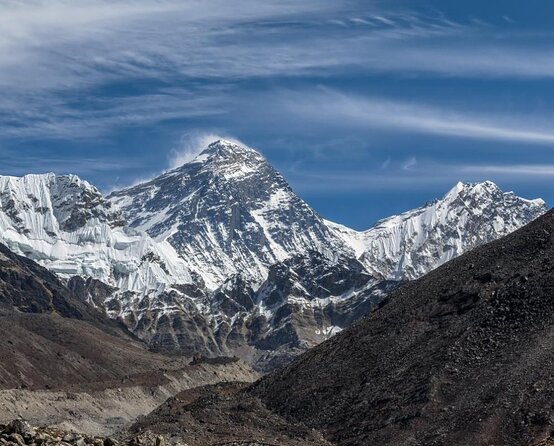
- Lukla flights + early start: an early Kathmandu pickup and a short, intense flight set the tone fast
- Guide and porter support: a licensed English-speaking guide and a porter designed around load sharing
- Acclimatization days: built-in rest days in Namche and Dingboche to help your body adjust
- Tea houses with outside facilities: simple stays keep costs predictable, but comfort is basic
- Kala Patthar sunrise option: a planned highlight that’s about timing, not luck
- Tengboche Monastery: an old spiritual stop, 350+ years old, with a strong sense of place
Why this Everest Base Camp trek feels like more than a checklist
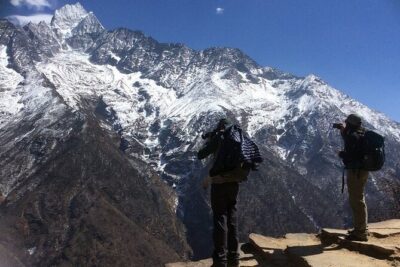
Everest Base Camp has one job: it makes altitude and effort feel real. You don’t just “see Everest.” You work your way toward it—day after day—while the trail reshapes how you breathe, how you pace, and how you notice details like prayer flags, stone walls, and the rhythm of other trekkers.
This route is interesting because it mixes big-mountain drama with everyday life. You pass through Namche Bazar, which you can think of as the gateway where the Khumbu starts to feel like its own world. Then you move toward Tengboche, where the Tengboche Monastery (350+ years old) turns the trek spiritual for a moment, not just scenic.
Also, I appreciate that the experience is designed around support. You’re not going “solo” in the logistical sense. You’ll have a guide, and you’ll also have porter support (described as one strong porter for every two trekkers, carrying up to 25 kilos). That matters because on a long, high trek, saving your energy is part of safety.
You can also read our reviews of more tours and experiences in Kathmandu.
Kathmandu prep: transfers, permits, and that 5:15am reality
This trek starts in Kathmandu, with pickup in the Thamel area (Outdoor Himalayan Treks, Thamel Marg). The start time is 5:15 am, which tells you the plan values efficiency. Flights to Lukla and mountain schedules rarely care about your internal clock.
You’ll also get the paperwork covered that can otherwise add stress. This includes the Sagarmatha National Park entry permit and the Khumbu village entry permit. When those are handled before you’re tired and cold, you move smarter.
One more detail I like: there’s a Kathmandu hotel–airport–hotel transfer included. That’s not a flashy line item, but it’s the kind of support that prevents small problems (lost time, wrong pickup, late check-in) from turning into a chain reaction on day one.
Lukla flight: part thriller, part normal logistics
The Lukla airport is famous for being intense. The listing frames it as scary in the “adventure” sense, not just as danger, and that tone fits how many people experience the landing and takeoff: your body is alert, your senses are wide open, and you’re very aware you’ve entered mountain-country.
You get Kathmandu–Lukla–Kathmandu flight tickets included, so you’re not forced to shop around last minute. That’s a value win because these flights can be a big variable for budget and planning when you’re doing this trip independently.
Practical tip: plan to be mentally ready for a short flight that feels longer because of altitude and weather effects. Even if your day goes smoothly, you’ll still feel how “close to the mountains” you are right away.
Tea houses and meals: simple by design, not an afterthought
Along the trek, you’ll stay in basic tea houses with twin sharing. The key detail is the comfort level: toilets and bathrooms are outside. That means you’ll want to treat hygiene and weather protection as part of your daily routine, not something you hope turns out fine.
Meals are more structured than on fully independent treks. Breakfast, lunch, and dinner are included, and you can choose from a menu—described as one dish on each meal. That choice matters because trekking food needs to be flexible. Some days you’ll want something heavier; other days you’ll want something easier to digest.
What’s not included is also clear: beverages and items like bottled water, hot drinks, snacks/desserts, and extra charges like battery charging fees or WiFi aren’t included. If you want hot showers, that’s also not covered. I like that this list is explicit—no guessing, no surprise add-ons.
Acclimatization days in Namche and Dingboche
This is where the trek becomes smart, not just ambitious. There are acclimatization days built in:
- Day 03: acclimatization day after arriving at Namche Bazar (3440m)
- Day 06: acclimatization day after reaching Dingboche
Why this matters: on a trek like this, the biggest threat isn’t only effort—it’s how quickly you climb. Acclimatization days help your body adjust to the thinner air so you can enjoy the high points more than you endure them.
Also, these rest days break the rhythm of constant uphill walking. Even if you still hike a bit on acclimatization days, the key benefit is that you’re giving your body time to catch up. That can turn “survive the trail” into “move through the trail.”
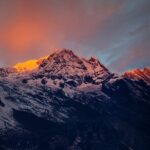
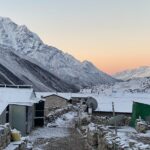
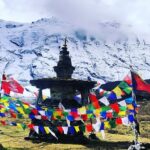
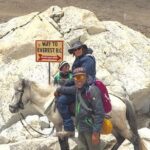
Day-by-day: from Phakding to Everest Base Camp and back
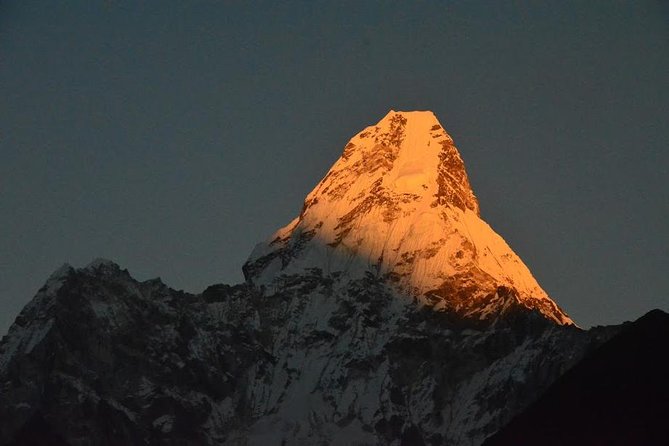
Here’s how the days generally feel, stop by stop, and what each segment gives you.
Day 1: Kathmandu (2840m start to Lukla) to Phakding (2610m)
You fly for about 30 minutes from Kathmandu to Lukla at 2840m, then hike 4–5 hours to Phakding (2610m). This first day matters because it sets your pace. The goal isn’t to crush miles—it’s to get used to altitude while staying steady.
You also start building your mental map: bridges, villages, and the early stretch of “Khumbu time,” where the trail feels busy but not rushed.
Day 2: Phakding to Namche Bazar (3440m)
Another 6–7 hour trek takes you up to Namche Bazar (3440m). This is a major step in altitude and it’s why Namche feels like a reset point—markets, cafes, and a shift from local village scale into the hub of trekkers and Sherpa life.
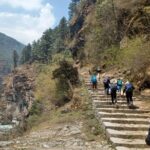
This is also where you’ll likely notice the trail’s character: hanging bridges and Sherpa villages show up as part of the journey, not as an attraction you check off.
Day 3: Acclimatization in Namche
You get an acclimatization day. Think of it as the day where you slow down enough to feel better later. Even if you move around, the point is to help your body settle before continuing toward higher terrain.
Day 4: Namche to Tengboche (3860m)
You trek 5–6 hours to Tengboche (3860m). This is one of those “payoff” days because Tengboche puts you closer to the monastery culture and the mountain drama starts to feel more direct.
If you care about atmosphere, this is where you’re walking into a spiritual stop: Tengboche Monastery is one of the highlights and it’s described as 350+ years old, which gives the place weight beyond views.
Day 5: Tengboche to Dingboche
You continue toward Dingboche. This day is about climbing gradually while not burning matches. Dingboche is typically where trekkers start to feel the altitude more clearly, so pacing matters.
Day 6: Acclimatization in Dingboche
Again, an acclimatization day. It’s here to help you handle the next push toward Lobuche, Gorak Shep, and Base Camp itself.
Day 7: Dingboche to Lobuche
You trek toward Lobuche. This is a step toward the Everest zone where the trail atmosphere changes. The air feels thinner. The hours feel longer. The sense of nearness to Everest becomes less abstract.
Day 8: Lobuche to Gorak Shep, then Everest Base Camp and back
This is a big day: Lobuche → Gorak Shep → Everest Base Camp and back to Gorak Shep. It’s described as moving to Everest Base Camp and returning to Gorak Shep within the same day.
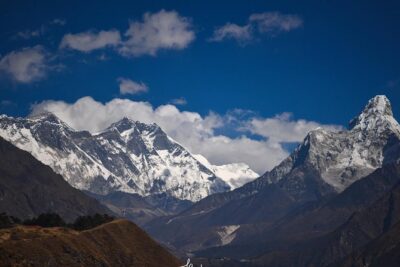
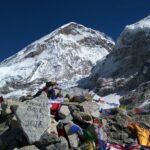
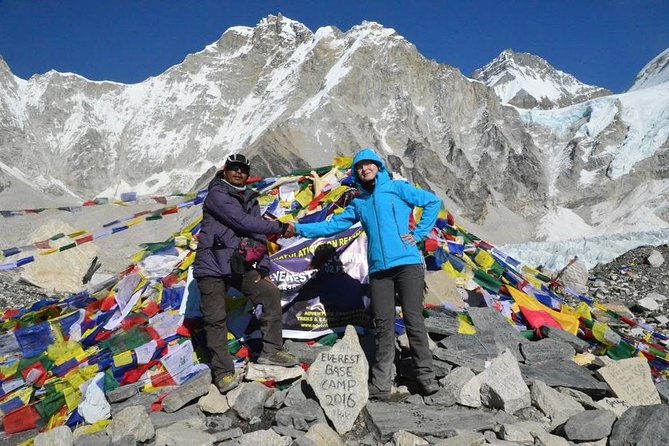
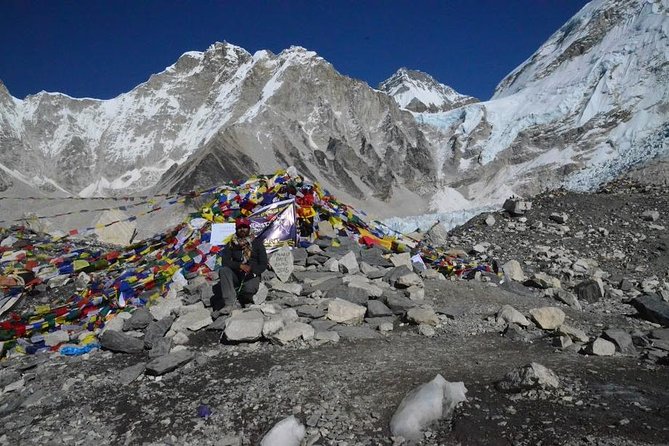
What to expect: you’ll likely feel both the altitude and the effort. But the reward is simple—being at Everest Base Camp itself, where the mountain is close enough that the scale stops being a photo thing.
Day 9: Gorak Shep to Kalapatthar (sunrise) to Pheriche
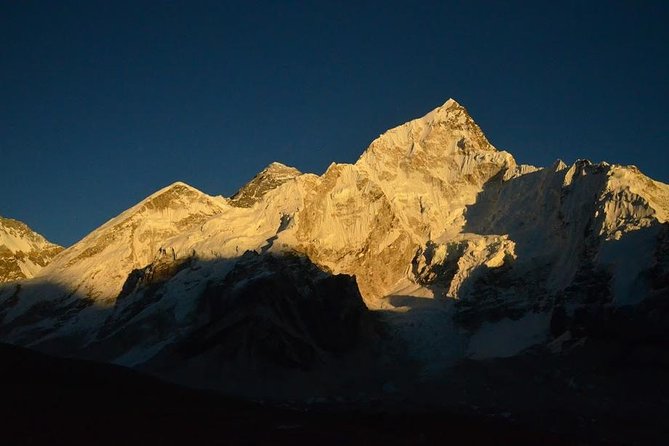
You’re up early for Kalapatthar (sunrise view), then you move to Pheriche. Sunrise here is a timing game. The views are the point, but the real value is doing the day with a plan, not trying to “wing it” in cold dark hours.
Day 10: Pheriche to Tengboche
You head back toward Tengboche. This return segment can feel different than the outbound hike because you’re not just moving forward—you’re connecting memories. You’re likely to appreciate earlier sights more, since you’re no longer focused only on arrival.
Day 11: Tengboche to Namche Bazar
You trek back down toward Namche Bazar. The air feels a bit easier on the body, and the trail starts to feel more familiar.
Day 12: Namche Bazar to Lukla
You head down to Lukla for your flight day. This is where you get perspective: you’ve moved from the world of mountain villages into flight logistics again.
Day 13: Lukla to Kathmandu, plus a farewell dinner
You fly back to Kathmandu and transfer to your hotel. The day also includes a farewell dinner at an authentic Nepali restaurant with a live cultural show—a nice way to end the trek when you’re tired but still in mountain mode.
Tengboche Monastery and Sherpa culture, not as scenery but as context
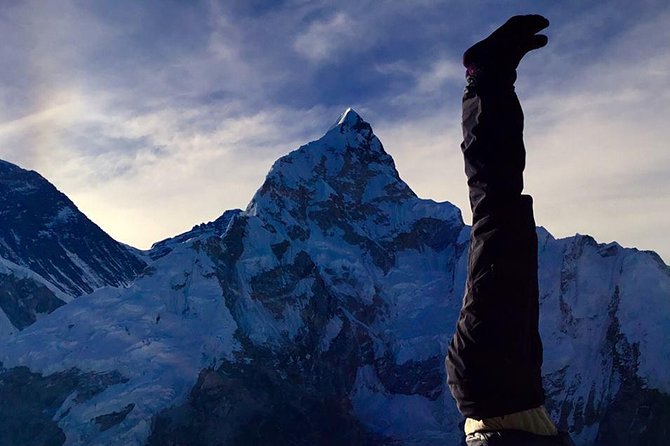
One thing I love about this trek is that culture isn’t limited to a single stop. You pass Sherpa villages, you spend real time around Namche Bazar, and you get to experience Tengboche Monastery (350+ years old).
That matters because Everest isn’t a vacuum. It sits inside a working mountain culture. When you see prayer flags, mani walls, and monastery life, the trek feels more grounded.
And the cultural ending helps too. The included farewell dinner at an authentic Nepali restaurant with a live show gives you a celebration that feels local, not generic.
Price and logistics: what $1,300 buys you (and what it doesn’t)
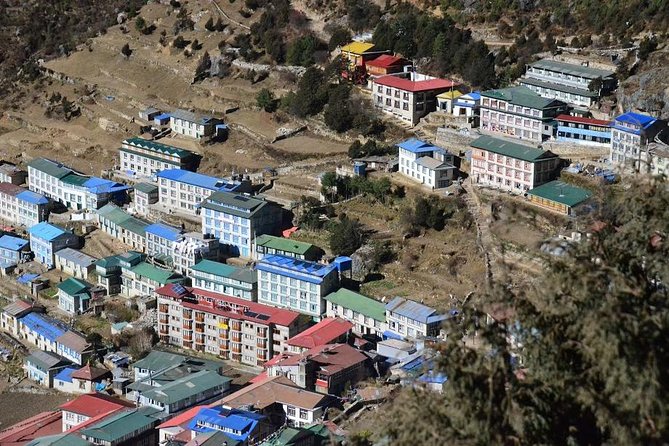
At $1,300 per person, this trek can feel like a lot—until you list what’s included that normally costs extra on independent trips:
- Kathmandu–Lukla–Kathmandu flight ticket
- Hotel–airport–hotel transfers
- Park and village permits
- An English-speaking licensed guide with expenses covered
- A strong porter for every 2 trekkers (up to 25 kilos), with expenses covered
- Breakfast, lunch, and dinner (with menu choice described as one dish per meal)
- Farewell dinner with a live cultural show
- Taxes/service charges and emergency assistance
- Insurance for guide and porters
The value here is predictability. Your major moving pieces—transport to the start, permits, guiding, porter support, and food—are already accounted for. That reduces decision fatigue when you’re focused on altitude and energy.
What you still need to budget for is also spelled out: beverages, extra snacks, WiFi and charging fees, photography charges, and hot shower costs. Plus, tips for guide and porters are mandatory (and any donations). I’d plan for that from the beginning so it doesn’t feel like a last-day shock.
Group setup: private trek, real support
This is listed as a private tour/activity where only your group participates, and that’s a practical advantage. You avoid the awkwardness of being squeezed into someone else’s schedule or having your pace controlled by strangers.
You’re also told that pickup is offered and group discounts exist, which can matter if you’re traveling with friends or family. If you’re going as a pair, porter sharing still makes sense based on the one-porter-for-two structure.
Should you book this Everest Base Camp trek?
Book it if you want a structured EBC experience where key logistics are handled: flights, permits, guide support, porter load sharing, and full trekking meals. I’d especially recommend it if you like the idea of going after Everest with a plan that includes acclimatization days, plus a planned “big moment” at Kalapatthar sunrise.
Skip it or ask more questions first if you need lots of creature comforts. Tea houses here are described as basic, with bathrooms and toilets outside, and items like hot shower and most beverage choices are not included. Also, if your fitness level is truly below moderate, the daily hike lengths and altitude climb could wear you down.
If you’re the kind of person who likes clear structure but still wants authentic mountain life, this is a strong match.
FAQ
What’s the trek length and start time?
The trek runs about 13 days. The experience start time is listed as 5:15 am, with the meeting point in Thamel (Outdoor Himalayan Treks, Thamel Marg, Kathmandu).
What’s included for flights, permits, and transfers?
You get Kathmandu–Lukla–Kathmandu flight tickets plus hotel–airport–hotel transfers. You’re also covered for the Sagarmatha National Park entry permit and the Khumbu village entry permit.
What kind of accommodation and bathroom setup should I expect?
During the trek, you stay in basic tea houses on a twin sharing basis. The listing notes toilet and bathroom outside.
What meals are included on the trail?
The trek includes breakfast, lunch, and dinner. You can choose from a menu, described as 1 dish on each meal.
What support do you provide on the mountain?
You’ll have an experienced English-speaking licensed guide (with expenses included). There’s also a strong porter for every 2 travelers, carrying up to 25 kilos, including the porter’s expenses.
What’s not included, and what should I budget for?
Not included are beverages, bottled or boiled water, tea/coffee, and other extras like WiFi, battery charging fees, photography charges, and hot showers. The listing also says tips for the guide and porters are mandatory and you may pay additional donations.