REVIEW · KATHMANDU
Annapurna Base Camp Trek – 11 Days
Book on Viator →Operated by Base Camp Adventure Pvt. Ltd. · Bookable on Viator
11 days, and the mountains do the talking. This Annapurna Base Camp Trek threads together big Himalayan views, rhododendron forests, and small villages as you move from Kathmandu to Pokhara and uphill toward the base-camp region. You also get a real taste of daily life along the way, not just scenery.
I especially like that the tour includes down jacket and a sleeping bag, which can save you from hauling bulky gear. I also like the built-in altitude awareness through an oxymeter to check pulse and oxygen saturation, plus a licensed English-speaking guide to keep things organized.
The main drawback to plan around is effort: the route leans on stone-stair hiking and early morning starts, so you’ll want moderate fitness and a steady pace mindset.
In This Review
- Key things I’d pay attention to
- How Annapurna Base Camp days actually feel: villages plus mountain drama
- Price and value: what $986 covers and what it doesn’t
- Gear you can count on, plus the stuff to bring with confidence
- Day 1 to Day 3: Kathmandu to Pokhara, Nayapul start, and rhododendron days
- Day 4 to Day 6: Poon Hill sunrise, Jhinu Danda soak, and Sinuwa rhythm
- Day 7 to Day 9: Deurali, Machhapuchhre Base Camp at 3700m, and Chhomrong
- Day 10 to Day 11: Nayapul exit, Pokhara downtime, and the Kathmandu return
- Who this Annapurna Base Camp trek suits best
- Should you book Base Camp Adventure’s 11-day ABC trek
- FAQ
- What time does the Annapurna Base Camp trek start?
- Where do the transfers happen during the trek?
- What trekking days and meals are included?
- What gear does the tour provide?
- Is travel insurance included?
- What happens if the trip is canceled due to weather?
Key things I’d pay attention to
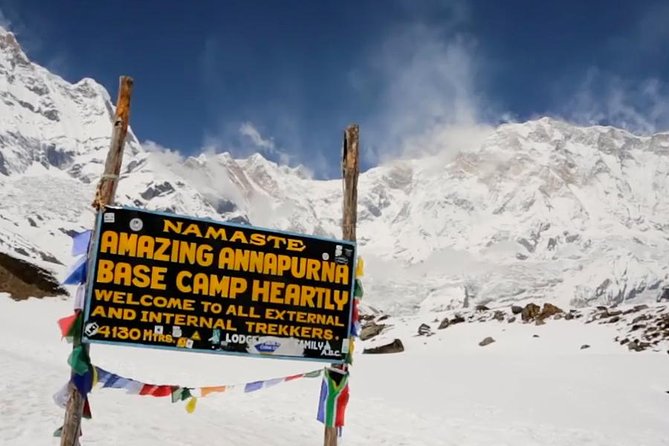
- Poon Hill sunrise timing: early ascent for views over Annapurna and Dhaulagiri ranges
- Jhinu Danda hot spring reset: suspension bridges on the way in, warm dip on the way out
- Gear is partly handled: down jacket, sleeping bag, and duffel bag included
- Altitude support on the move: oxymeter checks plus first-aid kits in the mix
- Guesthouse routine: best-available stays, mainly twin sharing during trekking days
- Private group: your group hikes together, which helps you keep a predictable rhythm
How Annapurna Base Camp days actually feel: villages plus mountain drama
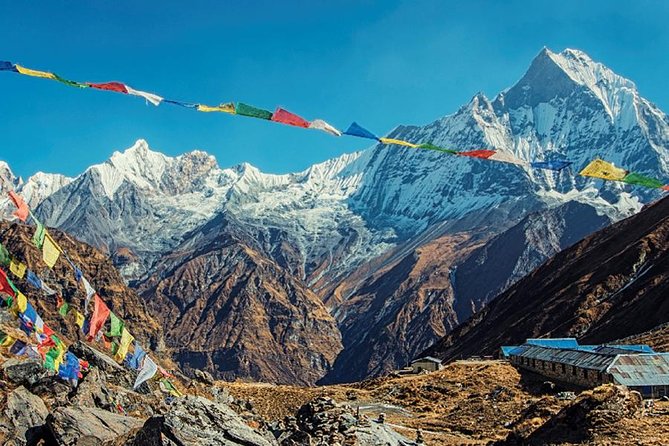
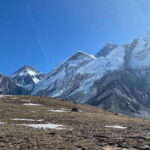
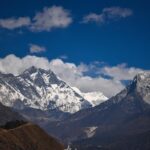
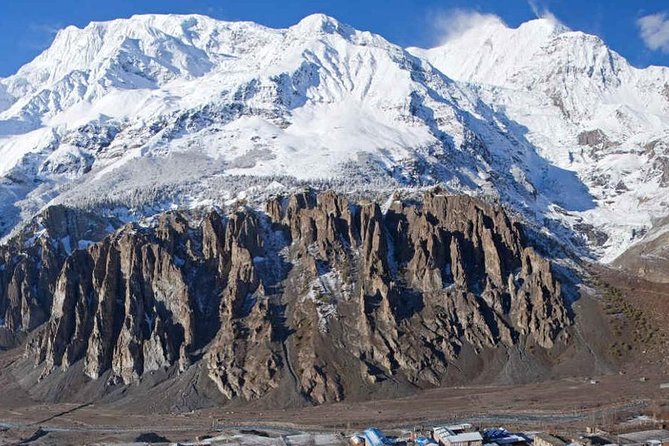
This trek is popular for a reason, because you get multiple flavors of Nepal in one route. You’ll spend travel time on the Prithvi Highway corridor to Pokhara, then shift into a footpath rhythm where rhododendron forests, small settlements, and stone steps become your daily soundtrack. It’s the kind of trip where the views arrive in chapters, not in one single movie scene.
One of the best parts is how often the path transitions. You’re not stuck hiking the same type of terrain all day long. Expect crossings like suspension bridges (Modi River and Kimrong Khola are part of your route), and then you move into sections that climb through thick forest or wind through village neighborhoods. That variety matters because it helps you keep attention on the trail instead of mentally burning out on repetition.
You also have a couple of built-in “reward moments.” Poon Hill is there for sunrise viewing over major ranges, and Jhinu Danda is there for the hot spring soak. Those are practical, not just pretty, because they give you something to look forward to when your legs start to feel the stairs.
You can also read our reviews of more tours and experiences in Kathmandu.
Price and value: what $986 covers and what it doesn’t
At $986 per person for an 11-day Annapurna Base Camp trek, the value is mostly about what’s packaged in. This price includes surface transfers between Kathmandu and Pokhara (and back), trekking permits and entry fees, guesthouse accommodation during the trek (mainly twin sharing), and a licensed English-speaking trekking guide. You also get support for trekking staff, plus medicine and transportation for staff.
Food coverage is another big piece of value: you’re scheduled for 10 breakfasts, 9 lunches, and 8 dinners. That’s not a trivial add-on in Nepal, because your day gets more complicated when you have to hunt meals between short trekking segments.
Then there’s the gear angle, which I find very practical. The tour includes a down jacket, sleeping bag, and duffel bag, meaning you can travel lighter and reduce the chance of arriving underprepared for colder mountain nights.
What’s not included is also important. You’ll handle personal trekking equipment, any alcohol or specialty drinks, laundry, and your own travel insurance. International airfare is also not included, and tips for trekking staff are not included either. If you don’t already own solid cold-weather layers or a decent sleeping setup, budgeting here changes the math quickly, in the trek’s favor.
Gear you can count on, plus the stuff to bring with confidence
The tour covers several items that usually feel expensive or bulky. You should expect to use the down jacket and sleeping bag during the trek, along with the included duffel bag. You’ll also have an Annapurna Base Camp trek route map, and your group gets first-aid medical kits.
That said, you still need your personal basics. The tour listing doesn’t claim to supply everything, and it explicitly notes that personal trekking equipment is not included. So plan to bring your own essentials like proper trekking footwear, weather-ready layers, and any small comfort items you rely on at altitude.
One detail I appreciate: there’s an oxymeter included. It doesn’t replace good pacing or common sense, but it does mean someone in your group can check your pulse and oxygen saturation instead of guessing based on how you feel.
Day 1 to Day 3: Kathmandu to Pokhara, Nayapul start, and rhododendron days
Day 1 begins with a drive from Kathmandu toward Pokhara. You’ll travel via tourist bus on the Prithvi Highway, and the trip is part scenery ride, part warm-up. The route runs alongside rivers, terraced farms, and villages, so it’s a gentle introduction before your feet hit the trail.
Day 2 is your formal trek start. After a roughly two-hour drive to Nayapul, you cross the suspension bridge over the Modi River and head toward Birethanti and then onward to Ghorepani. This early section matters because it sets your pace for the rest of the trek. You’re building rhythm while you also shake out any travel stiffness from the bus ride.
Day 3 keeps the “forest plus stairs” feel going. You walk on an easier trail through thick rhododendron forest and pass through villages like Banthanti and Nangethanti. Then you climb uphill on stone stairs into the Ghorepani area. If you’re the type who worries about getting tired too fast, this is the day to focus on consistent steps and not sprinting for the next viewpoint.
Day 4 to Day 6: Poon Hill sunrise, Jhinu Danda soak, and Sinuwa rhythm
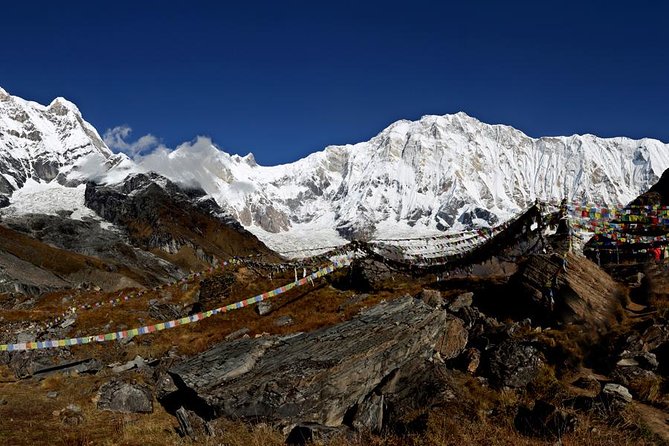
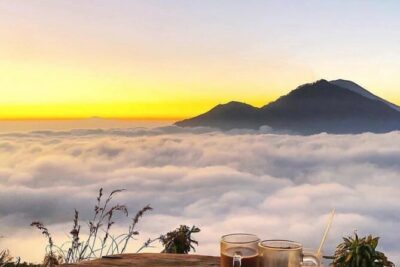
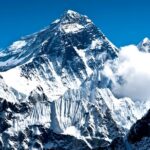
Day 4 is your big early morning. You ascend to Poon Hill before sunrise, and the route can include snowy trails depending on conditions. The reward is sunrise over the Annapurna and Dhaulagiri ranges, plus other peaks like Nilgiri and Lamjung Himal. Even if the sky is changeable, the whole morning exercise is part of why this trek earns its reputation.
After the sunrise window, you shift back into hiking mode through forested sections. You’ll keep moving down and up as the trail threads through the area, then you work toward Kimrong Khola for the next major step: a suspension bridge crossing and the approach to Jhinu Danda.
Day 5 gets you to Jhinu Danda via the suspension bridge over Kimrong Khola. Then you reach the hot springs area, where you can rest and take a short soak. This is one of the best “recovery mechanics” on the route, because warm water helps your legs feel less dramatic after days of stone stairs.
Day 6 is an easy-walk kind of day in forest. Expect rhododendron forest plus orchids and ferns in the greenery. You descend stone stairs, cross Chhomrong Khola, then ascend to Sinuwa. If you want a practical mindset for ABC: treat each day like a mix of leg-work and recovery. This is a recovery-leaning day on the way to higher terrain.
Day 7 to Day 9: Deurali, Machhapuchhre Base Camp at 3700m, and Chhomrong
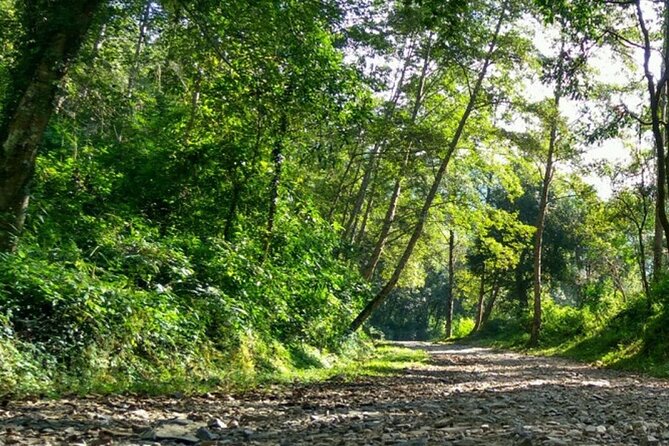
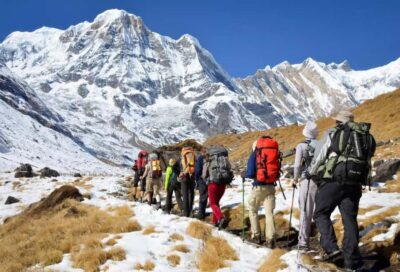
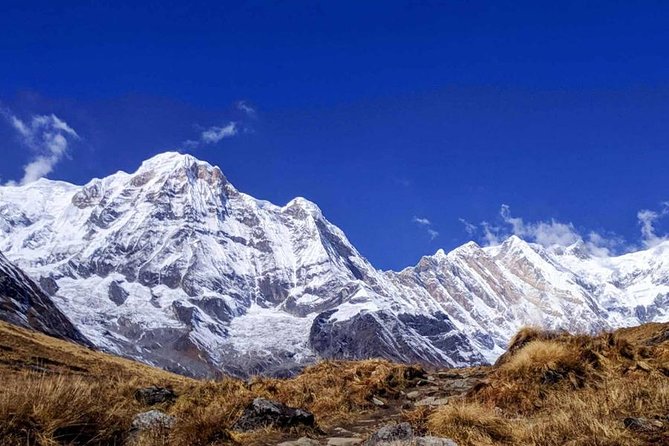
Day 7 climbs toward Deurali, then continues with stone stairs to a viewpoint area with snow-capped mountain views. It brings you to Machhapuchhre Base Camp at 3700m. That altitude number matters because it’s a reminder that even when the walk feels manageable, the air thins as you go. This is where that included oxymeter support can be especially reassuring, since it encourages checking instead of guessing.
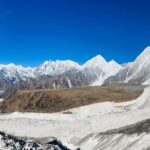
From there, the route follows moraines for a while, which changes how the ground feels underfoot. Moraines can be uneven, so keep your stride steady and don’t rush your balance.
Day 8 turns into descent from Machhapuchhre Base Camp, then you keep moving along the moraine route again and follow the Modi Khola trails through rhododendron and fir forest. The fir factor is a clue that the air can feel colder as you gain and lose elevation on this section. Dress in layers so you can adjust quickly when the sun hits or the shade takes over.
Day 9 is a loop of sorts: you first ascend through forest to Sinuwa, then head down to Chhomrong Khola. After that, you climb stone stairs to upper Chhomrong, then descend back toward Jhinu Danda for another hot spring dip. This day balances hiking and payoff again, and it also gives you a second chance to use the hot springs as a recovery reset before the final descent toward Nayapul.
Day 10 to Day 11: Nayapul exit, Pokhara downtime, and the Kathmandu return
Day 10 is where your work switches from uphill to downhill. You descend to Nayapul following the Modi Khola trails, then drive back to Pokhara. The evening in Pokhara is intentionally flexible in your plan, since after days on foot, what you need most is time for a shower, a slow meal, and a bit of decompression.
Day 11 is an early return by tourist bus from Pokhara to Kathmandu. You’ll pass greenery and villages along the highway corridor, then arrive back in the capital. Your trip ends back at the meeting point, so you can plan your next steps once you land in Kathmandu.
Who this Annapurna Base Camp trek suits best
This tour is aimed at people with at least moderate physical fitness and comfort hiking uphill with stone steps. If you like structured days with a guide, you’ll enjoy the clarity of moving from place to place with permits, food, guesthouses, and key support items handled.
It also fits well if you want a classic Nepal mix: forest trekking, small village passages, suspension bridge crossings, and memorable warm-water recovery at Jhinu Danda. And because it’s a private tour/activity, your group hiking together can make it easier to keep a consistent pace.
If you’re someone who hates early mornings or you’re currently managing a tight schedule where weather and rest days would cause stress, plan extra buffer. This trek depends on good weather, and mountain conditions can change fast.
Should you book Base Camp Adventure’s 11-day ABC trek
If you want a straightforward, classic Annapurna Base Camp Trek with gear support (down jacket, sleeping bag), meals organized, and practical altitude monitoring through an oxymeter, this is a strong package for the price. The itinerary also makes room for real recovery moments, especially the Jhinu Danda hot springs.
I’d book if you’re ready for stone-stair hiking and early starts, and you appreciate having a licensed English-speaking guide running the logistics. I’d think twice if you’re hoping for a mostly flat walk or if cold-weather gear access would be stressful, since parts of the route include snowy trail conditions and mountain-night chills.
FAQ
What time does the Annapurna Base Camp trek start?
The experience start time is listed as 6:15 am, with the trek beginning from the Kathmandu meeting point.
Where do the transfers happen during the trek?
You get surface transfers from and to Kathmandu, including driving to Pokhara and later returning from Pokhara back to Kathmandu by tourist bus.
What trekking days and meals are included?
Breakfast is included for 10 days, lunch for 9 days, and dinner for 8 days during the trek period.
What gear does the tour provide?
The tour includes a down jacket, sleeping bag, and a duffel bag, plus an Annapurna Base Camp trek route map and first-aid medical kits.
Is travel insurance included?
No. Your travel insurance is not included, and you’ll need to arrange it yourself.
What happens if the trip is canceled due to weather?
The experience requires good weather. If it’s canceled due to poor weather, you’ll be offered a different date or a full refund.